
معلومات عنا
شركة يانتاي يوندي للتكنولوجيا الذكية المحدودة لديها 30 عامًا فقط من الخبرة في الإنتاج، وقد خدمت أكثر من 300 عميل محلي وأجنبي، وأنتجت أكثر من 2000 آلة.
احصل على عرض سعر مجاني
-
بيت

-
مدونة
-
مدونات الصناعة
- How a Bar Peeling Machine Processes Hot-Rolled Bars

How a Bar Peeling Machine Processes Hot-Rolled Bars
-
مؤلف
- 27,أغسطس
 مؤلف
مؤلف 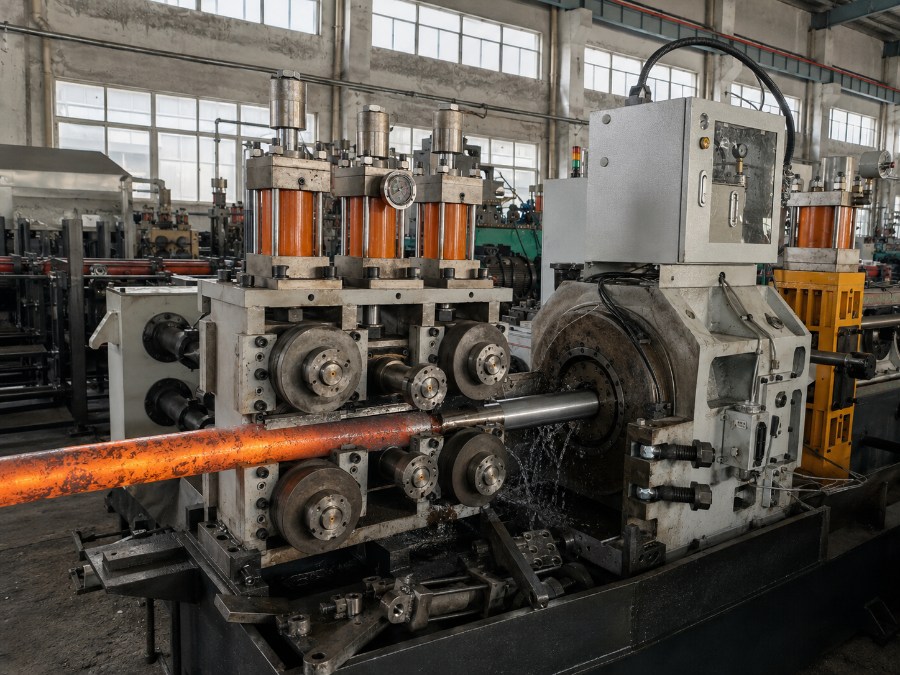
Hot-rolled bars can look serviceable while oxide scale, decarburized layers, and surface cracks remain in the surface layer. A تقشير القضبان machine turns that variable surface layer into a controlled diameter by removing material from the bar surface. The useful question for bright-bar producers is therefore not whether peeling makes a bar look cleaner, but how each stage converts an inconsistent input into a repeatable, inspectable output.
Why Hot-Rolled Surface Condition Matters
Hot rolling leaves a surface that is chemically and mechanically different from the core. Oxide scale can hide local damage, while a decarburized layer or shallow crack may remain unacceptable for later machining. Bar peeling addresses these conditions by cutting away a defined outer layer around the full circumference. That removal exposes fresh metal and creates a consistent reference diameter for the next production step.
Surface defects are more than a cosmetic issue
Surface defects become costly when they survive into a shaft, fastener, hydraulic part, or other machined component. A bright appearance alone cannot confirm that the defective surface layer has been removed. The process must remove enough stock to pass beneath the deepest relevant defect while preserving the usable cross-section. This is why incoming-bar inspection and cutting allowance belong to the same control decision.
Removal allowance must match the bar
Removal allowance depends on actual diameter, roundness, straightness, material condition, and defect depth. Too little depth can leave scale or cracks behind; excessive depth sacrifices yield and increases cutter load. Before the peeling parameters are set, operators should confirm the input range and prepare the leading end so the bar enters without jamming or cutter impact.
The Peeling Sequence Inside the Machine
The peeling sequence is continuous even though several controls work at once. The spindle rotates at high speed while the feeding and extraction systems move the bar steadily through the machining zone. The peeling process removes material from the outer surface to produce a new cylindrical surface with controlled diameter and surface finish.
Peeling is a controlled stock-removal process
Stable bar guidance and extraction are important throughout the peeling process because irregular feeding or support can affect surface quality and dimensional consistency. YUNDE’s PM-series extraction system uses a trolley structure with hydraulically driven upper and lower clamps, precision ball guides, and synchronized feeding to provide smooth bar stock output while reducing surface indentations.
A practical production sequence
*Inspect diameter, roundness, straightness, hardness, and visible surface damage.
*Face and chamfer the leading end so it enters the cutter head cleanly.
*Set cutting depth, feed speed, and cutter position for the actual material.
*Run the peeling operation while monitoring load, material feeding, diameter, and surface condition.
*Measure the finished bar and adjust the next pass or batch from verified results.
This sequence explains why انقلبت الآلة وقشرت bars are process-controlled products. The visible surface is only the final evidence of decisions made before and during the cut.

Operating Variables That Change the Result
Operating variables interact rather than acting independently. Feed speed affects contact time and chip behavior, while cutting depth changes material removal and tool load. Cutter condition influences both diameter stability and surface roughness. A usable setup therefore connects each input condition to a measurable output instead of copying one recipe across different grades and bar sizes.
| Control point | What to establish | What can go wrong | Output check |
| Incoming bar | Diameter, roundness, straightness, hardness | Unstable entry or uneven stock removal | Input inspection record |
| Cutting allowance | Depth beyond the relevant surface damage | Residual defects or avoidable yield loss | Clean circumference and target diameter |
| Feed and support | Steady axial travel through the cutting zone | Marks, vibration, or diameter variation | Surface and diameter trend |
| Cutter setting | Position and condition matched to the job | Rising load or poor surface roughness | Tool condition and Ra result |
The available process window must also fit the physical bar. Across the PM25-PM350 range, supported diameters span 6-350 mm, model feed speeds span 0.2-30 m/min, and single-side cutting depths span 0.25-10 mm. Each model covers only part of that envelope. The documented output targets are diameter tolerance at or better than IT8 and surface roughness of Ra ≤ 1.6 μm.
For a آلة تقشير قضبان الصلب, those figures are capability boundaries rather than universal settings. The actual combination should be validated on the customer’s grade, starting diameter, defect condition, length, and required finished size.
What the Finished Bar Should Prove
Finished Bar Quality Must Be Measurable
A peeled steel bar should demonstrate more than a bright surface. Diameter must remain within the agreed tolerance, surface roughness must match the downstream need, and inspection should confirm that the targeted scale, decarburized layer, and shallow surface cracks were removed. When evaluating a round bar peeling machine, buyers should focus on measurable results such as diameter tolerance, surface roughness, and defect removal rather than the machine name alone.
Verification closes the process loop
Verification should compare the finished result with the incoming condition and the chosen allowance. Diameter measurements along the length reveal drift, surface roughness checks show whether the cutting condition is stable, and visual or specified defect inspection confirms whether the removal depth was sufficient. If one result misses target, the cause can be traced to input variation, feed, depth, support, or cutter condition before the next batch.

Practical Takeaway
Hot-rolled bar peeling works when defect depth, stock allowance, feeding, cutter setting, and verification operate as one loop. The machine removes the original surface and creates a new cylindrical one; it does not simply make scale look better. A sound process defines the input, cuts only the necessary layer, and proves the output with diameter, surface roughness, and defect checks.
For a line-specific process window, send YUNDE the bar grade, starting diameter, length, observed defects, and required finished size through the technical inquiry page.
التعليمات
What does peeling equipment remove from hot-rolled steel?
Bar peeling removes the outer layer that may contain oxide scale, decarburized metal, and shallow surface cracks. The cutting depth must extend beneath the relevant damage without wasting sound material.
How deep can a peeling machine cut in one pass?
The supported single-side cutting depth depends on the PM model. Across the documented range it spans 0.25-10 mm, but each model has a narrower limit that must match the bar and material.
Why are facing and chamfering important before peeling?
A prepared leading end enters the cutting zone more reliably. Proper facing and chamfering reduce the risk of material jamming or cutter impact during the first contact.
منشور حديث

المنتجات ذات الصلة
المنتجات الأكثر مبيعاً
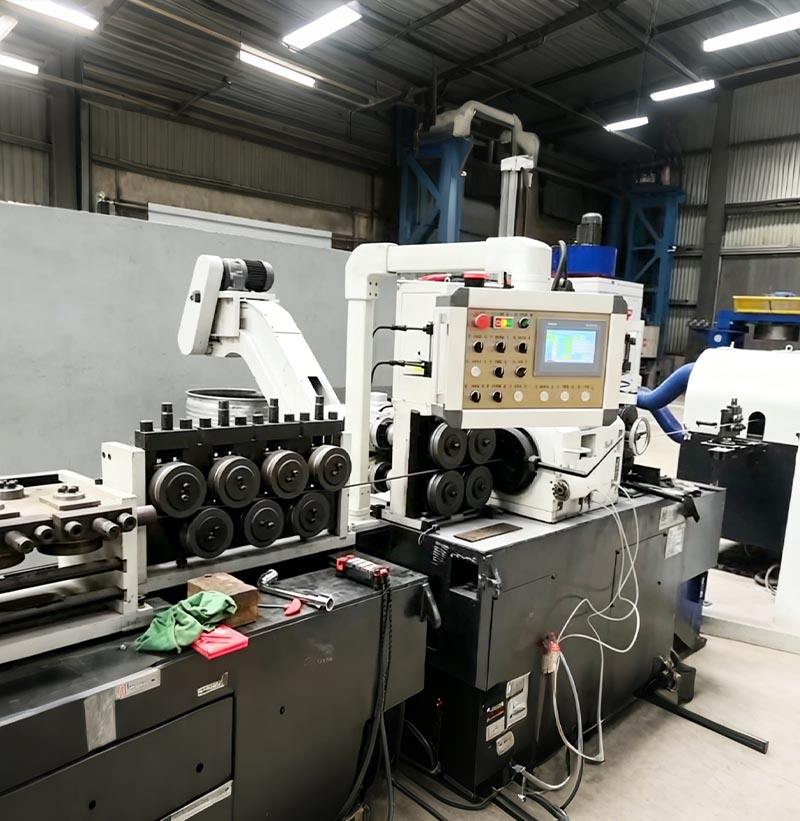
تقشير اللفائف إلى القضبان - خط التمليس
يتم فك لفائف سلك الفولاذ المقاوم للصدأ وتقويمه مبدئيًا، ثم يُقشر باستخدام مخرطة بدون مركز ويُقطع إلى طول دقيق. بعد عملية تقويم نهائية دقيقة باستخدام جهاز تقويم ثنائي الأسطوانات، يكون المنتج النهائي عبارة عن قضيب مستقيم عالي الدقة من الفولاذ المقاوم للصدأ.
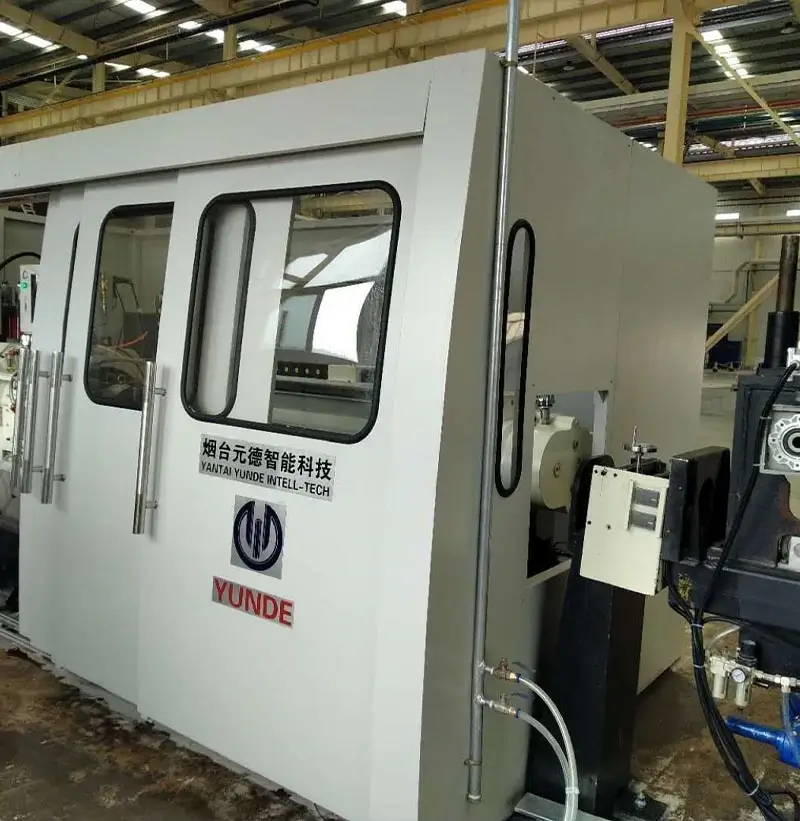
آلة تقشير (مخرطة بدون مركز)
وحدة آلة التقشير (المخرطة بدون مركز) هي منتج تم تطويره بشكل مستقل بعد مقارنة مزايا المنتجات الأجنبية المماثلة ودمجها مع خصائص الإنتاج للمؤسسات المحلية، مما أدى إلى تصميم مبسط ومحسن.
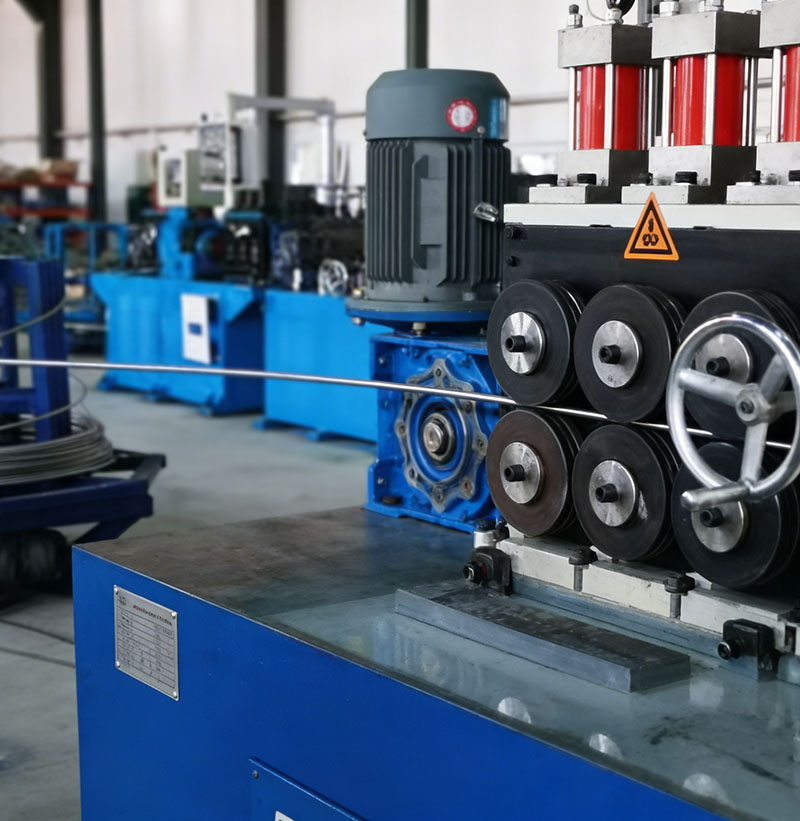
خط إنتاج اللفائف
خط إنتاج اللفائف عبارة عن سلسلة من الآلات تشمل آلة فك وتقويم، وآلة تقشير، وآلية تثبيت، وجهاز ثني مسبق، وآلة إعادة لف، وغيرها. من خلال هذه الآلات، تتم معالجة قضيب اللفائف الأسود ليصبح قضيب لفائف لامعًا ذو جودة سطحية عالية.
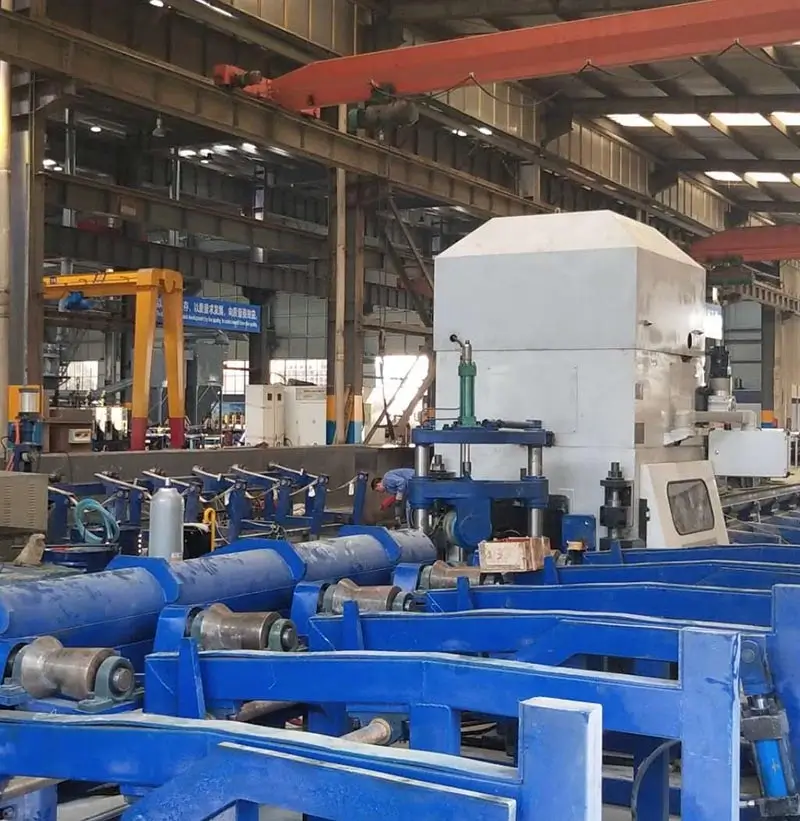
ماكينة فرد الشعر من سلسلة BS
آلة تقويم المعادن هي جهاز يُستخدم لتقويم القطاعات المعدنية، والقضبان، والأنابيب، والأسلاك. تستخدم هذه الآلة بكرات تقويم لضغط المادة، مما يُغير استقامتها. عادةً، تتكون آلة التقويم من صفين من بكرات التقويم، بأعداد متفاوتة. كما توجد آلات تقويم ثنائية البكرات، تعتمد على تغيير زاوية بكرتين (ذات شكل مقعر زائدي) لتقويم مواد ذات أقطار مختلفة.
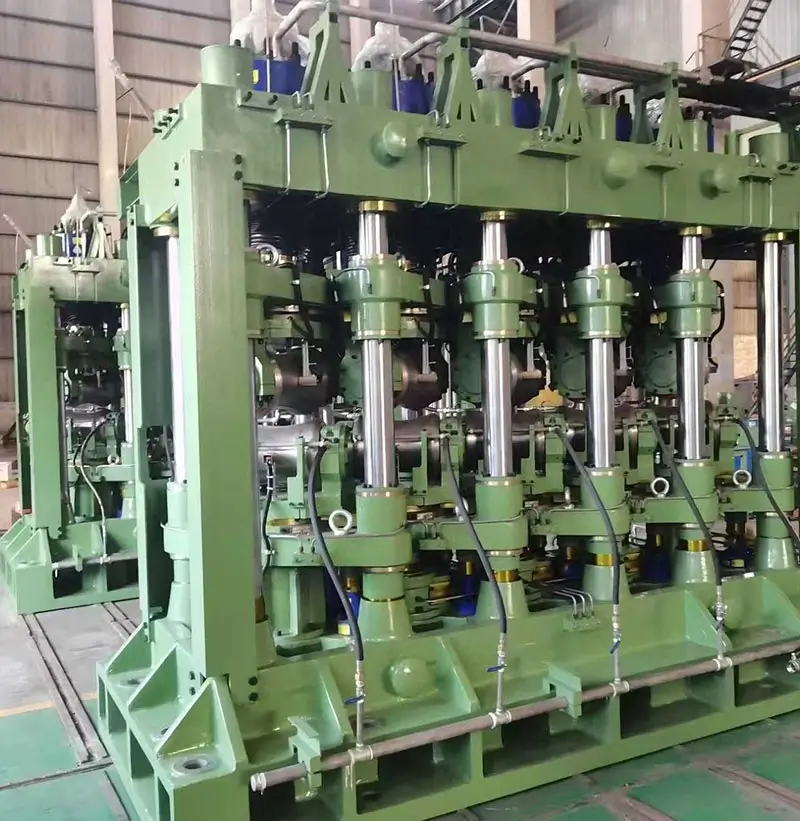
ماكينة تقويم الأنابيب الفولاذية متعددة البكرات
هو جهاز ميكانيكي يُستخدم لتقويم انحناءات الأنابيب الفولاذية وتصحيح شكلها البيضاوي. يُستخدم لتقويم الأنابيب المصنوعة من الفولاذ عالي السبائك، والفولاذ المقاوم للتآكل، والفولاذ المقاوم للحرارة، والسبائك الحديدية والنيكل، وسبائك النيكل والتيتانيوم، وذلك لتقليل عدم استقامة الأنابيب في طولها وعدم استدارتها في مقطعها العرضي.
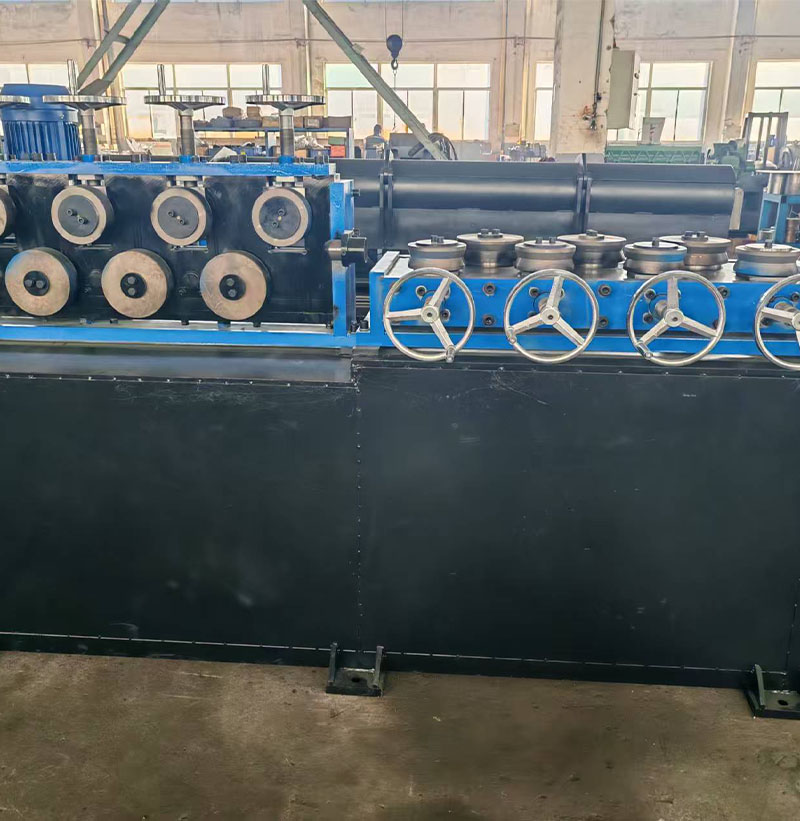
آلة تقويم أفقية ورأسية
حرر عجلة اليد الخاصة بآلة فرد الأسلاك متعددة البكرات الأفقية والرأسية للسماح بمرور لفة السلك عبر بكرات الفرد. أحكم ربط عجلة اليد في الوضع المحدد تجريبياً، وشغّل جهاز التغذية، وكرر عملية الفرد عدة مرات. ثم أدخل لفة السلك إلى بكرات الفرد الرأسية، باتباع نفس الإجراء المتبع في الفرد الأفقي. وأخيراً، أدخل لفة السلك إلى جهاز التغذية الخاص بآلة التقشير.