
회사 소개
옌타이 윈더 지능형 기술 유한회사는 30년의 생산 경력으로 300곳이 넘는 국내외 고객에게 서비스를 제공했으며 2,000대 이상의 기계를 생산했습니다.
무료 견적 받아보세요

How a Bar Peeling Machine Processes Hot-Rolled Bars
-
 작가
작가 - 27,8월
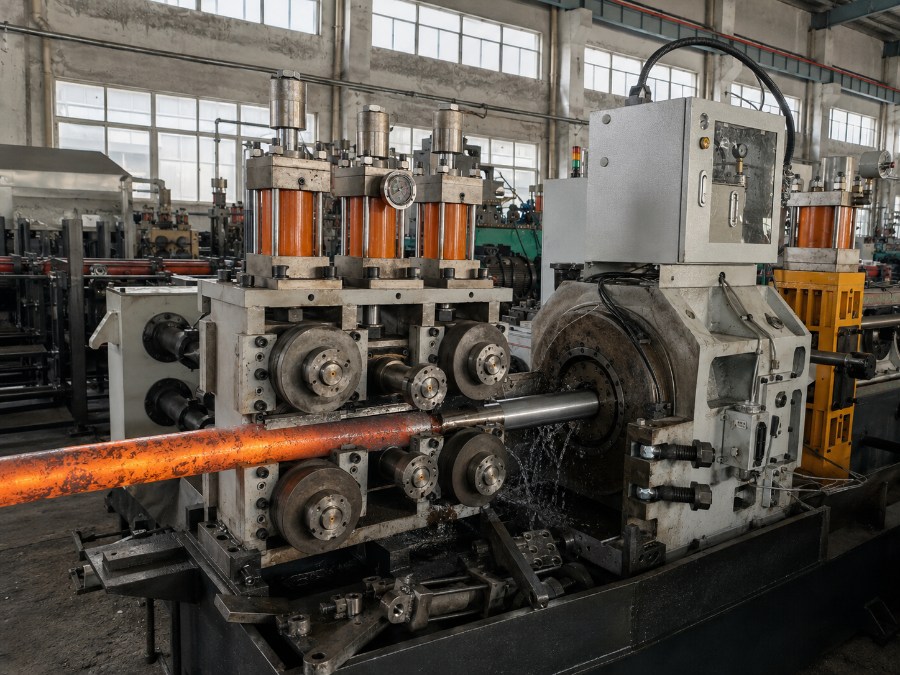
Hot-rolled bars can look serviceable while oxide scale, decarburized layers, and surface cracks remain in the surface layer. A 바 필링 machine turns that variable surface layer into a controlled diameter by removing material from the bar surface. The useful question for bright-bar producers is therefore not whether peeling makes a bar look cleaner, but how each stage converts an inconsistent input into a repeatable, inspectable output.
Why Hot-Rolled Surface Condition Matters
Hot rolling leaves a surface that is chemically and mechanically different from the core. Oxide scale can hide local damage, while a decarburized layer or shallow crack may remain unacceptable for later machining. Bar peeling addresses these conditions by cutting away a defined outer layer around the full circumference. That removal exposes fresh metal and creates a consistent reference diameter for the next production step.
Surface defects are more than a cosmetic issue
Surface defects become costly when they survive into a shaft, fastener, hydraulic part, or other machined component. A bright appearance alone cannot confirm that the defective surface layer has been removed. The process must remove enough stock to pass beneath the deepest relevant defect while preserving the usable cross-section. This is why incoming-bar inspection and cutting allowance belong to the same control decision.
Removal allowance must match the bar
Removal allowance depends on actual diameter, roundness, straightness, material condition, and defect depth. Too little depth can leave scale or cracks behind; excessive depth sacrifices yield and increases cutter load. Before the peeling parameters are set, operators should confirm the input range and prepare the leading end so the bar enters without jamming or cutter impact.
The Peeling Sequence Inside the Machine
The peeling sequence is continuous even though several controls work at once. The spindle rotates at high speed while the feeding and extraction systems move the bar steadily through the machining zone. The peeling process removes material from the outer surface to produce a new cylindrical surface with controlled diameter and surface finish.
Peeling is a controlled stock-removal process
Stable bar guidance and extraction are important throughout the peeling process because irregular feeding or support can affect surface quality and dimensional consistency. YUNDE’s PM-series extraction system uses a trolley structure with hydraulically driven upper and lower clamps, precision ball guides, and synchronized feeding to provide smooth bar stock output while reducing surface indentations.
A practical production sequence
*Inspect diameter, roundness, straightness, hardness, and visible surface damage.
*Face and chamfer the leading end so it enters the cutter head cleanly.
*Set cutting depth, feed speed, and cutter position for the actual material.
*Run the peeling operation while monitoring load, material feeding, diameter, and surface condition.
*Measure the finished bar and adjust the next pass or batch from verified results.
This sequence explains why 기계로 돌려가며 껍질을 벗겼습니다. bars are process-controlled products. The visible surface is only the final evidence of decisions made before and during the cut.

Operating Variables That Change the Result
Operating variables interact rather than acting independently. Feed speed affects contact time and chip behavior, while cutting depth changes material removal and tool load. Cutter condition influences both diameter stability and surface roughness. A usable setup therefore connects each input condition to a measurable output instead of copying one recipe across different grades and bar sizes.
| Control point | What to establish | What can go wrong | Output check |
| Incoming bar | Diameter, roundness, straightness, hardness | Unstable entry or uneven stock removal | Input inspection record |
| Cutting allowance | Depth beyond the relevant surface damage | Residual defects or avoidable yield loss | Clean circumference and target diameter |
| Feed and support | Steady axial travel through the cutting zone | Marks, vibration, or diameter variation | Surface and diameter trend |
| Cutter setting | Position and condition matched to the job | Rising load or poor surface roughness | Tool condition and Ra result |
The available process window must also fit the physical bar. Across the PM25-PM350 range, supported diameters span 6-350 mm, model feed speeds span 0.2-30 m/min, and single-side cutting depths span 0.25-10 mm. Each model covers only part of that envelope. The documented output targets are diameter tolerance at or better than IT8 and surface roughness of Ra ≤ 1.6 μm.
For a 철근 박피기, those figures are capability boundaries rather than universal settings. The actual combination should be validated on the customer’s grade, starting diameter, defect condition, length, and required finished size.
What the Finished Bar Should Prove
Finished Bar Quality Must Be Measurable
A peeled steel bar should demonstrate more than a bright surface. Diameter must remain within the agreed tolerance, surface roughness must match the downstream need, and inspection should confirm that the targeted scale, decarburized layer, and shallow surface cracks were removed. When evaluating a round bar peeling machine, buyers should focus on measurable results such as diameter tolerance, surface roughness, and defect removal rather than the machine name alone.
Verification closes the process loop
Verification should compare the finished result with the incoming condition and the chosen allowance. Diameter measurements along the length reveal drift, surface roughness checks show whether the cutting condition is stable, and visual or specified defect inspection confirms whether the removal depth was sufficient. If one result misses target, the cause can be traced to input variation, feed, depth, support, or cutter condition before the next batch.

Practical Takeaway
Hot-rolled bar peeling works when defect depth, stock allowance, feeding, cutter setting, and verification operate as one loop. The machine removes the original surface and creates a new cylindrical one; it does not simply make scale look better. A sound process defines the input, cuts only the necessary layer, and proves the output with diameter, surface roughness, and defect checks.
For a line-specific process window, send YUNDE the bar grade, starting diameter, length, observed defects, and required finished size through the technical inquiry page.
자주 묻는 질문
What does peeling equipment remove from hot-rolled steel?
Bar peeling removes the outer layer that may contain oxide scale, decarburized metal, and shallow surface cracks. The cutting depth must extend beneath the relevant damage without wasting sound material.
How deep can a peeling machine cut in one pass?
The supported single-side cutting depth depends on the PM model. Across the documented range it spans 0.25-10 mm, but each model has a narrower limit that must match the bar and material.
Why are facing and chamfering important before peeling?
A prepared leading end enters the cutting zone more reliably. Proper facing and chamfering reduce the risk of material jamming or cutter impact during the first contact.
최근 게시물

관련 상품
베스트셀러 제품
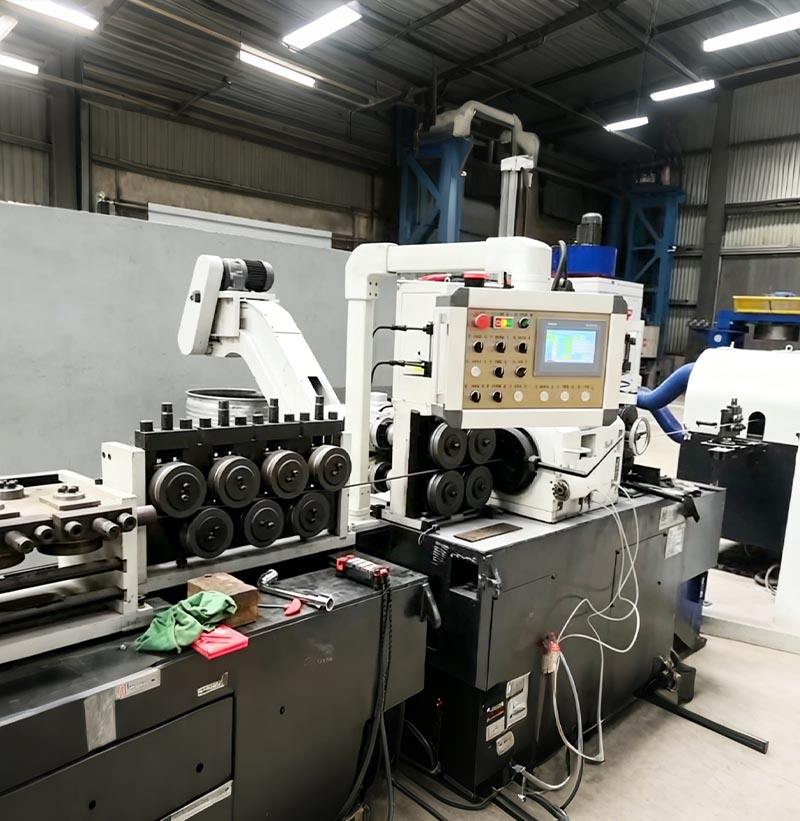
코일에서 바 형태로 가공하는 박피 및 직선화 라인
스테인리스강 와이어 로드는 코일을 풀고 예비 교정 작업을 거친 후, 센터리스 선반을 사용하여 껍질을 벗기고 정확한 길이로 절단합니다. 마지막으로 2롤 교정기를 통해 정밀 교정 작업을 거치면 고정밀 스테인리스강 직선봉이 완성됩니다.
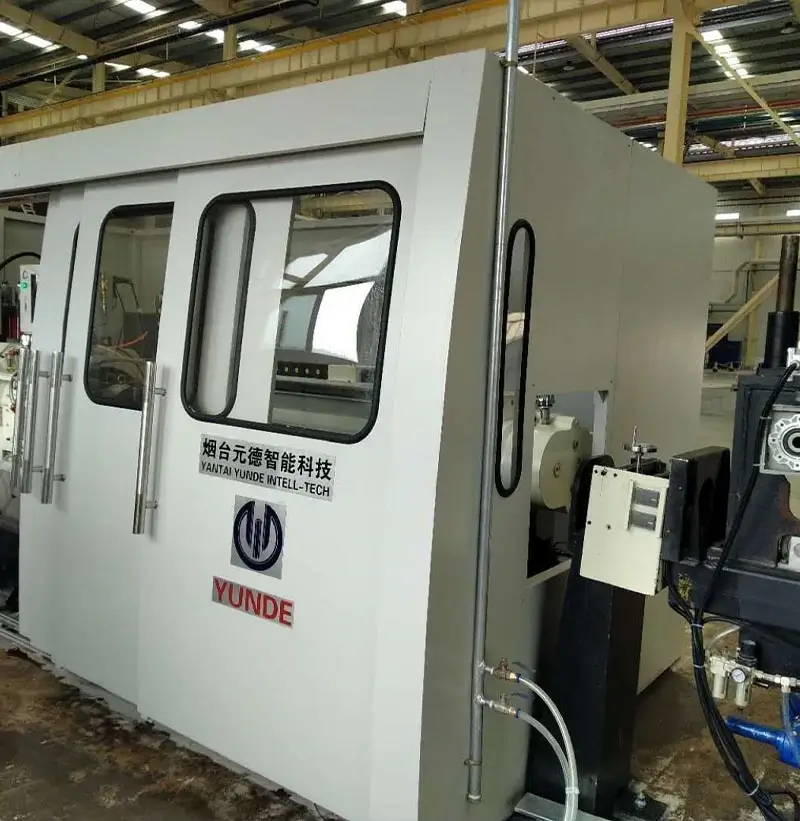
박피기(센터리스 선반)
박피기(무심 선반) 장치는 유사한 해외 제품의 장점을 비교 분석하고 국내 기업의 생산 특성을 고려하여 자체 개발한 제품으로, 간소화되고 최적화된 설계를 특징으로 합니다.
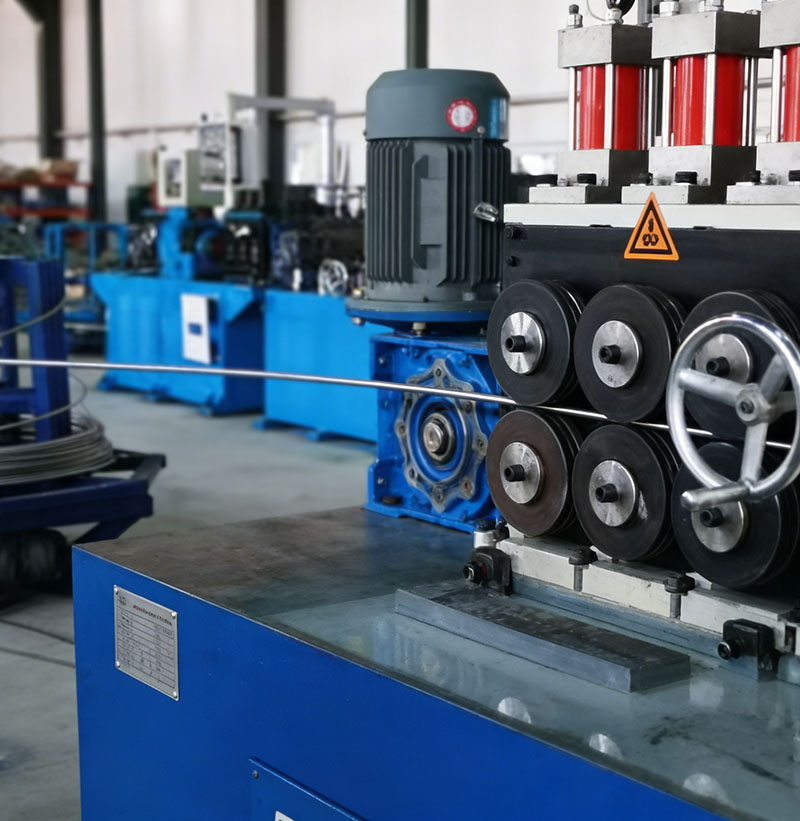
코일 투 코일 생산 라인
코일 생산 라인은 권취 및 교정기, 박피기, 클램핑 장치, 예비 벤딩 장치, 되감기 기계 등 일련의 기계로 구성됩니다. 이러한 기계들을 통해 검은색 코일 봉이 표면 품질이 우수한 밝은 색 코일 봉으로 가공됩니다.
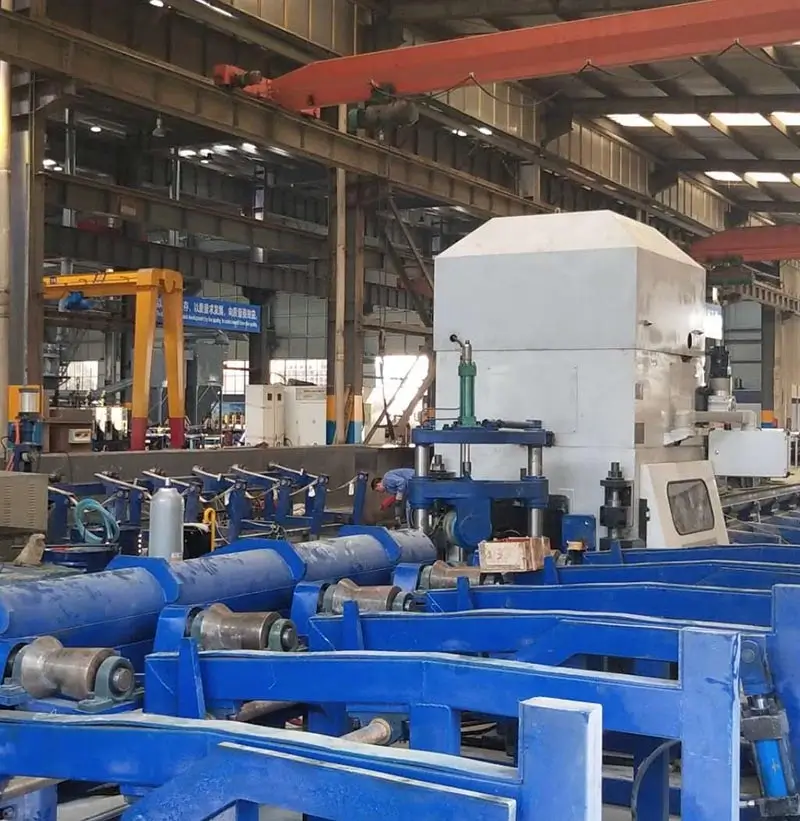
교정기 BS 시리즈
교정기는 금속 프로파일, 봉, 튜브 및 전선을 곧게 펴는 데 사용되는 장치입니다. 교정기는 교정 롤러를 사용하여 재료를 압축함으로써 직선도를 변경합니다. 일반적으로 교정 롤러는 두 줄로 배열되며 롤러의 개수는 다양합니다. 또한 두 개의 롤러(오목한 쌍곡선 모양)의 각도 변화를 이용하여 직경이 다른 재료를 곧게 펴는 2롤러 교정기도 있습니다.
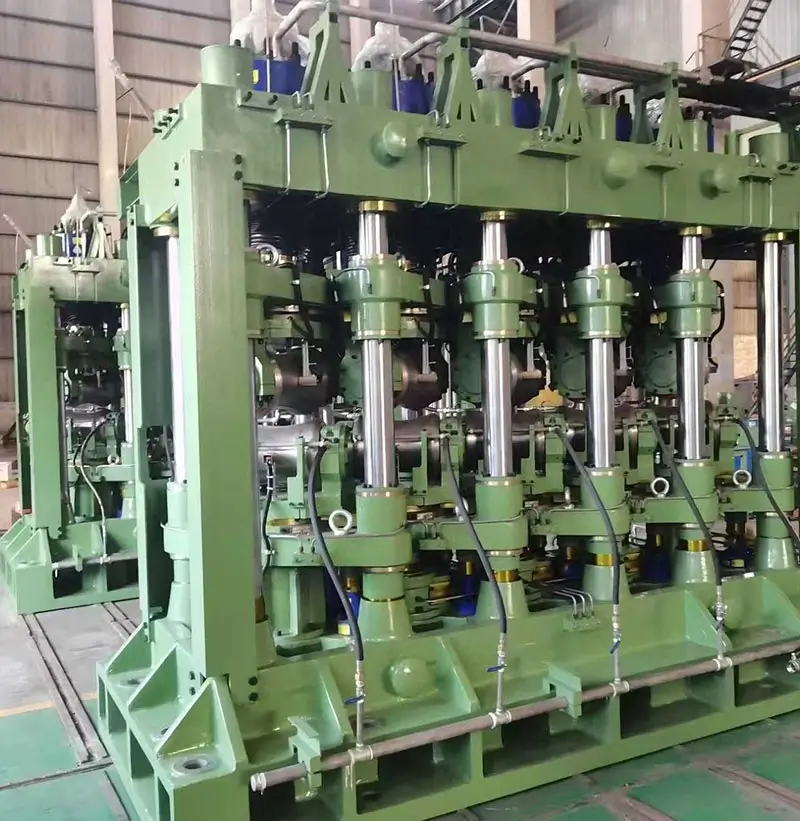
다롤 강관 교정기
강관의 곡률과 타원형 변형을 교정하는 데 사용되는 기계 장치입니다. 고합금강, 내식강, 내열강, 내열강 및 합금강, 철-니켈 합금, 니켈 및 티타늄 합금으로 만들어진 파이프의 종방향 비직선도와 단면 비원형도를 줄이는 데 사용됩니다.
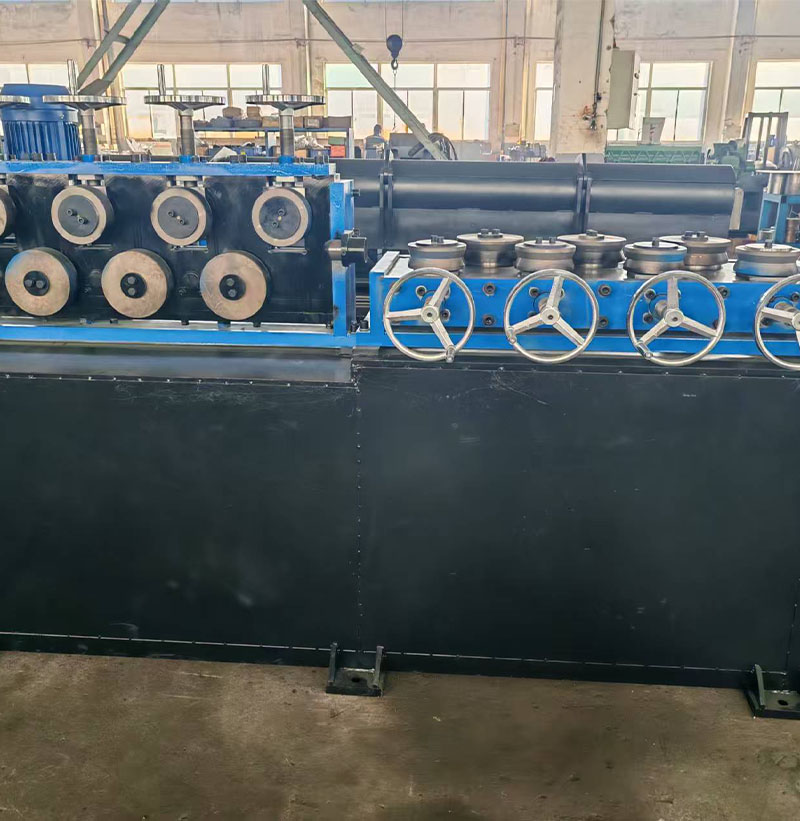
수평 및 수직 교정기
다롤 수평 및 수직 교정기의 핸드휠을 풀어 와이어 코일이 교정 롤러를 통과하도록 합니다. 핸드휠을 실험적으로 결정한 위치로 조이고 공급 장치를 작동시킨 후, 교정 작업을 반복합니다. 그런 다음 수평 교정과 동일한 절차에 따라 와이어 코일을 수직 교정 롤러에 공급합니다. 마지막으로 와이어 코일을 박피기의 공급 장치에 공급합니다.