
SOBRE NOSOTROS
Yantai Yunde Intelligent Technology Co., Ltd. cuenta con tan solo 30 años de experiencia en producción, ha prestado servicios a más de 300 clientes nacionales y extranjeros, y ha fabricado más de 2.000 máquinas.
SOLICITE UN PRESUPUESTO GRATUITO
-
Hogar

-
Blog
-
Blogs del sector
- How Does a Round Bar Straightening Machine Improve Automotive Component Precision

How Does a Round Bar Straightening Machine Improve Automotive Component Precision
-
autor
- 6,agosto
 autor
autor 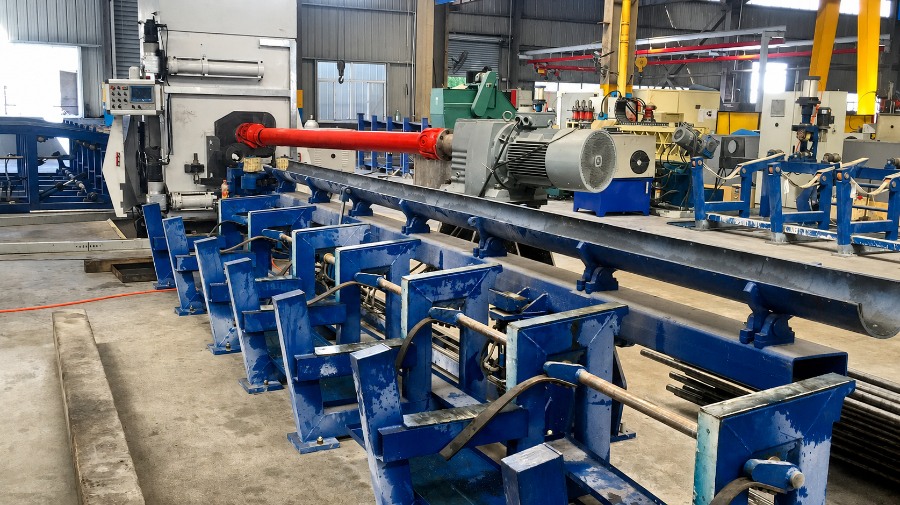
Introducción
Manufacturers of automotive and hydraulic components need metals with precise dimensions. These materials must also have high surface quality and stable processing performance. Components such as shafts, rods, and hydraulic parts rely on precisely processed steel bars. This preparation is required before machining and assembly. Even tiny bends can make cutting much harder. These small flaws also affect the final part’s work.
En yunde, we manufacture equipment for round steel finishing. Our machines include peeling machines and polishing systems. We make these for bars, rods, shafts, and steel pipes. A good round bar straightening machine does more than correct bending deformation. It also plays an important role in producing high-precision bright bars. These bright bars are essential for precision manufacturing applications.
Why Does Precision Straightening Matter for Automotive and Hydraulic Components?
Today’s automotive and hydraulic systems require metal parts with precise geometry and stable performance. They must also work without fail. While making them, steel bars might bend. This bending may occur after rolling, drawing, or surface processing. Without proper straightening, uneven materials can affect machining accuracy. It can also slow down building steps and ruin part matching.
A precision bar straightening machine improves the straightness of metal bars. It does this by applying controlled roller pressure. This process helps manufacturers prepare materials for demanding applications. In these applications, maintaining precise dimensions is essential. For hydraulic rods and automotive shafts, improved straightness supports more stable machining. It also brings safer daily operation.

What Is a Round Bar Straightening Machine and How Does It Work?
A round bar straightening machine uses multiple straightening rollers. These rollers put set pressure on the metal. This action fixes bends along the whole length of the item. The straightening rollers adjust the material shape through continuous contact. Thus, the machine can process different diameter ranges. At the same time, it maintains stable processing accuracy.
The straightening unit is built with roller setups. These parts can process round bars, pipes and tubes. The machine uses constant pressure load control. It also features flexible frame structures and hydraulic systems. These features work together to improve processing stability. Thanks to these tech updates, a bars straightening machine can process high-strength materials. It does this while reducing deformation during processing.
For precision metal manufacturers, this working principle is critical. The reason is that straightness affects later steps. These steps include cutting, grinding, and shaping.
How Does a Steel Bar Straightening Solution Improve Bright Bar Production?
A full steel bar straightening solution mostly works with peeling and finishing steps. Hot-rolled round steel may contain surface defects. These defects include oxide layers, cracks, and decarburized layers. First, peeling takes away these bad surface marks. After that, precision straightening boosts the final shape of the metal.
The normal path involves peeling, polishing, and precision straightening. This process produces bright bars with improved surface quality and straightness. This integrated method is widely used in automotive manufacturing, hydraulic component production, precision machining, and other industrial applications.
YUNDE’s bright bar straightening equipment is designed for processing long round metal materials. These items cover bars, rods, and steel pipes. By mixing better surfaces with straightness checks, manufacturers can get steadier metal traits. This steady quality helps a lot in later making steps.
What Specifications Should Buyers Consider When Selecting Equipment?
Selecting the right straightening machine requires evaluating the diameter range. Buyers must also check feeding speed, straightness requirements, and material specifications. The BS line offers varied models for different bar sizes.
| Modelo | Rango de diámetro | Velocidad de alimentación | Rectitud | Principal Total Power | Estructura |
| BS40 | Φ10~Φ40 mm | 10~35 m/min | 0,15 mm/m | 22*2 kw | Estructura del armazón |
| BS60 | Φ15~Φ60 mm | 10~30 m/min | 0,20 mm/m | 30*2 kw | Estructura del armazón |
| BS80 | Φ20~Φ80 mm | 10~24 m/min | 0,25 mm/m | 37*2 kw | Estructura del armazón |
| BS100 | Φ25~Φ100 mm | 10~24 m/min | 0,30 mm/m | 45*2 kw | Estructura del armazón |
| BS130 | Φ35~Φ130 mm | 10~20 m/min | 0,35 mm/m | 75*2 kw | Estructura del armazón |
| BS160 | Φ40~Φ160 mm | 10~20 m/min | 0,40 mm/m | 90*2 kw | Estructura del armazón |
These details let buyers pick the right tools. They can choose based on material diameter and production requirements.
How Does a Hydraulic Component Straightening Machine Support Precision Manufacturing?
Hydraulic components require strict control of alignment and dimensional accuracy. A hydraulic component straightening machine aids manufacturers in getting bars and tubes ready. It gives them better straightness before cutting and building begins.
In hydraulic and pneumatic applications, material quality directly affects the stability of finished components. The straightening process helps reduce material deviation. It also gives a much more solid base for exact making.
YUNDE equipment is used in many fields. These include automotive manufacturing, hydraulic and pneumatic components, mechanical manufacturing, and precision metal processing. A BS100 tool given to a Chinese steel plant buyer finished its test run. It then entered production operation. This installation demonstrates practical application in large-scale industrial production.
Why Is Professional Bright Bar Straightening Equipment Important?
Picking bright bar straightening equipment takes some thought. Buyers should consider processing stability, machine capability, and long-term production requirements. The machine should fit the metal size. It must also meet the required accuracy and the production workflow.
YUNDE works hard on building metal finishing tools. We make these for bright steel, bars, rods, and steel pipes. Our straightening machines are designed to support efficient production with stable performance. They offer steady results and expert tech backup.

Conclusión
Precision straightening has become a vital step. It is essential for automotive and hydraulic component manufacturing. A reliable round bar straightening machine improves material accuracy. It also aids cutting steadiness. This helps manufacturers build better metal parts.
You might need a single straightening machine or a full steel bar straightening solution. Either way, picking the right machine for your needs is a must. With modern bright bar straightening equipment, manufacturers can gain better control over metal quality. They can also boost their total working speed.
Preguntas frecuentes
What affects the price of a round bar straightening machine?
The cost relies on a few things. These include the chosen model, diameter range, and automation requirements. Output speed and custom requests also shift the price. Buyers should select equipment based on their actual production requirements.
What industries use hydraulic component straightening machines?
They are widely used in hydraulic and pneumatic component manufacturing. Car output and machine cutting also use them heavily. Other fields needing precision metal components rely on them too.
What service support is available after purchasing a bars straightening machine?
Tech backup can include setup help and starting aid. We also offer worker training and long-term tech care. YUNDE gives expert help to let buyers keep their tools running well.
Publicación reciente

Productos relacionados
Productos más vendidos
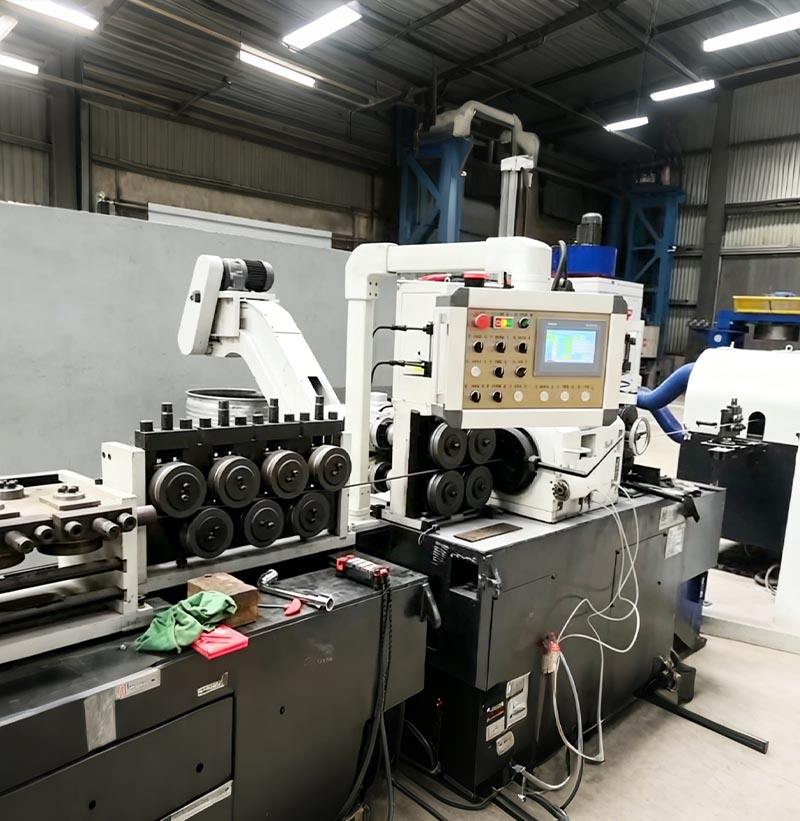
Línea de enderezamiento de bobina a barra
La varilla de alambre de acero inoxidable se desenrolla y se endereza previamente, luego se pela con un torno sin centros y se corta a la longitud precisa. Tras un último enderezamiento de precisión mediante una enderezadora de dos rodillos, el producto resultante es una barra recta de acero inoxidable de alta precisión.
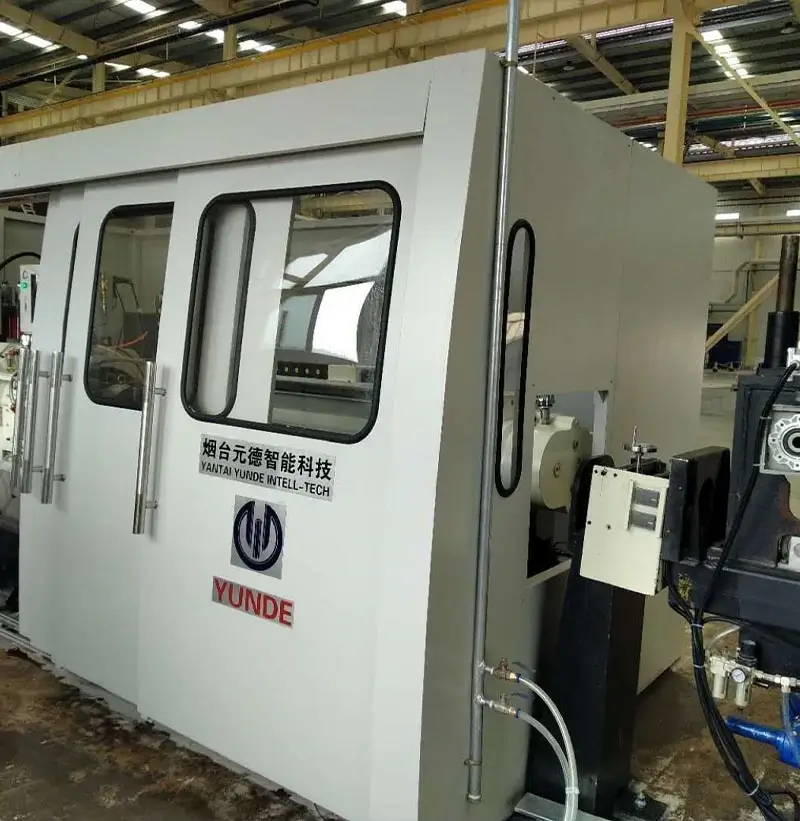
Máquina peladora (torno sin centros)
La unidad de pelado (torno sin centros) es un producto desarrollado de forma independiente tras comparar las ventajas de productos extranjeros similares y combinarlas con las características de producción de las empresas nacionales, lo que dio como resultado un diseño simplificado y optimizado.
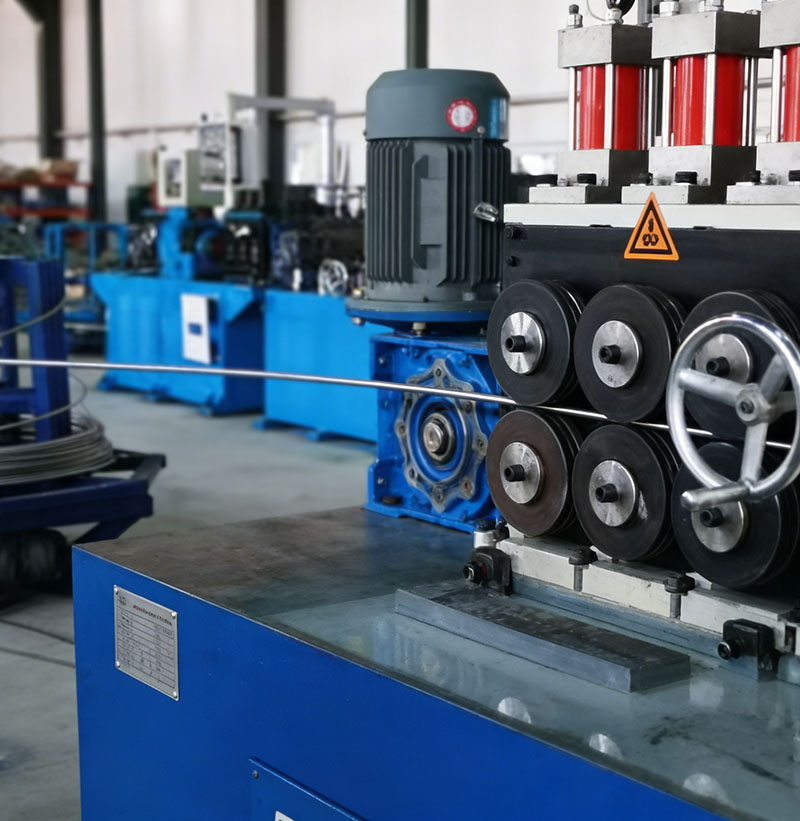
Línea de producción de bobina a bobina
La línea de producción de bobina a bobina es una serie de máquinas que incluyen una máquina desenrolladora y enderezadora, una máquina peladora, un mecanismo de sujeción, un dispositivo de precurvado, una máquina rebobinadora, etc. Mediante estas máquinas, la varilla de bobina negra se procesará para obtener una varilla de bobina brillante con una buena calidad superficial.
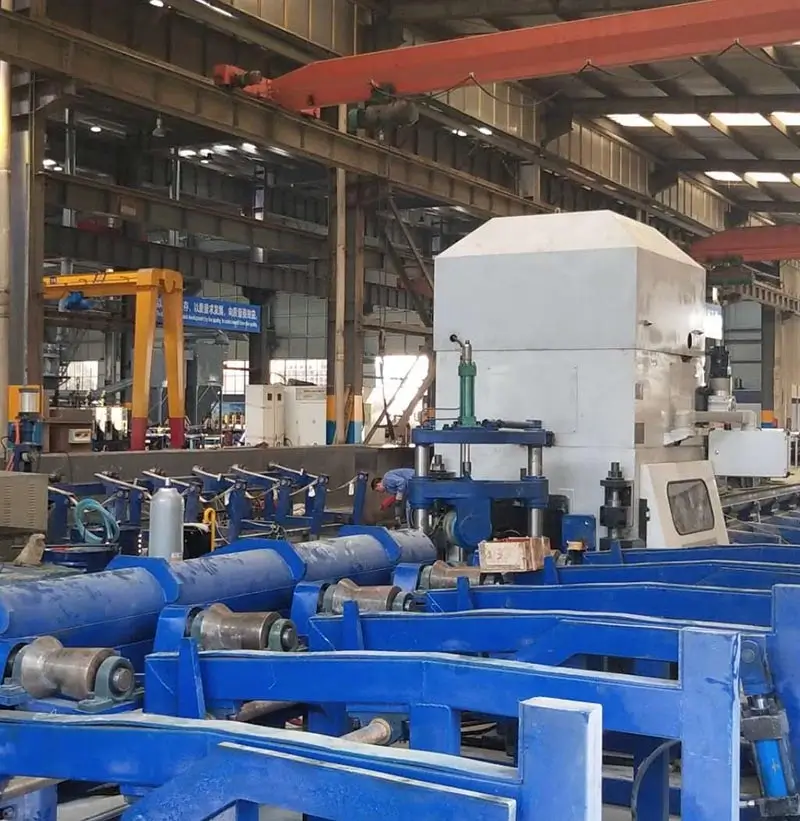
Máquina enderezadora serie BS
Una enderezadora es un dispositivo que se utiliza para enderezar perfiles, barras, tubos y alambres metálicos. La enderezadora utiliza rodillos enderezadores para comprimir el material y modificar su rectitud. Generalmente, cuenta con dos filas de rodillos enderezadores, con un número variable de ellos. También existen enderezadoras de dos rodillos, que se basan en el cambio de ángulo de dos rodillos (de forma cóncava e hiperbólica) para enderezar materiales de diferentes diámetros.
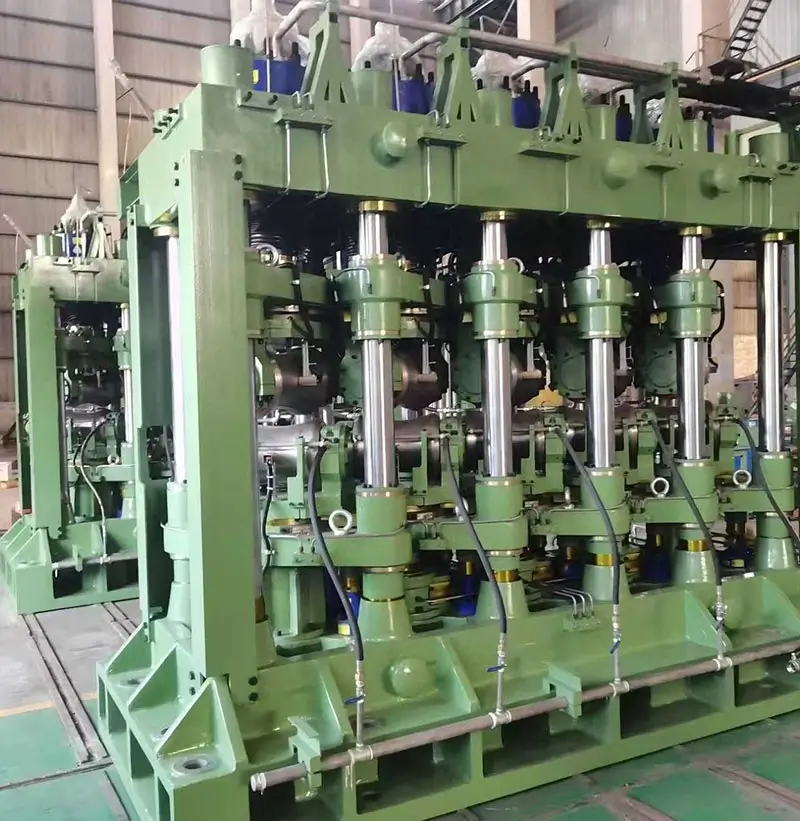
Máquina enderezadora de tubos de acero de rodillos múltiples
Es un dispositivo mecánico que se utiliza para corregir la curvatura y la ovalidad de las tuberías de acero. Se emplea para enderezar tuberías fabricadas con acero de alta aleación, resistente a la corrosión y al calor, así como con aleaciones de hierro-níquel, níquel y titanio, con el fin de reducir la falta de rectitud longitudinal y la falta de redondez transversal.
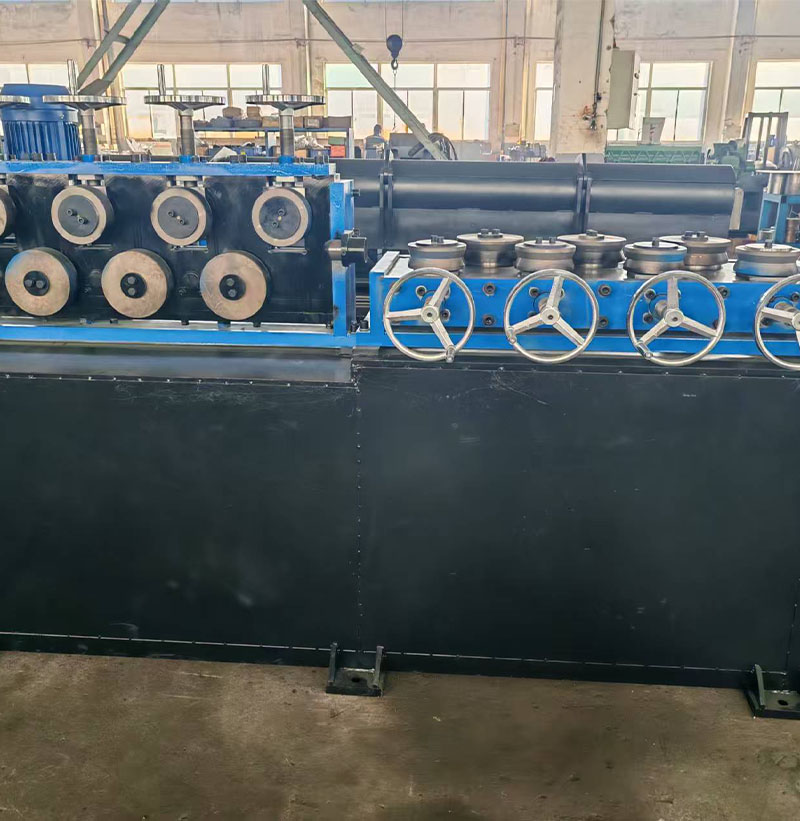
Máquina enderezadora horizontal y vertical
Suelte el volante de la enderezadora horizontal y vertical multirrodillo para que la bobina de alambre pase a través de los rodillos enderezadores. Apriete el volante hasta la posición determinada empíricamente, active el alimentador y realice varias pruebas de enderezamiento. A continuación, introduzca la bobina de alambre en los rodillos enderezadores verticales, siguiendo el mismo procedimiento que para el enderezamiento horizontal. Finalmente, introduzca la bobina de alambre en el alimentador de la desmoldadora.