
SOBRE NÓS
A Yantai Yunde Intelligent Technology Co., Ltd. possui apenas 30 anos de experiência em produção, atendeu mais de 300 clientes nacionais e estrangeiros e produziu mais de 2.000 máquinas.
SOLICITE UM ORÇAMENTO GRÁTIS
-
Lar

-
Blog
-
Blogs do setor
- Peeled Bar vs Ground Bar: What Is the Difference?

Peeled Bar vs Ground Bar: What Is the Difference?
-
autor
- 20,Novembro
 autor
A bright bar can arrive ready for its final application or with substantial machining still ahead. That difference matters more than its shine. Peeled bar — the condition Yunde supplies as bright bar — has its outer layer cut away on a peeling machine; ground bar has a surface produced by abrasive grinding. For distributors, bright-bar producers and component manufacturers comparing the two, the key question is whether the supplied outside diameter will remain on the finished part.
How each process creates the bar surface
Peeling cuts away the outer layer
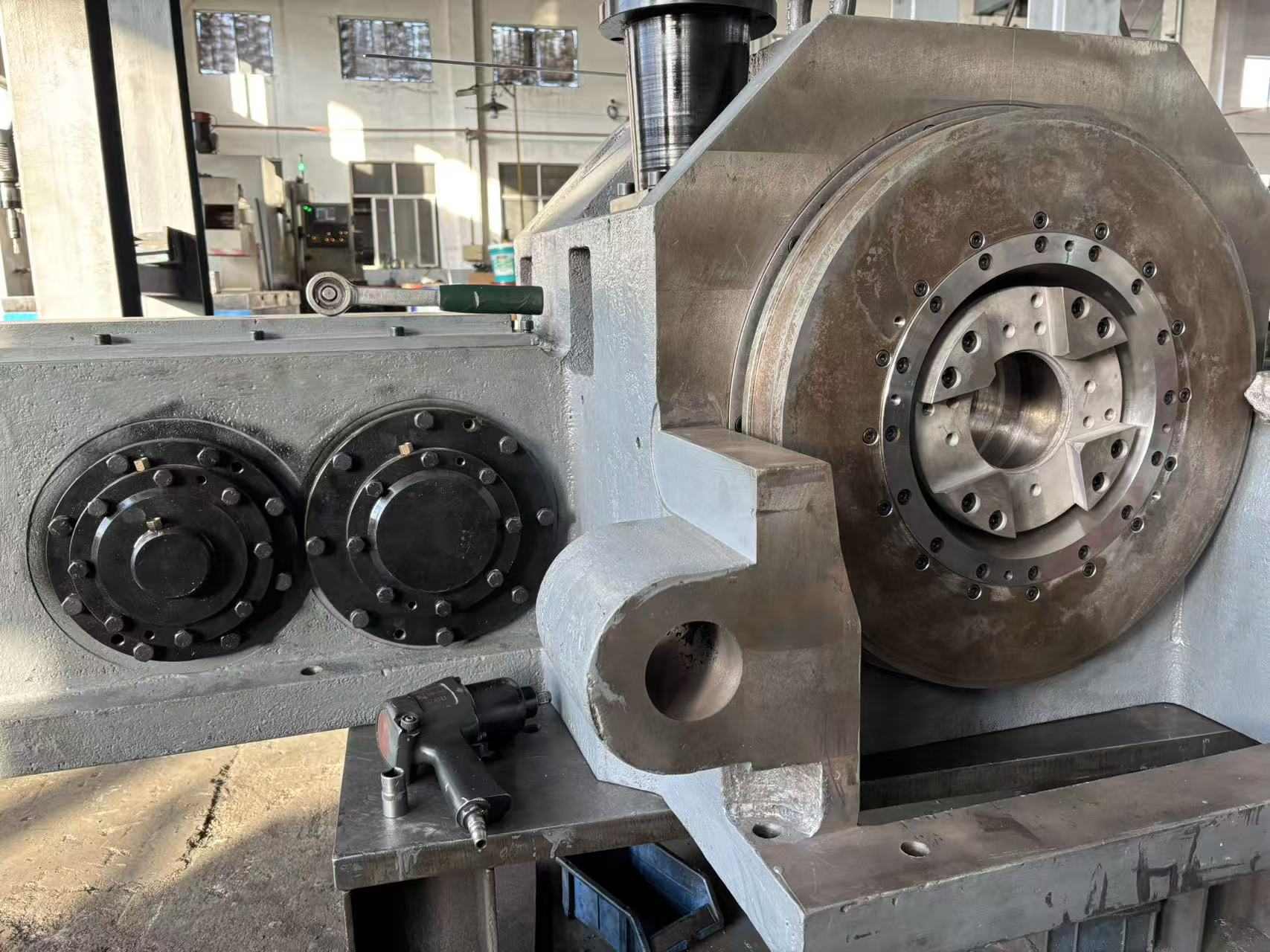
UM máquina de descascar barras removes material with cutting tools held in a rotating head while the bar is fed through the machine under hydraulic clamping. The cut removes the outer layer that may contain scale, decarburized material and surface defects, leaving a bright, machined surface.
Defect removal depends on how deep the cut reaches. A crack extending below the removed layer can remain, so brightness alone cannot establish that a bar is free of defects. The required removal must also leave enough material for the intended diameter and subsequent machining.
Grinding removes metal with abrasive grains
Grinding uses abrasive grains on a wheel to remove metal and establish the surface. Fine grinding can provide closer dimensional control and lower surface roughness for applications that need them, which is why Yunde positions its peeling plus precision straightening line as an alternative to conventional lathe turning combined with centerless rough grinding. Ground bar is therefore useful when the supplied outside diameter is close to the surface required in service.
The two descriptions can apply to successive stages of the same bar. Material may be peeled first and ground afterward. In that route, peeling removes the original surface layer, while grinding produces the specified final surface and, where a tighter class is called for, the final diameter. On Yunde’s line the finish most bar applications require is reached without a grinder: peeling brings the bar to a diameter tolerance of ≤IT8 and Ra ≤ 1.6 μm; precision straightening then takes straightness to 0.10–0.40 mm/m, depending on model, and surface finish to Ra ≤ 0.8 μm; belt polishing completes the surface.

The differences that matter after delivery
The remaining machining gives each surface condition its value. A shop turning an entire shaft has a different need from one retaining the supplied outside diameter. Both may need bright stock, yet the second application makes the delivered surface a much more direct part of the finished result.
The table below sets out where the two conditions actually differ once the bar leaves the peeling or grinding line.
| Comparison | Peeled bar | Ground bar |
| Removal method | Cutting tools remove the outer layer | Abrasive grains remove metal |
| Main purpose | Remove the original surface and prepare round stock | Control the supplied diameter and surface |
| Downstream role | Often a starting point for component machining | Useful where little outside machining remains |
| Possible sequence | Can precede grinding | Can follow peeling |
| What needs confirmation | Removal depth and remaining allowance | Specified tolerance and surface roughness |
UM barra de aço descascada can be the appropriate finished supply condition for the job. If its surface is acceptable for the next operation, grinding adds a step without resolving a remaining requirement. Where the drawing does call for a finer finish, Yunde reaches it by precision straightening and belt polishing rather than by adding a grinding step; grinding is specified only when the drawing calls for a class the peeling and straightening line does not cover.

Why the process name does not define accuracy
Surface roughness and diameter tolerance describe different features. Roughness concerns surface texture; diameter tolerance defines the permitted size variation. A bright surface does not tell you either value. A low roughness result also does not, by itself, confirm straightness or roundness.
Ground bar is available in different finishing classes, so the word ground does not promise one accuracy level. A machine turned and peeled bar also needs a defined dimensional specification. Comparing the actual requirements is more useful than assuming every ground product outperforms every peeled product.
Descascamento de barra must therefore be assessed as a controlled cutting operation. YUNDE manufactures peeling machines for machining the outside of long round metal stock. Their role is to remove surface material and produce bright bars; grinding capability or a grinding finish should not be inferred from that role.

Which surface will remain on the finished component?
When substantial machining follows
A shaft blank that will be turned down over its full length illustrates the tradeoff. The turning tool will remove the supplied surface anyway. Provided the peeled condition meets the starting-stock requirements, the shop needs clean material and enough allowance to machine the shaft; a finer ground outside surface may offer little benefit.
The allowance must cover both surface cleanup and the planned component shape. Too little stock can leave an area that does not clean up; unnecessary stock adds removal work. This is why the incoming condition and the next operation matter more than an attractive surface photograph.
When the supplied diameter will be retained
Ground stock deserves closer consideration when most of its outside surface will remain in the component. A pin blank requiring mainly end machining illustrates the difference. Here, the delivered diameter and surface roughness may carry directly into the finished part, provided they meet its drawing requirements.
A peel-then-finish route can address both needs when the original surface must be removed and a finer final finish is required. On Yunde’s line the finishing step is precision straightening plus belt polishing, which correct straightness and improve the surface rather than set the diameter; if a ground finish is specified, the grinding allowance belongs in the plan before peeling is completed. Otherwise, further metal removal could take the bar below the required size.
Three questions keep this comparison tied to the actual component:
- Will the supplied outside surface remain after machining?
- What diameter tolerance and surface roughness must that surface meet?
- Is sufficient material available for every planned removal step?
The useful distinction is the remaining work
The difference between peeled bar and ground bar becomes useful when it is connected to the next operation. Peeling cuts away the original outer layer. Grinding can then refine the surface and diameter if the component requires it. Check what material will remain, what will be removed and which surface requirements must survive into the finished part.
If you need help assessing the peeling stage for your bar material, please contact us.
Perguntas frequentes
Are peeled bar and ground bar the same material?
They can share the same steel grade, but the names describe different processing conditions. Grade and heat-treatment condition still need to be identified separately; a surface-process name does not specify them.
Does peeled bar always need grinding?
No. Bar peeling may already meet the surface requirements of the next operation. Further grinding is useful where the finished component needs a result the peeled condition does not provide.
Can a ground bar also have been peeled?
Yes. Peeling can remove the original outer layer before grinding establishes the final diameter and surface. The process sequence explains why the descriptions are not mutually exclusive.
Does a bright surface prove that all defects are gone?
No. Surface appearance cannot establish the depth of a remaining defect. Removal depth and appropriate inspection must support any claim that the relevant defects have been eliminated.
Is grinding always the better choice for machining stock?
No. If later turning removes the supplied outside surface, a finer finish may offer little value. Ground stock is more relevant when its delivered diameter or surface will be retained.
Postagem recente
Produtos relacionados
Produtos mais vendidos
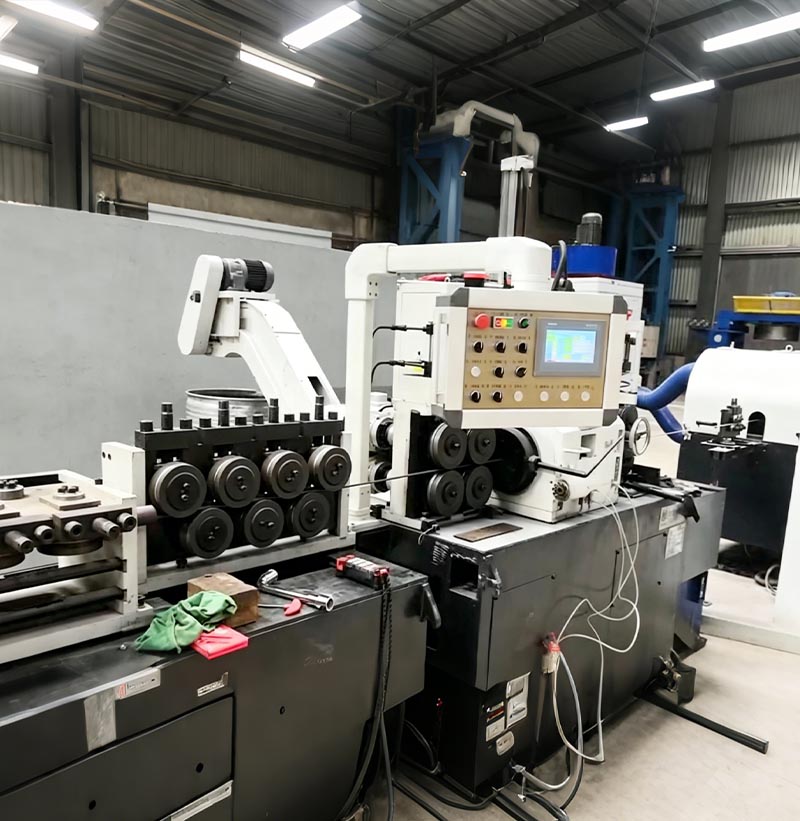
Linha de alinhamento de descascamento da bobina à barra
O fio-máquina de aço inoxidável é desenrolado e pré-endireitado, depois desbastado em um torno sem centros e cortado em um comprimento preciso. Após uma passagem final de endireitamento de precisão em uma endireitadeira de dois rolos, o produto resultante é uma barra reta de aço inoxidável de alta precisão.
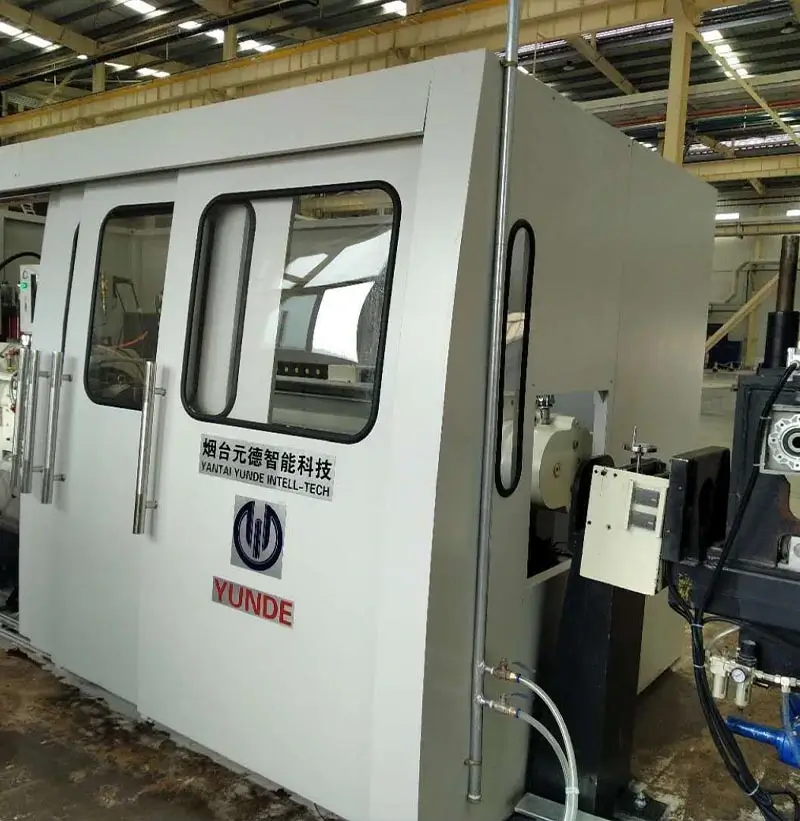
Máquina de descascar (torno sem centros)
A unidade de descascamento (torno sem centros) é um produto desenvolvido de forma independente após a comparação e o contraste das vantagens de produtos estrangeiros similares, combinando-as com as características de produção das empresas nacionais, resultando em um projeto simplificado e otimizado.
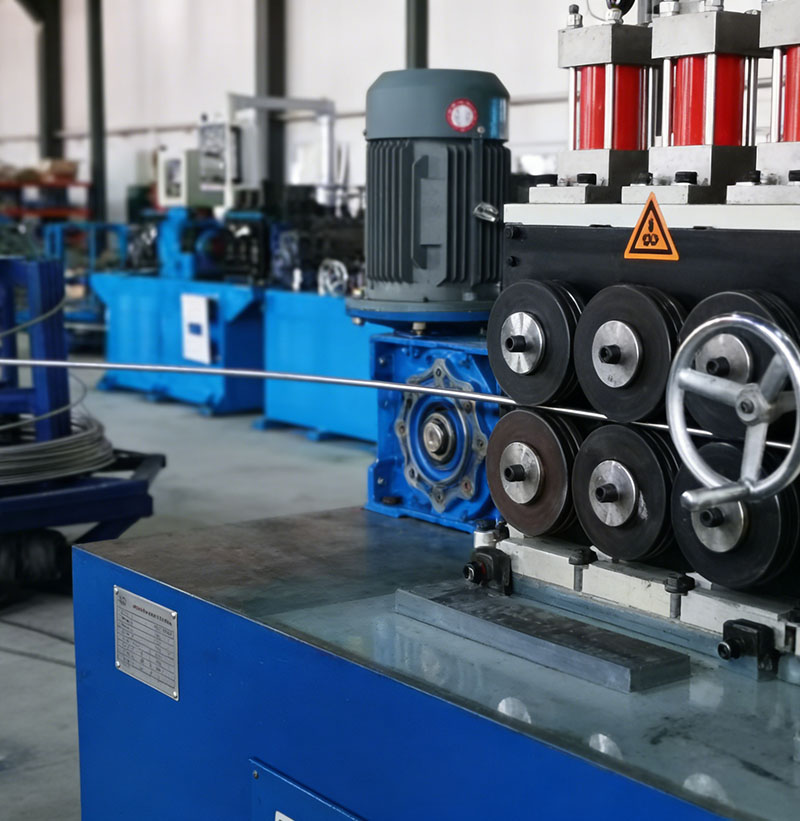
Linha de produção bobina a bobina
A linha de produção bobina a bobina é composta por uma série de máquinas, incluindo desenrolador e endireitador, descascador, mecanismo de fixação, dispositivo de pré-dobra, rebobinador, etc. Através dessas máquinas, a bobina preta é processada em bobina brilhante com boa qualidade de superfície.
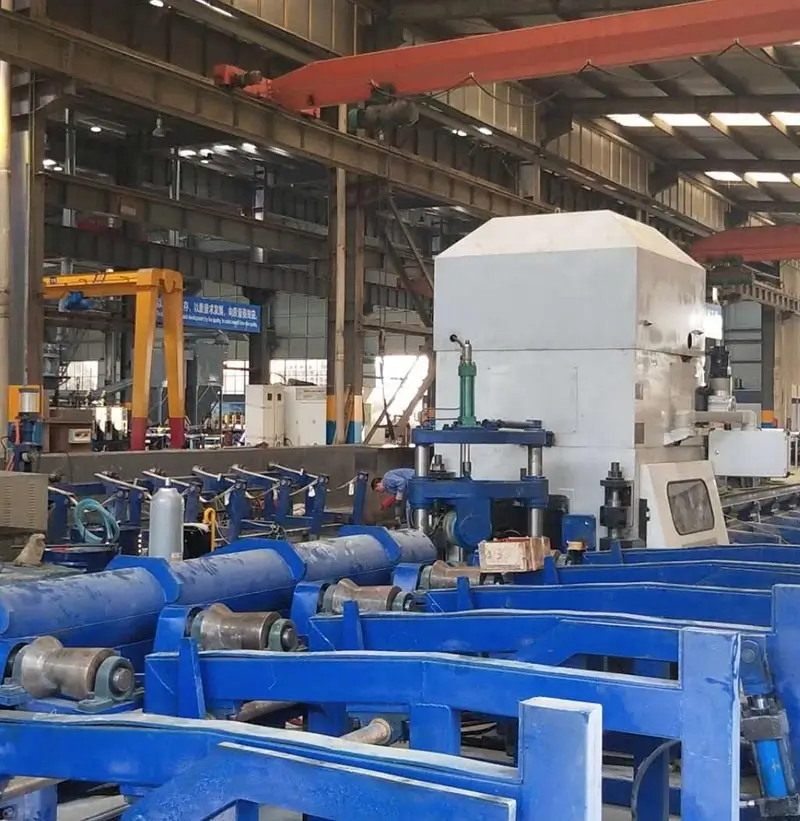
Máquina de endireitar série BS
Uma máquina de endireitar é um dispositivo usado para endireitar perfis metálicos, barras, tubos e fios. A máquina de endireitar utiliza rolos de endireitamento para comprimir o material, alterando sua retidão. Geralmente, existem duas fileiras de rolos de endireitamento, com números variáveis de rolos. Existem também máquinas de endireitar com dois rolos, que dependem da mudança de ângulo de dois rolos (com formato côncavo hiperbólico) para endireitar materiais de diferentes diâmetros.
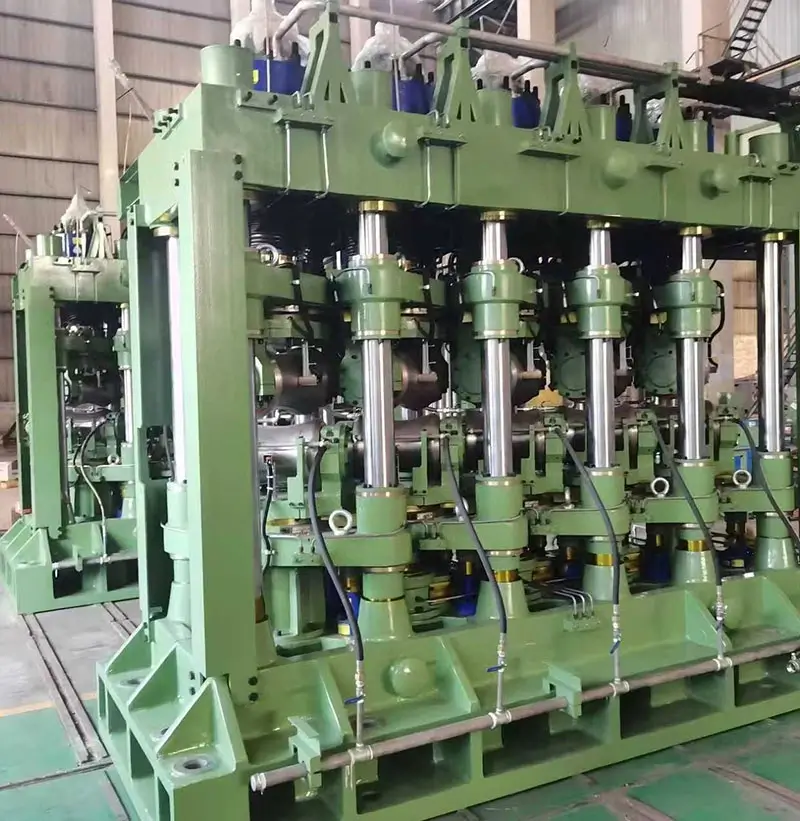
Máquina de endireitamento de tubos de aço com múltiplos rolos
É um dispositivo mecânico usado para corrigir a curvatura e a ovalização de tubos de aço. É utilizado para endireitar tubos feitos de aço e ligas de alta resistência, resistentes à corrosão e ao calor, bem como ligas de ferro-níquel, níquel e titânio, de modo a reduzir a não retilineidade longitudinal e a não circularidade da seção transversal.
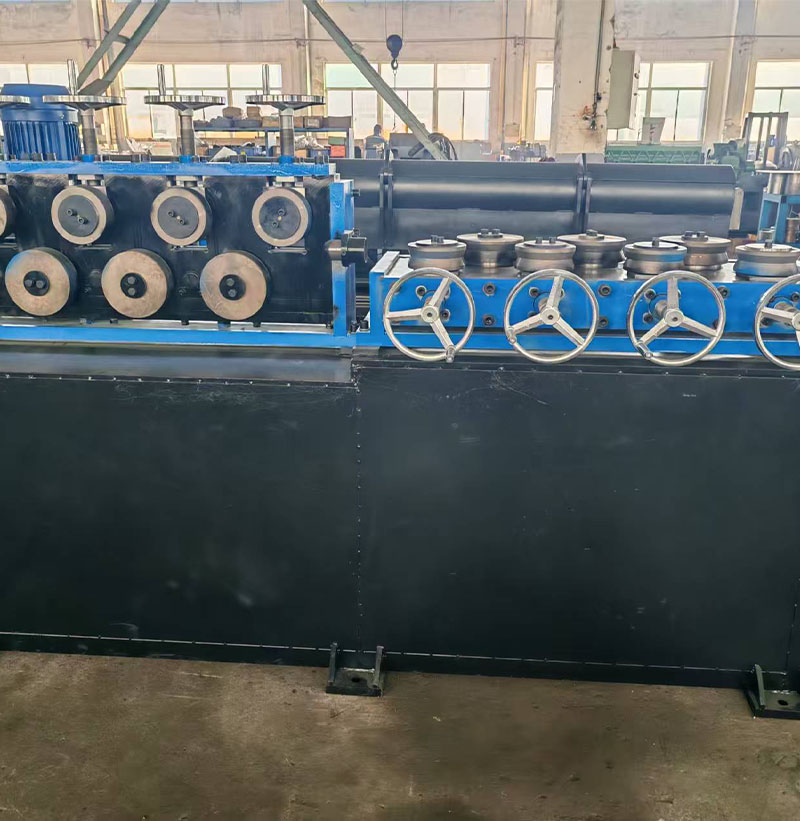
Máquina de endireitamento horizontal e vertical
Solte o volante da máquina de endireitar horizontal e vertical de múltiplos rolos para permitir que a bobina de arame passe pelos rolos de endireitamento. Aperte o volante até a posição determinada empiricamente, ligue o dispositivo de alimentação e realize testes de endireitamento repetidos. Em seguida, alimente a bobina de arame nos rolos de endireitamento vertical, seguindo o mesmo procedimento do endireitamento horizontal. Finalmente, alimente a bobina de arame no dispositivo de alimentação da máquina de descascar.