
О НАС
Компания Yantai Yunde Intelligent Technology Co., Ltd., обладающая 30-летним опытом производства, обслужила более 300 отечественных и зарубежных клиентов и выпустила более 2000 единиц оборудования.
ПОЛУЧИТЕ БЕСПЛАТНУЮ ЦЕНУ
-
Дом

-
Блог
-
Отраслевые блоги
- How Are Machine-Turned and Peeled Bars Produced

How Are Machine-Turned and Peeled Bars Produced
-
автор
- 13,Август
 автор
автор 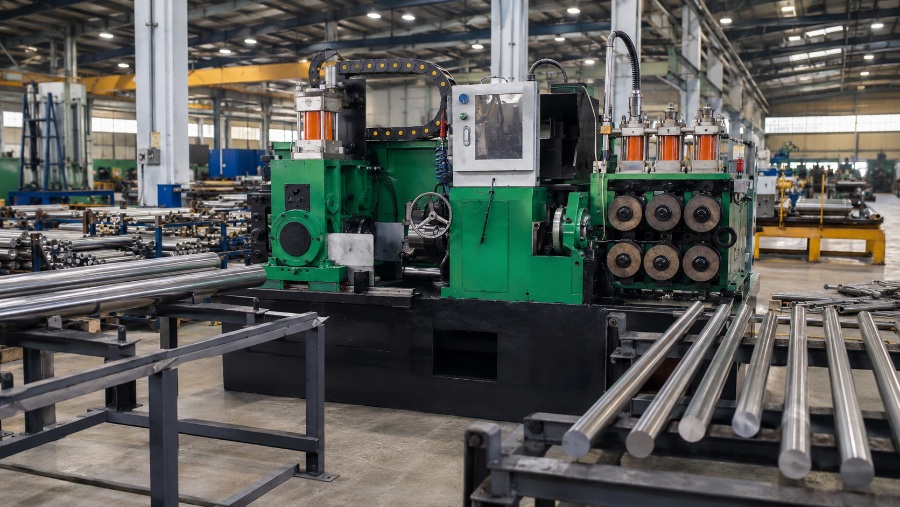
Введение
Buyers specify машинная обработка и очистка bars when they need controlled diameter, low surface roughness, and removal of defects left by hot rolling. A peeling machine achieves this result by removing a controlled outer layer while the bar moves through a controlled feed system. The buying decision therefore depends on incoming stock condition, removal allowance, finished size, throughput, and inspection—not on appearance alone.
What Does the Peeling Process Remove?
The process converts hot rolled round bars into bright bars by removing the defective surface layer through cutting rather than grinding. Yunde peeling machines are designed to remove scale, decarburized layers, cracks, and related surface defects from long round metal stock. The finished peeled steel bar can then move to downstream sizing or component machining with a cleaner, more consistent surface.
From Incoming Bar to Bright Stock
A stable sequence starts with inspection and trial cutting before normal production. Operators confirm material grade, diameter variation, straightness, hardness, and end preparation; set the finished diameter and single-side cutting depth; run a trial bar; then verify diameter and surface roughness. This sequence makes bar peeling a controlled machining step instead of a cosmetic finish.
Why Incoming Condition Still Matters
Incoming condition determines whether the planned allowance can fully remove defects without wasting sound metal. Bent stock, excessive ovality, inconsistent hardness, poor chamfering, or wide diameter variation can affect feeding stability and cutting load. Buyers should therefore provide representative samples and define both the worst incoming condition and the required finished bar, not only a nominal diameter.

How Does the Machine Control Size and Finish?
А машина для очистки брусков controls the cutting process through coordinated tool positioning, spindle rotation, clamping, and material travel. CNC configurations use PLC multipoint control, online electric tool adjustment, and closed-loop diameter control to respond to small incoming changes. The objective is repeatable metal removal, not a promise that one setting fits every material or bar condition.
Quality Targets Must Be Read Together
Yunde’s current PM range specifies diameter tolerance up to IT8 and surface roughness of Ra 1.6 μm or better across the listed models. ISO 286-1 defines tolerance classes for linear sizes, including cylinders, so IT8 is a class rather than one fixed micron value. Buyers must confirm the actual permitted deviation for each nominal finished diameter.
| Process checkpoint | What to control | Acceptance evidence |
| Incoming stock | Grade, hardness, diameter spread, straightness, surface defects | Sample inspection and agreed worst-case stock |
| Cutting setup | Finished diameter, removal allowance, single-side depth, feed rate | Approved first-bar measurements |
| Machine control | Tool position, clamping, spindle condition, stable travel | Consistent cut without feed or clamp marks |
| Final inspection | Diameter at several positions, Ra value, remaining visible defects | Inspection record tied to the production lot |
Which PM Range Fits the Production Plan?
Model selection should begin with the complete operating range, not only the maximum diameter listed in a brochure. The машина для очистки круглых прутков range runs from PM25 for Φ6–25 mm stock to PM350 for Φ150–350 mm stock. Listed minimum lengths rise from 1.2 m to 4.5 m, while model speeds and cutting depths change substantially as capacity increases.
The PM25 is listed at 1–30 m/min with 0.25–1 mm single-side cutting depth and a 22 kW main motor. The PM350 is listed at 0.2–2 m/min with 1–10 mm depth and a 200 kW main motor. Both automatic CNC and semi-automatic versions are listed, so automation level should match changeover frequency, staffing, and line integration.
Quotation Inputs That Prevent Rework
A useful inquiry defines the process window and the commercial boundary. Include these items before a steel peeling machine is sized:
*Material grades, length range, surface hardness range, surface roughness, diameter tolerance, incoming diameter range, ovality, straightness, and defect depth.
*Finished diameter and tolerance, target surface roughnessand removal allowance.
*Required output per shift, preferred automatic or semi-automatic control, and changeover pattern.
*Upstream feeding, downstream handling, inspection method, utilities, layout, and export destination.
These inputs also clarify whether a peeled steel bar will leave the machine as the final saleable product or continue into another operation. A round bar peeling machine inquiry that ignores stock variability may result in a technically correct quotation that does not match the actual production condition.

How Should Buyers Verify the Result?
Approve the Process, Not One Good Sample
Acceptance should cover repeatability across representative stock. Buyers can record incoming size, programmed cutting depth, feed rate, final diameter at multiple positions, Ra result, visible defect removal, and tool condition. A peeled bar sample is useful only when its settings and incoming material condition can be reproduced during production.
Plan Service and Packaging Before Shipment
Yunde lists a 12-month free warranty, long-term technical support, free operator training at the factory, response within 24 hours, and overseas installation, commissioning, and training support. Export packing uses moisture- and shock-resistant wrapping with plywood or wood cases, trays, and reinforcement. Buyers should confirm the exact service scope and packing plan in the order.
Plan Your Peeling Project
Send Yunde your material specification, material bar diameters range, length range, tensile strength, surface hardness, straightness, and the roundness, surface roughness, diameter tolerance grade of the raw material and request of the peeled bar; cutting depth, throughput, and production layout. We can use those inputs to match the PM operating range, define a trial plan, and prepare a quotation without mixing requirements from unrelated machines.
Часто задаваемые вопросы
What defects can peeling remove from a round bar?
Peeling can remove the planned outer layer containing scale, decarburized material, cracks, and similar surface defects. Removal depth must exceed the defect depth while preserving enough stock to meet the finished diameter.
Is a peeled steel bar the same as a ground bar?
No. A peeled steel bar is produced by cutting away the surface layer. Grinding uses abrasive contact and is a different process. The correct choice depends on defect depth, stock allowance, required tolerance, and the downstream route.
How much material should a peeling pass remove?
The allowance should be based on the deepest defect, incoming diameter spread, and finished size. Yunde PM models list different single-side depth ranges, so the trial must stay within the selected machine and tool setup.
What does a steel peeling machine quotation require?
A steel peeling machine quotation requires material grade hardness, straightness, tensile strength, incoming and finished diameters, diameter tolerance requirement, surface roughness Ra target, length, output, automation preference, layout, utilities, inspection method, and destination. Samples help verify difficult stock.
What support follows round bar peeling machine delivery?
Round bar peeling machine support can include installation guidance, commissioning, operator training, warranty service, and long-term technical support. Confirm who supplies travel, utilities, foundations, test material, and acceptance instruments before shipment.
Последняя публикация

Сопутствующие товары
Самые продаваемые товары
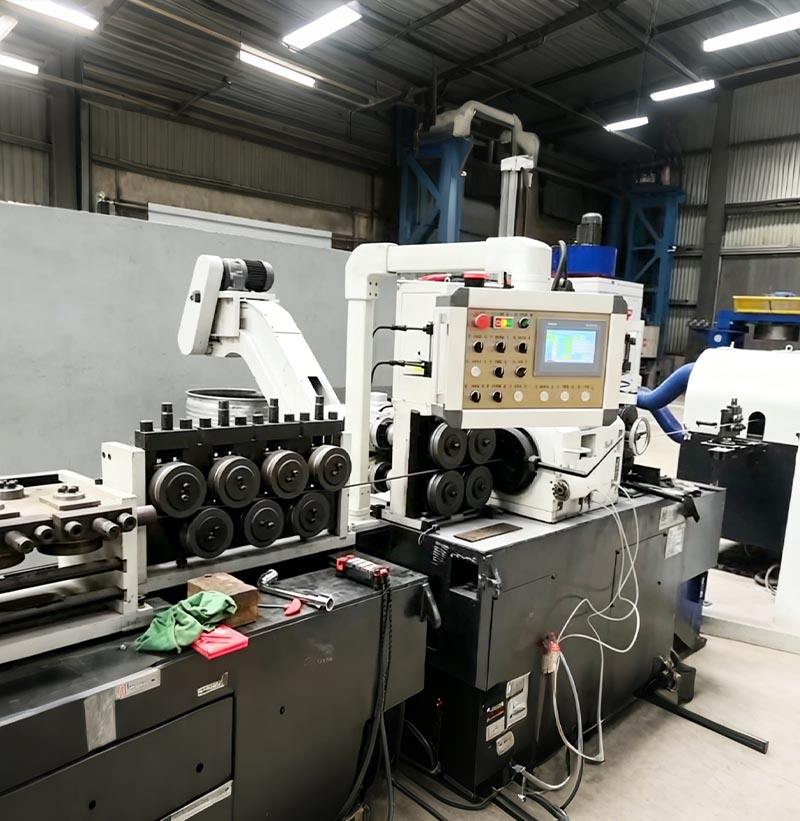
Линия выравнивания при отслаивании рулона от прутка
Проволока из нержавеющей стали разматывается и предварительно выпрямляется, затем очищается с помощью бесцентрового токарного станка и нарезается на точно заданную длину. После окончательной прецизионной правки на двухвалковом правильном станке получается высокоточный прямой стержень из нержавеющей стали.
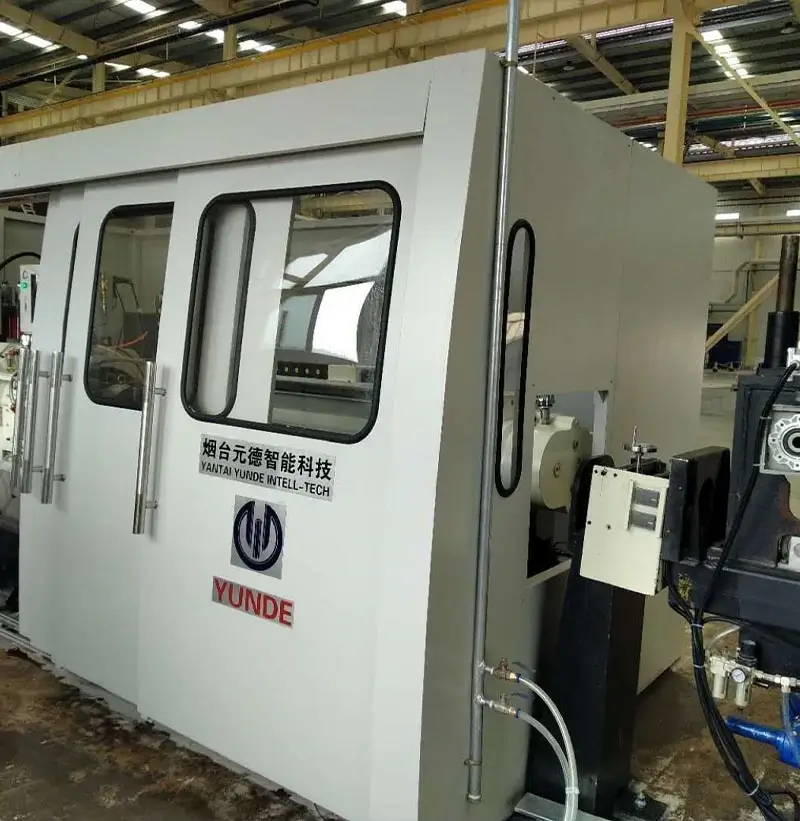
Станок для очистки (бесцентровый токарный станок)
Станок для лущения (бесцентровый токарный станок) — это изделие, разработанное собственными силами после сравнения преимуществ аналогичных зарубежных изделий и их сочетания с производственными особенностями отечественных предприятий, что привело к упрощению и оптимизации конструкции.
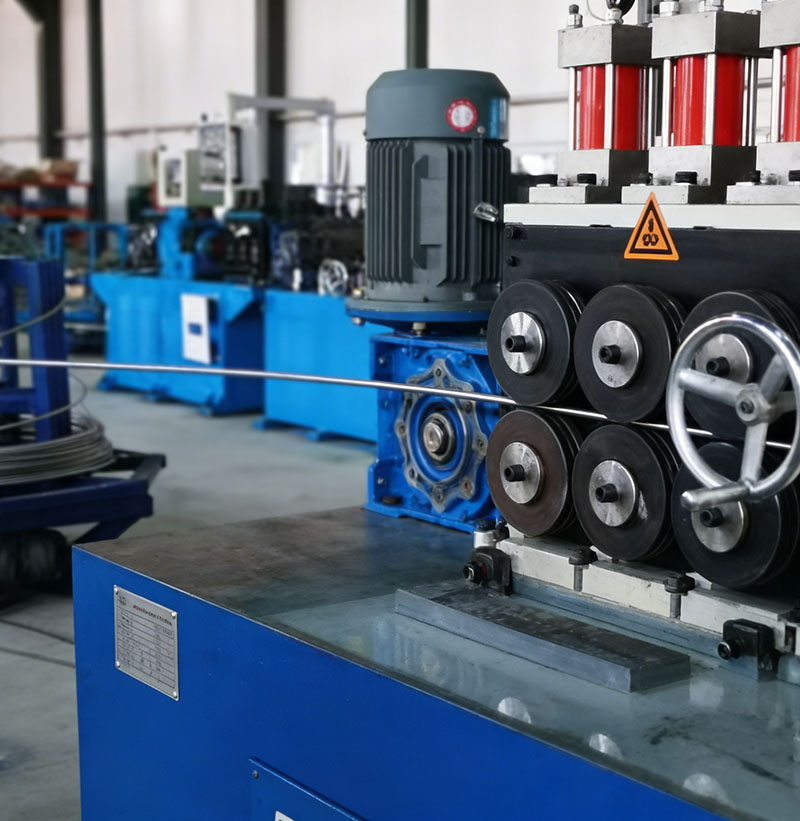
Линия по производству рулонов
Линия по производству рулонов представляет собой комплекс оборудования, включающий в себя размоточную и правильную машины, лущильную машину, зажимной механизм, устройство предварительной гибки, намоточную машину и т. д. С помощью этого оборудования черный рулонный пруток перерабатывается в светлый рулонный пруток с хорошим качеством поверхности.
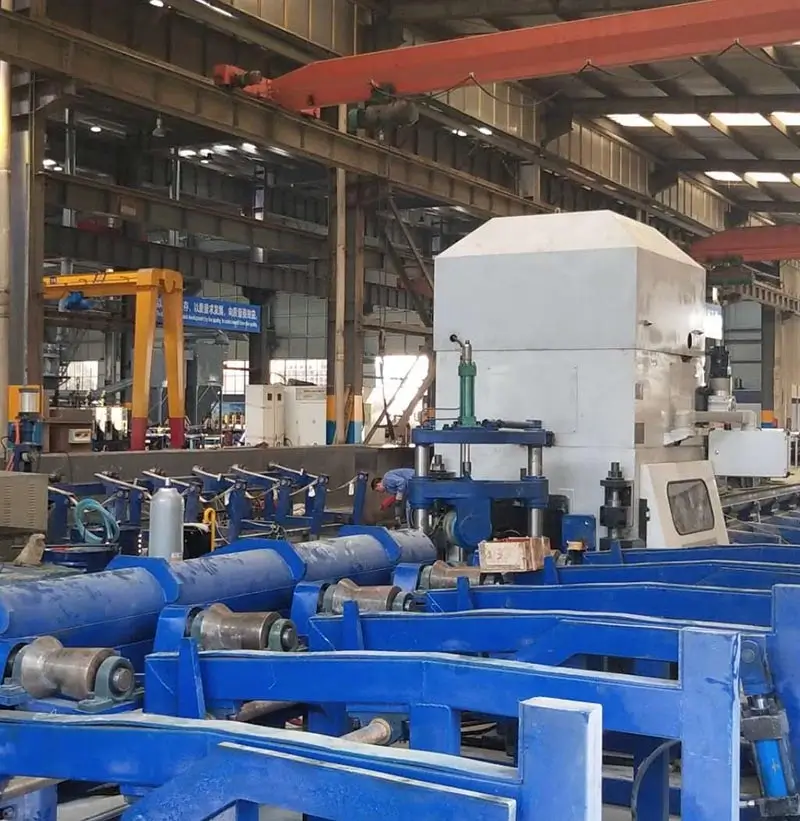
Выпрямительная машина серии BS
Выпрямительная машина — это устройство, используемое для выпрямления металлических профилей, прутков, труб и проволоки. Выпрямительная машина использует выпрямляющие ролики для сжатия материала, изменяя его прямолинейность. Обычно она имеет два ряда выпрямляющих роликов с различным количеством роликов. Существуют также двухроликовые выпрямительные машины, которые используют изменение угла двух роликов (имеющих вогнутую, гиперболическую форму) для выпрямления материалов разного диаметра.
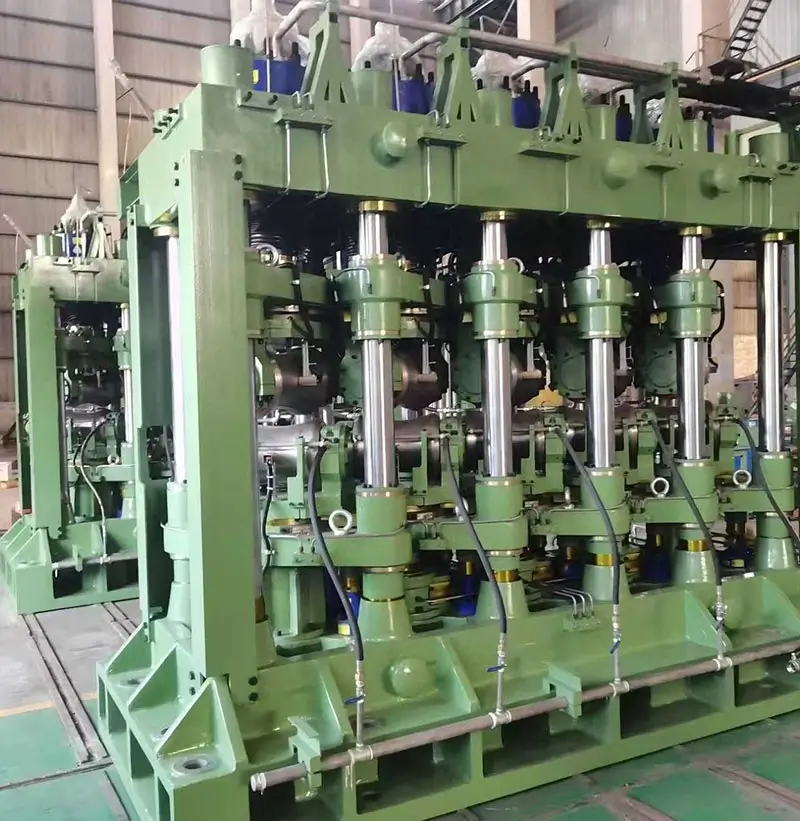
Многовалковый станок для выпрямления стальных труб
Это механическое устройство, используемое для выпрямления кривизны и овальности стальных труб. Оно применяется для выпрямления труб из высоколегированной, коррозионностойкой, жаростойкой стали, а также легированных железо-никелевых, никелевых и титановых сплавов, с целью уменьшения продольной непрямотности и поперечной некруглости.
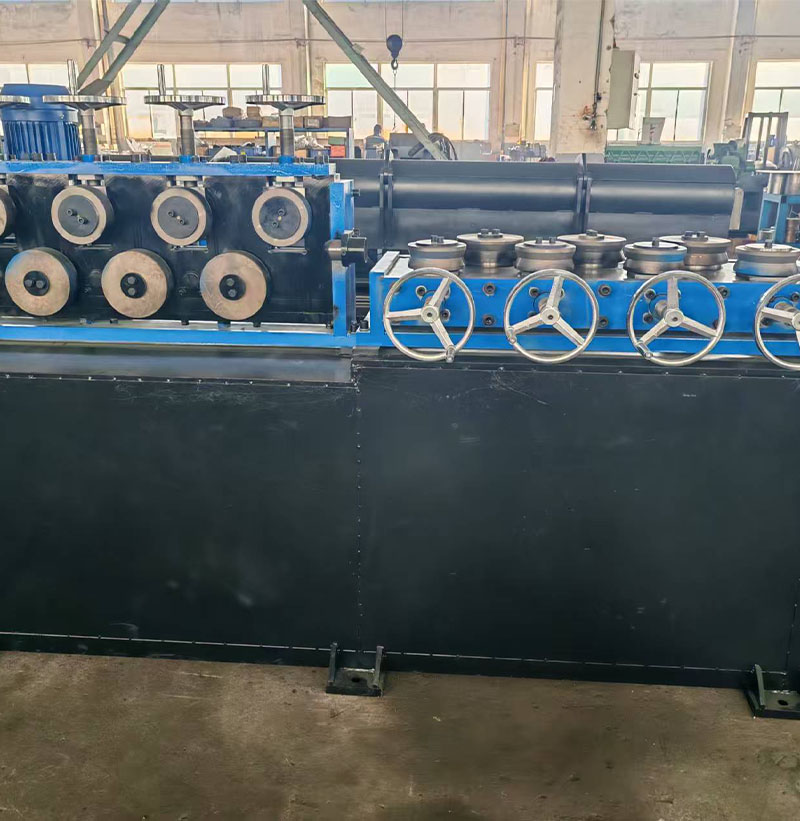
Горизонтальный и вертикальный правильный станок
Отпустите маховик многовалковой горизонтально-вертикальной правящей машины, чтобы проволока прошла через правящие ролики. Затяните маховик в заданное положение, запустите подающее устройство и проведите несколько пробных правок. Затем подайте проволоку к вертикальным правящим роликам, следуя той же процедуре, что и для горизонтальной правки. Наконец, подайте проволоку к подающему устройству очистительной машины.