
О НАС
Компания Yantai Yunde Intelligent Technology Co., Ltd., обладающая 30-летним опытом производства, обслужила более 300 отечественных и зарубежных клиентов и выпустила более 2000 единиц оборудования.
ПОЛУЧИТЕ БЕСПЛАТНУЮ ЦЕНУ
-
Дом

-
Блог
-
Отраслевые блоги
- How Do You Choose a Straightening Machine?

How Do You Choose a Straightening Machine?
-
автор
- 20,Август
 автор
автор 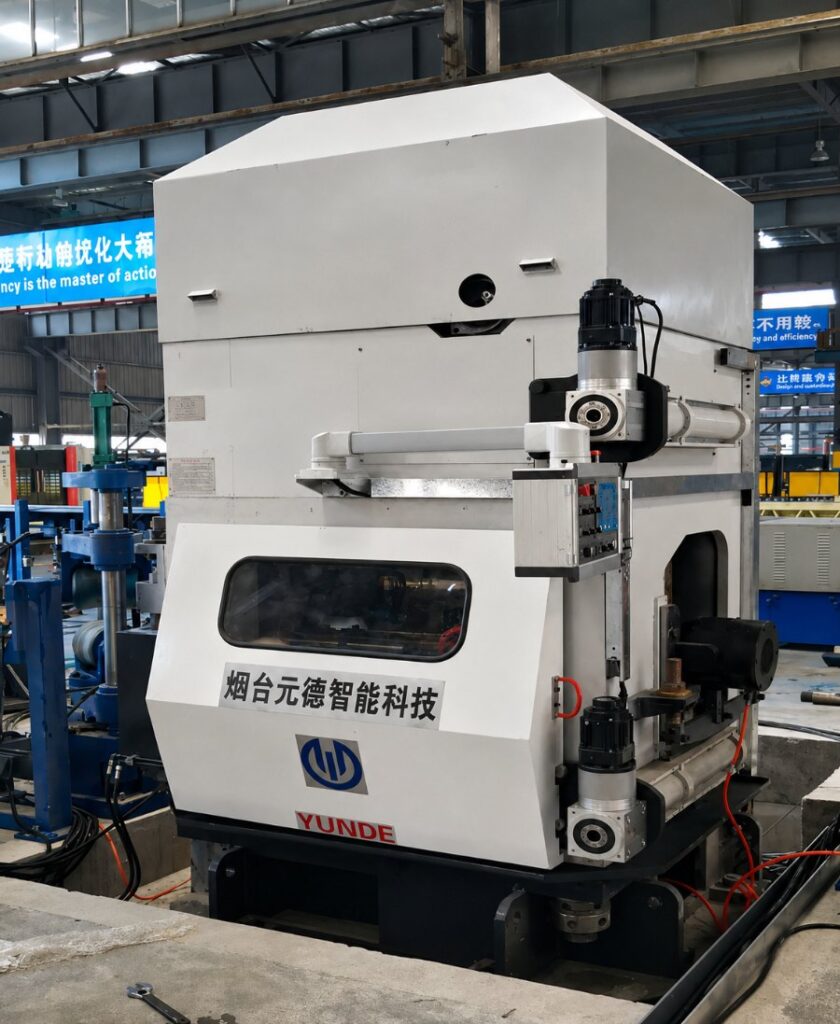
Choosing a straightening unit is not simply a matter of picking the widest diameter range. A machine can meet the specified size range yet miss the target because the incoming bar, required straightness, feed rate, line setup, or maintenance plan was not clearly defined. The goal is a testable specification.
Define the bar before comparing machines
A defensible purchase begins with the workpiece, not a preferred model number. Record the diameter range, occasional extremes, minimum usable length, material grade and surface hardness range, incoming curvature, surface condition, and required straightness. These values determine the working envelope and make proposals comparable.
Once that production picture is clear, we can configure a straightening unit around the bar rather than asking the bar to suit the machine. At Yunde, we use the incoming condition and finished-bar requirements to determine straightening pressure, guide position, feed speed, and the appropriate BS model. This prevents capacity that adds cost without improving the finished bar.
Diameter and usable length
Diameter is a production distribution, not a single maximum. A plant that mostly runs 18-25 mm stock with rare 38 mm orders has a different duty profile from one processing 35-40 mm bars. Length matters because our BS20-BS80 models handle material at least 2 m long, while BS100-BS160 models start at 3 m. Supports must prevent sag or whip.
Material strength and incoming condition
Material behavior changes straightening force and setup. High-strength steels, spring steels, bearing steels, stainless steels, and alloy steels may require higher straightening forces than lower-strength carbon steels. Before requesting a quotation, document:
*the material grades and surface hardness range that represent normal production;
*the maximum incoming bow, end condition, and diameter variation;
*the allowable straightness, diameter tolerance, and surface-mark limit after processing.

Match capacity to the required result
A suitable round bar straightening machine must cover the required bar range while delivering the specified result at a sustainable speed. Our BS series uses a frame structure and covers 6-160 mm across seven models. The complete parameters are shown below for comparison.
| Модель | Диапазон диаметров (мм) | Длина (м) | Speed (m/min) | Допуск по диаметру | Шероховатость поверхности (мкм) | Прямолинейность (мм/м) | Main Motor Power(kW) | Структура |
| BS20 | Φ6–20 | ≥2 | 10–40 | ≤IT8 | Ra≤0,8 | 0.10 | 7.5×2 | Рамка |
| BS40 | Φ10–40 | ≥2 | 10–35 | ≤IT8 | Ra≤0,8 | 0.15 | 22×2 | Рамка |
| BS60 | Φ15–60 | ≥2 | 10–30 | ≤IT8 | Ra≤0,8 | 0.20 | 30×2 | Рамка |
| BS80 | Φ20–80 | ≥2 | 10–24 | ≤IT8 | Ra≤0,8 | 0.25 | 37×2 | Рамка |
| BS100 | Φ25–100 | ≥3 | 10–24 | ≤IT8 | Ra≤0,8 | 0.30 | 45×2 | Рамка |
| BS130 | Φ35–130 | ≥3 | 10–20 | ≤IT8 | Ra≤0,8 | 0.35 | 75×2 | Рамка |
| BS160 | Φ40–160 | ≥3 | 10–20 | ≤IT8 | Ra≤0,8 | 0.40 | 90×2 | Рамка |
The highest listed speed is not an automatic promise for every material. Verify straightness, surface protection, strength, initial bow, and handling stability together. Assess the straightening machine under actual production conditions, especially when operating near the upper end of its diameter range.
Prove the process with sample bars
A sample trial turns a broad specification into evidence. Supply bars representing normal production and the difficult edge case, agree on inspection, and use production-relevant speed rather than a slow demonstration setting.
Use an acceptance test that mirrors production
*Record bar grade, diameter, length, surface hardness, and incoming bow for every sample group.
*Measure straightness with an agreed span, instrument, and sampling frequency.
*Inspect roller marks, end shrinkage, diameter tolerance, and surface roughness.
*Run enough consecutive pieces to expose heat, setup drift, or feeding instability.
*Confirm the changeover time between representative diameters and material grades.
The acceptance record should separate machine capability from incoming variation. If results change within one batch, investigate stock condition, support, and setup. This keeps bar straightening decisions tied to evidence.
Check how the unit fits the line
Line integration can limit output even when the straightener is correctly sized. Compare inlet and outlet height, support spacing, transfer method, control signals, interlocks, and buffer capacity. The bar straightening process needs consistent upstream delivery and downstream acceptance of the discharge rate.
Upstream and downstream interfaces
А metal straightening production line may include pre-straightening, peeling, precision straightening, cutting, stacking, and bundling, but the sequence depends on the raw material and finished product. When we plan a line, we define transfer logic and control handshakes around the selected process. Buyers should reserve access for roll changes, guide adjustment, inspection, and safe removal of a stopped bar.
Make maintenance part of the purchase decision
Maintenance quality directly affects repeatable straightness and surface condition. Roll wear, contaminated contact surfaces, loose guides, hydraulic leakage, and inconsistent roll gaps can move a stable process out of control. Ask how operators record setup positions, manage pressure holding and release, and inspect wear components.
Our BS design uses a separate hydraulic system for pressure holding and release, a gantry-style guide plate, an overall frame structure for roll-gap accuracy, and a brake unit and braking resistor for the frequency converter. These features are designed to support reliable operation and convenient adjustment, but routine maintenance is still required. Define manuals, training, spare parts, commissioning support, and a clear response path.

A practical decision summary
The right straightening unit handles the real bar mix, reaches the required straightness without surface damage, sustains the needed speed, fits the material flow, and can be maintained by the plant team. Define the conditions, compare model data, and use sample trials to close bar straightening risk before purchase.
For a model review or sample-test plan based on your bar grades, dimensions, line speed, and acceptance criteria, contact our team for a technical consultation.
Часто задаваемые вопросы
What information should a straightening-unit RFQ include?
Include material grades, surface hardness, tensile strength, diameter distribution, bar length, incoming bow, required straightness, surface limit, target speed, shift pattern, line layout, utilities, and the planned inspection method. Representative samples and a clear acceptance standard make quotations much more useful.
Is the widest diameter range always the safest choice?
No. A wider range can increase power, footprint, tooling, and investment without improving normal production. Select a model around the dominant bar mix, then decide whether occasional extremes justify a larger machine or through a separate process route.
Should acceptance focus on speed or straightness?
Acceptance should verify both at the same production-relevant setting. A straightness result achieved only at a very low demonstration speed does not prove the required output, while high speed without acceptable straightness and surface condition is equally unsuitable.
Последняя публикация

Сопутствующие товары
Самые продаваемые товары
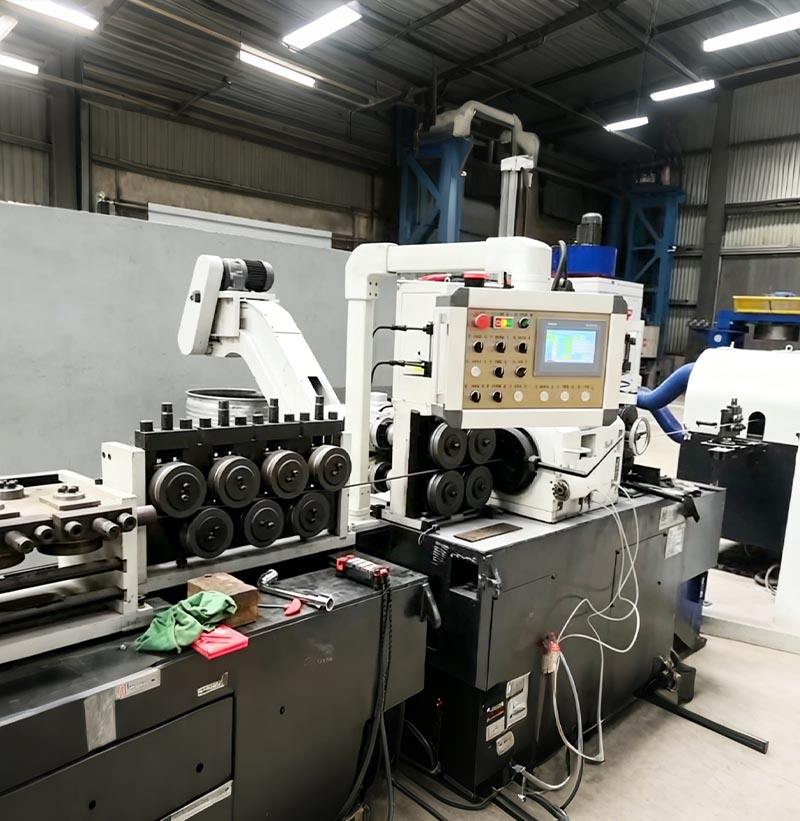
Линия выравнивания при отслаивании рулона от прутка
Проволока из нержавеющей стали разматывается и предварительно выпрямляется, затем очищается с помощью бесцентрового токарного станка и нарезается на точно заданную длину. После окончательной прецизионной правки на двухвалковом правильном станке получается высокоточный прямой стержень из нержавеющей стали.
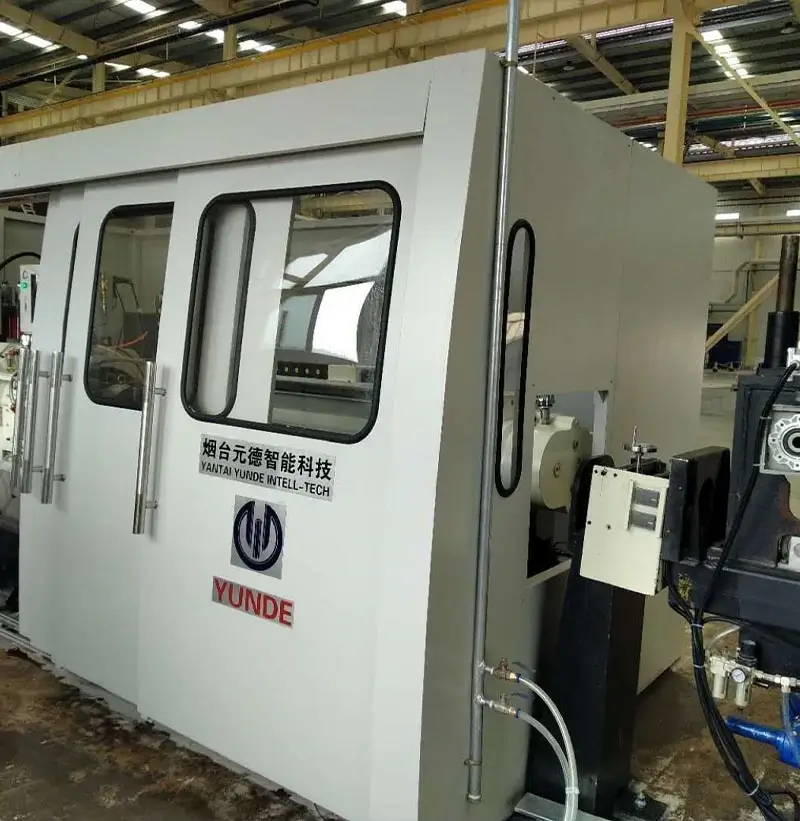
Станок для очистки (бесцентровый токарный станок)
Станок для лущения (бесцентровый токарный станок) — это изделие, разработанное собственными силами после сравнения преимуществ аналогичных зарубежных изделий и их сочетания с производственными особенностями отечественных предприятий, что привело к упрощению и оптимизации конструкции.
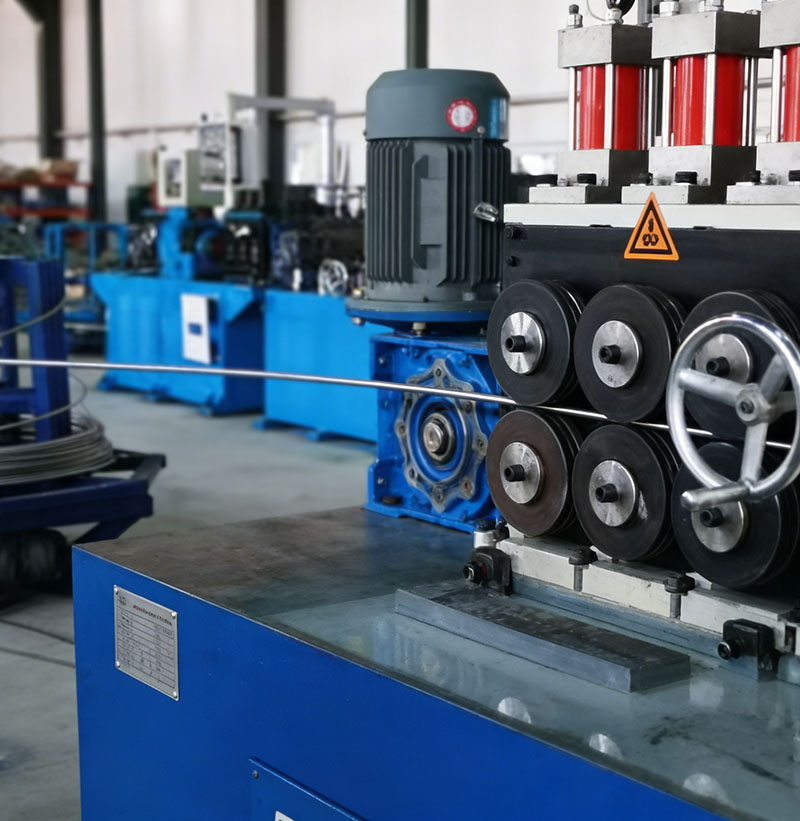
Линия по производству рулонов
Линия по производству рулонов представляет собой комплекс оборудования, включающий в себя размоточную и правильную машины, лущильную машину, зажимной механизм, устройство предварительной гибки, намоточную машину и т. д. С помощью этого оборудования черный рулонный пруток перерабатывается в светлый рулонный пруток с хорошим качеством поверхности.
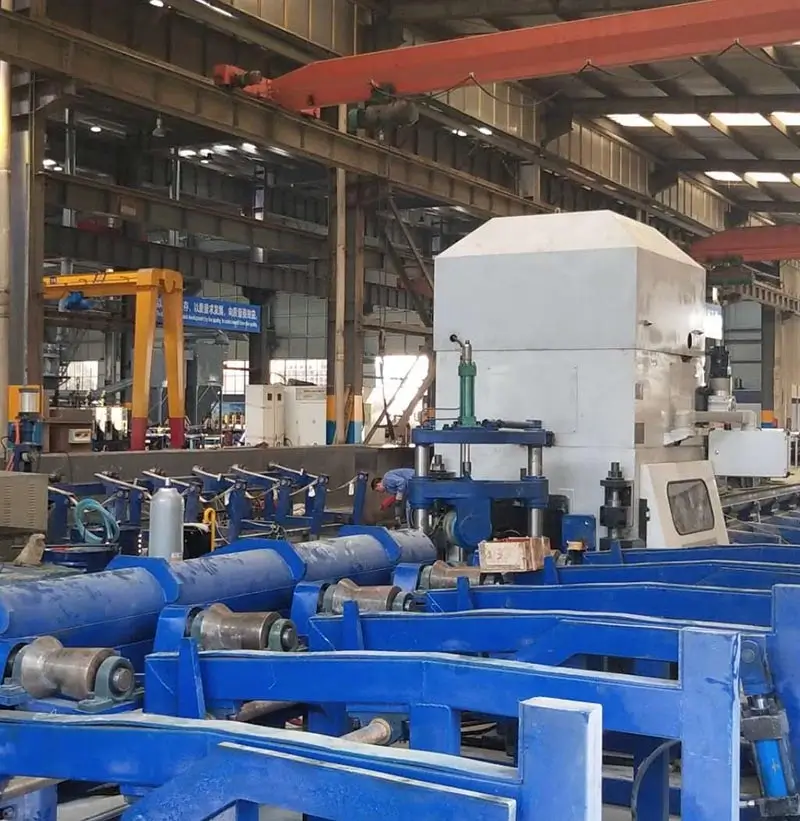
Выпрямительная машина серии BS
Выпрямительная машина — это устройство, используемое для выпрямления металлических профилей, прутков, труб и проволоки. Выпрямительная машина использует выпрямляющие ролики для сжатия материала, изменяя его прямолинейность. Обычно она имеет два ряда выпрямляющих роликов с различным количеством роликов. Существуют также двухроликовые выпрямительные машины, которые используют изменение угла двух роликов (имеющих вогнутую, гиперболическую форму) для выпрямления материалов разного диаметра.
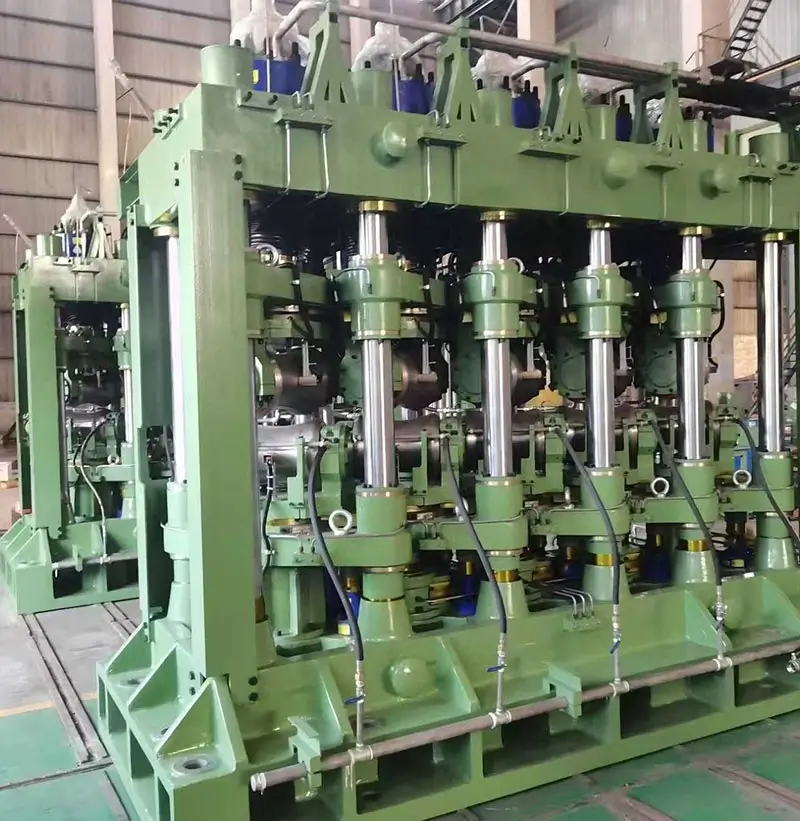
Многовалковый станок для выпрямления стальных труб
Это механическое устройство, используемое для выпрямления кривизны и овальности стальных труб. Оно применяется для выпрямления труб из высоколегированной, коррозионностойкой, жаростойкой стали, а также легированных железо-никелевых, никелевых и титановых сплавов, с целью уменьшения продольной непрямотности и поперечной некруглости.
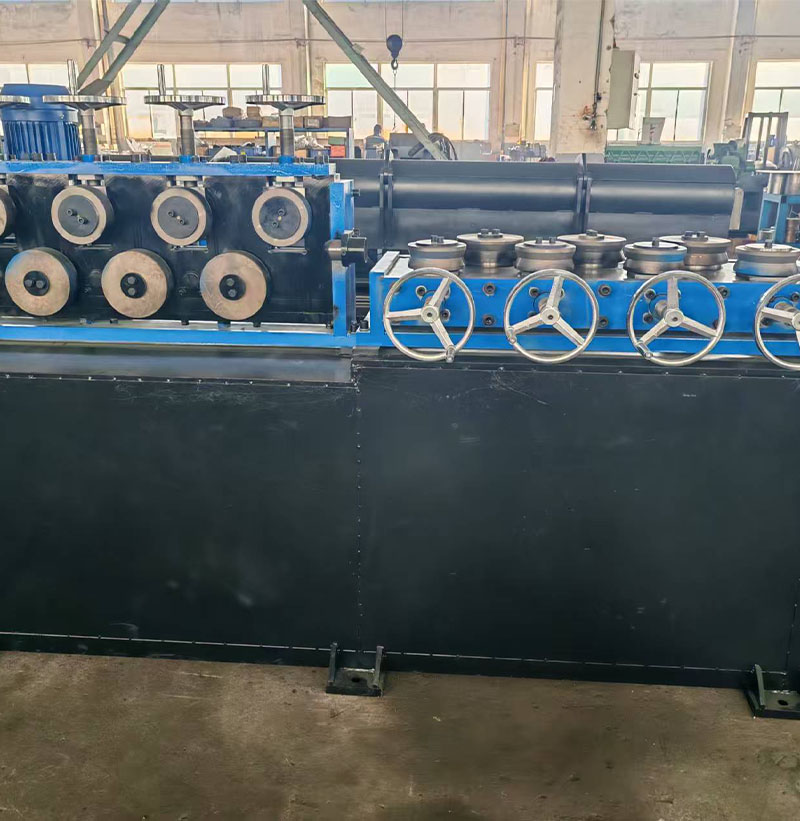
Горизонтальный и вертикальный правильный станок
Отпустите маховик многовалковой горизонтально-вертикальной правящей машины, чтобы проволока прошла через правящие ролики. Затяните маховик в заданное положение, запустите подающее устройство и проведите несколько пробных правок. Затем подайте проволоку к вертикальным правящим роликам, следуя той же процедуре, что и для горизонтальной правки. Наконец, подайте проволоку к подающему устройству очистительной машины.