
ABOUT US
Yantai Yunde Intelligent Technology Co., Ltd. has only 30 years of production experience, has served more than 300 domestic and foreign customers, and has produced more than 2,000 machines.
GET A FREE QUOTE
-
Home

-
Blog
-
Industry Blogs
- How Do You Choose a Straightening Machine?
How Do You Choose a Straightening Machine?
-
 author
 - 20,August
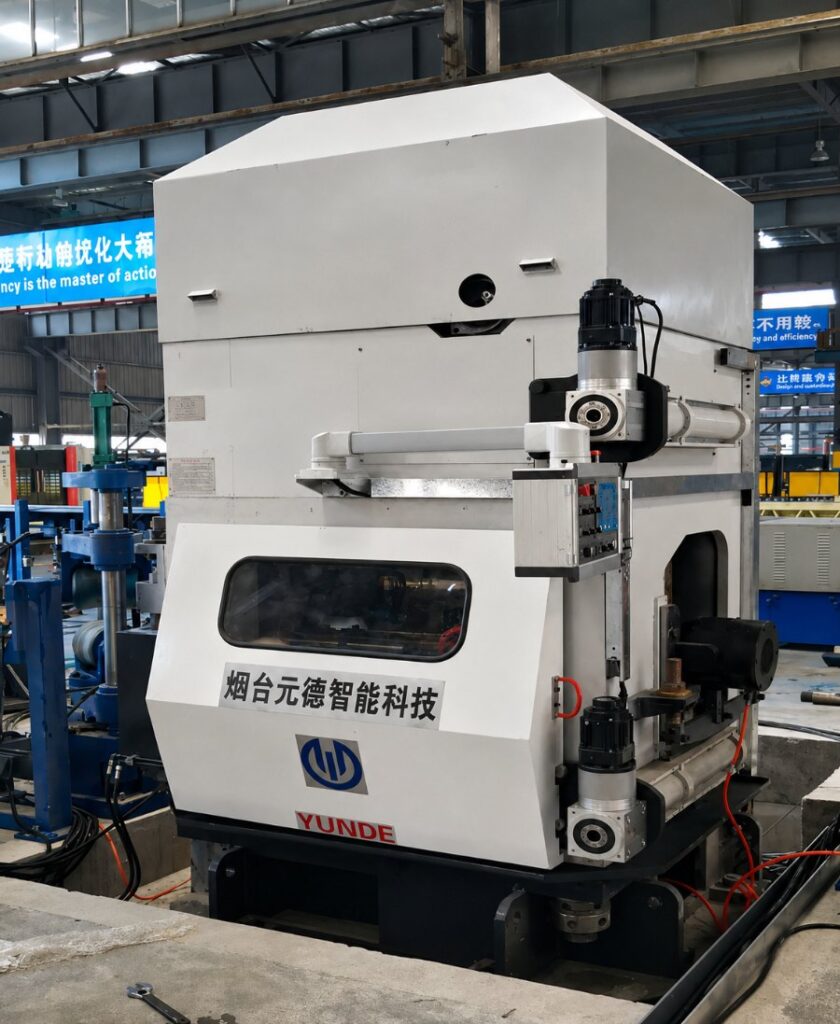
Choosing a straightening unit is not simply a matter of picking the widest diameter range. A machine can meet the specified size range yet miss the target because the incoming bar, required straightness, feed rate, line setup, or maintenance plan was not clearly defined. The goal is a testable specification.
Define the bar before comparing machines
A defensible purchase begins with the workpiece, not a preferred model number. Record the diameter range, occasional extremes, minimum usable length, material grade and surface hardness range, incoming curvature, surface condition, and required straightness. These values determine the working envelope and make proposals comparable.
Once that production picture is clear, we can configure a straightening unit around the bar rather than asking the bar to suit the machine. At Yunde, we use the incoming condition and finished-bar requirements to determine straightening pressure, guide position, feed speed, and the appropriate BS model. This prevents capacity that adds cost without improving the finished bar.
Diameter and usable length
Diameter is a production distribution, not a single maximum. A plant that mostly runs 18-25 mm stock with rare 38 mm orders has a different duty profile from one processing 35-40 mm bars. Length matters because our BS20-BS80 models handle material at least 2 m long, while BS100-BS160 models start at 3 m. Supports must prevent sag or whip.
Material strength and incoming condition
Material behavior changes straightening force and setup. High-strength steels, spring steels, bearing steels, stainless steels, and alloy steels may require higher straightening forces than lower-strength carbon steels. Before requesting a quotation, document:
*the material grades and surface hardness range that represent normal production;
*the maximum incoming bow, end condition, and diameter variation;
*the allowable straightness, diameter tolerance, and surface-mark limit after processing.

Match capacity to the required result
A suitable round bar straightening machine must cover the required bar range while delivering the specified result at a sustainable speed. Our BS series uses a frame structure and covers 6-160 mm across seven models. The complete parameters are shown below for comparison.
| Model | Diameter Range (mm) | Length (m) | Speed (m/min) | Diameter Tolerance | Surface Roughness (μm) | Straightness (mm/m) | Main Motor Power(kW) | Structure |
| BS20 | Φ6–20 | ≥2 | 10–40 | ≤IT8 | Ra≤0.8 | 0.10 | 7.5×2 | Frame |
| BS40 | Φ10–40 | ≥2 | 10–35 | ≤IT8 | Ra≤0.8 | 0.15 | 22×2 | Frame |
| BS60 | Φ15–60 | ≥2 | 10–30 | ≤IT8 | Ra≤0.8 | 0.20 | 30×2 | Frame |
| BS80 | Φ20–80 | ≥2 | 10–24 | ≤IT8 | Ra≤0.8 | 0.25 | 37×2 | Frame |
| BS100 | Φ25–100 | ≥3 | 10–24 | ≤IT8 | Ra≤0.8 | 0.30 | 45×2 | Frame |
| BS130 | Φ35–130 | ≥3 | 10–20 | ≤IT8 | Ra≤0.8 | 0.35 | 75×2 | Frame |
| BS160 | Φ40–160 | ≥3 | 10–20 | ≤IT8 | Ra≤0.8 | 0.40 | 90×2 | Frame |
The highest listed speed is not an automatic promise for every material. Verify straightness, surface protection, strength, initial bow, and handling stability together. Assess the straightening machine under actual production conditions, especially when operating near the upper end of its diameter range.
Prove the process with sample bars
A sample trial turns a broad specification into evidence. Supply bars representing normal production and the difficult edge case, agree on inspection, and use production-relevant speed rather than a slow demonstration setting.
Use an acceptance test that mirrors production
*Record bar grade, diameter, length, surface hardness, and incoming bow for every sample group.
*Measure straightness with an agreed span, instrument, and sampling frequency.
*Inspect roller marks, end shrinkage, diameter tolerance, and surface roughness.
*Run enough consecutive pieces to expose heat, setup drift, or feeding instability.
*Confirm the changeover time between representative diameters and material grades.
The acceptance record should separate machine capability from incoming variation. If results change within one batch, investigate stock condition, support, and setup. This keeps bar straightening decisions tied to evidence.
Check how the unit fits the line
Line integration can limit output even when the straightener is correctly sized. Compare inlet and outlet height, support spacing, transfer method, control signals, interlocks, and buffer capacity. The bar straightening process needs consistent upstream delivery and downstream acceptance of the discharge rate.
Upstream and downstream interfaces
A metal straightening production line may include pre-straightening, peeling, precision straightening, cutting, stacking, and bundling, but the sequence depends on the raw material and finished product. When we plan a line, we define transfer logic and control handshakes around the selected process. Buyers should reserve access for roll changes, guide adjustment, inspection, and safe removal of a stopped bar.
Make maintenance part of the purchase decision
Maintenance quality directly affects repeatable straightness and surface condition. Roll wear, contaminated contact surfaces, loose guides, hydraulic leakage, and inconsistent roll gaps can move a stable process out of control. Ask how operators record setup positions, manage pressure holding and release, and inspect wear components.
Our BS design uses a separate hydraulic system for pressure holding and release, a gantry-style guide plate, an overall frame structure for roll-gap accuracy, and a brake unit and braking resistor for the frequency converter. These features are designed to support reliable operation and convenient adjustment, but routine maintenance is still required. Define manuals, training, spare parts, commissioning support, and a clear response path.

A practical decision summary
The right straightening unit handles the real bar mix, reaches the required straightness without surface damage, sustains the needed speed, fits the material flow, and can be maintained by the plant team. Define the conditions, compare model data, and use sample trials to close bar straightening risk before purchase.
For a model review or sample-test plan based on your bar grades, dimensions, line speed, and acceptance criteria, contact our team for a technical consultation.
FAQ
What information should a straightening-unit RFQ include?
Include material grades, surface hardness, tensile strength, diameter distribution, bar length, incoming bow, required straightness, surface limit, target speed, shift pattern, line layout, utilities, and the planned inspection method. Representative samples and a clear acceptance standard make quotations much more useful.
Is the widest diameter range always the safest choice?
No. A wider range can increase power, footprint, tooling, and investment without improving normal production. Select a model around the dominant bar mix, then decide whether occasional extremes justify a larger machine or through a separate process route.
Should acceptance focus on speed or straightness?
Acceptance should verify both at the same production-relevant setting. A straightness result achieved only at a very low demonstration speed does not prove the required output, while high speed without acceptable straightness and surface condition is equally unsuitable.
Recent Post

Related Products
Best-selling Products
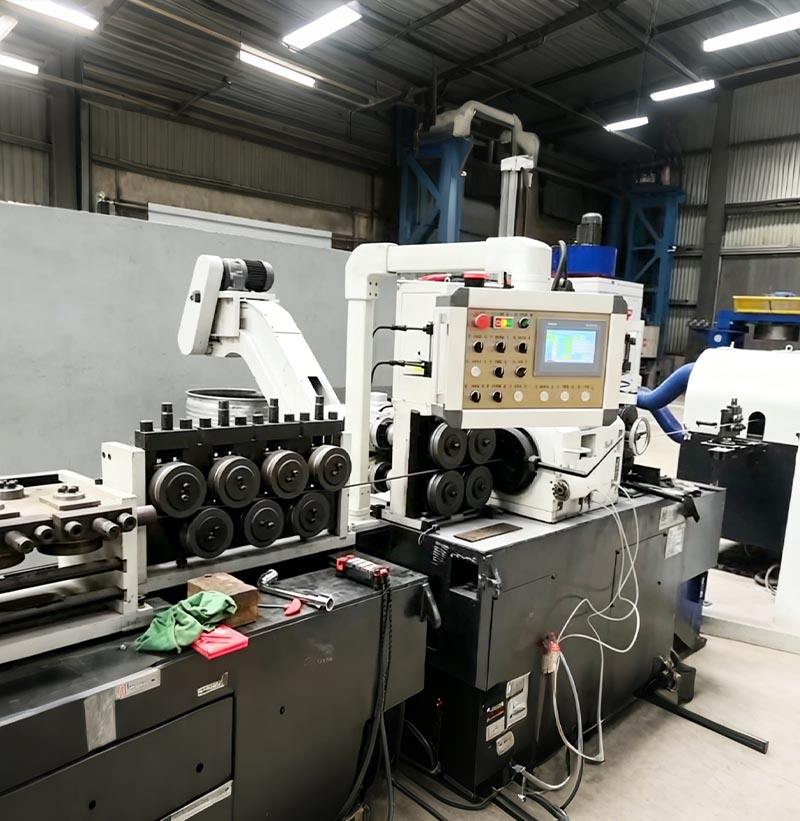
Coil To Bar Peeling&Straightening Line
Stainless steel wire rod is decoiled and pre-straightened, then peeled using a centerless lathe and cut to a precise length. Following a final precision straightening pass through a two-roll straightener, the resulting product is a high-precision stainless steel straight bar.
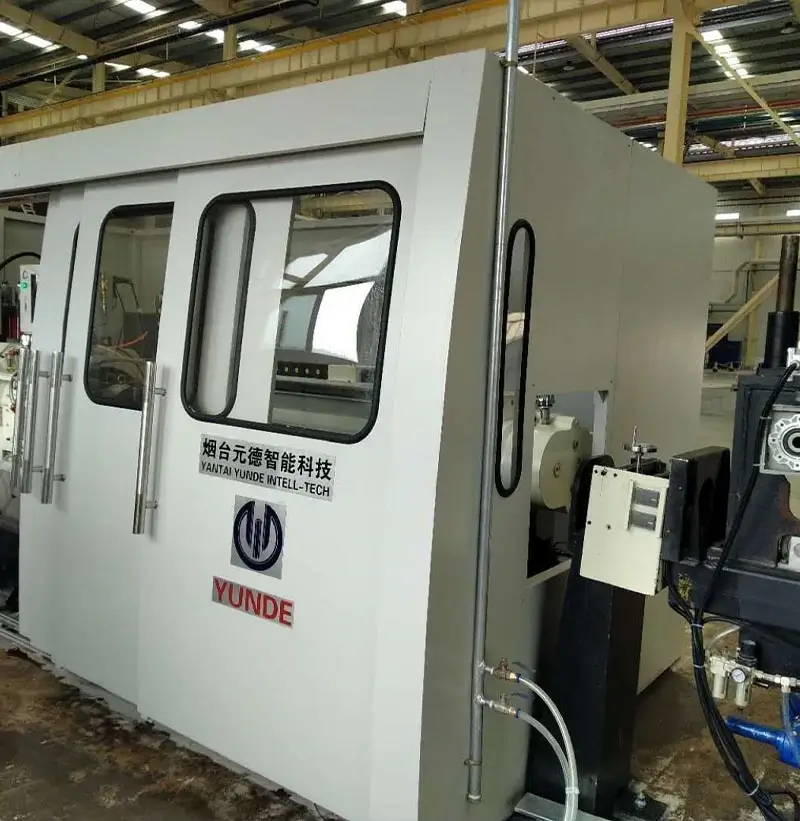
Peeling machine(centerless lathe)
The peeling machine (centerless lathe) unit is a product independently developed after comparing and contrasting the advantages of similar foreign products and combining them with the production characteristics of domestic enterprises, resulting in a simplified and optimized design.
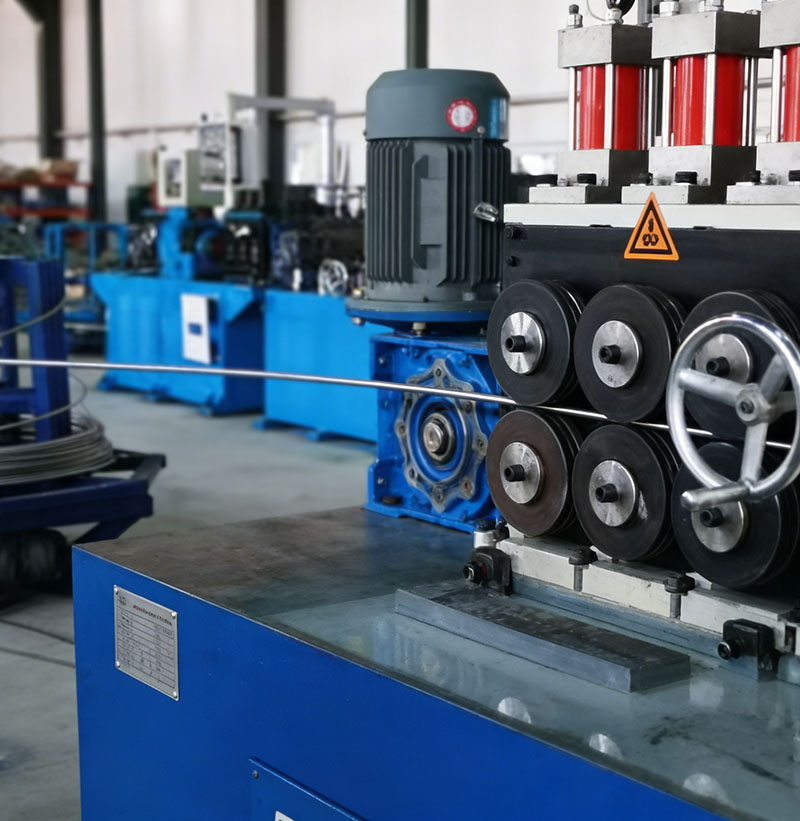
Coil to coil production line
Coil to coil production line is a serial of the machines includes payoff & straightening machine, peeling machine, clamping mechanism, pre-bending device, recoiler machine etc. through above machines, the black coil rod will be processed to bright coil rod with good surface quality
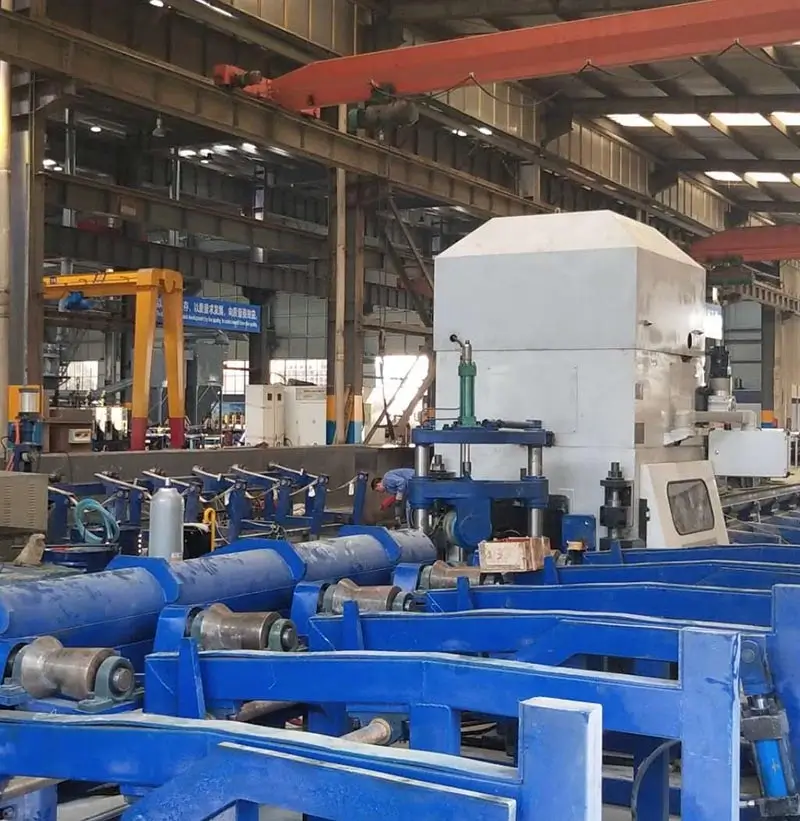
Straightening machine BS Series
A straightening machine is a device used to straighten metal profiles, bars, tubes, and wires. The straightening machine uses straightening rollers to compress the material, altering its straightness. Generally, there are two rows of straightening rollers, with varying numbers of rollers. There are also two-roller straightening machines, which rely on the angle change of two rollers (with a concave, hyperbolic shape) to straighten materials of different diameters.
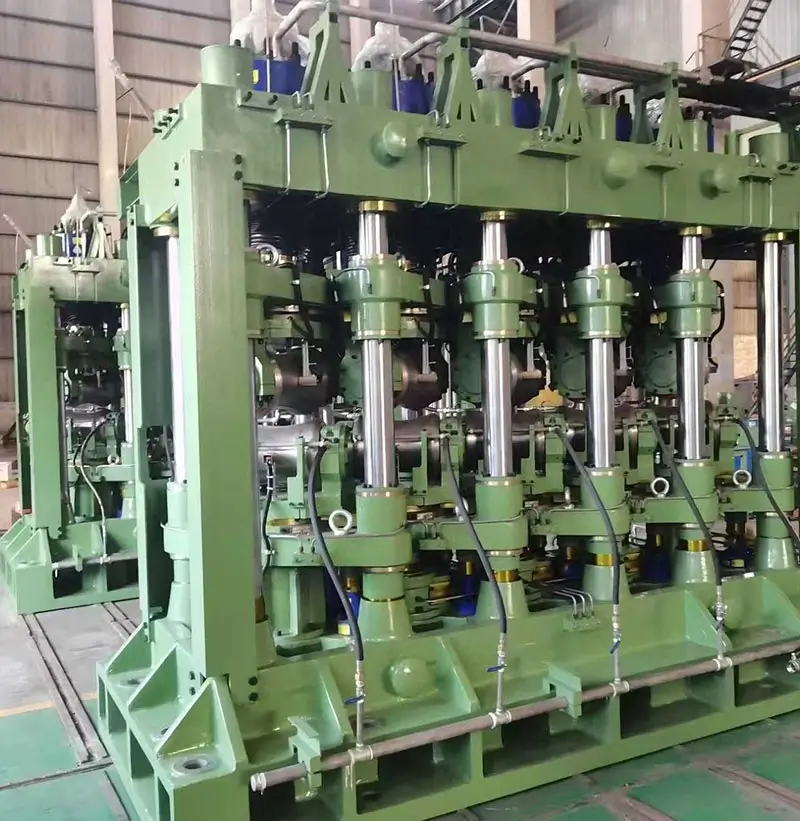
Multi-Roll Steel Pipe Straightening Machine
It is a mechanical device used to straighten the curvature and ovality of steel pipes. It is used to straighten pipes made of high alloy, corrosion-resistant, heat-resistant, heat-resistant steel and alloy, iron-nickel, nickel and titanium alloys , so as to reduce longitudinal non-straightness and cross-sectional non-roundness.
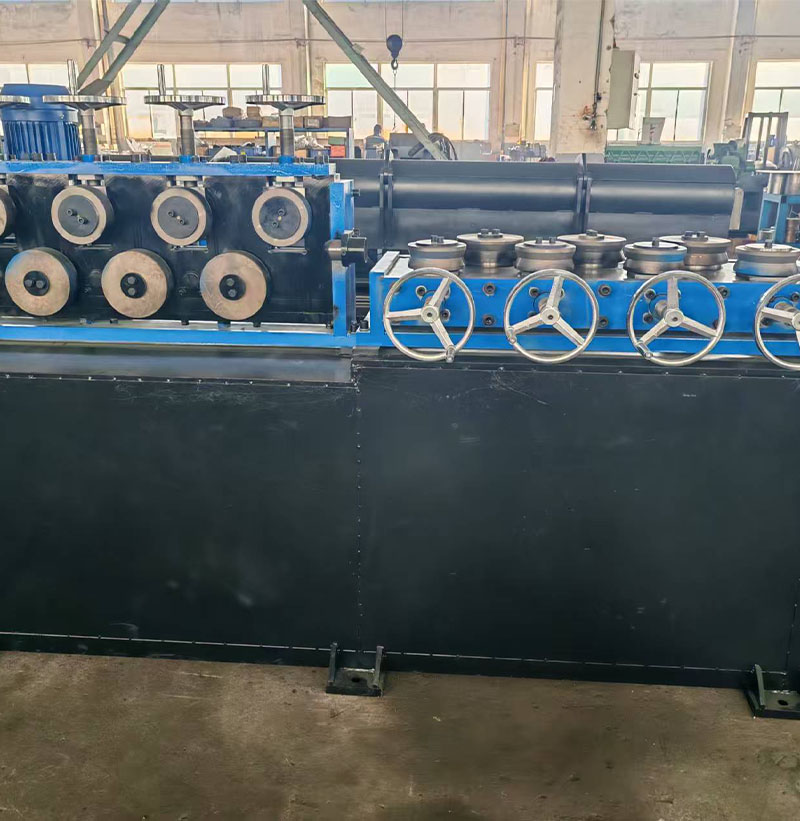
Horizontal and vertical straightening machine
Release the handwheel of the multi-roll horizontal and vertical straightening machine to allow the wire coil to pass through the straightening rollers. Tighten the handwheel to the empirically determined position, start the feeding device, and perform repeated straightening trials. Then feed the wire coil to the vertical straightening rollers, following the same procedure as for horizontal straightening. Finally, feed the wire coil to the peeling machine's feeding device.