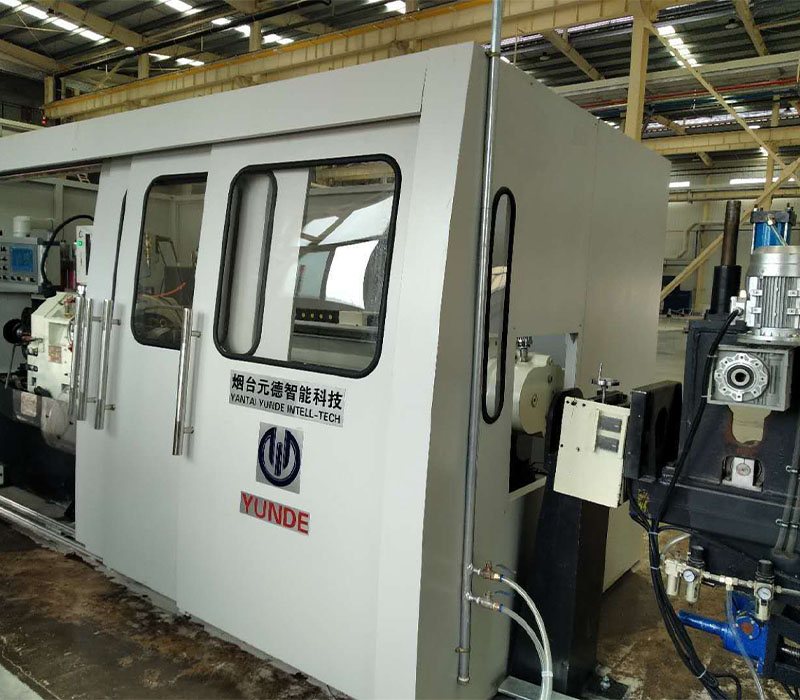
Why is a Steel Bar Peeling Machine Essential for Modern Steel Processing
  • 14,May

Why is a Steel Bar Peeling Machine Essential for Modern Steel Processing?

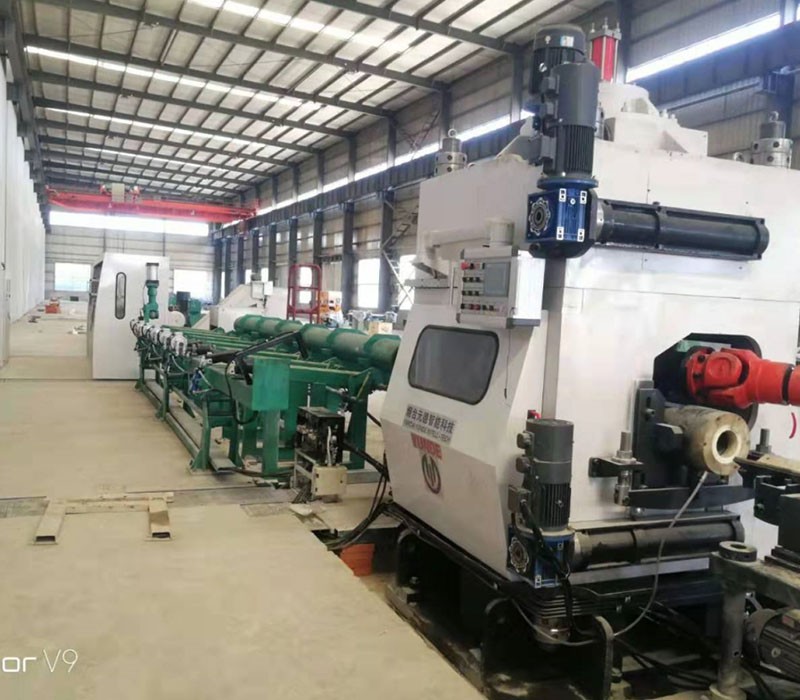
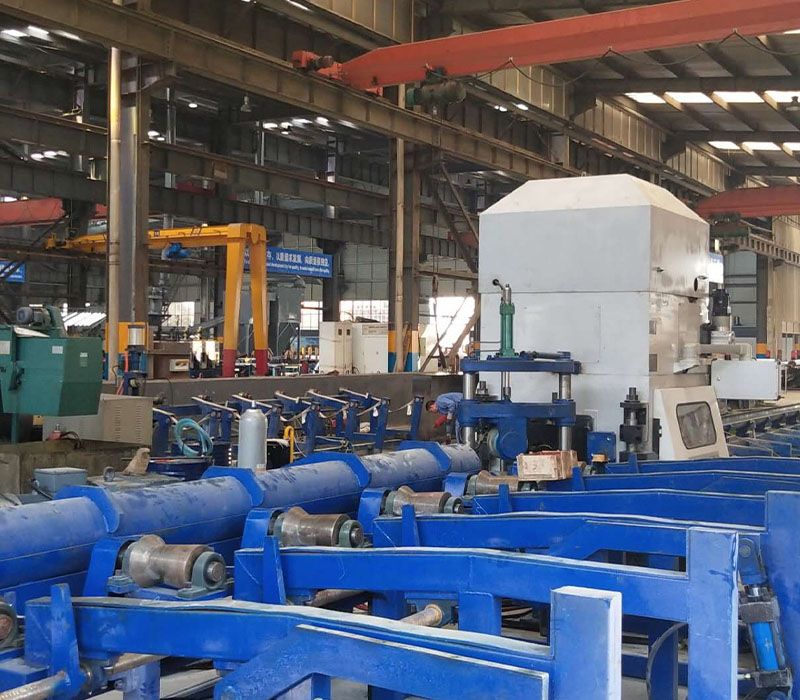
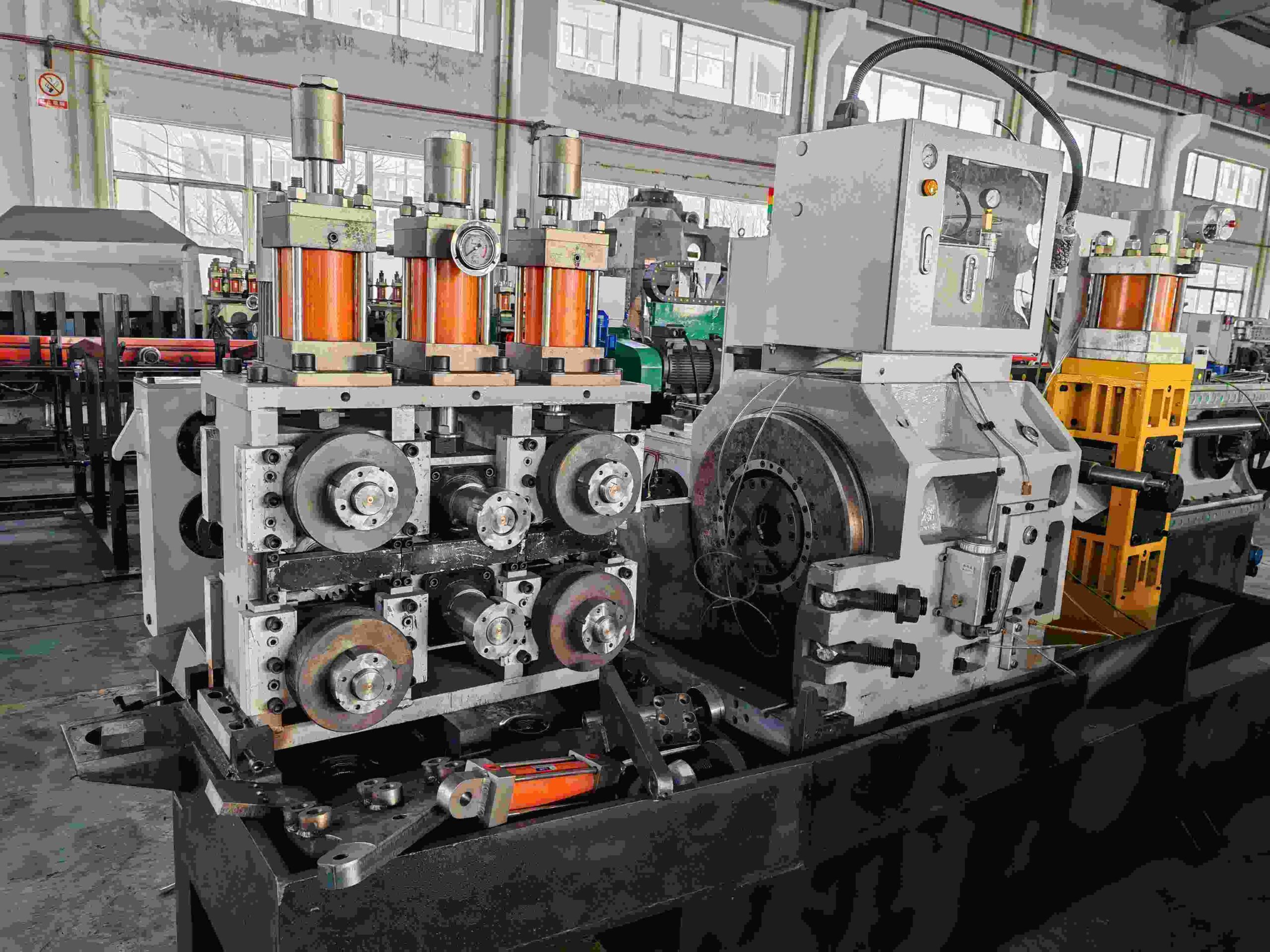
Boost steel processing efficiency with a high-precision full automatic bar peeling machine for superior surface quality, reduced costs, and localized high-end finishing solutions.
How a bar peeling machine optimizes material efficiency in hot-rolled bars production
  • 7,May

How a bar peeling machine optimizes material efficiency in cold-drawn steel production?

Learn how a bar peeling machine enhances material efficiency and surface precision in professional cold-drawn steel production lines.
How to Optimize Your Steel Wire Straightening Machine for Higher Precision and Efficiency
  • 1,May

How to Optimize Your Steel Bar Straightening Machine for Higher Precision and Efficiency?

Optimize your steel bar straightening machine for peak precision and efficiency with our expert industrial engineering guide.
How to Select a High-Performance Coil Process Machine for Industrial Scaling
  • 23,April

How to Select a High-Performance Coil Process Machine for Industrial Scaling?

Master the modern coil production process and select the ideal machine to optimize high-volume industrial scaling and ROI.
How Steel Bar Peeling Machines Ensure the Precision and Durability of Automotive and Hydraulic Components
  • 16,April

How Steel Bar Peeling Machines Ensure the Precision and Durability of Automotive and Hydraulic Components

Discover how a steel bar peeling machine enhances precision and durability for automotive and hydraulic components.
news
  • 28,January

A centerless lathe is a high-precision machining equipment, and its horizontal position directly affects machining accuracy, tool life, and equipment stability.

Centerless lathes (or peeling machines) are high-precision machining equipment, and their horizontal alignment directly affects machining accuracy, tool life, and equipment stability. After installation, scientific calibration is required to ensure the bed is in a horizontal position. The specific steps are as follows: 1.Prepare calibration tools High-precision spirit levels (accuracy of at least 0.02 mm/m is recommended), shims (adjustable mechanical shims or rubber damping pads), wrenches, and adjusting screws are required. The spirit level must be calibrated to ensure reliable measurement data. 2.Determine the calibration reference plane Using the guide surface of the centerless lathe bed as the reference, prioritize calibrating the horizontal alignment in both the longitudinal (along the machining direction) and transverse (perpendicular to the machining direction) directions. If the bed is a segmented structure, calibrate each segment separately and ensure overall consistency. 3.Longitudinal horizontal calibration Place the spirit level on the longitudinal guide rail of the bed and move it along the machining direction, recording the readings at various positions. Adjust the height of the centerless lathe’s leveling bolts or shims to ensure that the longitudinal horizontal deviation does not exceed 0.05 mm/m (refer to the equipment manual for specific standards). When adjusting, tighten the bolts symmetrically to avoid bed distortion caused by uneven force on one side. 4.Transverse horizontal calibration Rotate the spirit level 90° and place it on the transverse guide rail of the bed, repeating the measurement and adjustment steps. Transverse horizontal alignment usually requires stricter tolerances (e.g., ≤0.03 mm/m), as tool vibration and workpiece feeding are more sensitive to transverse stability. 5.Re-inspection and securing After the initial adjustment, multiple re-inspections and fine-tuning are required until the spirit level readings are stable at any position. Tighten all leveling bolts and verify the horizontal alignment again to prevent deviations caused by loose bolts. If the ambient temperature changes significantly, wait until the centerless lathe’s temperature stabilizes (usually 2-4 hours) before confirming the alignment. 6.Handling special circumstances If the ground is uneven, adjustable shims or damping devices should be installed between the foundation and the centerless lathe, and secured with secondary grouting to ensure long-term stability.
Products
Contacts
WhatsApp
Email