
ABOUT US
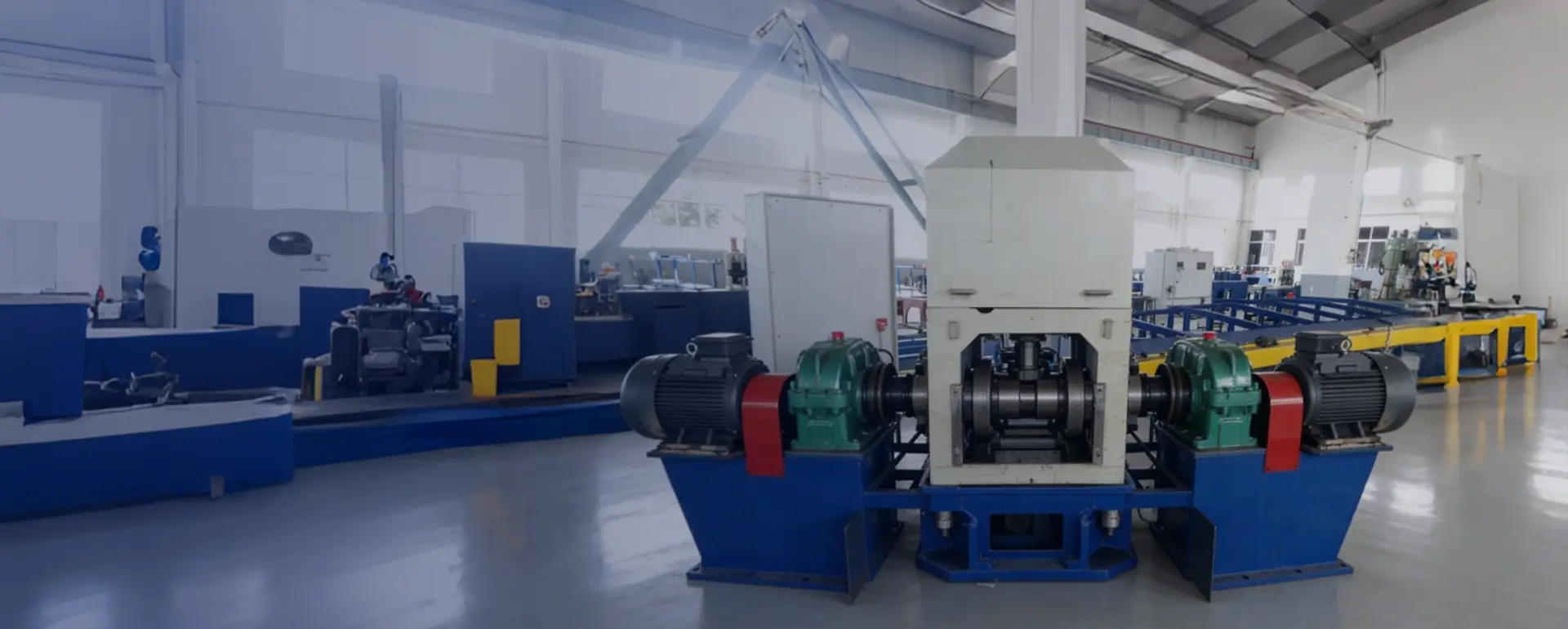
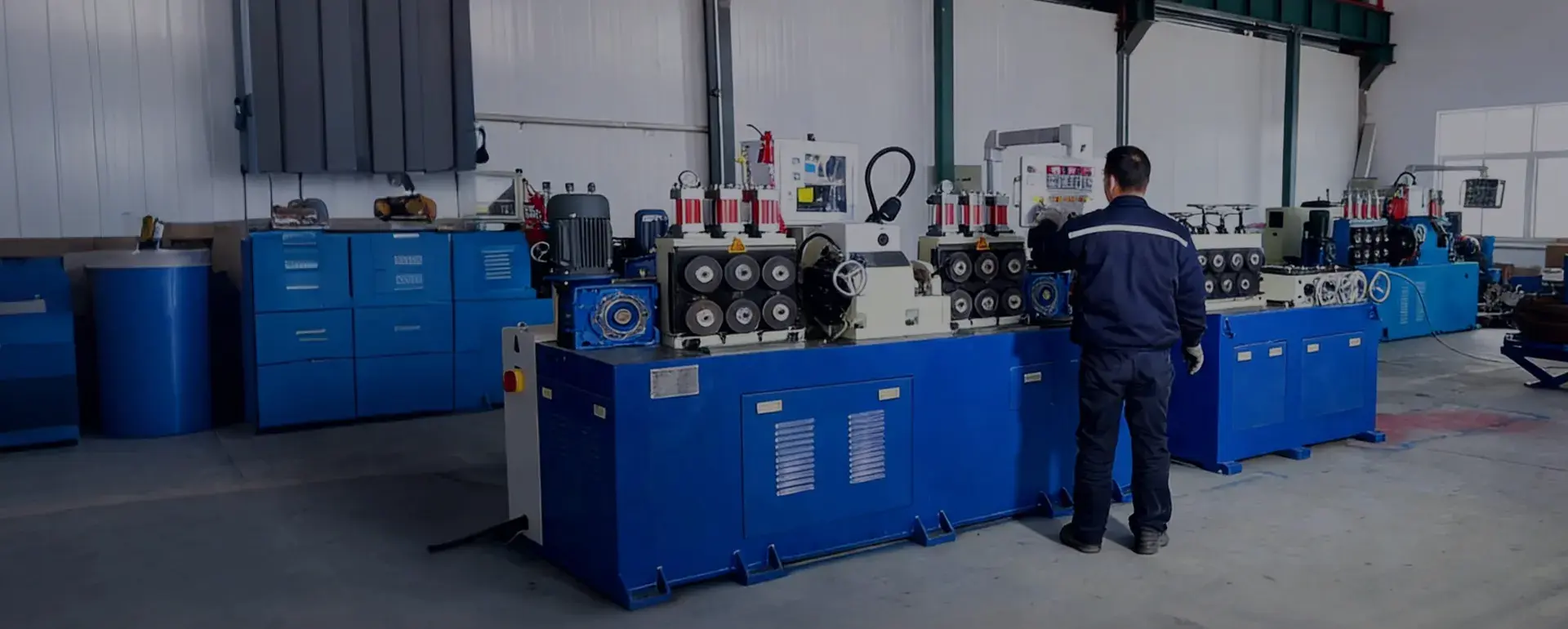
Yantai Yunde Intelligent Technology Co., Ltd. has only 30 years of production experience, has served more than 300 domestic and foreign customers, and has produced more than 2,000 machines.
GET A FREE QUOTE
Yantai Yuande Intelligent Technology Co., Ltd.

OUR PRODUCTS
Best-selling products
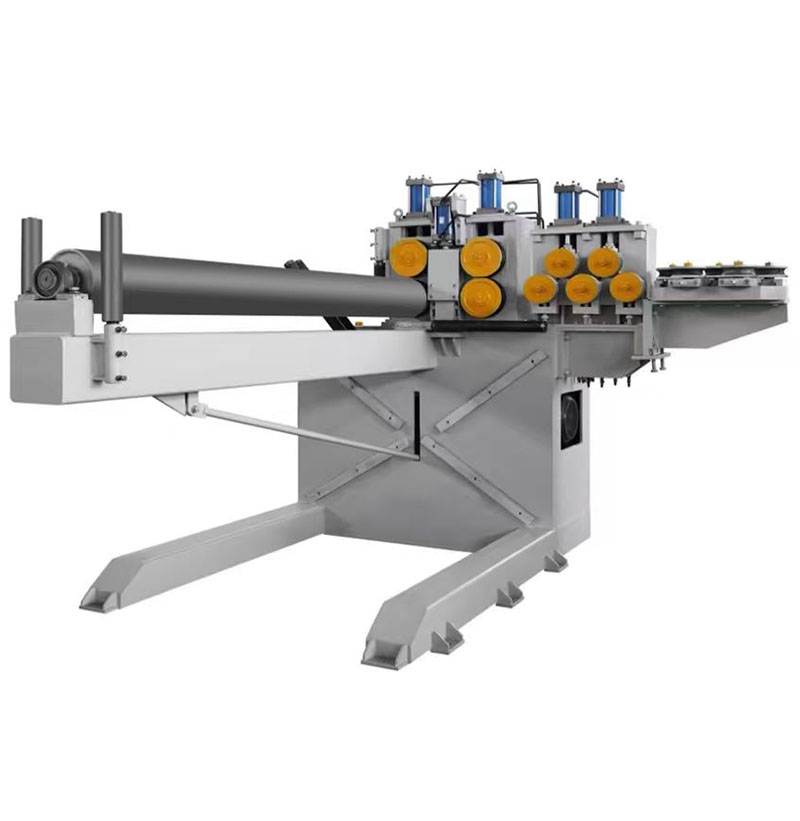
Coil To Bar Peeling&Straightening Line
Stainless steel wire rod is decoiled and pre-straightened, then peeled using a centerless lathe and cut to a precise length. Following a final precision straightening pass through a two-roll straightener, the resulting product is a high-precision stainless steel straight bar.
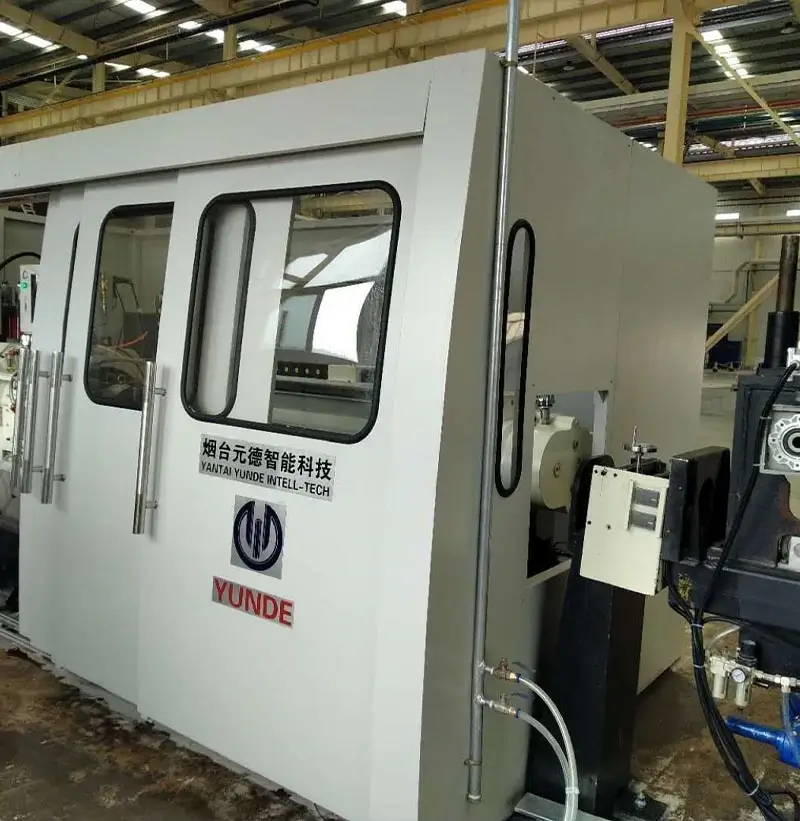
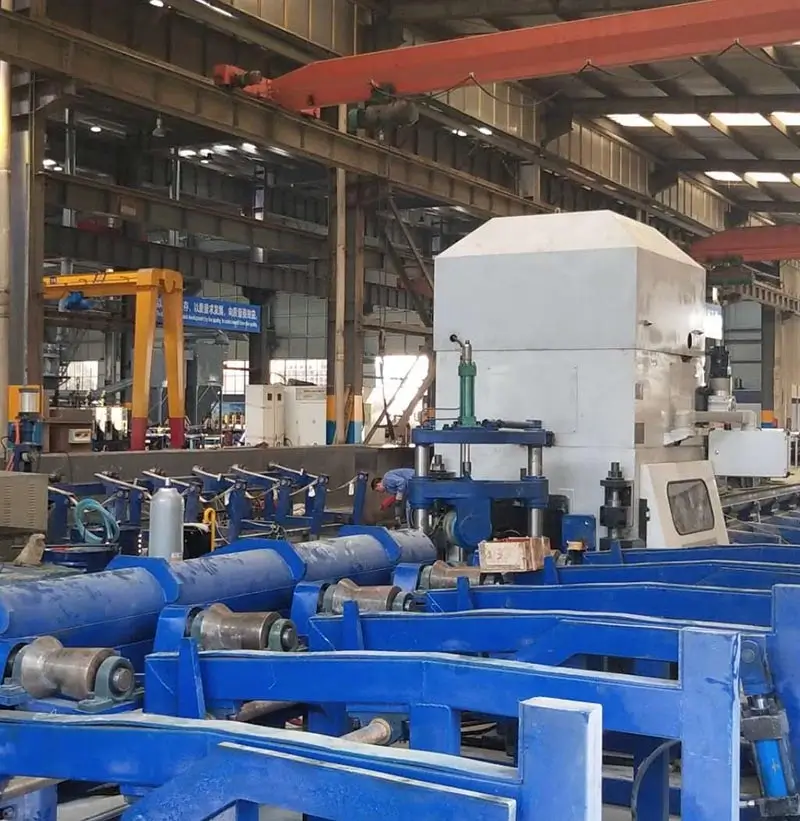
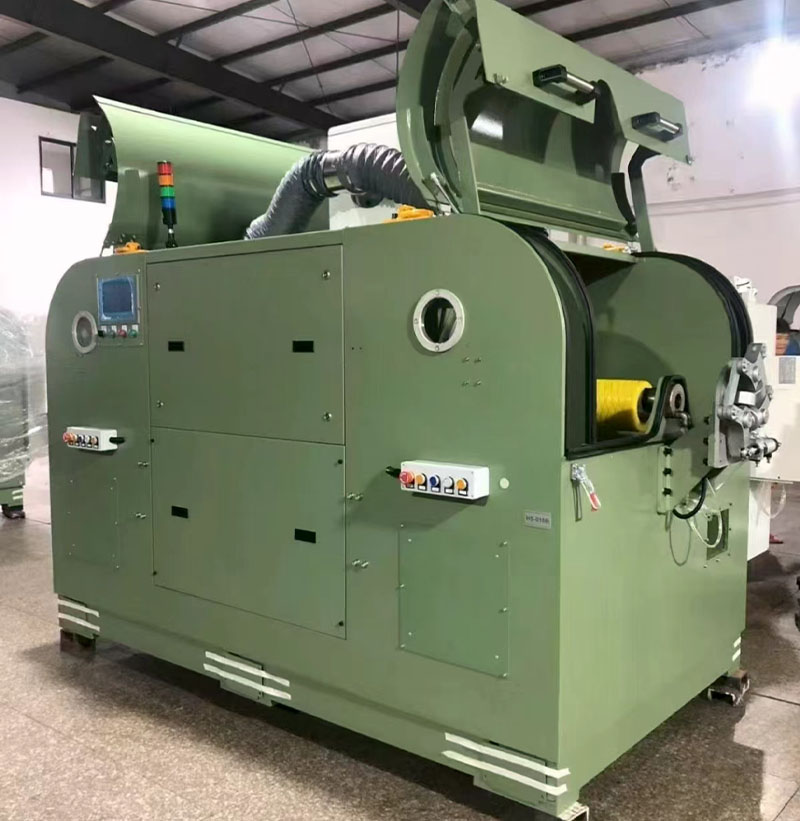
Peeling machine(centerless lathe)
The peeling machine (centerless lathe) unit is a product independently developed after comparing and contrasting the advantages of similar foreign products and combining them with the production characteristics of domestic enterprises, resulting in a simplified and optimized design.
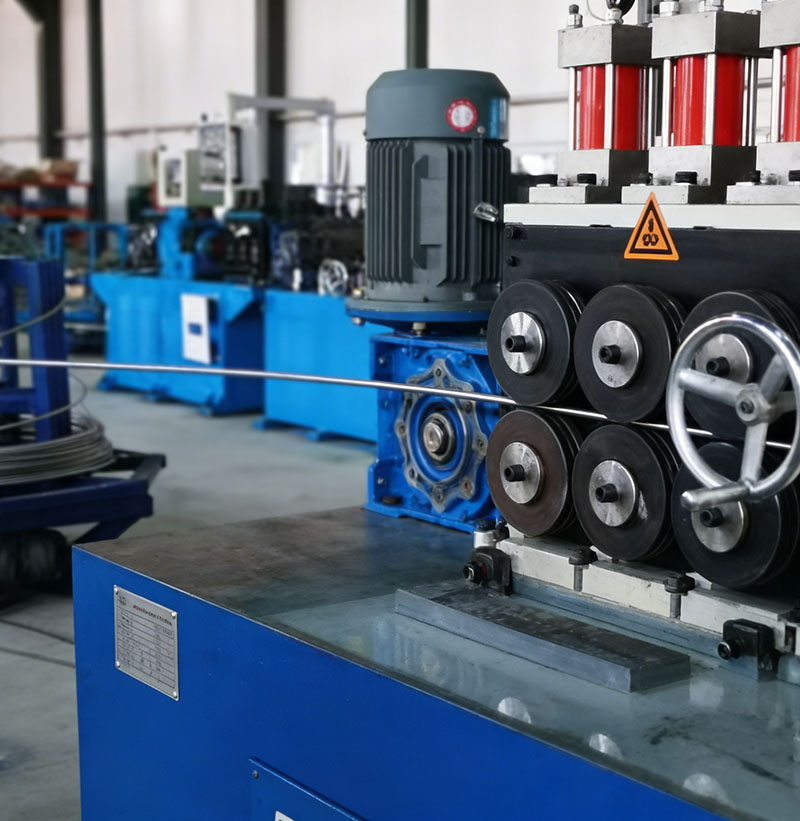
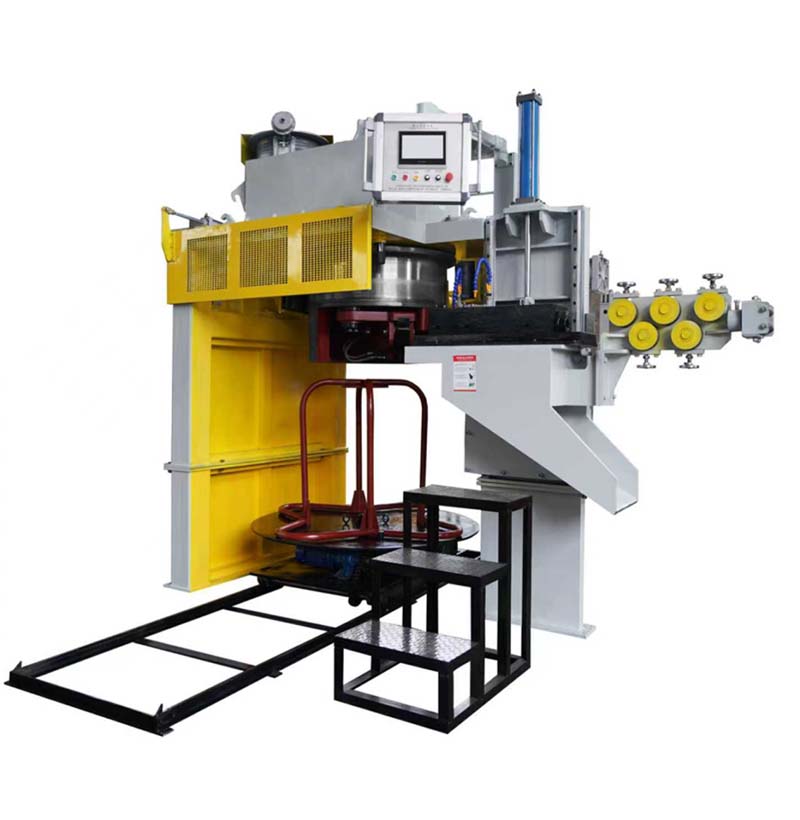
Coil to coil production line
Coil to coil production line is a serial of the machines includes payoff & straightening machine, peeling machine, clamping mechanism, pre-bending device, recoiler machine etc. through above machines, the black coil rod will be processed to bright coil rod with good surface quality
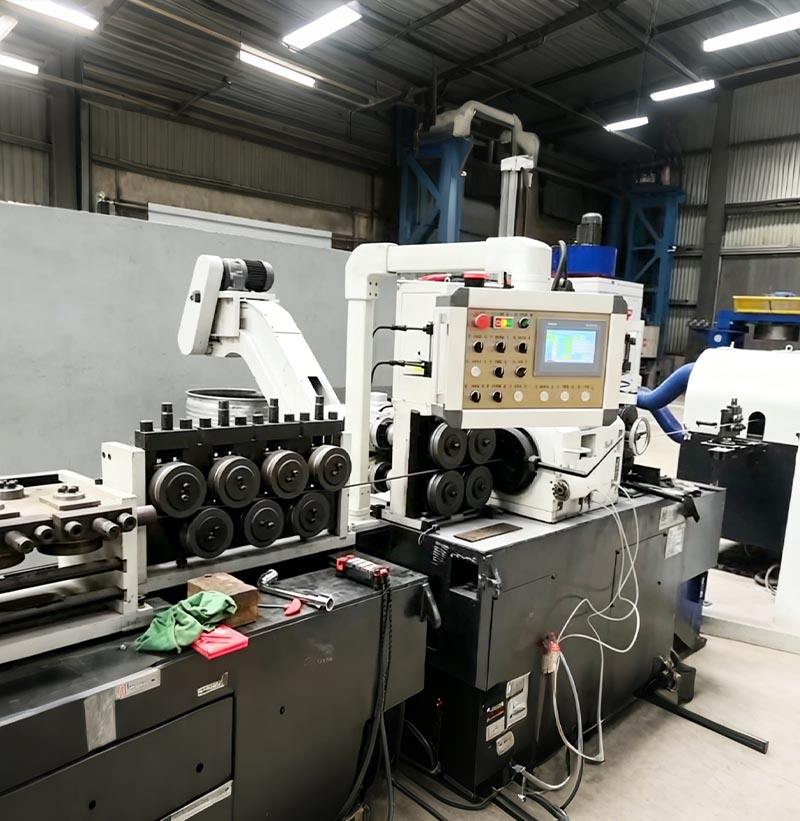
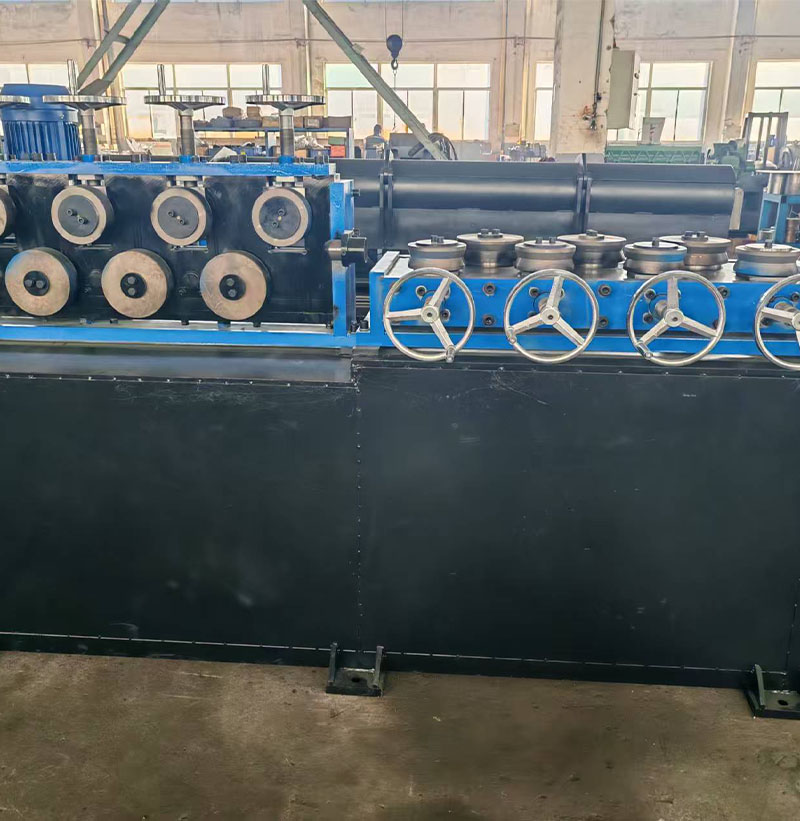
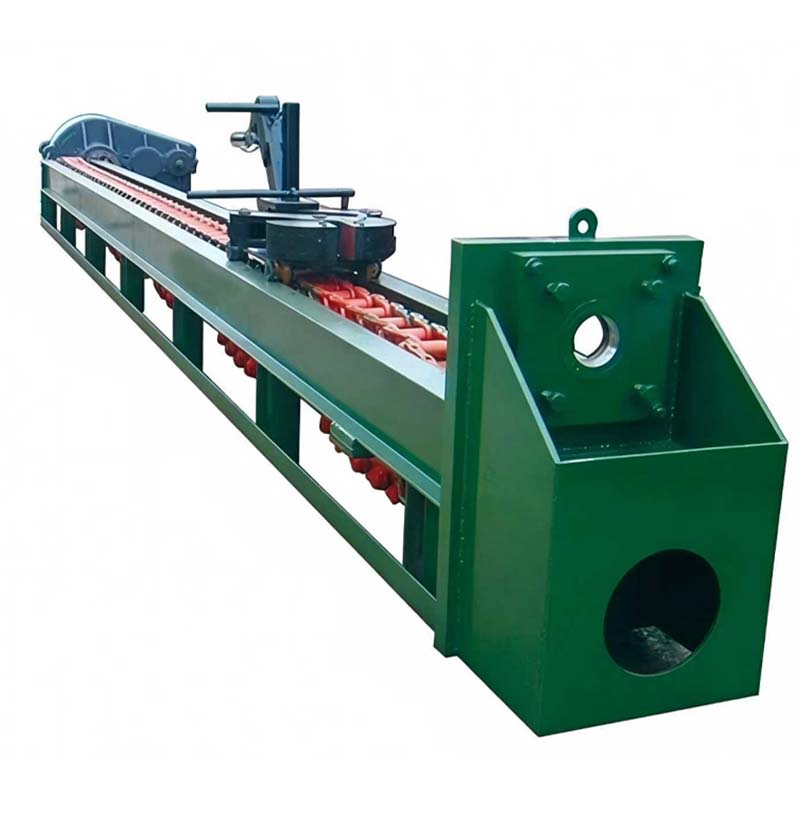
Straightening machine BS Series
A straightening machine is a device used to straighten metal profiles, bars, tubes, and wires. The straightening machine uses straightening rollers to compress the material, altering its straightness. Generally, there are two rows of straightening rollers, with varying numbers of rollers. There are also two-roller straightening machines, which rely on the angle change of two rollers (with a concave, hyperbolic shape) to straighten materials of different diameters.
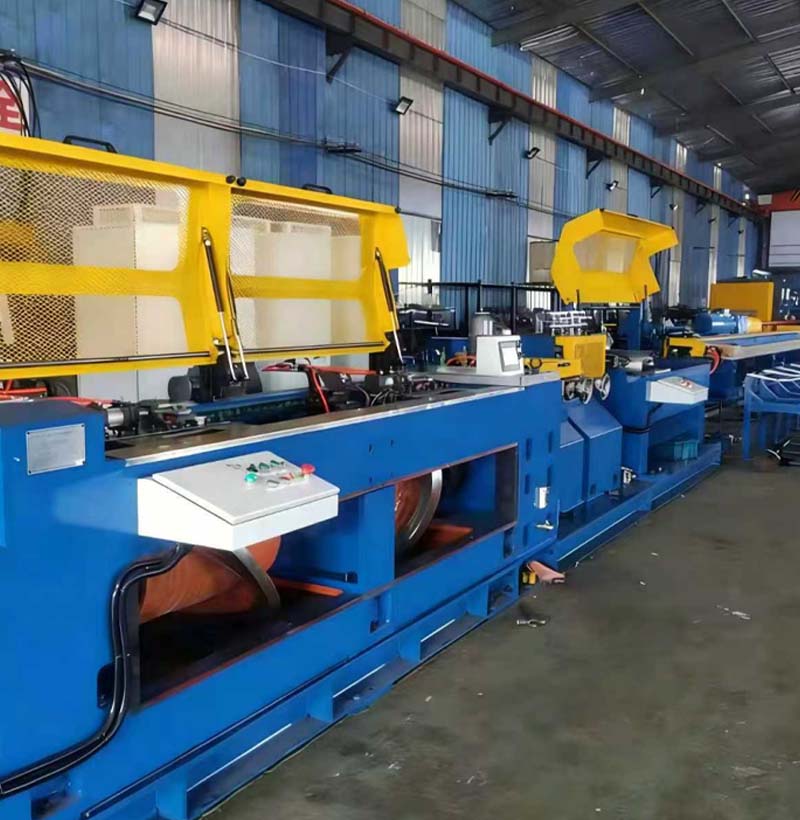
our service
service
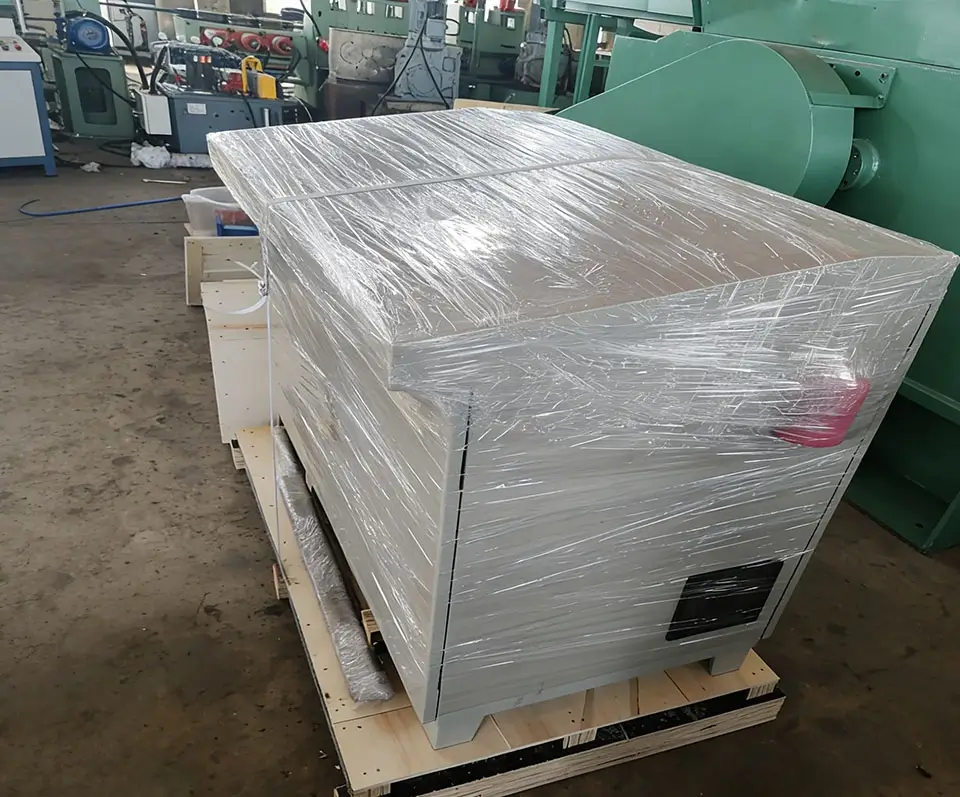
We have rich experience in export packaging with professional packaging and professional packing staff. Multilayer packaging is adopted with critical area wrapped with moisture proof and shock proof film, plywood box, or wood box and tray. Multiple reinforcement measures is applied to ensure the solid fixation of equipment on packing box and tray, and the stability of equipment in the container.
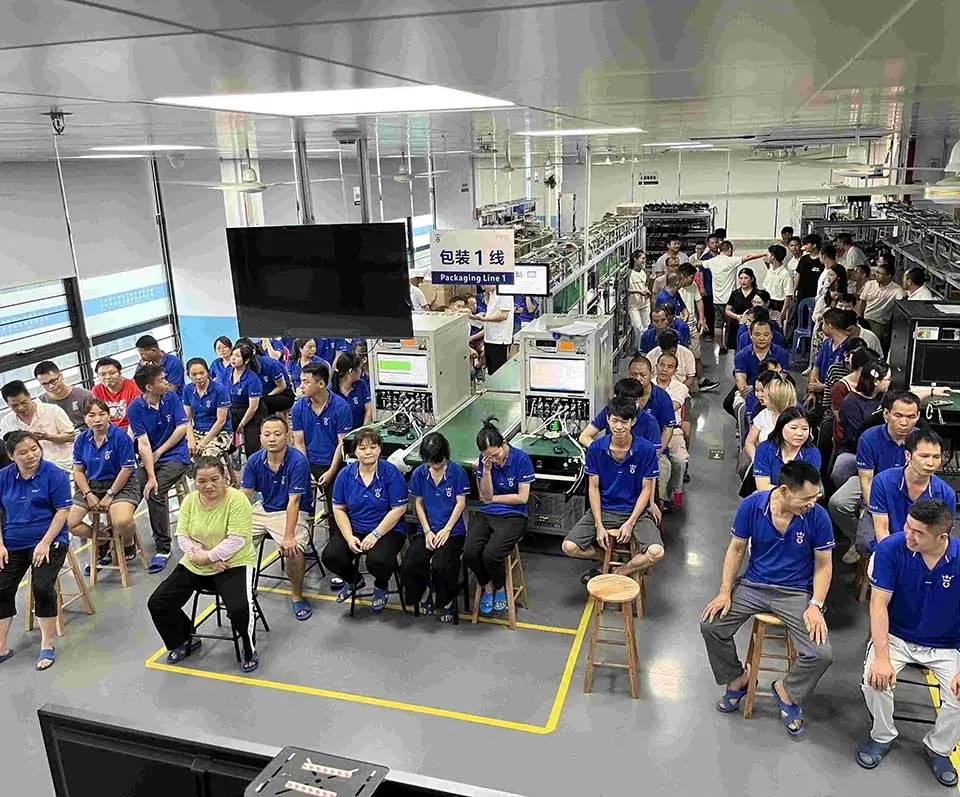
1.Provide free warranty period of 12 months
2.Provide long term free technical support
3.The buyer’s can be trained in our factory for free.
4.Quick response within 24 hours
5.Provide overseas services such as installation instruction, equipment commissioning and operation training.
Industry case
case
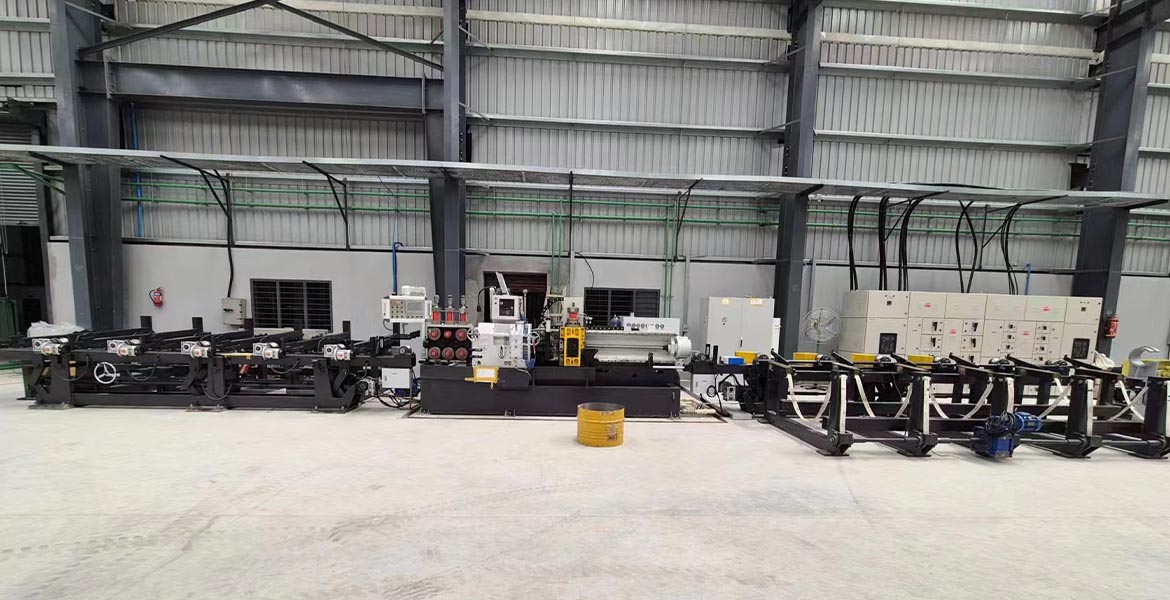
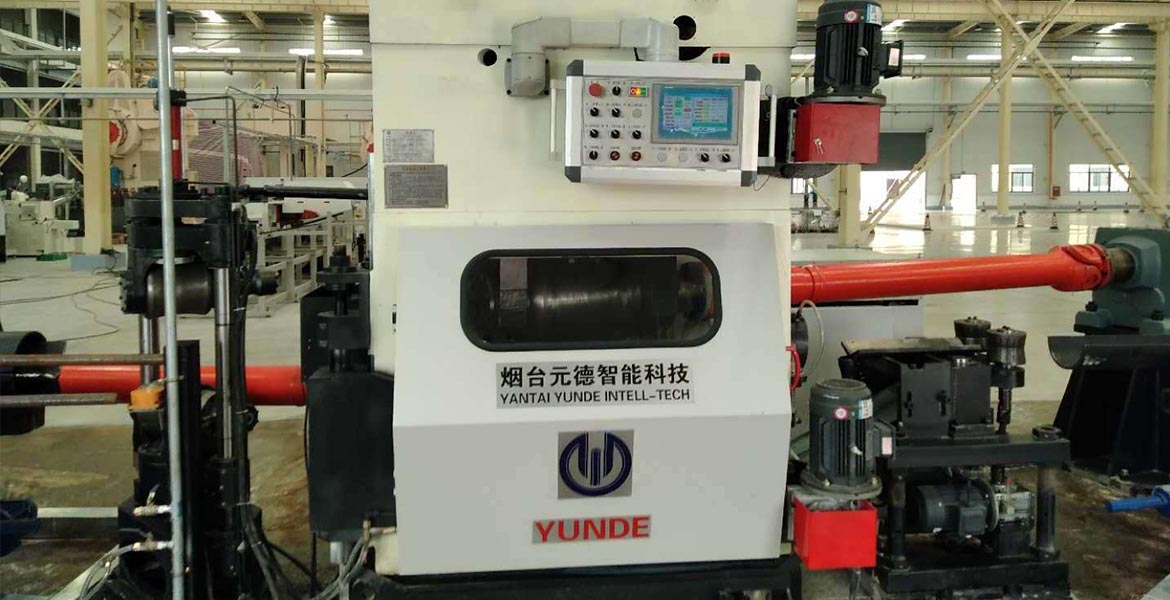
PM40S CNC PEELING MACHINE(CENTERLESS LATHE)
A PM40S high-speed CNC bar peeling machine (centerless lathe) purchased by a major Indian bright steel manufacturer has successfully completed its trial run.
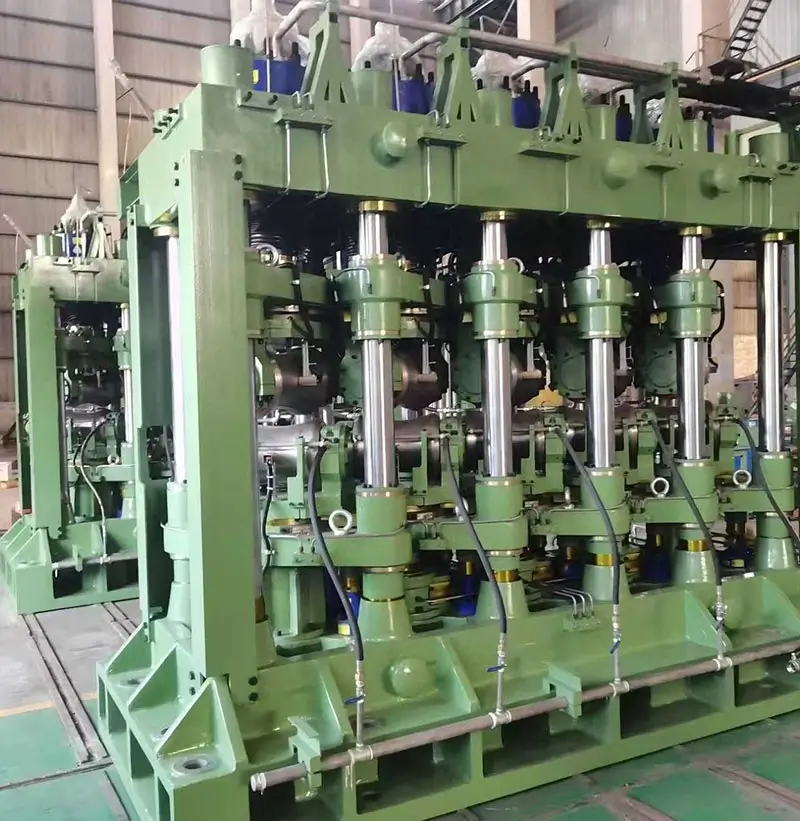
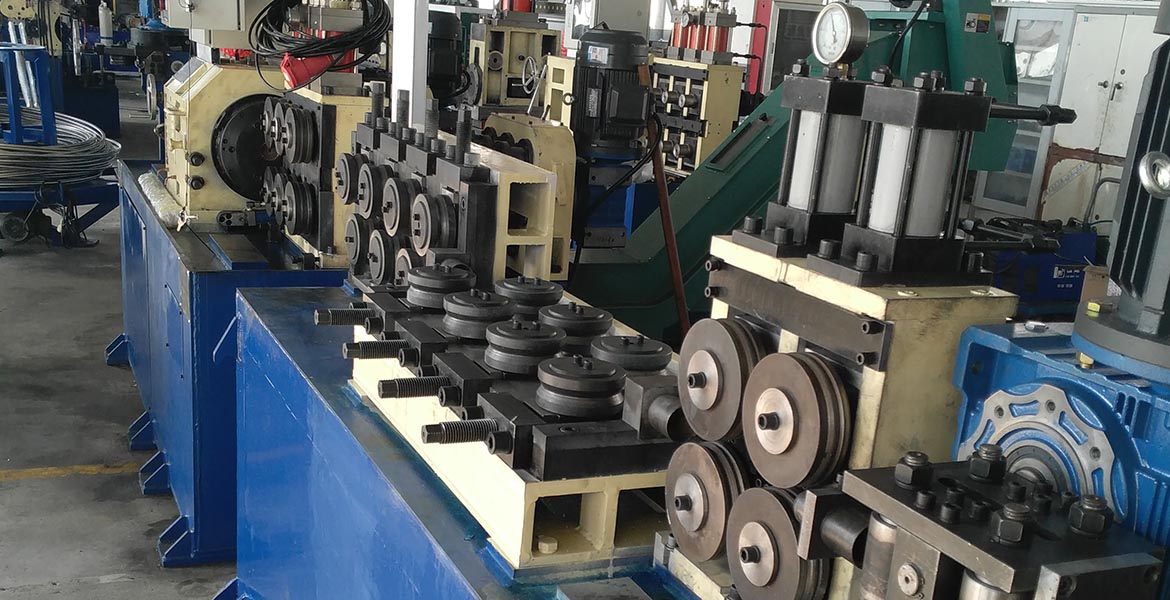
BS100 STRAIGHTENING MACHINE
A BS100 frame-type straightening machine for a Chinese steel plant customer has successfully completed its trial run and is now in operation.
Coil to coil(bar) peeling production line
A wire rod peeling production line for a customer in Shaanxi province has successfully completed its trial run and is now in operation.
Industry Solutions
solution
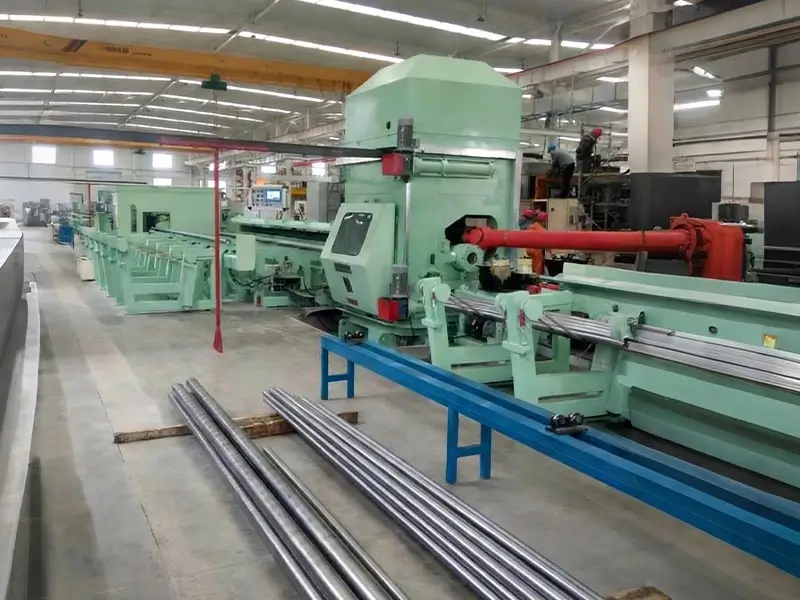
Rough straightening +peeling+ precision straightening
The black bars are pre-straightened using a rough straightening machine with hydraulic protection, then processed by a peeling machine to obtain bright bars, and finally processed by a precision straightening machine to achieve higher straightness and surface finish.
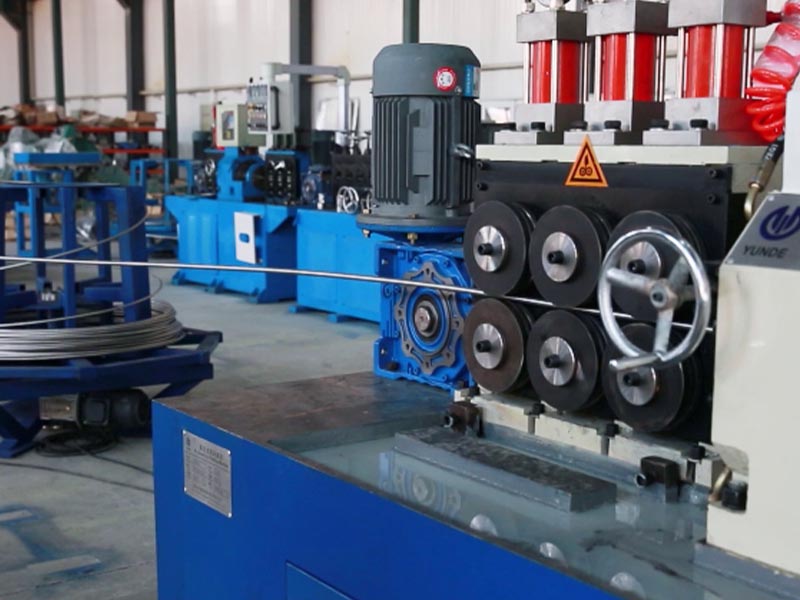
Uncoil+peeling+cutting off+straightening production line
The wire rod is unwound using an uncoiler or payoff reel, then the scale is removed by a peeling machine. The wire is then cut to the required length using a cutting machine, and finally, a straightening machine is used to achieve better straightness and surface finish.
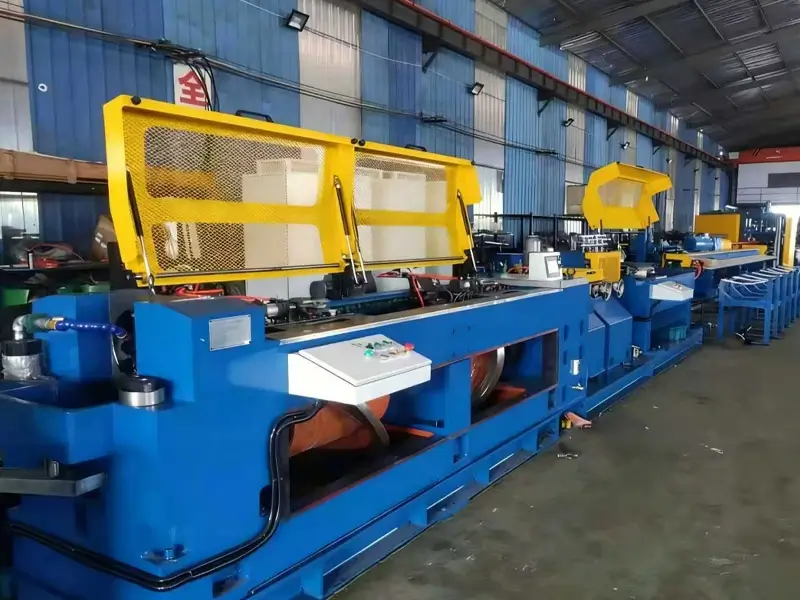
Uncoiling and Pre-straightening+Continuous Drawing and Forming+Precision Straightening+Surface Finishing
Uncoiling and Pre-straightening: The coiled raw material is unwound and preliminarily straightened to relieve internal stresses.
Continuous Drawing and Forming: Through a multi-die continuous drawing process, the material’s cross-section is reduced while its length is elongated, achieving single-pass forming.
Precision Straightening: A secondary, high-precision straightening step is performed post-drawing to ensure straightness (typically <0.30 mm/m).
Cut-to-Length: The material is automatically cut to the required length with high precision.
Surface Finishing: Polishing and/or burnishing operations are conducted to enhance surface finish (Ra <1.6 μm).
Finished Product Collection: Automatic stacking and bundling complete the full automation of the entire process workflow.
ABOUT COMPANY
Yunde only produces high-quality products. Reputation first, attentive service.
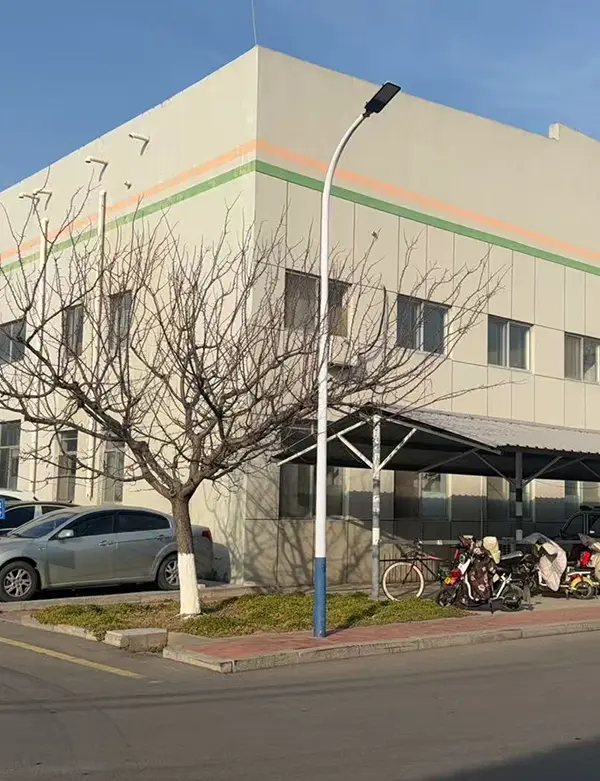
Yantai Yunde Intelligent Technology Co., Ltd. is a company specializing in the production of centerless lathes (peeling machines), straightening machines, polishing machines, and other round steel finishing equipment. Our products are used for round steel peeling, precision straightening, and polishing, and are dedicated equipment for the finishing and processing of new-generation slender shafts, bright steel (bright materials), bars, and steel pipes.
The centerless lathes and straightening and polishing machines produced by our company feature simple operation, low noise, and high processing speed. The combination of centerless lathes and straightening and polishing machines forms an automatic production line for peeling and precision straightening of long round metal parts such as slender shafts, bars, rods, discs, and steel pipes, producing high-precision bright metal materials. This is an upgraded alternative to traditional cold drawing and pickling processes, as well as the combination of conventional lathe turning and centerless (rough) grinding.
The centerless lathes and straightening and polishing machines produced by our company feature simple operation, low noise, and high processing speed. The combination of centerless lathes and straightening and polishing machines forms an automatic production line for peeling and precision straightening of long round metal parts such as slender shafts, bars, rods, discs, and steel pipes, producing high-precision bright metal materials. This is an upgraded alternative to traditional cold drawing and pickling processes, as well as the combination of conventional lathe turning and centerless (rough) grinding.
The company consistently adheres to the work philosophy of "integrity and quality"; we strive to meet the diverse needs of our customers with focused technology, excellent quality, timely delivery, and superior service. The company has a dedicated R&D department and after-sales service team, providing professional solutions based on customer needs and continuously introducing more advanced new products through innovative technologies. In the future, we will, as always, uphold the corporate tenet of "reputation first, attentive service," and establish a new benchmark in the mechanical processing industry.

00
+Factory building area

00
+Number of employees

00
+Years of production experience

00
+Domestic and foreign customers
OUR BLOG
BLOG

When Does Bar Peeling Beat Industrial Surface Roughening?
Learn when bar peeling fits defect removal and when industrial surface roughening is the better surface-treatment route.
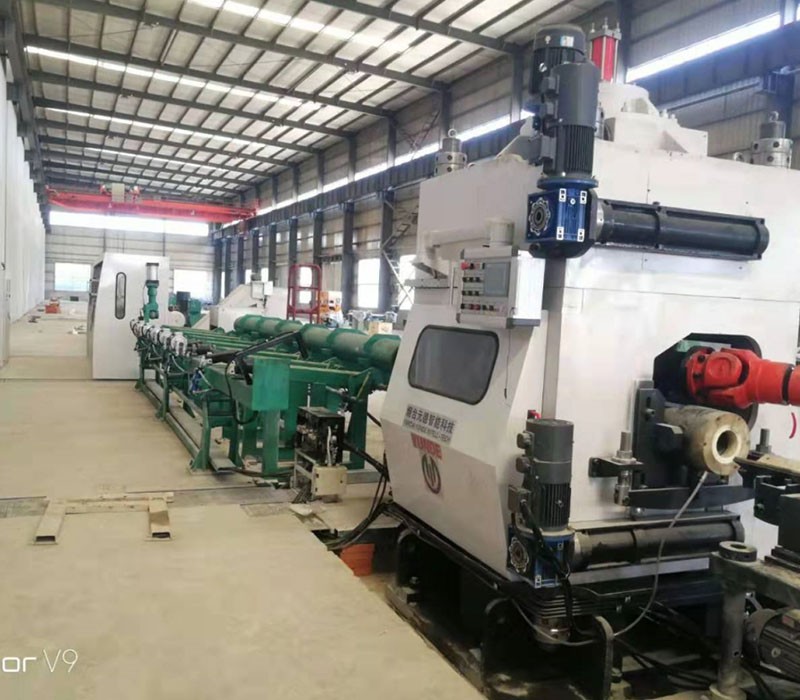
Steel Bar Straightening Problems and Practical Fixes
Resolve steel bar straightening faults by tracing residual bow, surface marks and end diameter changes in BS series two-roll machines.
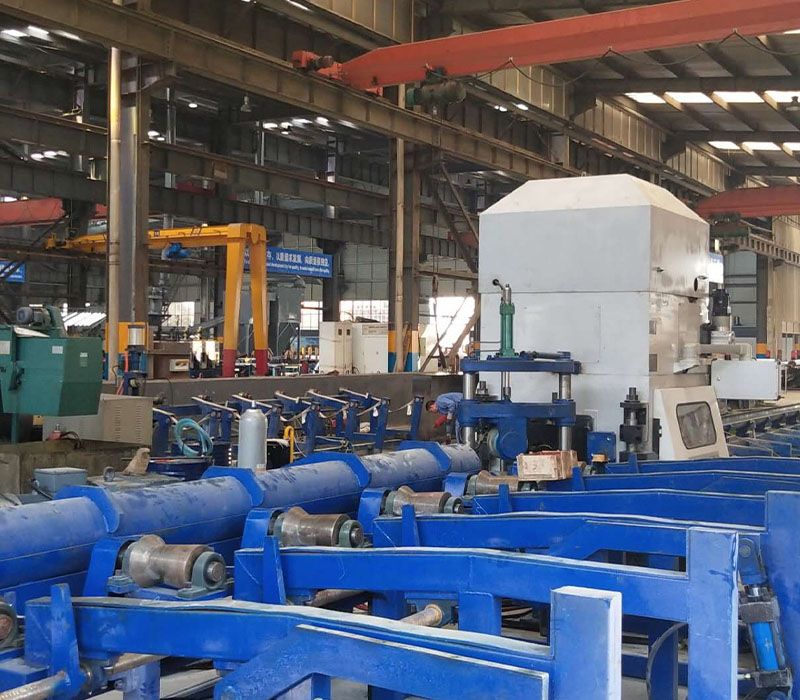
How Automated Straightening Lines Cut Labor Costs
Learn how automated straightening lines reduce labor cost by stabilizing feed, settings, inspection, and material handoffs.