
ABOUT US
Yantai Yunde Intelligent Technology Co., Ltd. has only 30 years of production experience, has served more than 300 domestic and foreign customers, and has produced more than 2,000 machines.
GET A FREE QUOTE
-
Home

-
Products
-
Straightening machine
- Straightening machine BS Series
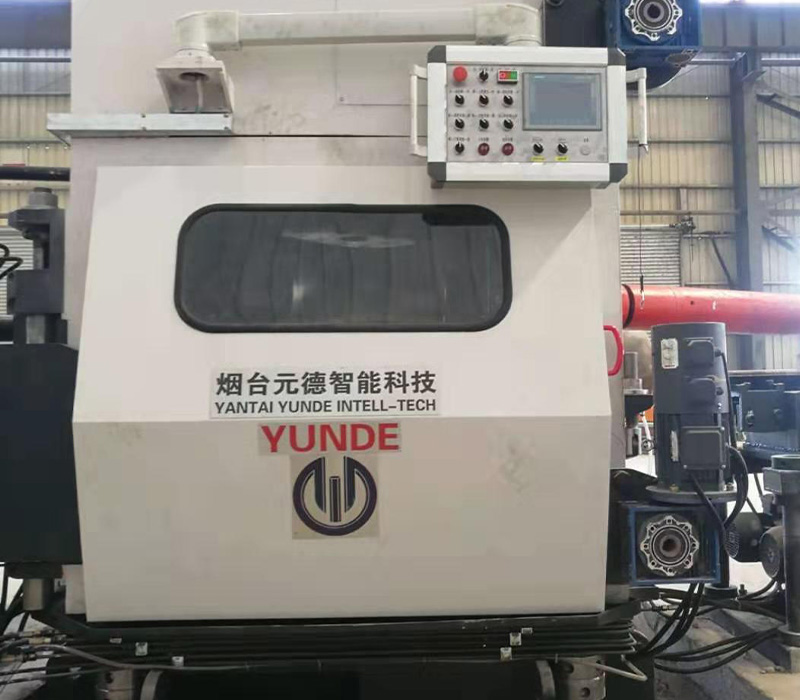
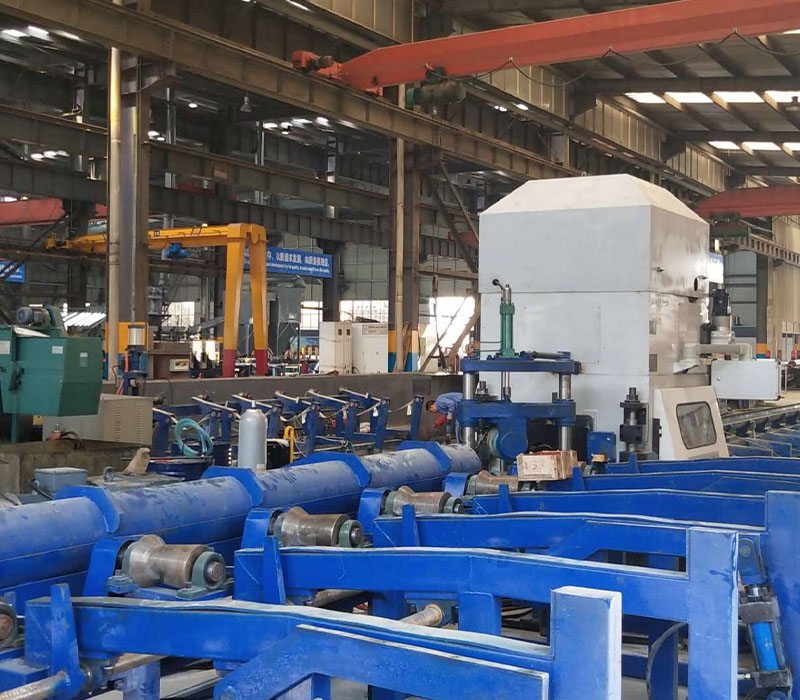
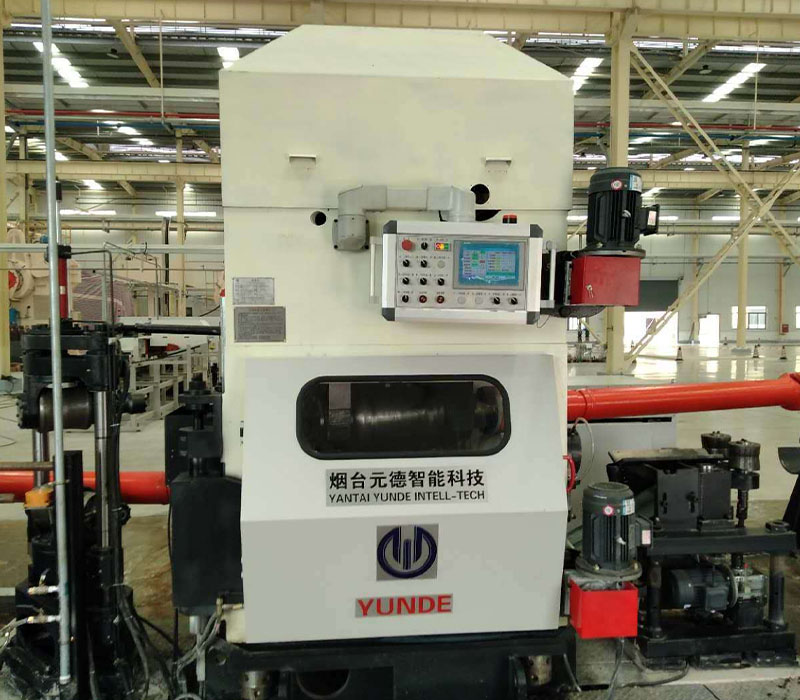
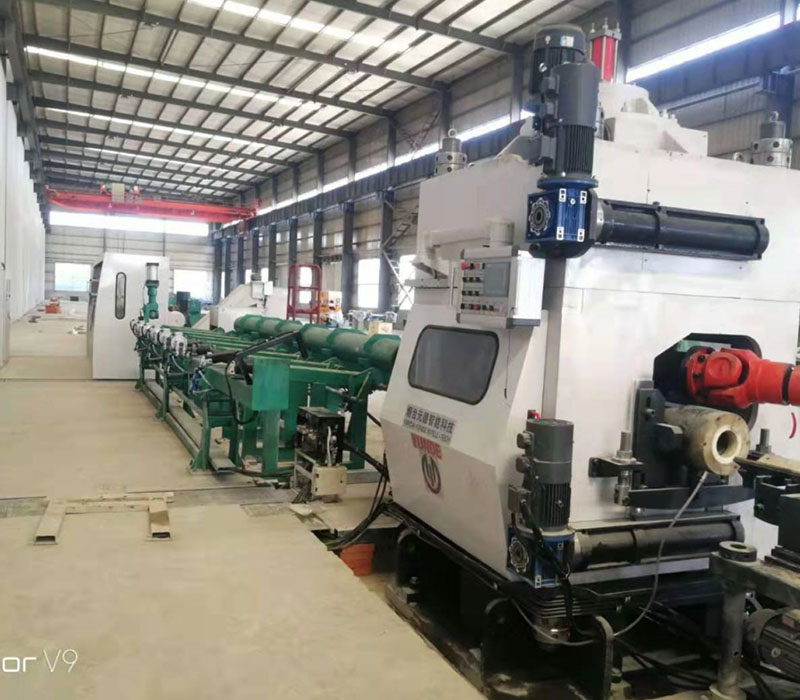
Straightening machine BS Series
A straightening machine is a device used to straighten metal profiles, bars, tubes, and wires. The straightening machine uses straightening rollers to compress the material, altering its straightness. Generally, there are two rows of straightening rollers, with varying numbers of rollers. There are also two-roller straightening machines, which rely on the angle change of two rollers (with a concave, hyperbolic shape) to straighten materials of different diameters.
-
Product Features
1.The concave and convex roller linear contact straightening can realize full length processing with high precision.
2.Constant pressure load control and roller compaction principle and flexible frame structure are applied to make it more suitable for high strength materials straightening. With larger straightening force and better security, it can both protect the machine and at the same time reduce the phenomenon of diameter shrinkage of bar ends.
3.With separate hydraulic system, pressure holding and load releasing can be convenient, fast, secure and reliable.
-
Product Advantages
4.Better cost performance with low price and high quality compared with similar products.
5.The guide plate adopts gantry structure, which means convenient, fast, and reliable installation.
6.Overall framework of the structure means the strength of the whole machine is high, and the position of the roll gap is accurate.
7.Frequency converter adds brake unit and braking resistor, which increases the durability of the converter.
| Model | Diameter Range(mm) | Length (m) | Speed(m/min) | Diameter Tolerance | Surface Roughness (μm) | Straightness(mm/m) | Main Motor Power | Structure |
| BS20 | Φ6–20 | ≥2 | 10~40 | ≤IT8 | Ra≤0.8 | 0.10 | 7.5*2 | Frame |
| BS40 | Φ10–40 | ≥2 | 10~35 | ≤IT8 | Ra≤0.8 | 0.15 | 22*2 | Frame |
| BS60 | Φ15–60 | ≥2 | 10~30 | ≤IT8 | Ra≤0.8 | 0.20 | 30*2 | Frame |
| BS80 | Φ20-80 | ≥2 | 10~24 | ≤IT8 | Ra≤0.8 | 0.25 | 37*2 | Frame |
| BS100 | Φ25-100 | ≥3 | 10~24 | ≤IT8 | Ra≤0.8 | 0.30 | 45*2 | Frame |
| BS130 | Φ35-130 | ≥3 | 10~20 | ≤IT8 | Ra≤0.8 | 0.35 | 75*2 | Frame |
| BS160 | Φ40-160 | ≥3 | 10~20 | ≤IT8 | Ra≤0.8 | 0.40 | 90*2 | Frame |
OUR PRODUCTS
Best-selling Products
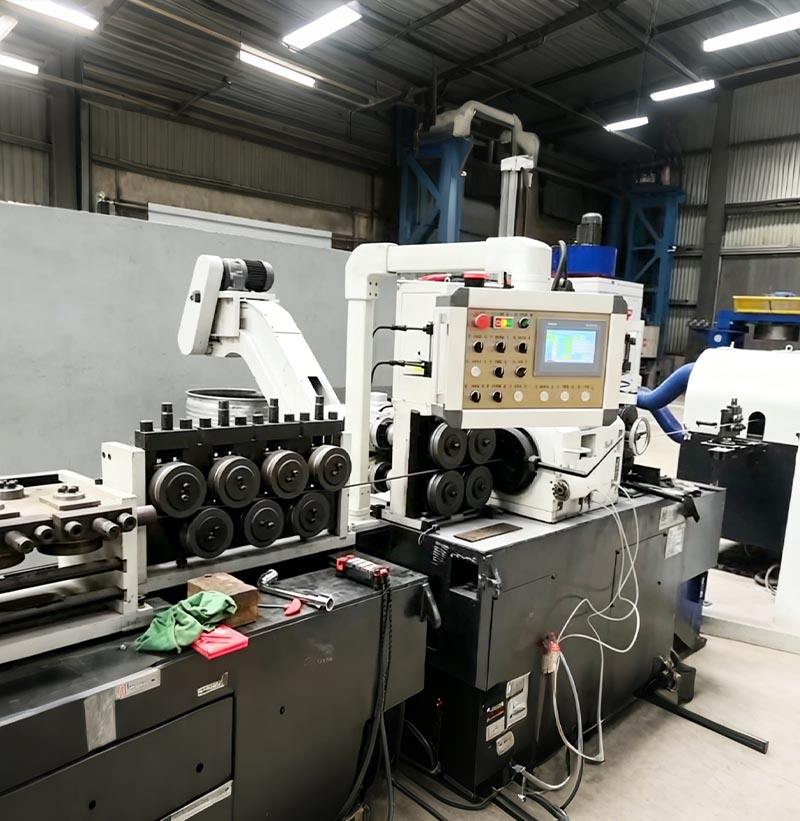
Coil To Bar Peeling&Straightening Line
Stainless steel wire rod is decoiled and pre-straightened, then peeled using a centerless lathe and cut to a precise length. Following a final precision straightening pass through a two-roll straightener, the resulting product is a high-precision stainless steel straight bar.
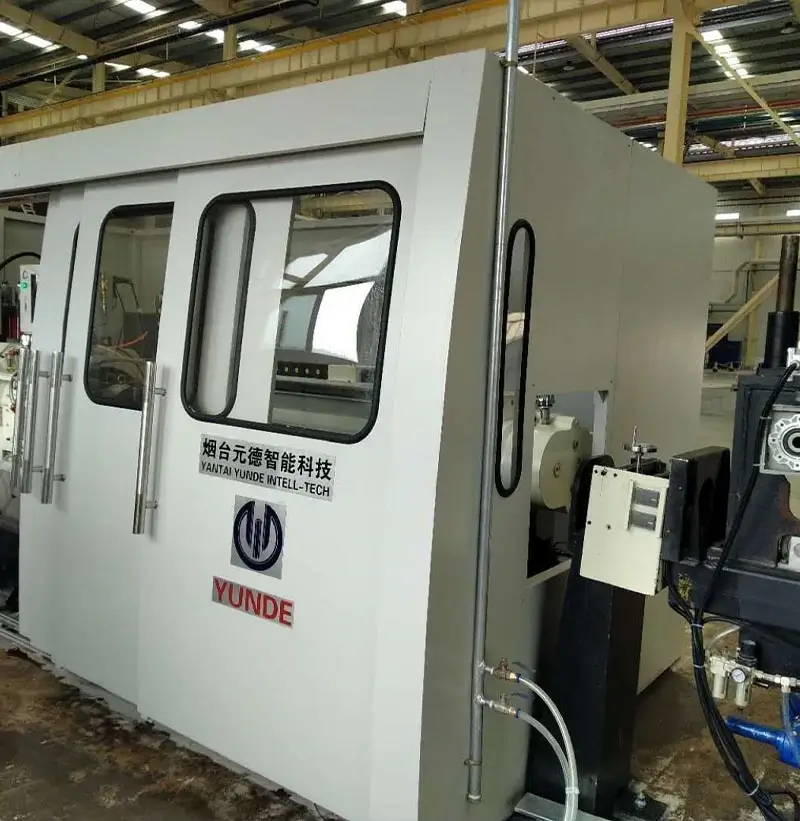
Peeling machine(centerless lathe)
The peeling machine (centerless lathe) unit is a product independently developed after comparing and contrasting the advantages of similar foreign products and combining them with the production characteristics of domestic enterprises, resulting in a simplified and optimized design.
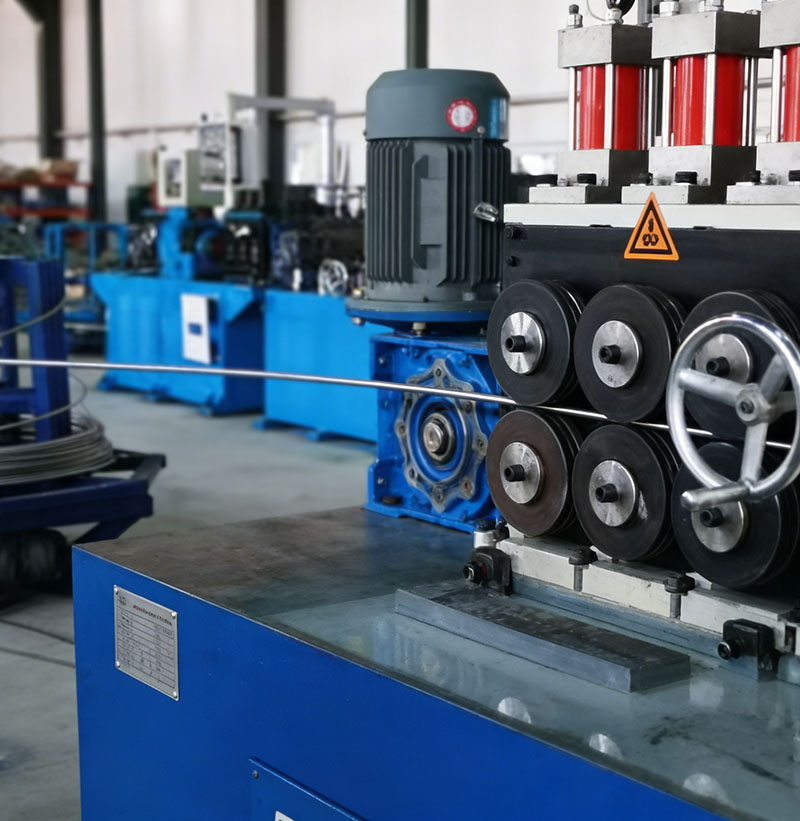
Coil to coil production line
Coil to coil production line is a serial of the machines includes payoff & straightening machine, peeling machine, clamping mechanism, pre-bending device, recoiler machine etc. through above machines, the black coil rod will be processed to bright coil rod with good surface quality
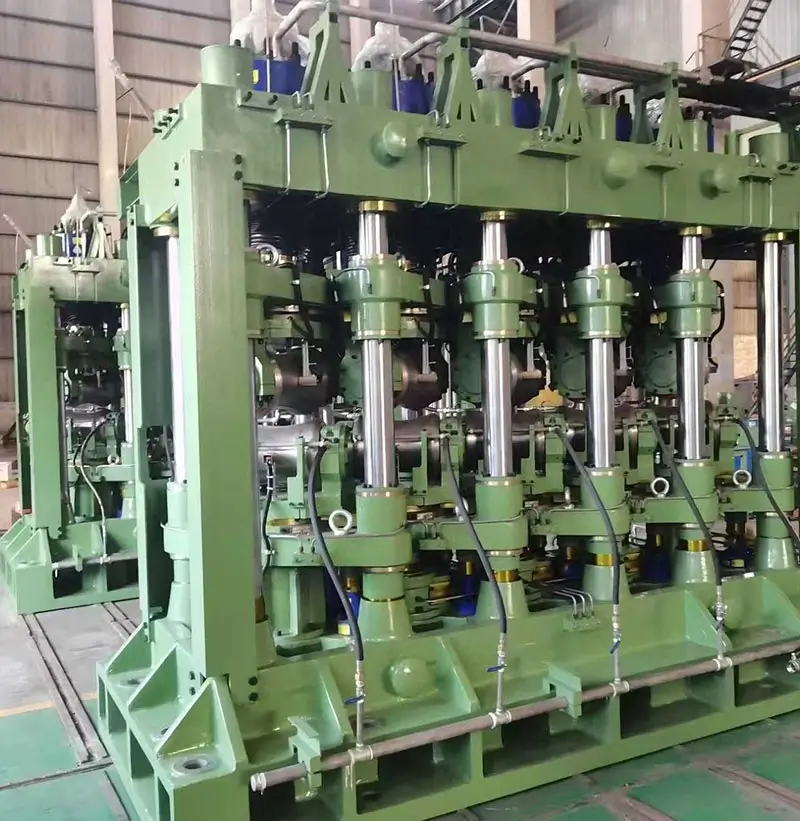
Multi-Roll Steel Pipe Straightening Machine
It is a mechanical device used to straighten the curvature and ovality of steel pipes. It is used to straighten pipes made of high alloy, corrosion-resistant, heat-resistant, heat-resistant steel and alloy, iron-nickel, nickel and titanium alloys , so as to reduce longitudinal non-straightness and cross-sectional non-roundness.
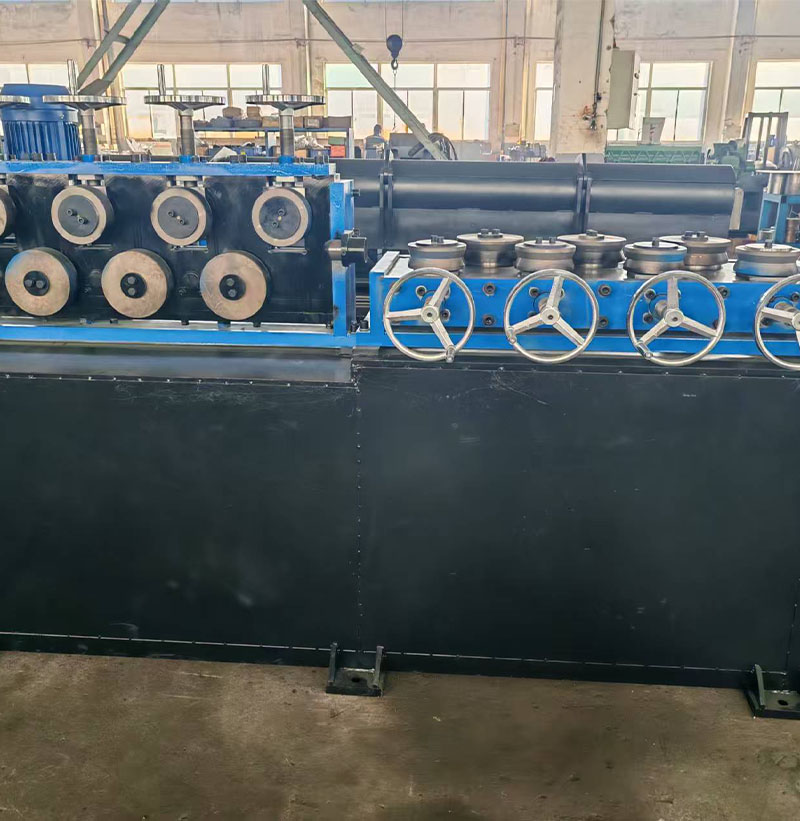
Horizontal and vertical straightening machine
Release the handwheel of the multi-roll horizontal and vertical straightening machine to allow the wire coil to pass through the straightening rollers. Tighten the handwheel to the empirically determined position, start the feeding device, and perform repeated straightening trials. Then feed the wire coil to the vertical straightening rollers, following the same procedure as for horizontal straightening. Finally, feed the wire coil to the peeling machine's feeding device.
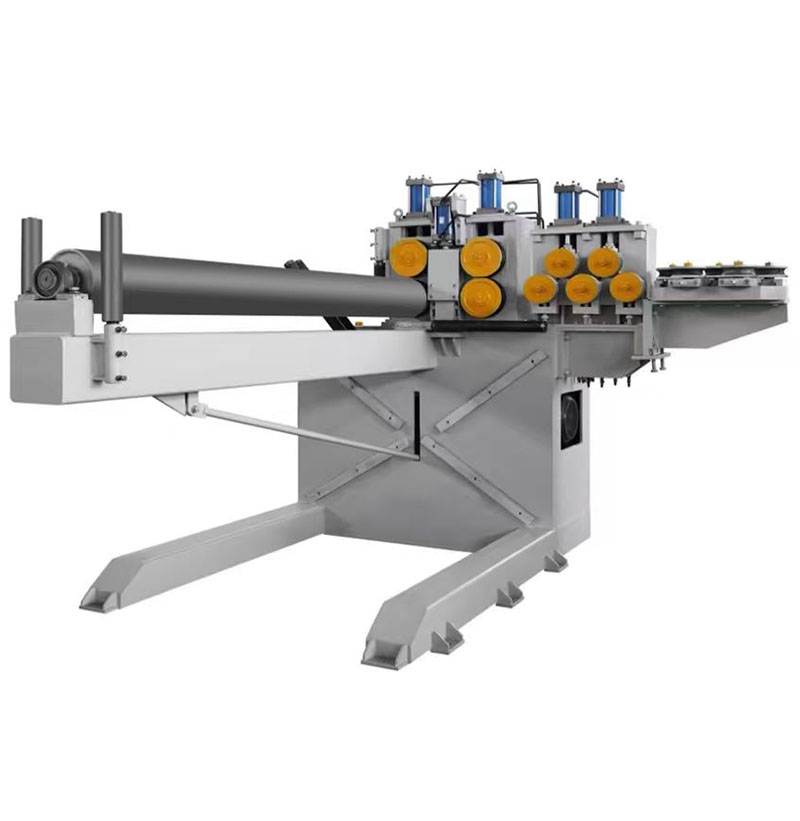
Uncoiler & pre-straightening integrated machine
Including: uncoiler, point straightening and horizontal and vertical straightening.
The coil is turned into the rotary drum arm of the uncoiler by a crane, and one end of the coil material is placed between the feeding rollers. Motor-worm gear reducer-double sprocket-gear box-drive roller, and then lock and delivery by the cylinder pressure wheel, all operations can be electrical automation control, no manual operation.
OUR LATEST
Our Latest Blog & News

When Does Bar Peeling Beat Industrial Surface Roughening?
Learn when bar peeling fits defect removal and when industrial surface roughening is the better surface-treatment route.
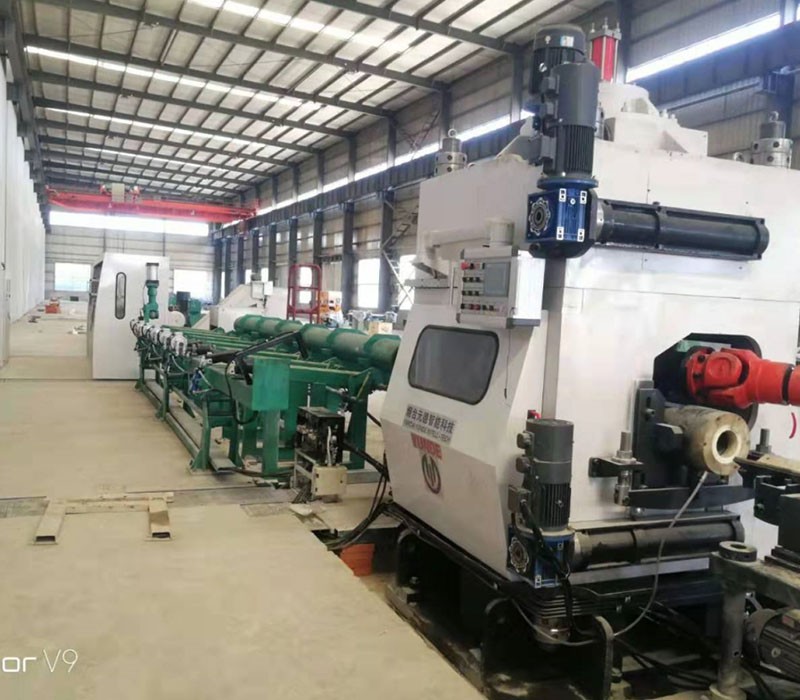
Steel Bar Straightening Problems and Practical Fixes
Resolve steel bar straightening faults by tracing residual bow, surface marks and end diameter changes in BS series two-roll machines.
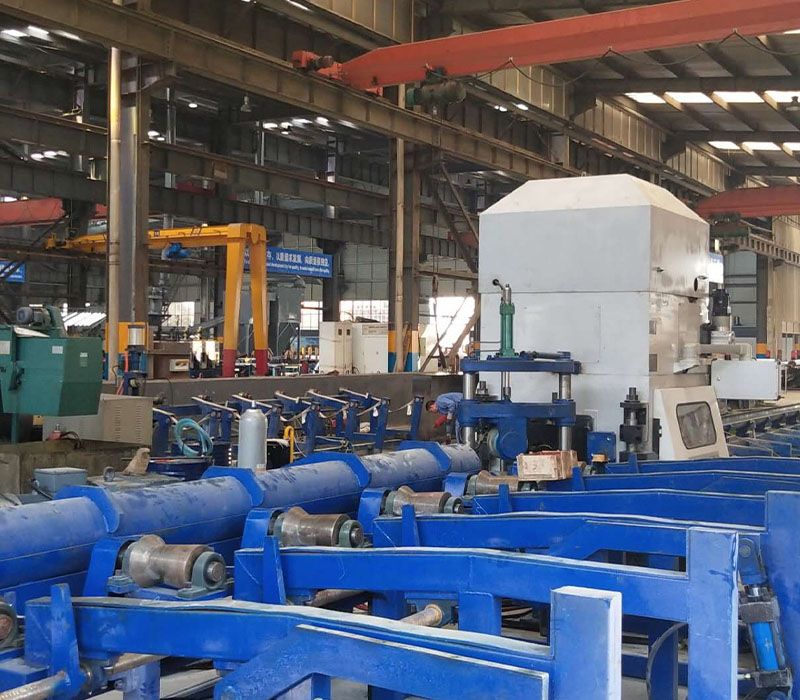
How Automated Straightening Lines Cut Labor Costs
Learn how automated straightening lines reduce labor cost by stabilizing feed, settings, inspection, and material handoffs.
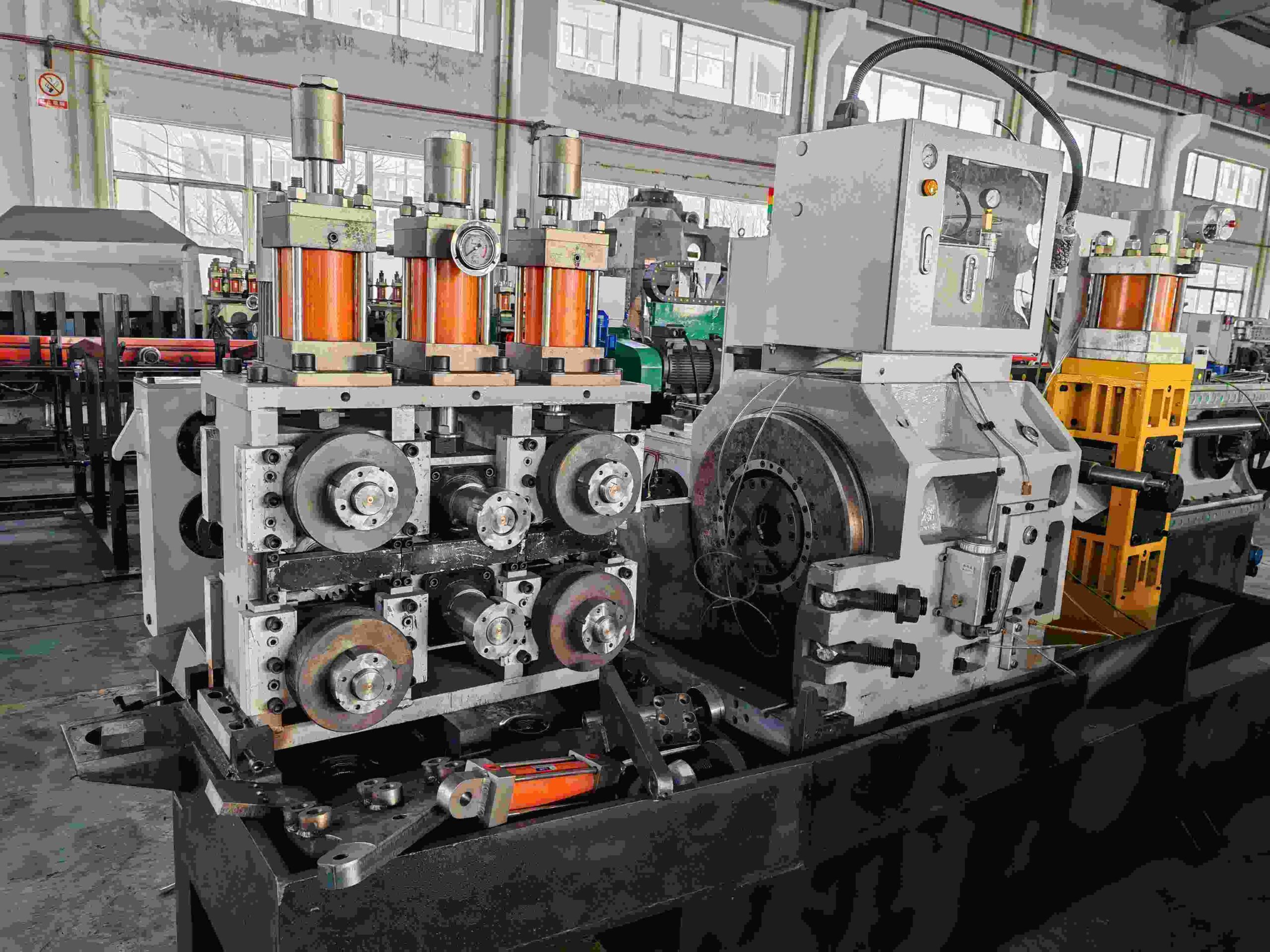
How to Select Cutting Tools for Steel Bar Peeling Machines?
Choose peeling machine cutting tools by matching steel condition, insert grade, geometry and cutting depth, then compare tool life in a controlled trial.
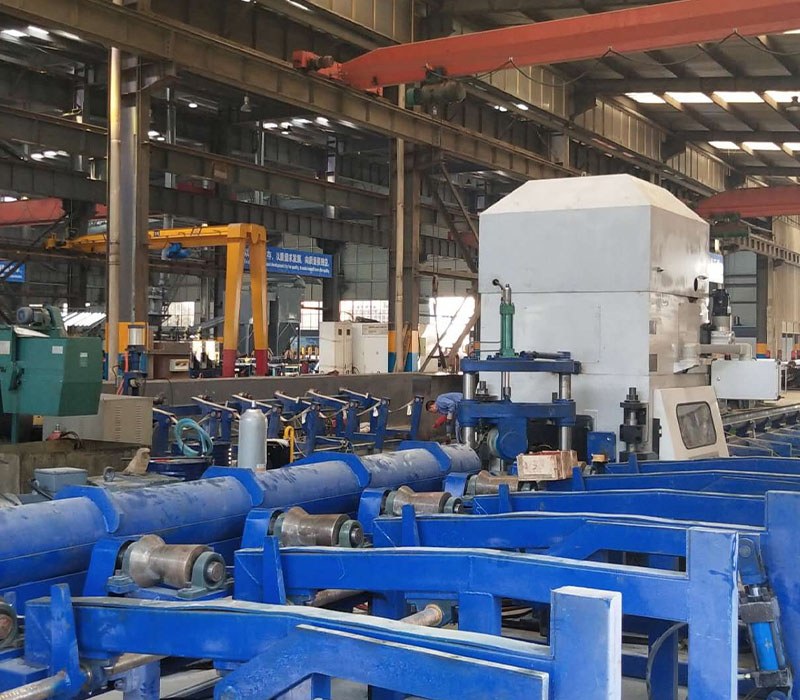
Bar Straightening for Precision Component Manufacturing
See how BS two-roll bar straightening supports precision machining through better stock geometry, clear accuracy criteria and material-specific trials.
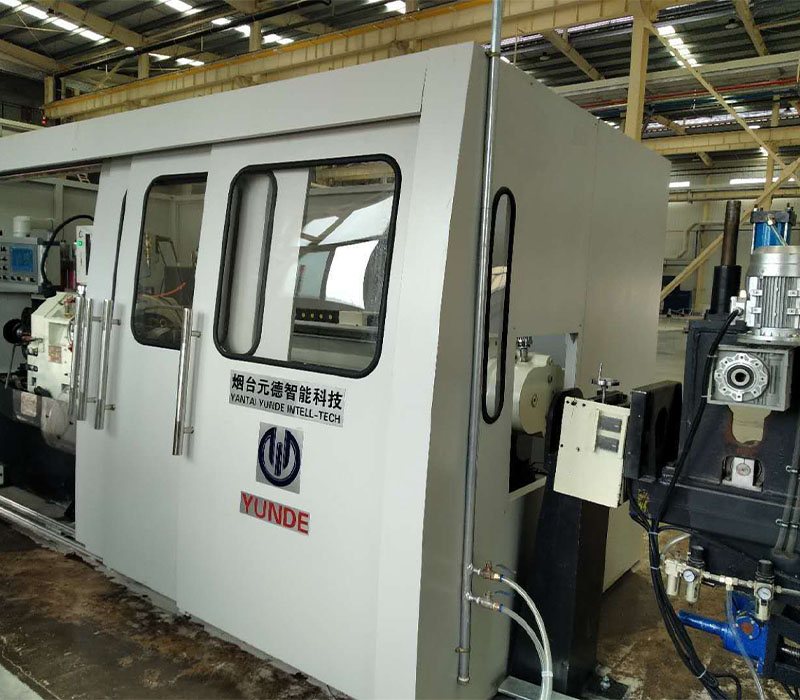
How to Reduce Material Waste in Steel Bar Peeling
Reduce steel bar peeling waste with trial cuts, measured allowances, model-range checks, and repeatable output control.
SERVICES
Services
Export Package
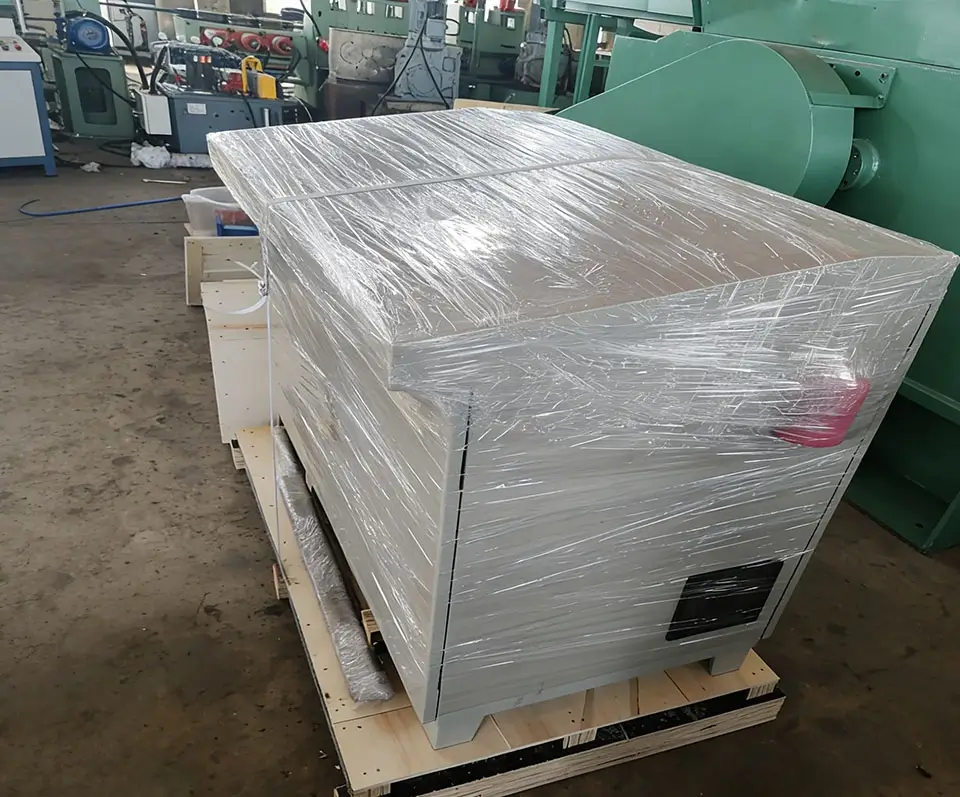
We have rich experience in export packaging with professional packaging and professional packing staff. Multilayer packaging is adopted with critical area wrapped with moisture proof and shock proof film, plywood box, or wood box and tray. Multiple reinforcement measures is applied to ensure the solid fixation of equipment on packing box and tray, and the stability of equipment in the container.
Aftersale service
1.Provide free warranty period of 12 months
2.Provide long term free technical support
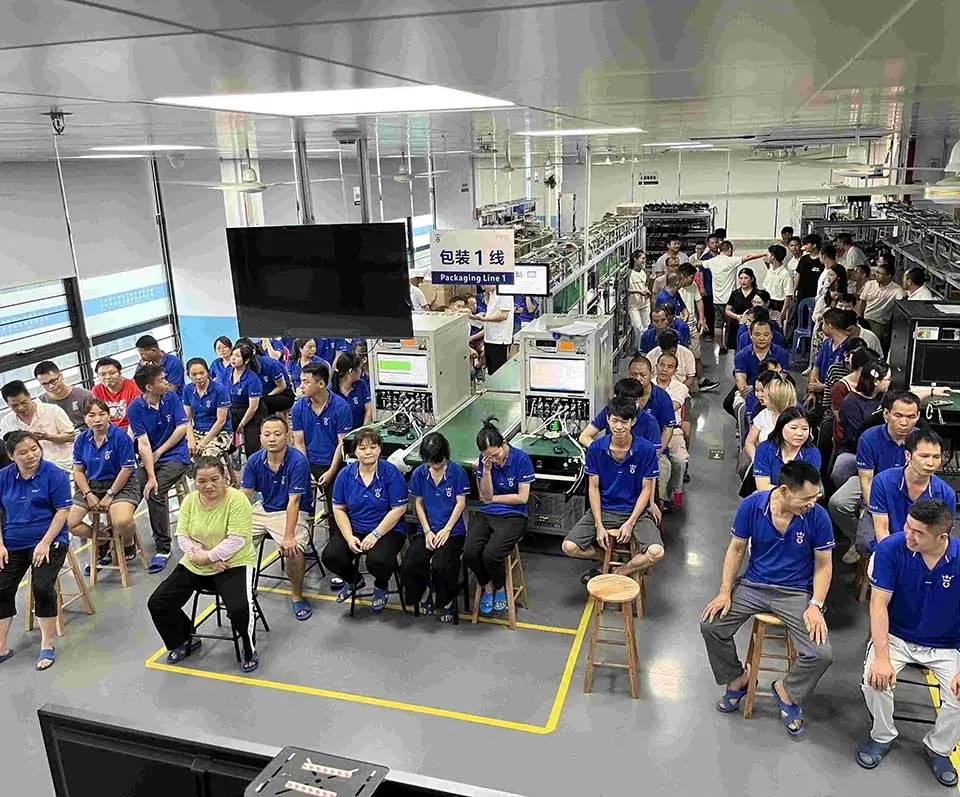
3.The buyer’s can be trained in our factory for free.
4.Quick response within 24 hours
5.Provide overseas services such as installation instruction, equipment commissioning and operation training.