
ABOUT US
Yantai Yunde Intelligent Technology Co., Ltd. has only 30 years of production experience, has served more than 300 domestic and foreign customers, and has produced more than 2,000 machines.
GET A FREE QUOTE
-
Home

-
Blog
-
Industry Blogs
- What Makes a High-Speed Bar Peeling Machine Essential for Industry 4.0?
What Makes a High-Speed Bar Peeling Machine Essential for Industry 4.0?
-
 author
 - 28,May
Evolution of Metal Finishing in the Digital Age
The move from old-style production to Industry 4.0 has fundamentally transformed the way worldwide supply networks see material standards. In this new era, the need for exact machine turned and peeled bars has grown sharply. Smart plants now focus on parts with no outer flaws and tight size correctness. Old ways, like cold drawing and cleaning, are giving way more to the current bar peeling process. By partnering with a reliable peeling machine manufacturer, this shift helps meet growing rules in business buying.
One key business hurdle includes clearing outer splits and decarburized layers that usual handling often misses. To tackle this, the high-speed bar peeling machine has come up as a vital part for manufacturers aiming to reach full local use of top tools. At the same time, they boost production efficiency. By adding smart sensors and auto guides, a steel bar peeling machine turns basic metal into exact bright steel. This steel fits the toughest technical applications.
Defining the High Speed Bar peeling machine and Surface Perfection
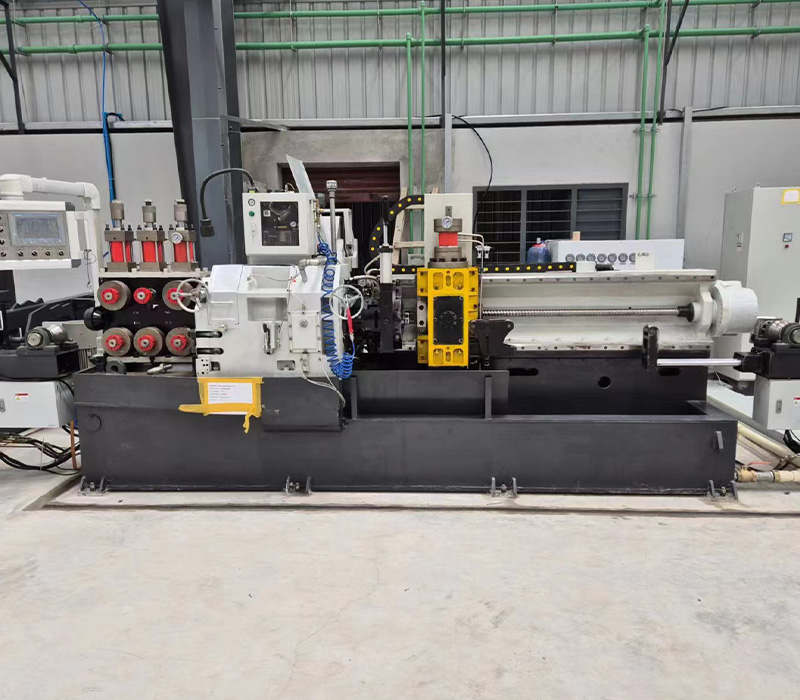
A steel bar peeling machine is a focused tool built to shape the outer layer of thin rods, pipes, and other metal round pieces. Unlike standard turning, this method uses a spinning cutter head. The material shifts in a straight line. As a result, it quickly clears outer issues like rust layers and buildup.
The tech goals from this method are key to Industry 4.0 rules. For example, good machines create outcomes with an outer roughness of Ra ≤ 1.6 μm. They also keep size allowances firmly in IT8. This exactness makes sure the final bright bars work right away in auto setup lines. They need no extra fixing work.
Why High-Speed Performance is Crucial for Industry 4.0
In smart production settings, output rate stands as a must-meet measure. The high-speed bar peeling machine offers handling rates that run many times quicker than old methods. Feeding rates hit up to 18-30 m/min based on the exact type and material width. This significant improvement in flow comes mostly from new drive setups. Unlike old matching belt systems, current ones use exact bearings and finely shaped gear drives. These raise the flow by 2 to 3 times. Plus, they bring better steadiness and longer working time.
Resource use stands as another base of Industry 4.0. Better peeling tools now increase efficiency by 50% in flow. They keep energy-saving runs and cut long-run costs. This lets plants grow output without a straight-line jump in power use or upkeep stops.
Technical Specifications for PM Series Bar Peeling Machines
| Model | Diameter Range (mm) | Max Feeding Speed (m/min) | Total Power (kW) | Surface Roughness |
| PM40 | Φ6 ~ Φ40 | 18 | 45 | Ra ≤ 1.6 μm |
| PM60 | Φ12 ~ Φ65 | 15 | 55 | Ra ≤ 1.6 μm |
| PM80 | Φ15 ~ Φ85 | 15 | 75 | Ra ≤ 1.6 μm |
| PM100 | Φ20 ~ Φ100 | 12 | 90 | Ra ≤ 1.6 μm |
| PM130 | Φ40 ~ Φ135 | 8 | 132 | Ra ≤ 1.6 μm |
| PM160 | Φ45 ~ Φ165 | 6 | 160 | Ra ≤ 1.6 μm |
| PM200 | Φ85 ~ Φ205 | 5 | 200 | Ra ≤ 1.6 μm |
| PM260 | Φ100 ~ Φ260 | 4 | 260 | Ra ≤ 1.6 μm |
| PM350 | Φ150 ~ Φ360 | 2 | 465 | Ra ≤ 1.6 μm |
How CNC Automation Transforms the Peeling Process
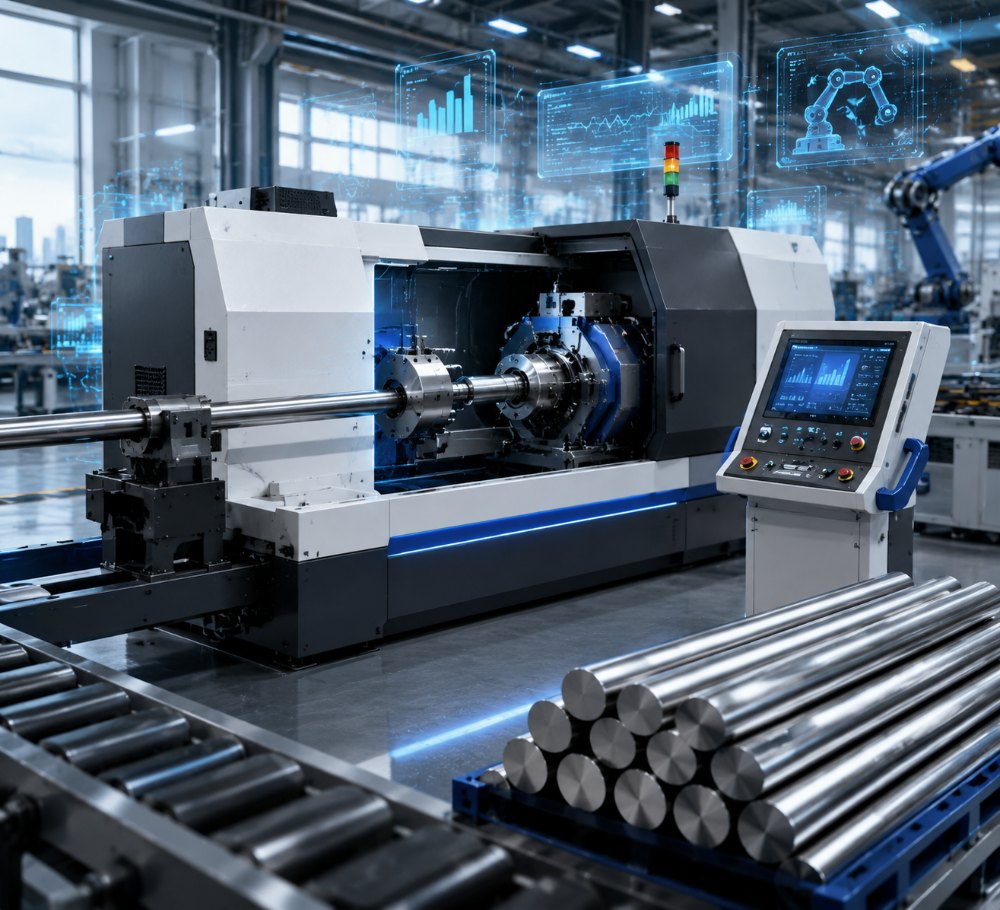
The link of the PLC multi-point control is what really ties the steel bar peeling machine to the Industry 4.0 setup. This auto feature lets online power tool tweaks happen without halting the tool. That proves key for keeping steady output rounds.
- PLC setups allow live links and info tracking.
- Closed-looponline material width guide fixes small changes in base stock. This greatly raises correctness.
- The CNC build joins mechanical, power, and hydraulic systems. It reaches a strong level of auto work and ease of use.
- Auto pull systems with hydraulic cylindersand exact ball paths make sure smooth rod stock release. They avoid outer marks.
Strategic Factors for Peeling Machine Selection
Good peeling machine selection relies on a few work limits. First, the tool must show broad material fit. We have handled varied mixes including:
- Stainless steel (304, 306, 630)
- Bearing steel, spring steel, and tool steel
- Non-ferrous metals like titanium alloys, copper, and aluminum
On top of that, the gear should aid output line joining. A high-speed bar peeling machine should best pair with straightening and polishing machines. This forms an auto output line. It can do peeling, exact straightening, and ending in one flow. Last, check the seller’s build and study strength. Working with a provider that keeps a focused build and study hub and gives 24-hour post-sales support ensures lasting tech aid and return on investment (ROI).
Importance of Bright Steel in High-End Applications
The change to machine-turning and peeled bright steel comes from the needs of specific business fields. In machine making, automotive industry, and hydraulic and pneumatic component manufacturing, even small outer flaws can cause build breakdowns. By using a bar peeling process that clears decarburized layer and splits, manufacturers can promise the wholeness of their end items.
Following world rules forms the core of this field. Firm use of ISO9001 and SGS checks gives the needed promise for global supply networks. It confirms that the tools and items they make meet strict safety and standard steps.
Future-Proofing with Advanced Peeling Solutions
The steel bar peeling machine sets a fresh mark for current machine handling. As world fields shift to more green and flow-based “Industry 4.0” plans, the skill to make exact bright metal items with little waste and top pace turns into a market must. YUNDE has set itself as a frontrunner in this change. It has made over 1000 sets of machine that help plants break old tech holds.
If you aim to better your output line, our group offers free technical consultations. They help you handle your high-speed bar peeling machine needs.
Conclusion
As Industry 4.0 reshapes manufacturing, high-speed bar peeling machines stand at the forefront of innovation. Combining CNC precision, smart automation, and advanced sensor integration, these machines deliver flawless bright steel with unmatched efficiency. They empower manufacturers to meet the exacting standards of automotive, aerospace, and precision engineering sectors while streamlining production lines. Choosing the right peeling solution enhances material versatility, reduces waste, and future-proofs operations. For companies aiming to stay competitive in a high-speed, quality-driven market, investing in advanced bar peeling technology is not just an upgrade—it’s a strategic leap into the next era of industrial excellence.
FAQ
What is the typical price for a YUNDE steel bar peeling machine?
The cost of a steel bar peeling machine changes a lot based on tech details like diameter range and auto level. For instance, a strong PM350 type for big-width bars needs higher full power and build detail than a PM20 unit. We suggest reaching out to our sales group for an official price fit to your exact handling needs.
What after-sales support is provided for a high-speed bar peeling machine?
We give a full post-sale aid plan for each high-speed bar peeling machine sold. It includes a free 12-month warranty period and lasting tech aid. Our tech experts can offer overseas service like setup guide, equipment commissioning, and operation training. This makes sure your team knows the tool well.
How do I manage the peeling machine selection for different alloys?
In peeling machine selection, you need to think about the firmness and traits of the stock. YUNDE tools are built to manage a broad set of stocks, including titanium alloys(TC4, TB9), stainless steel (304, 306), and fine carbon steel. Our CNC types use a PLC guide to fix cut depths and rates automatically based on the exact stock needs.
Recent Post
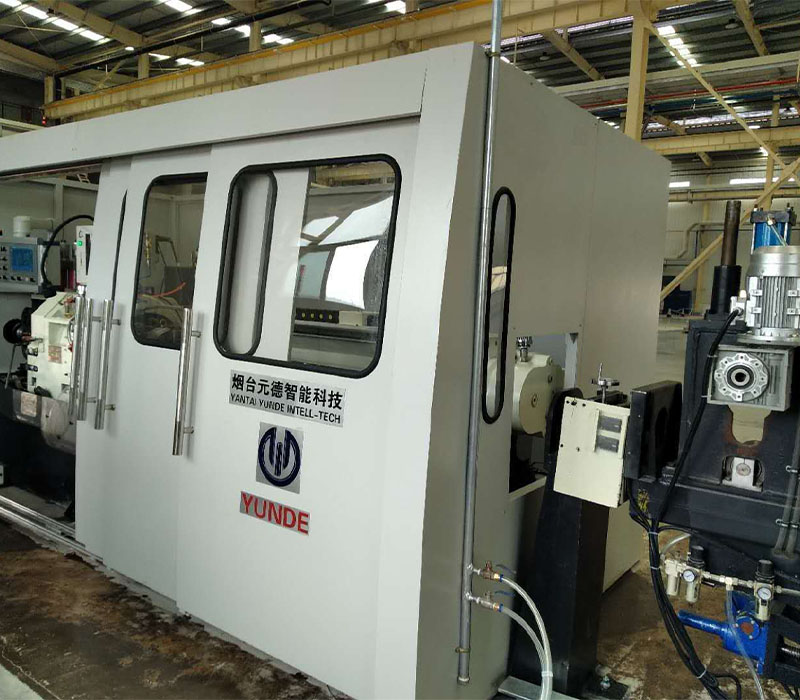


Related Products
Best-selling Products
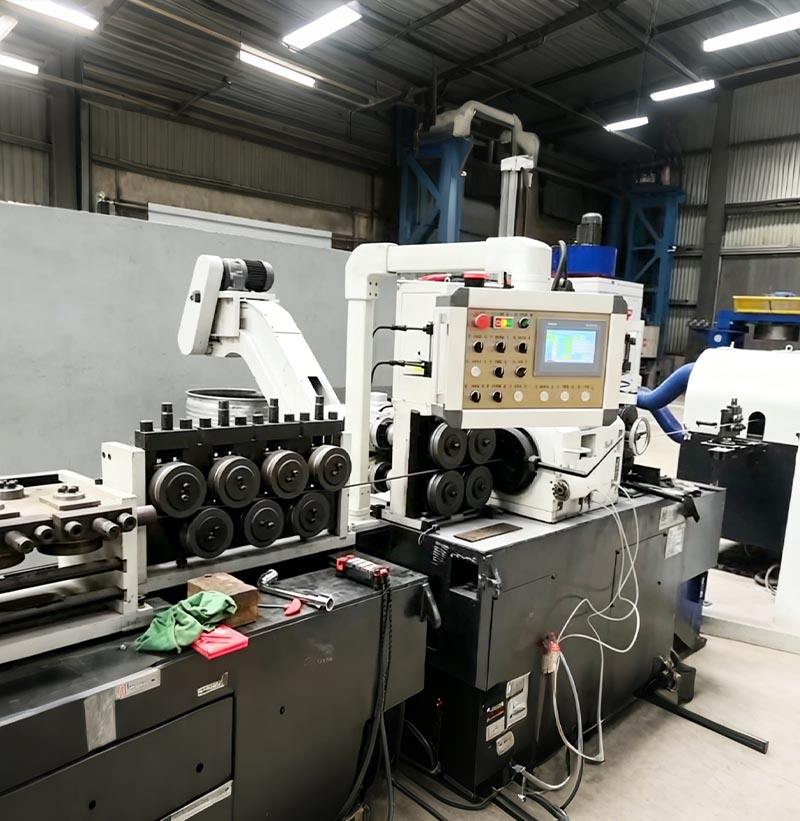
Coil To Bar Peeling&Straightening Line
Stainless steel wire rod is decoiled and pre-straightened, then peeled using a centerless lathe and cut to a precise length. Following a final precision straightening pass through a two-roll straightener, the resulting product is a high-precision stainless steel straight bar.
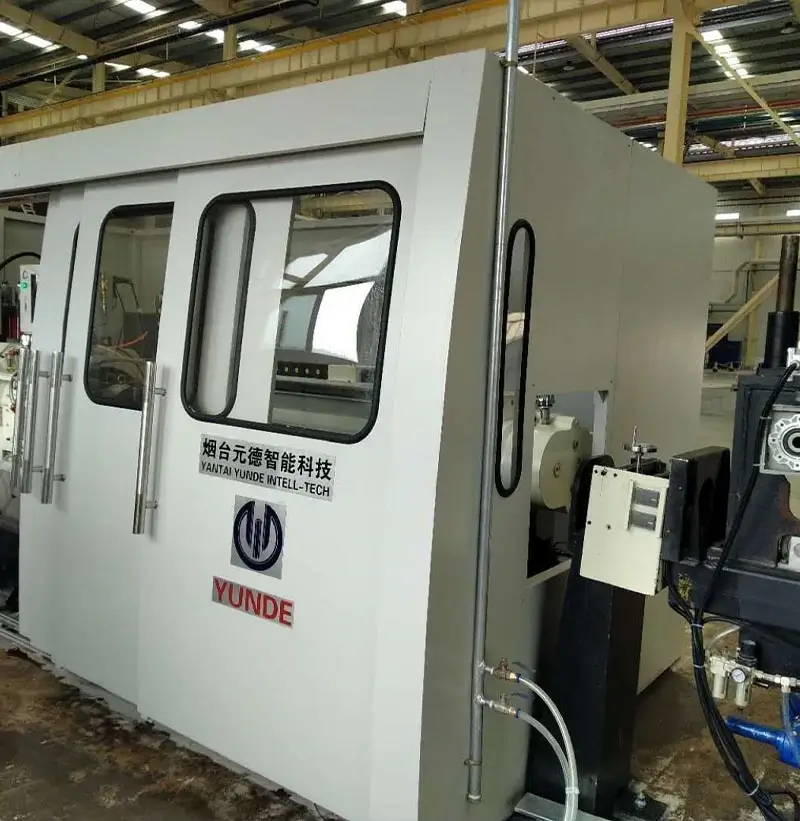
Peeling machine(centerless lathe)
The peeling machine (centerless lathe) unit is a product independently developed after comparing and contrasting the advantages of similar foreign products and combining them with the production characteristics of domestic enterprises, resulting in a simplified and optimized design.
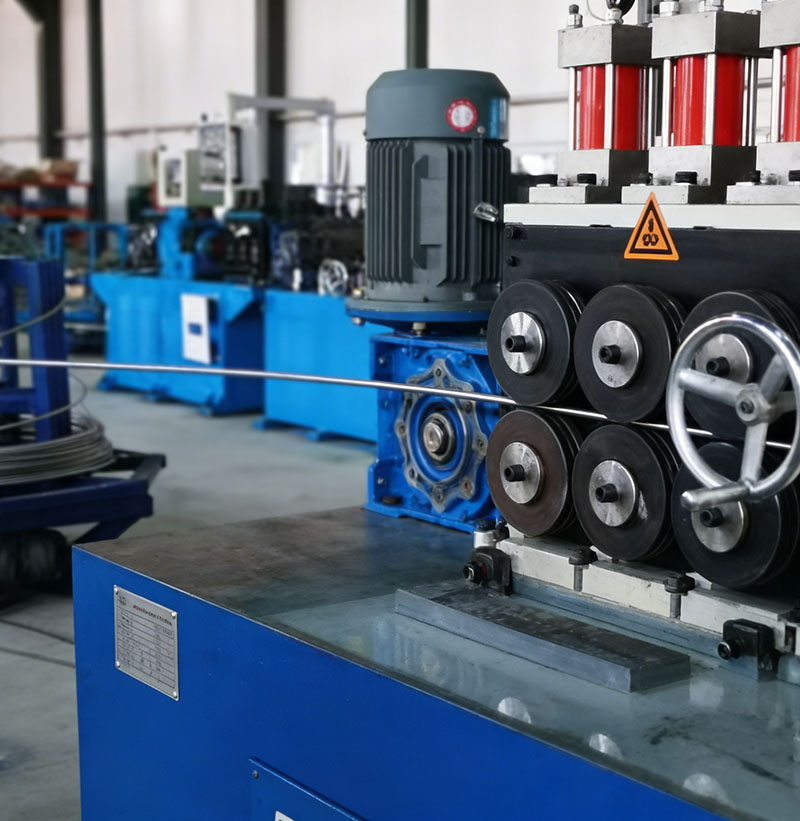
Coil to coil production line
Coil to coil production line is a serial of the machines includes payoff & straightening machine, peeling machine, clamping mechanism, pre-bending device, recoiler machine etc. through above machines, the black coil rod will be processed to bright coil rod with good surface quality
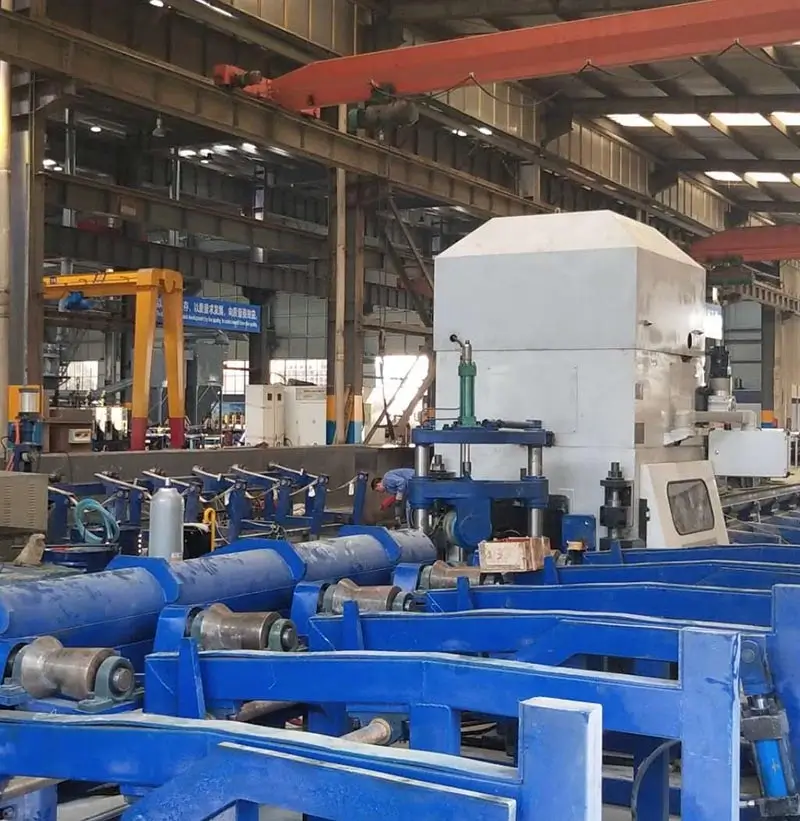
Straightening machine BS Series
A straightening machine is a device used to straighten metal profiles, bars, tubes, and wires. The straightening machine uses straightening rollers to compress the material, altering its straightness. Generally, there are two rows of straightening rollers, with varying numbers of rollers. There are also two-roller straightening machines, which rely on the angle change of two rollers (with a concave, hyperbolic shape) to straighten materials of different diameters.
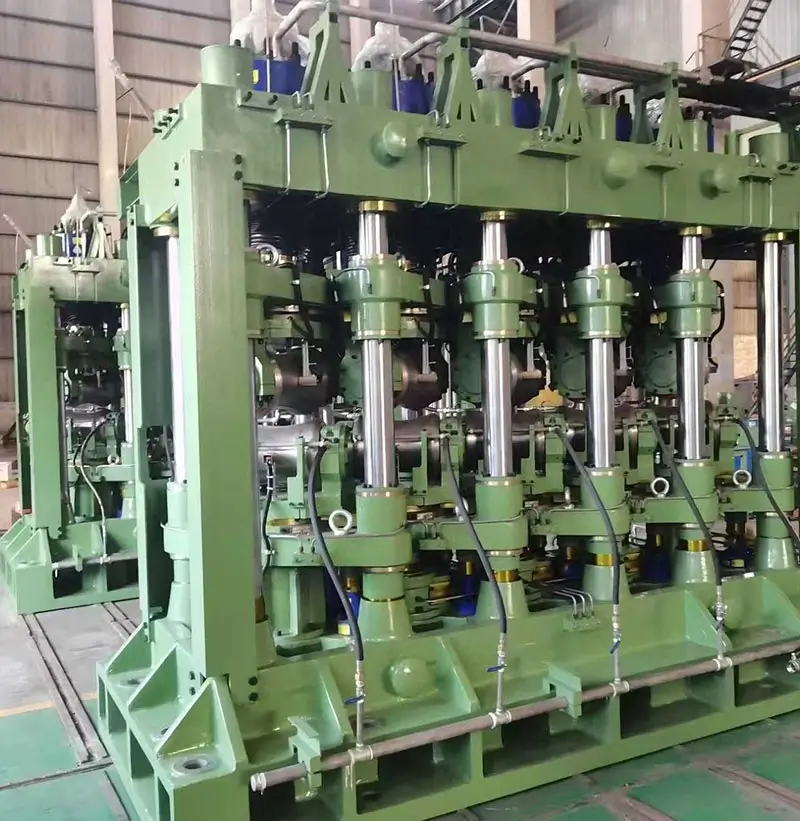
Multi-Roll Steel Pipe Straightening Machine
It is a mechanical device used to straighten the curvature and ovality of steel pipes. It is used to straighten pipes made of high alloy, corrosion-resistant, heat-resistant, heat-resistant steel and alloy, iron-nickel, nickel and titanium alloys , so as to reduce longitudinal non-straightness and cross-sectional non-roundness.
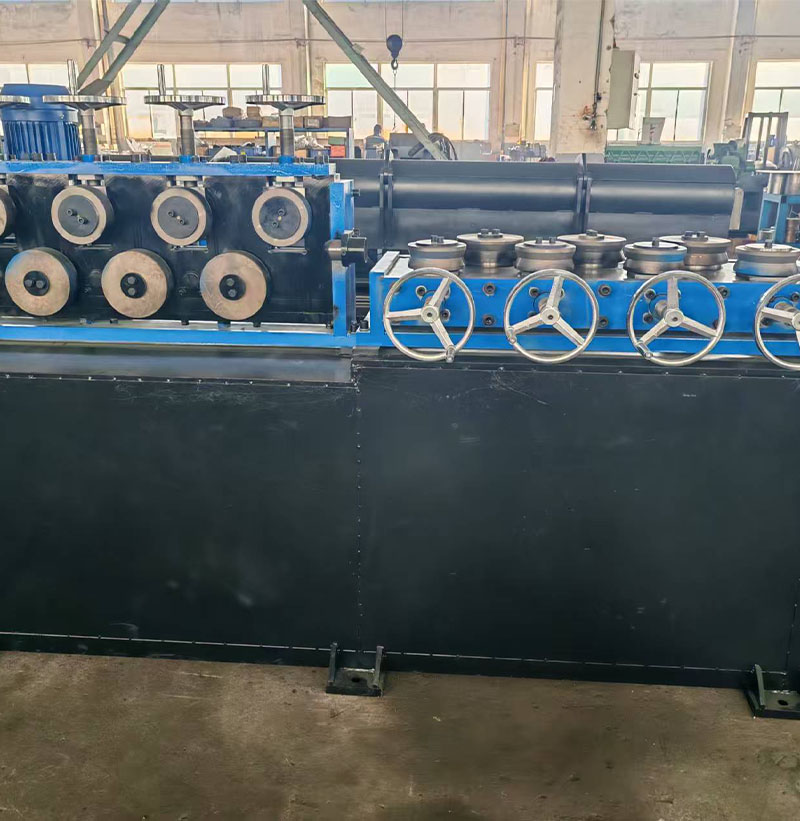
Horizontal and vertical straightening machine
Release the handwheel of the multi-roll horizontal and vertical straightening machine to allow the wire coil to pass through the straightening rollers. Tighten the handwheel to the empirically determined position, start the feeding device, and perform repeated straightening trials. Then feed the wire coil to the vertical straightening rollers, following the same procedure as for horizontal straightening. Finally, feed the wire coil to the peeling machine's feeding device.