
معلومات عنا
شركة يانتاي يوندي للتكنولوجيا الذكية المحدودة لديها 30 عامًا فقط من الخبرة في الإنتاج، وقد خدمت أكثر من 300 عميل محلي وأجنبي، وأنتجت أكثر من 2000 آلة.
احصل على عرض سعر مجاني
-
بيت

-
مدونة
-
مدونات الصناعة
- كيف يمكن لتقنية تقشير القضبان الدقيقة أن تدعم التفاوت في قطر h8 و h9؟

كيف يمكن لتقنية تقشير القضبان الدقيقة أن تدعم التفاوت في قطر h8 و h9؟
-
مؤلف
- 16,يوليو
 مؤلف
مؤلف 
مقدمة
لم تعد دقة أقطار القضبان المصقولة العالية مجرد مطلب خاص. فالعملاء الذين يصنعون قطع غيار السيارات، والأجزاء الهيدروليكية، والمحامل، والمثبتات، والأعمدة الدقيقة، يرغبون في تحكم دقيق في القطر، بالإضافة إلى جودة سطح مضبوطة، وتقليل هدر المواد في المراحل اللاحقة. ولذلك، يُعدّ تقشير القضبان الدقيق طريقة فعّالة للغاية لتحقيق أهداف دقة القطر من 8 و9.
في يوندينحن نعتبر آلة تقشير الفولاذ نظام قطع متطورًا، فهي ليست مجرد أداة صقل سطحية بسيطة. تعمل هذه الآلة على إزالة طبقة الأكسيد والشقوق، بالإضافة إلى طبقات الكربون المتآكلة والعيوب السطحية الأخرى، وذلك عن طريق قطع طبقة خارجية محددة. ونتيجة لذلك، يكون الناتج قضيبًا فولاذيًا مقشرًا يتميز بقطر متجانس للغاية، وسطح أملس ومُحكم. ويتجلى ذلك بوضوح عند دمج عملية القطع مع عملية التقويم والفحص النهائي الدقيق.
لماذا h8 و h9 هل يصعب التمسك بالتسامح؟
يجب أن يتوافق القطر النهائي مع عمليات التشغيل والتجميع والتقشير اللاحقة. كما يجب أن يكون مناسبًا لاستخدامات التجميع أو التقشير. ولا يقتصر التحدي على البعد النهائي فحسب، بل يبدأ بجودة القضيب الأسود الأولي. فغالبًا ما يحتوي الفولاذ الدائري المدرفل على الساخن على قشور سطحية وشقوق، وقد يُظهر أيضًا استطالة وانحناءً وصلابة غير منتظمة. وإذا لم يُعالج المشغلون هذه العيوب بشكل صحيح، فقد يُعاني خط التشغيل عالي الكفاءة من عمليات إعادة تصنيع مكلفة.
تُعالج آلة تقشير قضبان الصلب هذه المشكلة، حيث تزيل الطبقة الخارجية المعيبة قبل دخول المعدن مرحلة التشطيب الدقيق. بالنسبة للمشترين، تكمن النقطة الأساسية في أن تقشير القضبان يختلف تمامًا عن التلميع. قد يُضفي التلميع لمعانًا على المعدن، بينما يقوم تقشير القضبان الدقيق بقطع الطبقة الخارجية فعليًا، مما يُرسي أساسًا أكثر متانة للتحكم في الأبعاد وفقًا لمعايير h8 و h9.
ما هي المعايير التي يجب على المشترين مقارنتها؟
ينبغي على المشترين مراجعة معايير سلسلة PM التالية قبل اختيارهم تقشير القضبان يعرض الجدول بيانات النموذج الرسمية للآلة. تشمل هذه المعلومات نطاق القطر وسرعة التغذية، بالإضافة إلى عمق القطع، والتفاوت المسموح به، وخشونة السطح. وأخيرًا، يوضح الجدول قدرة المحرك وخيارات التشغيل الآلي المتاحة.
| نموذج | نطاق القطر | طول | سرعة | عمق القطع من جانب واحد | تفاوت القطر | خشونة السطح | المحرك الرئيسي قوة | ملاحظة |
| PM40 | Φ6–40 مم | ≥1.4 m | 1-18 م/دقيقة | 0.25–1.5 mm | ≤h8 | Ra≤1.6 ميكرومتر | 45 كيلوواط | نظام تحكم رقمي أوتوماتيكي بالكامل / نظام تحكم رقمي شبه أوتوماتيكي |
| PM60 | Φ12–65 مم | ≥2.2 m | 1-15 م/دقيقة | 0.3–2.5 مم | ≤h8 | Ra≤1.6 ميكرومتر | 55 كيلوواط | نظام تحكم رقمي أوتوماتيكي بالكامل / نظام تحكم رقمي شبه أوتوماتيكي |
| PM80 | Φ15–80 مم | ≥2.2 m | 1-15 م/دقيقة | 0.5–2.5 مم | ≤h8 | Ra≤1.6 ميكرومتر | 75 كيلوواط | نظام تحكم رقمي أوتوماتيكي بالكامل / نظام تحكم رقمي شبه أوتوماتيكي |
| PM100 | Φ20–100 مم | ≥2.5 m | 1-12 م/دقيقة | 1.0–4.0 مم | ≤h8 | Ra≤1.6 ميكرومتر | 90 كيلوواط | نظام تحكم رقمي أوتوماتيكي بالكامل / نظام تحكم رقمي شبه أوتوماتيكي |
| PM130 | Φ35–130 مم | ≥2.8 m | 1-8 م/دقيقة | 1.0–5.0 مم | ≤h8 | Ra≤1.6 ميكرومتر | 110 كيلوواط | نظام تحكم رقمي أوتوماتيكي بالكامل / نظام تحكم رقمي شبه أوتوماتيكي |
| PM160 | Φ40–160 مم | ≥ 4 م | 1-6 م/دقيقة | 1.0–5.0 مم | ≤h8 | Ra≤1.6 ميكرومتر | 132 كيلوواط | نظام تحكم رقمي أوتوماتيكي بالكامل / نظام تحكم رقمي شبه أوتوماتيكي |
| PM200 | Φ80–200 مم | ≥ 4 م | 1-5 م/دقيقة | 1.0–5.0 مم | ≤h8 | Ra≤1.6 ميكرومتر | 160 كيلوواط | نظام تحكم رقمي أوتوماتيكي بالكامل / نظام تحكم رقمي شبه أوتوماتيكي |
| PM250 | Φ85–250 مم | ≥ 4 م | 1-4 م/دقيقة | 1.0–5.0 مم | ≤h8 | Ra≤1.6 ميكرومتر | 200 كيلوواط | نظام تحكم رقمي أوتوماتيكي بالكامل / نظام تحكم رقمي شبه أوتوماتيكي |
| PM350 | Φ150–350 مم | ≥4.5 m | 0.2–2 م/دقيقة | 1.0–10.0 mm | ≤h8 | Ra≤1.6 ميكرومتر | 200 كيلوواط | نظام تحكم رقمي أوتوماتيكي بالكامل / نظام تحكم رقمي شبه أوتوماتيكي |

كيف تثبت المشاريع الحقيقية موثوقية العمليات؟
تُعدّ سجلات الإنتاج الفعلية بالغة الأهمية. يجب أن تعمل آلة تقشير القضبان الدائرية بكفاءة عالية في ظروف المصنع القاسية، ولا يكفي أن تبدو جيدة في كتيب المنتج. تتضمن سجلاتنا آلة تقشير قضبان PM40S CNC اشترتها شركة هندية رائدة في تصنيع الفولاذ اللامع، وقد اجتازت بنجاح مرحلة التشغيل التجريبي. كما اجتاز خط إنتاج آخر لتقشير القضبان من لفائف إلى لفائف، لصالح أحد عملاء شركة شانشي، مرحلة التشغيل التجريبي وهو يعمل الآن.
تُوضح هذه الأمثلة درسًا هامًا. يحتاج المشترون إلى تقييم ما هو أكثر بكثير من مجرد العلامة التجارية. يعتمد تقشير القضبان بثبات بشكل كبير على تغذية المواد بشكل مستقر وعمق القطع المناسب. كما يعتمد أيضًا على ضبط الأدوات بدقة وتنسيق جيد لعملية التقويم. ويُعد التدريب المناسب للمشغلين أمرًا بالغ الأهمية. عندما يُسيطر المديرون على كل هذه العوامل، فإن آلة تقشير الفولاذ يؤدي أداءً ممتازاً. يمكنه دعم إنتاج كميات كبيرة من قضبان الصلب المقشرة عند إدارة التغذية وعمق القطع وضبط الأدوات والتقويم وتدريب المشغل بشكل صحيح.
ما الذي يجب على المشترين التأكد منه قبل الطلب؟
قبل شراء آلة تقشير قضبان الصلب، يجب على العملاء تزويدنا بتفاصيل قضبانهم السوداء. تشمل هذه المعلومات القطر الابتدائي والقطر النهائي، بالإضافة إلى درجة المادة وصلابتها واستقامتها. علاوة على ذلك، يجب على المشترين تحديد عمق العيب ودرجة خشونة السطح المطلوبة. تغطي آلة PM40 نطاق معالجة يتراوح قطره بين 6 و40 مم. إذا تجاوز قطر القضيب الأسود الوارد أو نطاق المنتج المستقبلي 40 مم، فقد توفر آلة PM60 مرونة أكبر في السعة. للوصول إلى أقطار h8 وh9، يحتاج المشتري إلى التحقق من بعض الأمور الإضافية، مثل طرق القياس وعمق القطع، بالإضافة إلى التأكد من إعداد الأداة. وأخيرًا، عليه تحديد ما إذا كانت هناك حاجة إلى التسوية المسبقة والتسوية الدقيقة.
لا ينبغي أن يعتمد تحديد السعر على نطاق القطر فقط. قد يتطلب مشروع تقشير القضبان الدقيق الكامل وحدات إضافية متعددة، تشمل وحدات التحميل والتغذية والتقويم، بالإضافة إلى أقسام القطع والشطف والتكديس والتجميع. يساهم خط الإنتاج المتكامل في تقليل العمل اليدوي وتحسين دقة تكرار العملية، كما يعزز بشكل كبير دقة تكرار المهمة بأكملها.

خاتمة
تساعد آلة تقشير الفولاذ المصانع على تلبية متطلبات معايير H8 وH9. وتقوم بذلك عن طريق تقشير الطبقات الخارجية غير المستقرة، مما ينتج عنه سطح قضيب دائري أنظف وأسهل في المعالجة. بالنسبة للمستثمرين، لا تقتصر الفائدة الرئيسية على المظهر اللامع فحسب، بل تكمن القيمة الحقيقية لآلة تقشير القضبان في التحكم الدقيق في القطر، بالإضافة إلى توفير استقرار في خشونة السطح وإزالة شاملة للعيوب. علاوة على ذلك، تُسهم في أتمتة العمليات وتقليل عمليات إعادة التصنيع اللاحقة. يجب على مديري المصانع مطابقة المواد الخام وعمق القطع والتسوية وخطوات الفحص بدقة. عند القيام بذلك، يتحول تقشير القضبان الدقيق إلى أسلوب تصنيع قوي للغاية للقضبان اللامعة المصنعة آليًا والمقشرة.
للحصول على تقييم مفصل للمشروع، يرجى اتصل بيونديرجى تزويدنا بقطر القضيب ونوع المادة. كما يرجى تحديد التفاوت المطلوب في المنتج النهائي، بالإضافة إلى معدل الإنتاج اليومي المستهدف. هذه المعلومات تُمكّن فريقنا من اقتراح إعداد مناسب للآلة في منشأتك.
التعليمات
كم يبلغ سعر آلة تقشير القضبان؟
تعتمد تكلفة آلة تقشير القضبان على عدة عوامل، منها نطاق القطر ومستوى الأتمتة المُختار. كما يتغير السعر بناءً على عمق القطع وقوة المحرك وتصميم نظام التغذية. بالإضافة إلى ذلك، يعتمد السعر النهائي على ما إذا كان العميل يرغب في خط إنتاج متكامل، والذي يتضمن معدات تقويم القضبان وقطعها وتكديسها وتجميعها.
ما هي خشونة سطح قضيب فولاذي مقشر؟
بالنسبة لماكينة تقشير قضبان الصلب من سلسلة PM، يبلغ متوسط خشونة السطح Ra ≤ 1.6 ميكرومتر. ومع ذلك، تعتمد النتائج النهائية الفعلية بشكل كبير على حالة المواد الواردة، بالإضافة إلى إعداد القاطع واستقرار التغذية. كما أن التحكم الجيد في الإنتاج اليومي لا يقل أهمية.
هل تقشير القضبان الدقيقة أفضل من تلميعها؟
تُستخدم عملية تقشير القضبان الدقيقة لإزالة طبقة الأكسيد والشقوق ميكانيكيًا، كما تزيل الطبقات المتفحمة. أما التلميع، فيُحسّن المظهر العام للسطح، وقد يُحسّن خشونة السطح النهائي بشكل طفيف. لذا، لا يُمكن للتلميع أن يحل محل تقشير القضبان عند الحاجة إلى إزالة عيوب سطحية عميقة.
منشور حديث

المنتجات ذات الصلة
المنتجات الأكثر مبيعاً
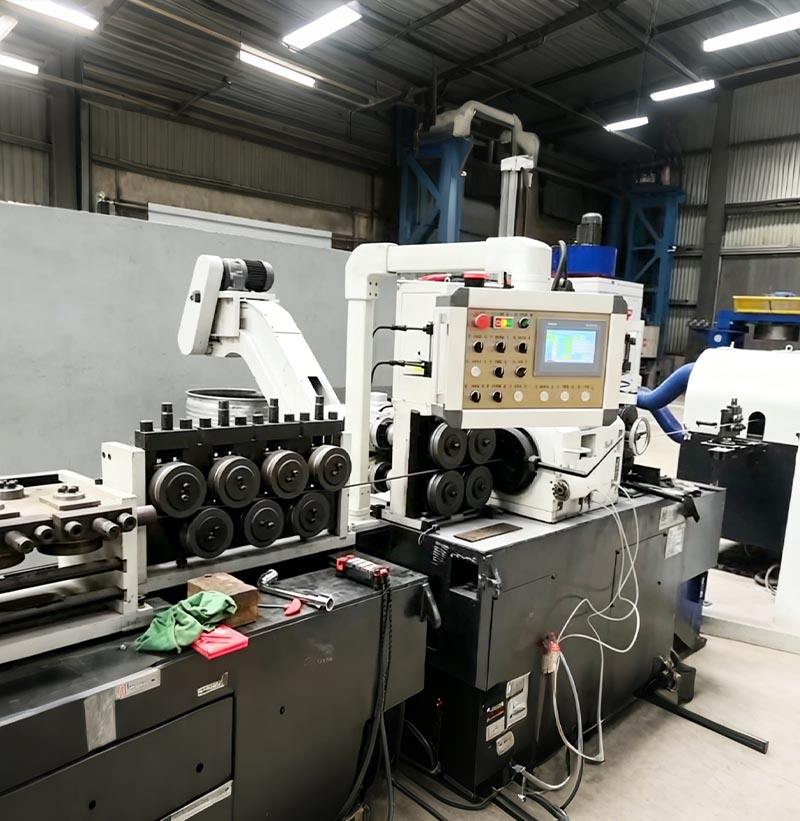
تقشير اللفائف إلى القضبان - خط التمليس
يتم فك لفائف سلك الفولاذ المقاوم للصدأ وتقويمه مبدئيًا، ثم يُقشر باستخدام مخرطة بدون مركز ويُقطع إلى طول دقيق. بعد عملية تقويم نهائية دقيقة باستخدام جهاز تقويم ثنائي الأسطوانات، يكون المنتج النهائي عبارة عن قضيب مستقيم عالي الدقة من الفولاذ المقاوم للصدأ.
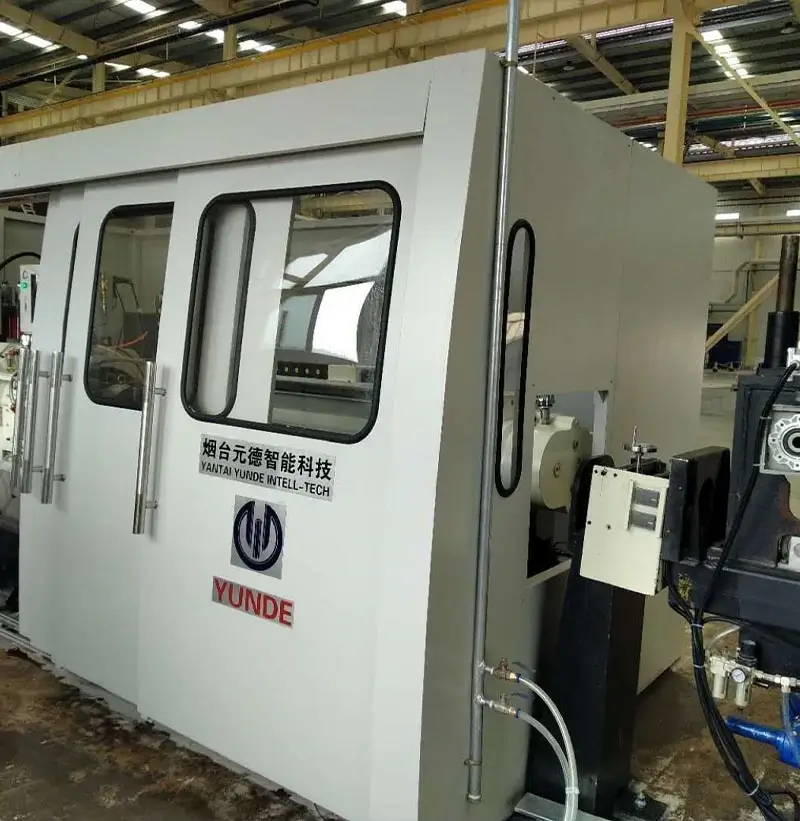
آلة تقشير (مخرطة بدون مركز)
وحدة آلة التقشير (المخرطة بدون مركز) هي منتج تم تطويره بشكل مستقل بعد مقارنة مزايا المنتجات الأجنبية المماثلة ودمجها مع خصائص الإنتاج للمؤسسات المحلية، مما أدى إلى تصميم مبسط ومحسن.
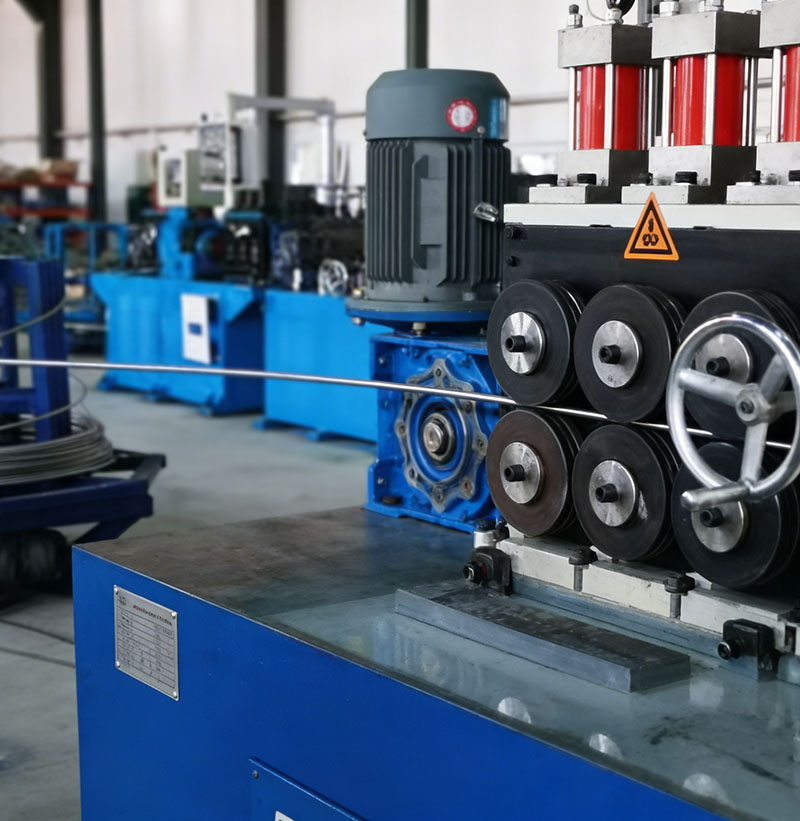
خط إنتاج اللفائف
خط إنتاج اللفائف عبارة عن سلسلة من الآلات تشمل آلة فك وتقويم، وآلة تقشير، وآلية تثبيت، وجهاز ثني مسبق، وآلة إعادة لف، وغيرها. من خلال هذه الآلات، تتم معالجة قضيب اللفائف الأسود ليصبح قضيب لفائف لامعًا ذو جودة سطحية عالية.
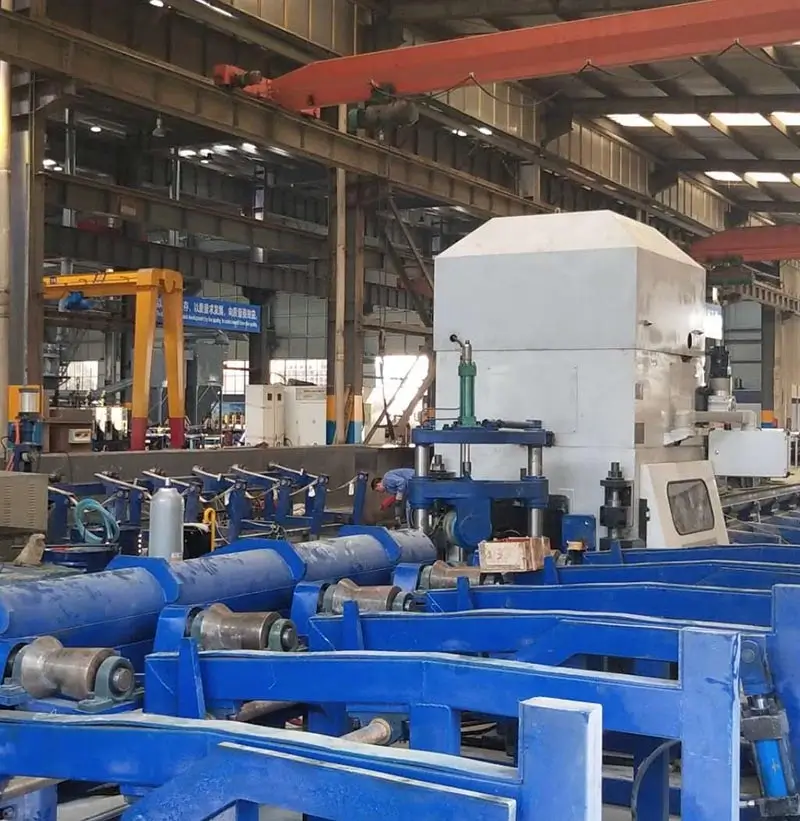
ماكينة فرد الشعر من سلسلة BS
آلة تقويم المعادن هي جهاز يُستخدم لتقويم القطاعات المعدنية، والقضبان، والأنابيب، والأسلاك. تستخدم هذه الآلة بكرات تقويم لضغط المادة، مما يُغير استقامتها. عادةً، تتكون آلة التقويم من صفين من بكرات التقويم، بأعداد متفاوتة. كما توجد آلات تقويم ثنائية البكرات، تعتمد على تغيير زاوية بكرتين (ذات شكل مقعر زائدي) لتقويم مواد ذات أقطار مختلفة.
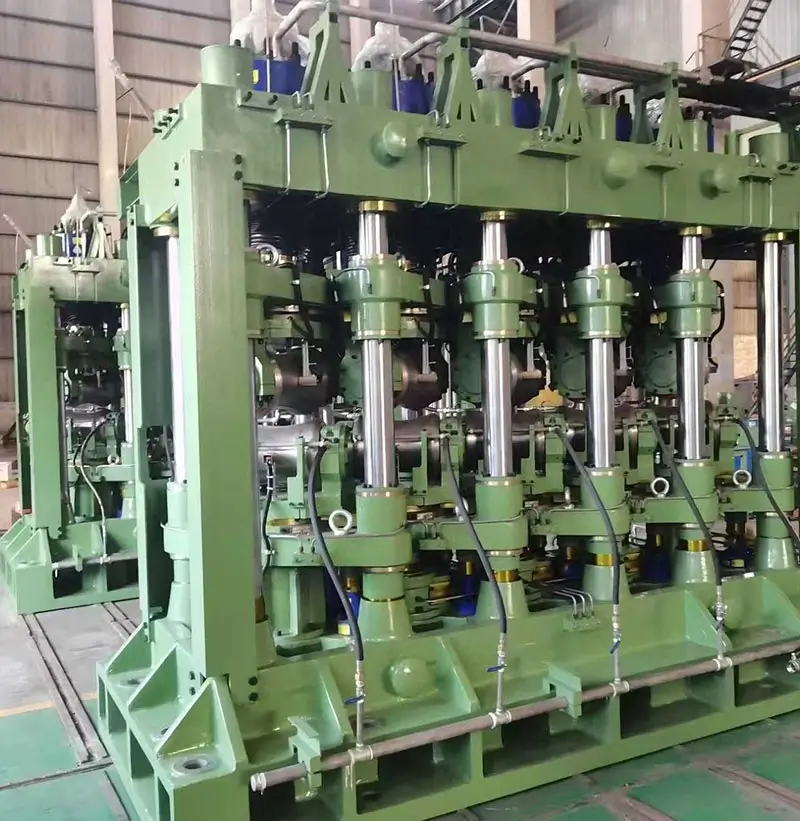
ماكينة تقويم الأنابيب الفولاذية متعددة البكرات
هو جهاز ميكانيكي يُستخدم لتقويم انحناءات الأنابيب الفولاذية وتصحيح شكلها البيضاوي. يُستخدم لتقويم الأنابيب المصنوعة من الفولاذ عالي السبائك، والفولاذ المقاوم للتآكل، والفولاذ المقاوم للحرارة، والسبائك الحديدية والنيكل، وسبائك النيكل والتيتانيوم، وذلك لتقليل عدم استقامة الأنابيب في طولها وعدم استدارتها في مقطعها العرضي.
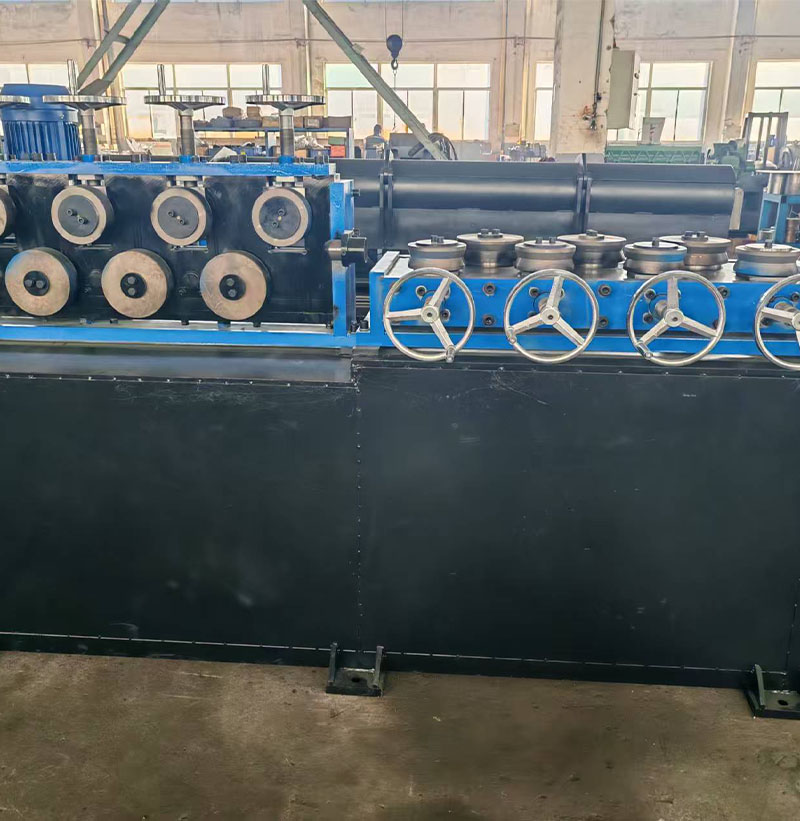
آلة تقويم أفقية ورأسية
حرر عجلة اليد الخاصة بآلة فرد الأسلاك متعددة البكرات الأفقية والرأسية للسماح بمرور لفة السلك عبر بكرات الفرد. أحكم ربط عجلة اليد في الوضع المحدد تجريبياً، وشغّل جهاز التغذية، وكرر عملية الفرد عدة مرات. ثم أدخل لفة السلك إلى بكرات الفرد الرأسية، باتباع نفس الإجراء المتبع في الفرد الأفقي. وأخيراً، أدخل لفة السلك إلى جهاز التغذية الخاص بآلة التقشير.