
ABOUT US
Yantai Yunde Intelligent Technology Co., Ltd. has only 30 years of production experience, has served more than 300 domestic and foreign customers, and has produced more than 2,000 machines.
GET A FREE QUOTE
-
Home

-
Blog
-
Industry Blogs
- How Can Precision Bar Peeling Support h8 and h9 Dia Tolerance

How Can Precision Bar Peeling Support h8 and h9 Dia Tolerance
-
author
- 16,July
 author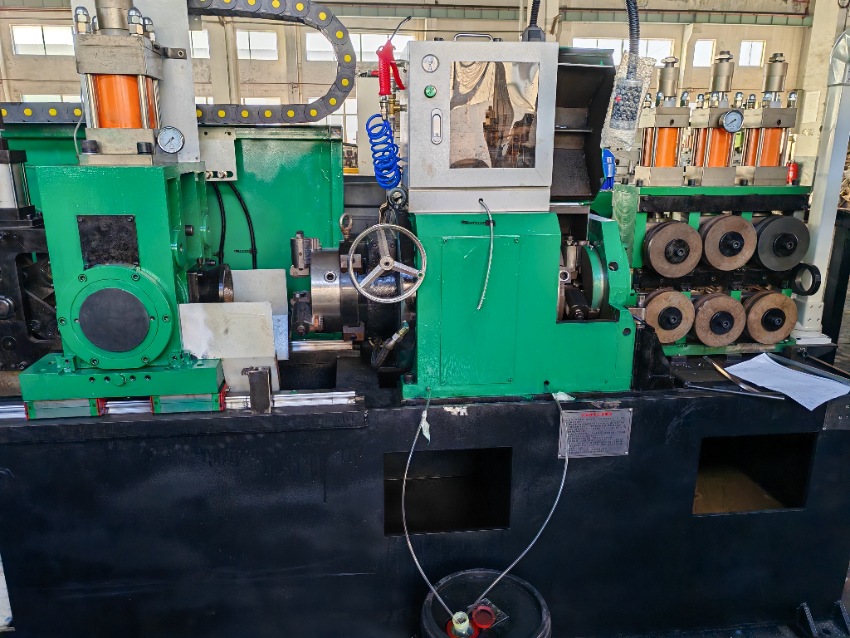
Introduction
Strict bright bar diameter tolerances are not just a special demand anymore. Customers who make automotive parts, hydraulic parts, bearings, fasteners, and precision shafts want steady diameter control. They also look for controlled surface quality. Furthermore, they need less material waste during later steps. Because of this, precision bar peeling serves as a highly effective method to support h8 and h9 diameter tolerance targets.
At YUNDE, we view a steel peeling machine as a serious cutting system. It is definitely not a basic surface-rubbing tool. A bar peeling machine takes off the oxide scale and cracks. It also clears away decarburized layers and similar surface flaws. It does this by cutting off a specific outer layer. Consequently, the output is a peeled steel bar that shows excellent diameter consistency. It also features well-managed surface roughness. This is particularly true when workers combine the cutting step with straightening and thorough final inspection.
Why Are h8 and h9 Tolerances Hard to Hold?
The finished diameter must match downstream machining, assembly, or peeling applications. It must also suit assembly or peeling uses. The challenge does not come only from the final dimension. Instead, it begins with the initial black bar quality. Hot-rolled round steel often holds surface scale and cracks. It might also show ovality, bending, and irregular hardness. If operators do not clear these faults properly, a highly capable downstream machining line might still suffer from costly rework.
A steel bar peeling machine addresses this problem. It removes the defective outer layer before the metal goes into the precision finishing stage. For purchasers, the crucial detail is that bar peeling is entirely different from polishing. Polishing might make the metal look shiny. However, precision bar peeling physically cuts the outer layer. This action builds a much more solid foundation for dimensional control related to h8 and h9 standards.
What Parameters Should Buyers Compare?
Buyers ought to review the following PM-series parameters before they pick a bar peeling machine. The table displays the official model data. This information covers the diameter range and feeding speed. It also lists cutting depth, tolerance, and surface roughness. Finally, it shows motor power and available automation choices.
| Model | Diameter Range | Length | Speed | Single-Side Cutting Depth | Diameter Tolerance | Surface Roughness | Main Motor Power | Remark |
| PM40 | Φ6–40 mm | ≥1.4 m | 1–18 m/min | 0.25–1.5 mm | ≤h8 | Ra≤1.6 μm | 45 kW | Fully-auto CNC / Semi-auto |
| PM60 | Φ12–65 mm | ≥2.2 m | 1–15 m/min | 0.3–2.5 mm | ≤h8 | Ra≤1.6 μm | 55 kW | Fully-auto CNC / Semi-auto |
| PM80 | Φ15–80 mm | ≥2.2 m | 1–15 m/min | 0.5–2.5 mm | ≤h8 | Ra≤1.6 μm | 75 kW | Fully-auto CNC / Semi-auto |
| PM100 | Φ20–100 mm | ≥2.5 m | 1–12 m/min | 1.0–4.0 mm | ≤h8 | Ra≤1.6 μm | 90 kW | Fully-auto CNC / Semi-auto |
| PM130 | Φ35–130 mm | ≥2.8 m | 1–8 m/min | 1.0–5.0 mm | ≤h8 | Ra≤1.6 μm | 110 kW | Fully-auto CNC / Semi-auto |
| PM160 | Φ40–160 mm | ≥4 m | 1–6 m/min | 1.0–5.0 mm | ≤h8 | Ra≤1.6 μm | 132 kW | Fully-auto CNC / Semi-auto |
| PM200 | Φ80–200 mm | ≥4 m | 1–5 m/min | 1.0–5.0 mm | ≤h8 | Ra≤1.6 μm | 160 kW | Fully-auto CNC / Semi-auto |
| PM250 | Φ85–250 mm | ≥4 m | 1–4 m/min | 1.0–5.0 mm | ≤h8 | Ra≤1.6 μm | 200 kW | Fully-auto CNC / Semi-auto |
| PM350 | Φ150–350 mm | ≥4.5 m | 0.2–2 m/min | 1.0–10.0 mm | ≤h8 | Ra≤1.6 μm | 200 kW | Fully-auto CNC / Semi-auto |

How Do Real Projects Prove Process Reliability?
Actual production logs are very important. A round bar peeling machine has to function well under harsh factory conditions. It cannot just look good in a product brochure. Our case records include a PM40S CNC bar peeling machine purchased by a major Indian bright steel manufacturer, which successfully completed its trial run. Another coil-to-coil/bar peeling production line for a Shaanxi customer also completed its trial run and is now in operation.
These examples illustrate an important lesson. Buyers need to assess much more than just the brand. Steady bar peeling relies heavily on stable material feeding and proper cutting depth. It also depends on precise tool adjustment and good straightening coordination. Proper operator training is equally critical. When managers control all these factors, a steel peeling machine performs exceptionally well. It can support high-volume peeled steel bar production when feeding, cutting depth, tool adjustment, straightening, and operator training are properly managed.
What Should Buyers Confirm Before Ordering?
Before purchasing a steel bar peeling machine, customers ought to provide their black bar details. This information should include the starting diameter and the final diameter. It should also include material grade, hardness, and straightness. Furthermore, buyers should state the defect depth and the desired surface roughness. PM40 covers a Φ6–40 mm processing range. If the incoming black bar diameter or future product range exceeds Φ40 mm, PM60 may offer safer capacity flexibility. To hit h8 and h9 diameter marks, the purchaser needs to verify a few more things. They must check the measuring methods and the cutting depth. They should also confirm the tool setup. Finally, they need to decide if pre-straightening and precision straightening are needed.
A price quote should never rely solely on the diameter range. A complete precision bar peeling project might require multiple extra modules. These can include loading, feeding, and straightening units. It might also need cutting, chamfering, stacking, and bundling sections. A fully integrated line can reduce manual handling and improve process repeatability. At the same time, it greatly enhances the repeatability of the whole task.

Conclusion
A steel peeling machine helps factories work toward h8 and h9 requirements. It does this by peeling off unstable outer layers. This action creates a much cleaner and highly manageable round bar surface. For investors, the main benefit is not just a shiny look. The true worth of a bar peeling machine exists in its strict diameter control. It also provides surface roughness stability and thorough defect removal. Furthermore, it brings helpful automation and cuts down on later rework tasks. Factory managers must correctly match the raw material, cutting depth, straightening, and inspection steps. When they do this, precision bar peeling turns into a highly robust manufacturing method for machine turned and peeled bright bars.
For a detailed project evaluation, please contact YUNDE. You should share your bar diameter and material grade. Also, provide your required finished tolerance and your target daily output. This information allows our team to suggest a suitable machine setup for your facility.
FAQ
How much does a bar peeling machine cost?
The cost of a bar peeling machine relies on several factors. These include the diameter range and the chosen automation level. The price also changes based on cutting depth, motor power, and the feeding system design. Furthermore, the final amount depends on whether the customer wants a complete production line. A full line would add straightening, cutting, stacking, and bundling equipment.
What is the Surface roughness of a peeled steel bar?
For the PM-series steel bar peeling machine, the standard surface roughness is Ra≤1.6 μm. Nevertheless, the actual final results depend heavily on the incoming material condition. They also rely on the cutter setup and feeding stability. Good daily production control is equally important.
Is precision bar peeling better than polishing?
Precision bar peeling exists to physically slice away oxide scale and cracks. It also removes decarburized layers. On the other hand, polishing mostly just enhances the visual appearance. It might slightly improve the final surface roughness. Therefore, polishing absolutely cannot replace bar peeling when workers need to eliminate deep surface flaws.
Recent Post



Related Products
Best-selling Products
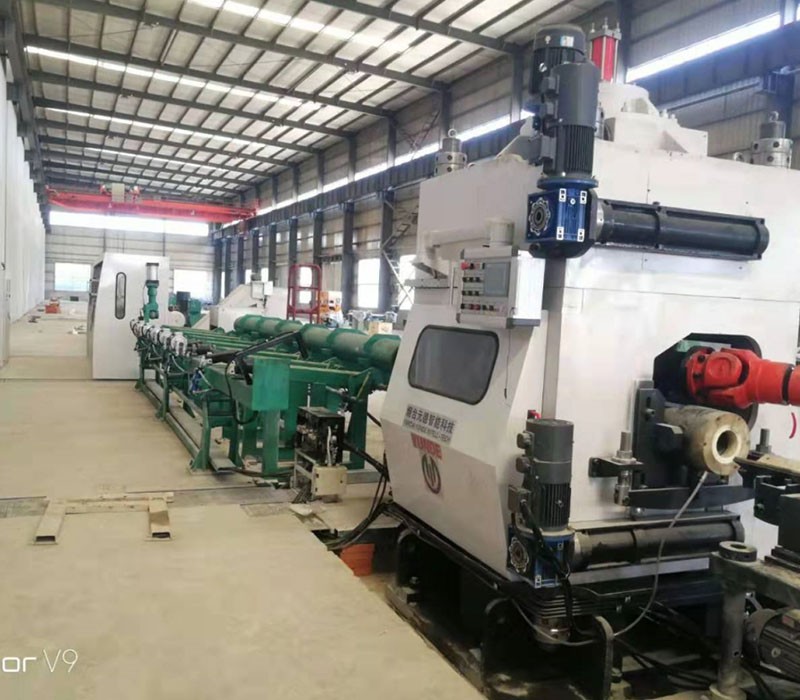
Coil To Bar Peeling&Straightening Line
Stainless steel wire rod is decoiled and pre-straightened, then peeled using a centerless lathe and cut to a precise length. Following a final precision straightening pass through a two-roll straightener, the resulting product is a high-precision stainless steel straight bar.
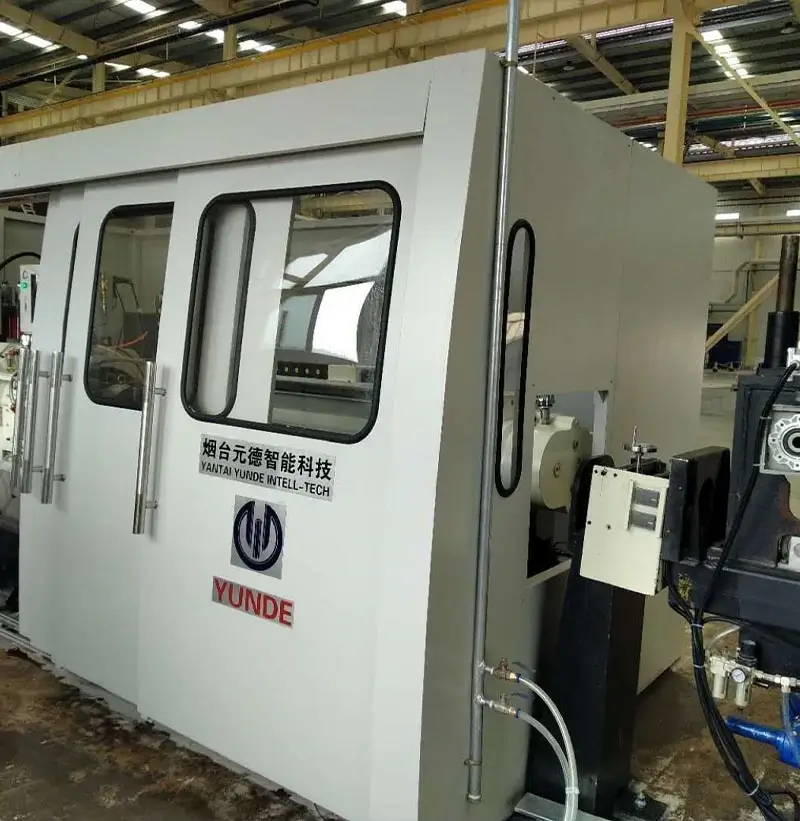
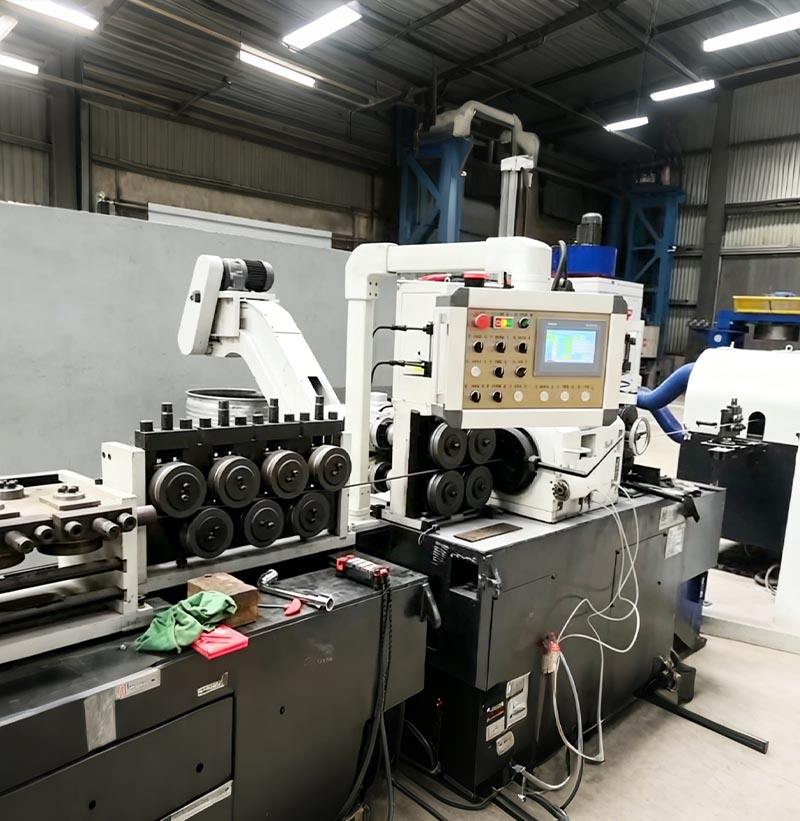
Peeling machine(centerless lathe)
The peeling machine (centerless lathe) unit is a product independently developed after comparing and contrasting the advantages of similar foreign products and combining them with the production characteristics of domestic enterprises, resulting in a simplified and optimized design.
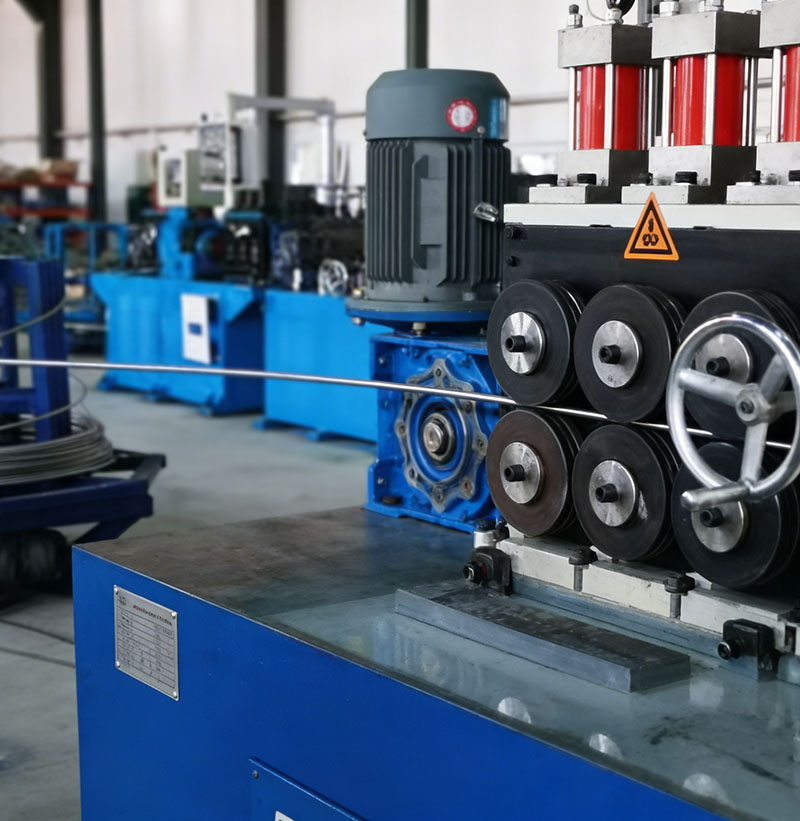
Coil to coil production line
Coil to coil production line is a serial of the machines includes payoff & straightening machine, peeling machine, clamping mechanism, pre-bending device, recoiler machine etc. through above machines, the black coil rod will be processed to bright coil rod with good surface quality
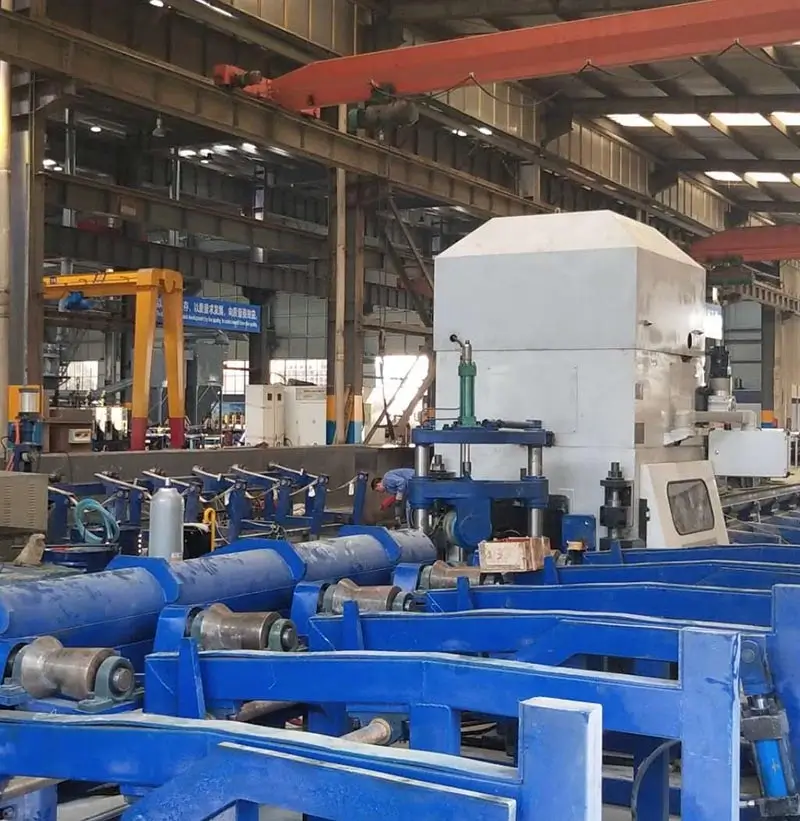
Straightening machine BS Series
A straightening machine is a device used to straighten metal profiles, bars, tubes, and wires. The straightening machine uses straightening rollers to compress the material, altering its straightness. Generally, there are two rows of straightening rollers, with varying numbers of rollers. There are also two-roller straightening machines, which rely on the angle change of two rollers (with a concave, hyperbolic shape) to straighten materials of different diameters.
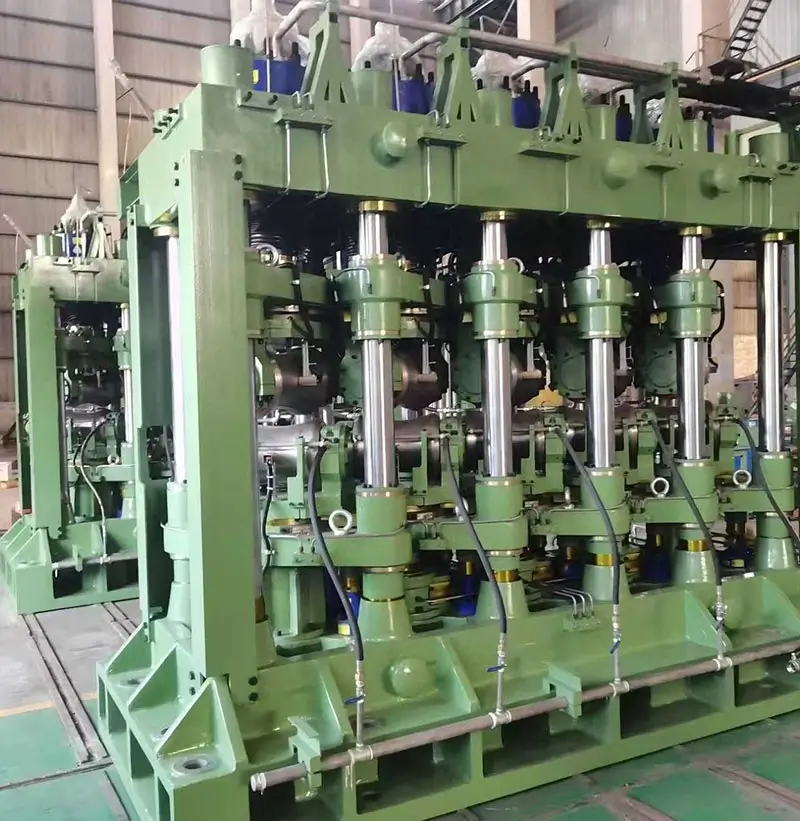
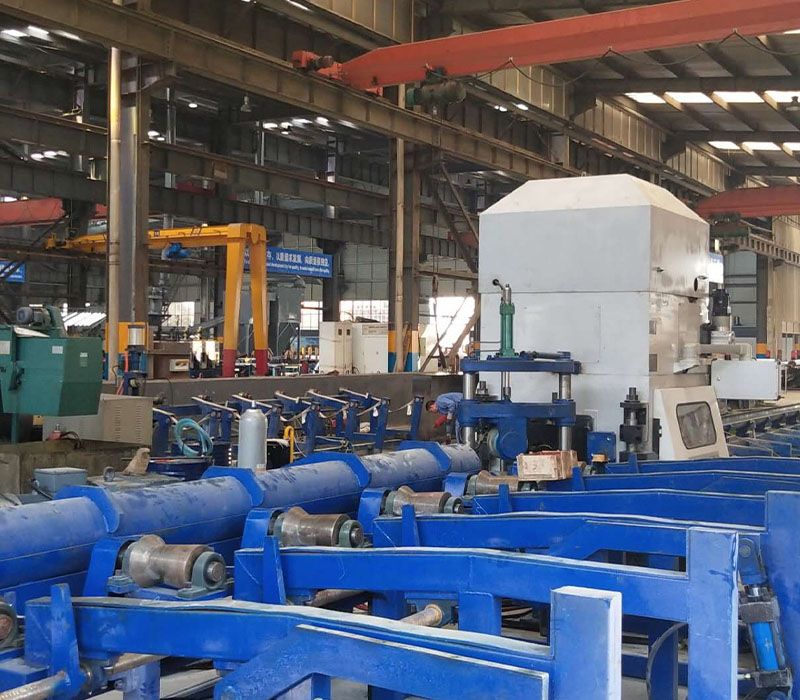
Multi-Roll Steel Pipe Straightening Machine
It is a mechanical device used to straighten the curvature and ovality of steel pipes. It is used to straighten pipes made of high alloy, corrosion-resistant, heat-resistant, heat-resistant steel and alloy, iron-nickel, nickel and titanium alloys , so as to reduce longitudinal non-straightness and cross-sectional non-roundness.
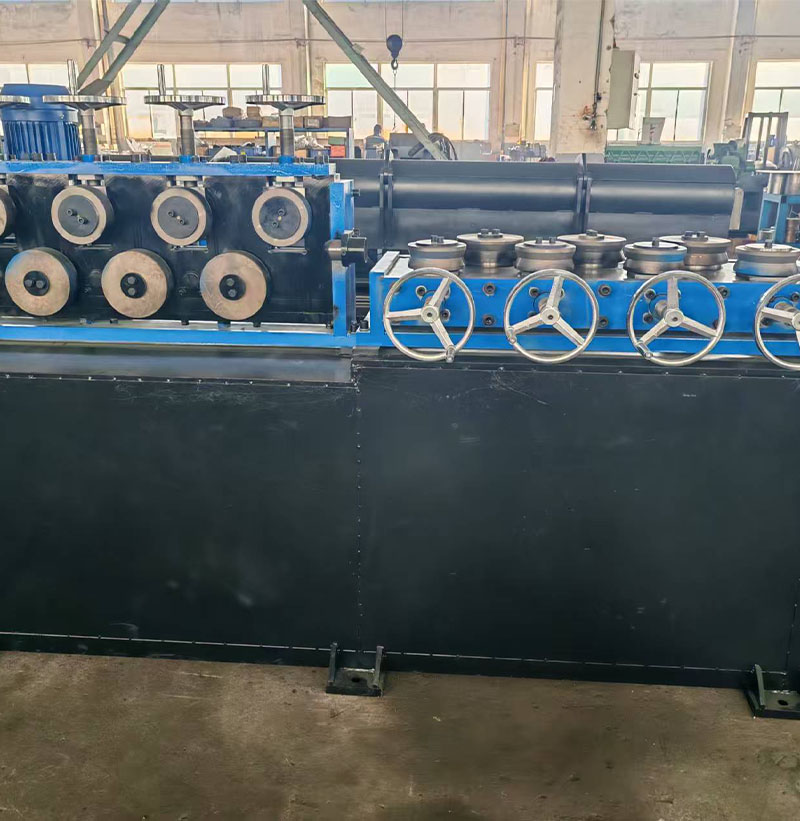
Horizontal and vertical straightening machine
Release the handwheel of the multi-roll horizontal and vertical straightening machine to allow the wire coil to pass through the straightening rollers. Tighten the handwheel to the empirically determined position, start the feeding device, and perform repeated straightening trials. Then feed the wire coil to the vertical straightening rollers, following the same procedure as for horizontal straightening. Finally, feed the wire coil to the peeling machine's feeding device.