
SOBRE NOSOTROS
Yantai Yunde Intelligent Technology Co., Ltd. cuenta con tan solo 30 años de experiencia en producción, ha prestado servicios a más de 300 clientes nacionales y extranjeros, y ha fabricado más de 2.000 máquinas.
SOLICITE UN PRESUPUESTO GRATUITO
-
Hogar

-
Blog
-
Blogs del sector
- ¿Cómo puede el pelado de barras de precisión soportar la tolerancia de diámetro h8 y h9?

¿Cómo puede el pelado de barras de precisión soportar la tolerancia de diámetro h8 y h9?
-
autor
- 16,julio
 autor
autor 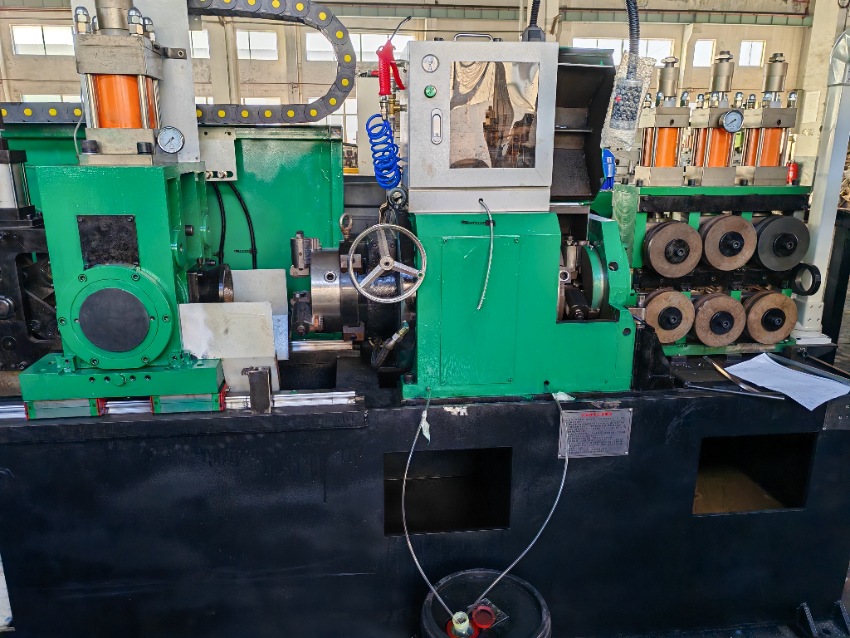
Introducción
Las estrictas tolerancias de diámetro en barras brillantes ya no son una exigencia puntual. Los clientes que fabrican piezas para automóviles, componentes hidráulicos, cojinetes, sujetadores y ejes de precisión buscan un control preciso del diámetro. Además, requieren una calidad superficial controlada y una menor cantidad de material en las etapas posteriores. Por ello, el pelado de barras de precisión se presenta como un método altamente eficaz para cumplir con los objetivos de tolerancia de diámetro h8 y h9.
En yundeConsideramos que una máquina peladora de acero es un sistema de corte serio. Definitivamente no es una herramienta básica para pulir superficies. Una máquina peladora de barras elimina la capa de óxido y las grietas. También elimina las capas descarburizadas y otros defectos superficiales. Lo hace cortando una capa exterior específica. Como resultado, se obtiene una barra de acero pelada con una excelente uniformidad de diámetro y una rugosidad superficial bien controlada. Esto es especialmente cierto cuando los operarios combinan el corte con el enderezado y una minuciosa inspección final.
¿Por qué son? h8 y h9 ¿Tolerancias difíciles de mantener?
El diámetro final debe coincidir con las aplicaciones posteriores de mecanizado, ensamblaje o pelado. También debe ser adecuado para su uso en procesos de ensamblaje o pelado. El desafío no reside únicamente en la dimensión final, sino que comienza con la calidad inicial de la barra negra. El acero redondo laminado en caliente suele presentar cascarilla superficial y grietas. También puede mostrar ovalidad, deformación y dureza irregular. Si los operarios no corrigen adecuadamente estos defectos, incluso una línea de mecanizado posterior de alta capacidad podría sufrir costosos reprocesos.
Una máquina peladora de barras de acero soluciona este problema. Elimina la capa exterior defectuosa antes de que el metal pase a la etapa de acabado de precisión. Para los compradores, es fundamental saber que el pelado de barras es completamente diferente del pulido. El pulido puede dar brillo al metal, pero el pelado de precisión corta físicamente la capa exterior. Esta acción crea una base mucho más sólida para el control dimensional según las normas h8 y h9.
¿Qué parámetros deberían comparar los compradores?
Los compradores deben revisar los siguientes parámetros de la serie PM antes de elegir un pelado de barra La tabla muestra los datos oficiales del modelo. Esta información abarca el rango de diámetro y la velocidad de avance. También incluye la profundidad de corte, la tolerancia y la rugosidad superficial. Finalmente, muestra la potencia del motor y las opciones de automatización disponibles.
| Modelo | Rango de diámetro | Longitud | Velocidad | Profundidad de corte de un solo lado | Tolerancia de diámetro | Rugosidad superficial | Motor principal Fuerza | Observación |
| PM40 | Φ6–40 mm | ≥1.4 m | 1–18 m/min | 0.25–1.5 mm | ≤h8 | Ra≤1,6 μm | 45 kW | CNC totalmente automático / Semiautomático |
| PM60 | Φ12–65 mm | ≥2.2 m | 1–15 m/min | 0,3–2,5 mm | ≤h8 | Ra≤1,6 μm | 55 kW | CNC totalmente automático / Semiautomático |
| PM80 | Φ15–80 mm | ≥2.2 m | 1–15 m/min | 0,5–2,5 mm | ≤h8 | Ra≤1,6 μm | 75 kW | CNC totalmente automático / Semiautomático |
| PM100 | Φ20–100 mm | ≥2.5 m | 1–12 m/min | 1,0–4,0 mm | ≤h8 | Ra≤1,6 μm | 90 kW | CNC totalmente automático / Semiautomático |
| PM130 | Φ35–130 mm | ≥2.8 m | 1–8 m/min | 1,0–5,0 mm | ≤h8 | Ra≤1,6 μm | 110 kW | CNC totalmente automático / Semiautomático |
| PM160 | Φ40–160 mm | ≥4 m | 1–6 m/min | 1,0–5,0 mm | ≤h8 | Ra≤1,6 μm | 132 kW | CNC totalmente automático / Semiautomático |
| PM200 | Φ80–200 mm | ≥4 m | 1–5 m/min | 1,0–5,0 mm | ≤h8 | Ra≤1,6 μm | 160 kW | CNC totalmente automático / Semiautomático |
| PM250 | Φ85–250 mm | ≥4 m | 1–4 m/min | 1,0–5,0 mm | ≤h8 | Ra≤1,6 μm | 200 kW | CNC totalmente automático / Semiautomático |
| PM350 | Φ150–350 mm | ≥4.5 m | 0,2–2 m/min | 1.0–10.0 mm | ≤h8 | Ra≤1,6 μm | 200 kW | CNC totalmente automático / Semiautomático |

¿Cómo demuestran los proyectos reales la fiabilidad de los procesos?
Los registros de producción reales son fundamentales. Una máquina peladora de barras redondas debe funcionar correctamente en condiciones de fábrica exigentes. No basta con que luzca bien en un folleto de producto. Entre nuestros casos de éxito se incluye una máquina peladora de barras CNC PM40S adquirida por un importante fabricante indio de acero brillante, que completó con éxito su fase de pruebas. Otra línea de producción de pelado de barras y bobinas para un cliente de Shaanxi también completó su fase de pruebas y ya está en funcionamiento.
Estos ejemplos ilustran una lección importante. Los compradores deben evaluar mucho más que solo la marca. El pelado de barras estable depende en gran medida de una alimentación de material estable y una profundidad de corte adecuada. También depende de un ajuste preciso de la herramienta y una buena coordinación de enderezamiento. La capacitación adecuada del operador es igualmente crítica. Cuando los gerentes controlan todos estos factores, Máquina peladora de acero Su rendimiento es excepcional. Puede soportar la producción de barras de acero peladas de alto volumen cuando se gestionan adecuadamente la alimentación, la profundidad de corte, el ajuste de la herramienta, el enderezamiento y la capacitación del operador.
¿Qué deben confirmar los compradores antes de realizar un pedido?
Antes de comprar una máquina peladora de barras de acero, los clientes deben proporcionar los detalles de sus barras negras. Esta información debe incluir el diámetro inicial y el diámetro final. También debe incluir el grado del material, la dureza y la rectitud. Además, los compradores deben indicar la profundidad del defecto y la rugosidad superficial deseada. PM40 cubre un rango de procesamiento de Φ6–40 mm. Si el diámetro de la barra negra entrante o el futuro rango de productos supera Φ40 mm, PM60 puede ofrecer una flexibilidad de capacidad más segura. Para alcanzar las marcas de diámetro h8 y h9, el comprador debe verificar algunos aspectos más. Debe comprobar los métodos de medición y la profundidad de corte. También debe confirmar la configuración de la herramienta. Finalmente, debe decidir si se requiere un enderezamiento previo y un enderezamiento de precisión.
Un presupuesto nunca debe basarse únicamente en el rango de diámetro. Un proyecto completo de pelado de barras de precisión puede requerir varios módulos adicionales, como unidades de carga, alimentación y enderezado. También podría necesitar secciones de corte, biselado, apilamiento y empaquetado. Una línea totalmente integrada reduce la manipulación manual y mejora la repetibilidad del proceso, optimizando así la repetibilidad de toda la tarea.

Conclusión
Una máquina peladora de acero ayuda a las fábricas a cumplir con los requisitos h8 y h9. Lo hace eliminando las capas exteriores inestables, lo que crea una superficie de barra redonda mucho más limpia y manejable. Para los inversores, el principal beneficio no es solo un aspecto brillante. El verdadero valor de una máquina peladora de barras reside en su estricto control del diámetro. También proporciona estabilidad a la rugosidad de la superficie y una eliminación completa de defectos. Además, aporta automatización y reduce las tareas de reprocesamiento posteriores. Los gerentes de fábrica deben ajustar correctamente la materia prima, la profundidad de corte, el enderezamiento y los pasos de inspección. Al hacerlo, el pelado de precisión de barras se convierte en un método de fabricación altamente robusto para barras brillantes torneadas y peladas a máquina.
Para una evaluación detallada del proyecto, por favor Contacta con YUNDEDebe indicarnos el diámetro de la barra y el grado del material. Asimismo, proporcione la tolerancia de acabado requerida y su producción diaria prevista. Esta información permitirá a nuestro equipo sugerirle la configuración de máquina más adecuada para sus instalaciones.
Preguntas frecuentes
¿Cuánto cuesta una máquina peladora de barras?
El coste de una máquina peladora de barras depende de varios factores, como el rango de diámetro y el nivel de automatización seleccionado. El precio también varía según la profundidad de corte, la potencia del motor y el diseño del sistema de alimentación. Además, el precio final depende de si el cliente desea una línea de producción completa. Una línea completa incluiría equipos de enderezado, corte, apilamiento y empaquetado.
¿Cuál es la rugosidad superficial de una barra de acero pelada?
Para la máquina peladora de barras de acero de la serie PM, la rugosidad superficial estándar es Ra≤1,6 μm. Sin embargo, los resultados finales dependen en gran medida del estado del material de entrada, así como de la configuración de la cuchilla y la estabilidad de la alimentación. Un buen control diario de la producción es igualmente importante.
¿Es mejor el descascarillado de precisión que el pulido?
El desbaste con barra de precisión se utiliza para eliminar físicamente la capa de óxido y las grietas. También elimina las capas descarburizadas. Por otro lado, el pulido principalmente mejora la apariencia visual. Puede mejorar ligeramente la rugosidad final de la superficie. Por lo tanto, el pulido no puede reemplazar el desbaste con barra cuando se necesita eliminar defectos profundos en la superficie.
Publicación reciente

Productos relacionados
Productos más vendidos
Línea de enderezamiento de bobina a barra
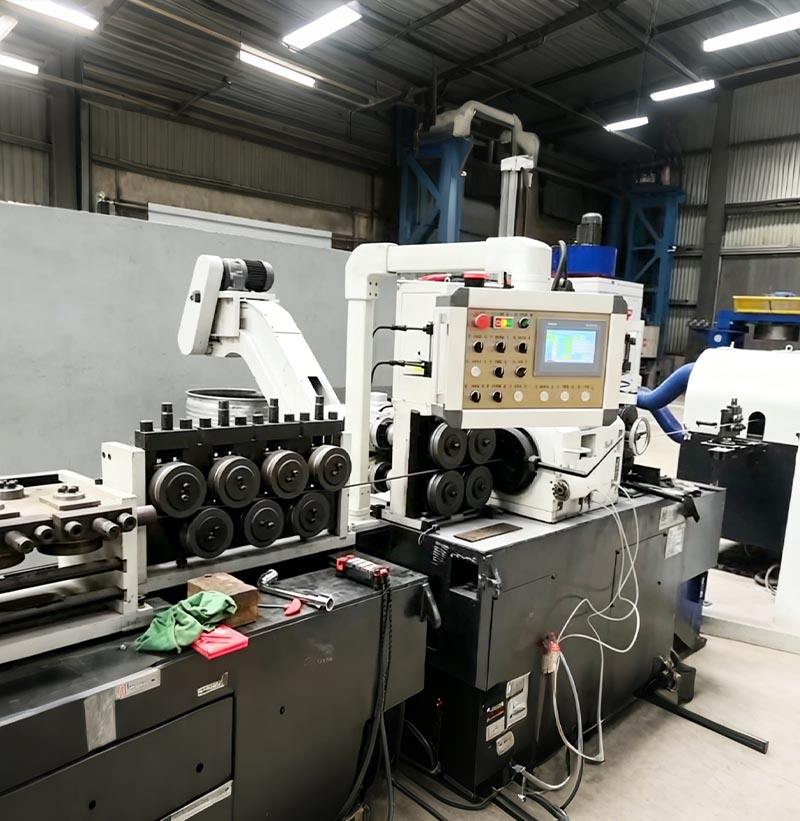
La varilla de alambre de acero inoxidable se desenrolla y se endereza previamente, luego se pela con un torno sin centros y se corta a la longitud precisa. Tras un último enderezamiento de precisión mediante una enderezadora de dos rodillos, el producto resultante es una barra recta de acero inoxidable de alta precisión.
Máquina peladora (torno sin centros)
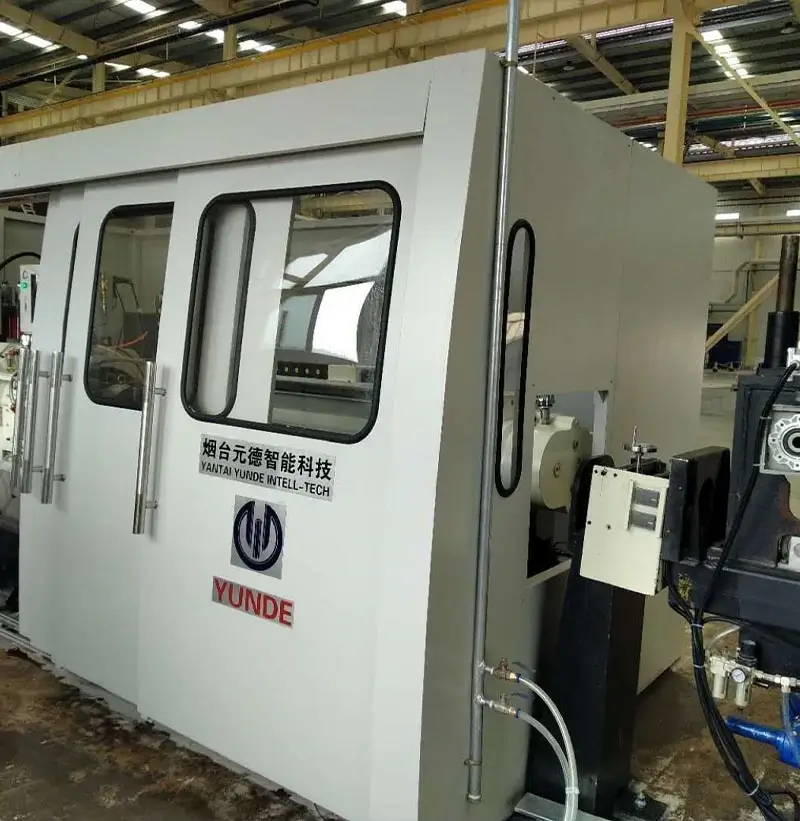
La unidad de pelado (torno sin centros) es un producto desarrollado de forma independiente tras comparar las ventajas de productos extranjeros similares y combinarlas con las características de producción de las empresas nacionales, lo que dio como resultado un diseño simplificado y optimizado.
Línea de producción de bobina a bobina
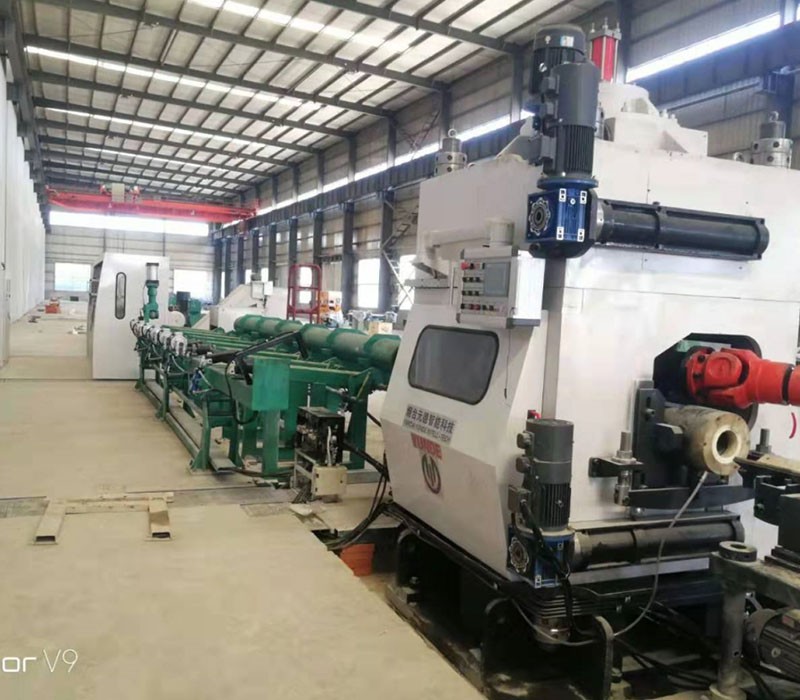
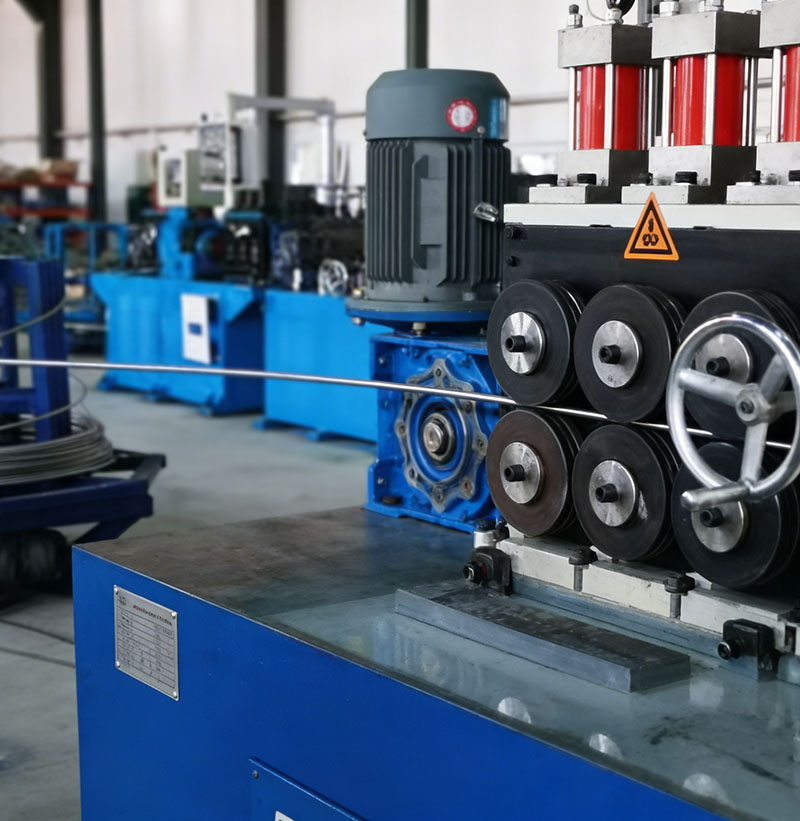
La línea de producción de bobina a bobina es una serie de máquinas que incluyen una máquina desenrolladora y enderezadora, una máquina peladora, un mecanismo de sujeción, un dispositivo de precurvado, una máquina rebobinadora, etc. Mediante estas máquinas, la varilla de bobina negra se procesará para obtener una varilla de bobina brillante con una buena calidad superficial.
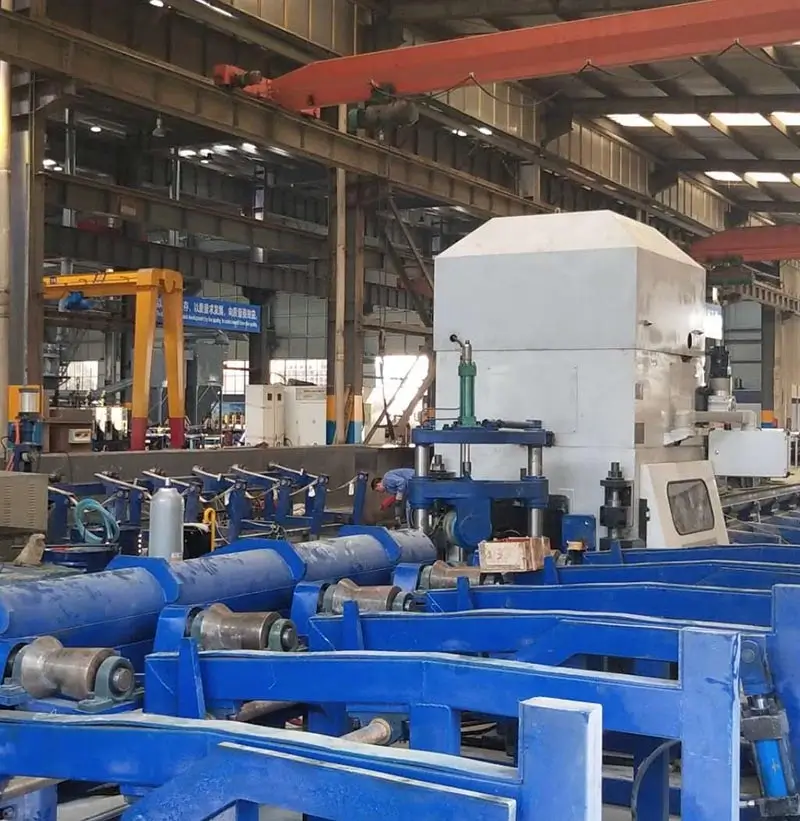
Máquina enderezadora serie BS
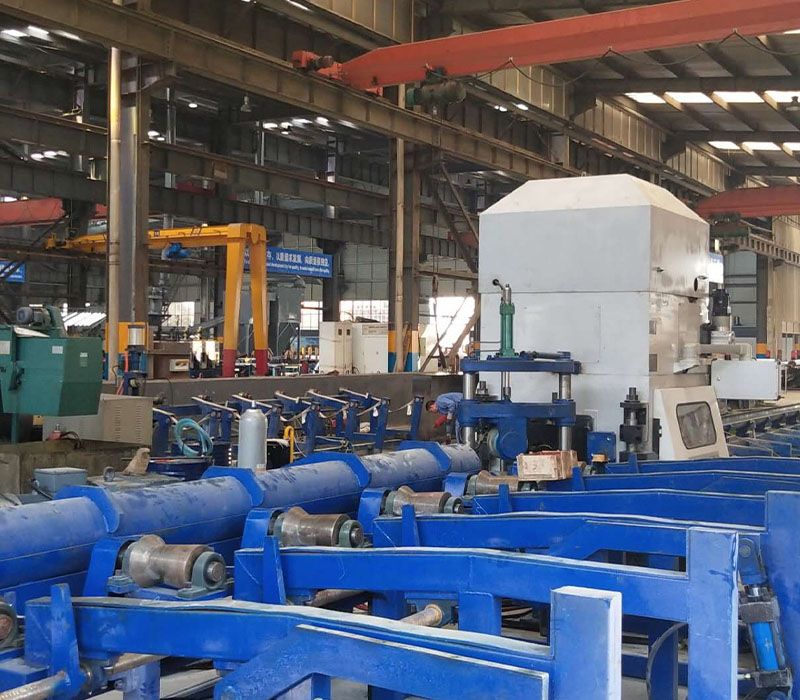
Una enderezadora es un dispositivo que se utiliza para enderezar perfiles, barras, tubos y alambres metálicos. La enderezadora utiliza rodillos enderezadores para comprimir el material y modificar su rectitud. Generalmente, cuenta con dos filas de rodillos enderezadores, con un número variable de ellos. También existen enderezadoras de dos rodillos, que se basan en el cambio de ángulo de dos rodillos (de forma cóncava e hiperbólica) para enderezar materiales de diferentes diámetros.
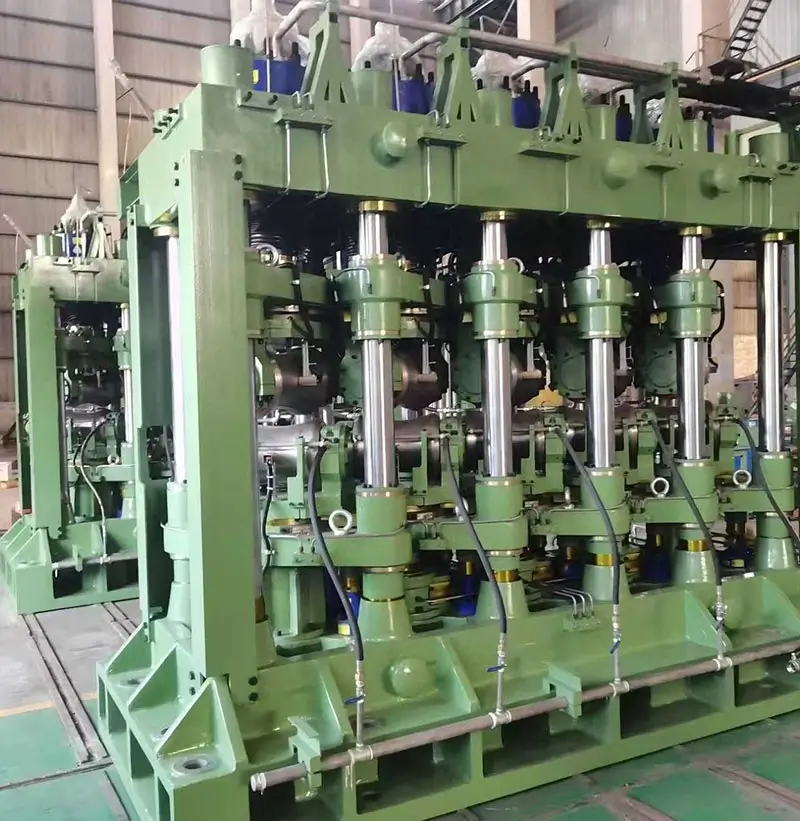
Máquina enderezadora de tubos de acero de rodillos múltiples
Es un dispositivo mecánico que se utiliza para corregir la curvatura y la ovalidad de las tuberías de acero. Se emplea para enderezar tuberías fabricadas con acero de alta aleación, resistente a la corrosión y al calor, así como con aleaciones de hierro-níquel, níquel y titanio, con el fin de reducir la falta de rectitud longitudinal y la falta de redondez transversal.
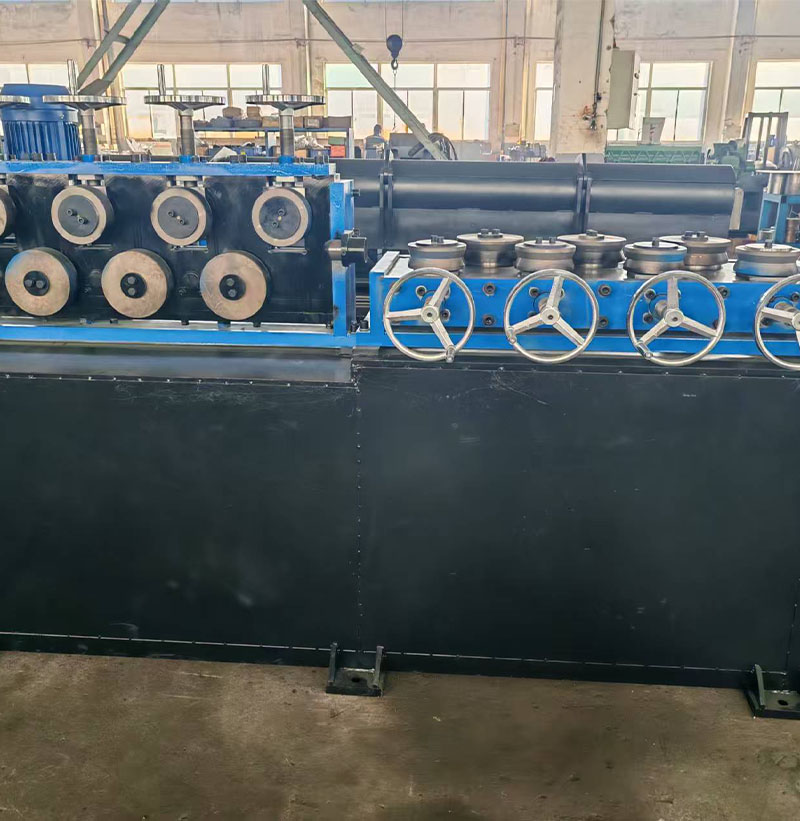
Máquina enderezadora horizontal y vertical
Suelte el volante de la enderezadora horizontal y vertical multirrodillo para que la bobina de alambre pase a través de los rodillos enderezadores. Apriete el volante hasta la posición determinada empíricamente, active el alimentador y realice varias pruebas de enderezamiento. A continuación, introduzca la bobina de alambre en los rodillos enderezadores verticales, siguiendo el mismo procedimiento que para el enderezamiento horizontal. Finalmente, introduzca la bobina de alambre en el alimentador de la desmoldadora.