
SOBRE NOSOTROS
Yantai Yunde Intelligent Technology Co., Ltd. cuenta con tan solo 30 años de experiencia en producción, ha prestado servicios a más de 300 clientes nacionales y extranjeros, y ha fabricado más de 2.000 máquinas.
SOLICITE UN PRESUPUESTO GRATUITO
-
Hogar

-
Blog
-
Blogs del sector
- ¿Por qué las barras de alta resistencia necesitan una máquina enderezadora de barras?

¿Por qué las barras de alta resistencia necesitan una máquina enderezadora de barras?
-
autor
- 9,julio
 autor
autor 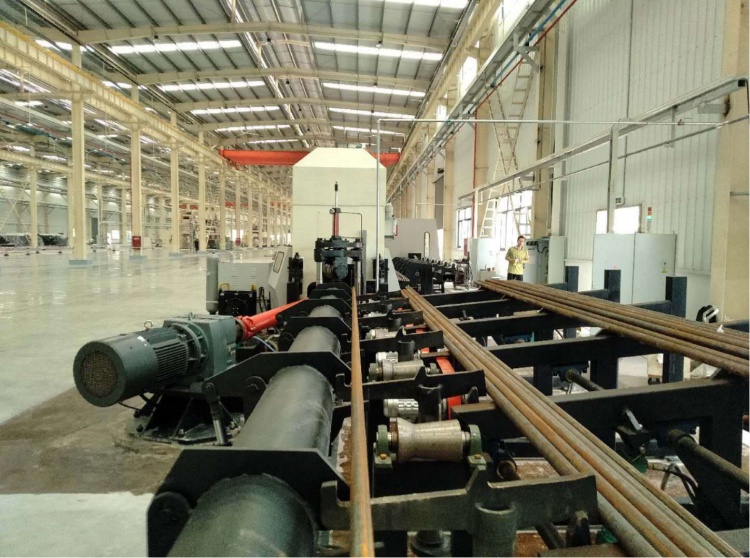
Introducción
Las barras de alta resistencia se utilizan ampliamente en piezas de automoción, componentes hidráulicos, ejes mecánicos, fabricación de muelles y mecanizado de precisión. Dado que las fábricas exigen mayor rectitud, mejor acabado superficial y un procesamiento posterior más estable, la enderezadora de barras se ha convertido en una máquina clave en las modernas líneas de producción de enderezado de metales.
En yundeNos especializamos en equipos de acabado de acero redondo para el desbaste, enderezado de precisión y pulido de barras. En la producción, la enderezadora de la serie BS se utiliza principalmente para procesar barras rectas, no para materiales en bobina. Suele ubicarse después del desbaste o el desbaste inicial para completar el proceso de enderezado final y garantizar un acabado brillante.
¿Por qué es más difícil enderezar las barras de alta resistencia?
Las barras de alta resistencia resisten la deformación con mayor eficacia que las barras redondas comunes. Durante el proceso de enderezamiento, la máquina debe aplicar la fuerza de corrección suficiente, protegiendo la superficie de la barra y reduciendo la contracción del diámetro en los extremos. Si el bastidor no es lo suficientemente estable, la separación entre los rodillos puede variar bajo carga, provocando un enderezamiento irregular.
Por eso es importante una enderezadora de barras de bastidor. La base de conocimientos indica que la enderezadora aplica un control de carga de presión constante, compactación por rodillos y una estructura de bastidor flexible, lo que la hace más adecuada para materiales de alta resistencia con mayores fuerzas de enderezamiento y mayor seguridad. Además, ayuda a reducir la contracción del diámetro en los extremos de las barras.
¿Qué diferencia a una máquina enderezadora de barras de tipo bastidor?
Una enderezadora de barras de bastidor utiliza rodillos enderezadores para comprimir y corregir barras metálicas. En el caso de barras de alta resistencia, su valor reside en la rigidez estructural, la estabilidad de la presión y el posicionamiento preciso de la separación entre rodillos. Estos detalles permiten que la máquina mantenga una corrección uniforme durante la producción continua.
El sistema hidráulico independiente permite mantener la presión y liberar la carga, lo que hace que los ajustes sean más rápidos y seguros. La placa guía facilita una instalación más cómoda, rápida y fiable, mientras que la estructura de bastidor completo mejora la resistencia general de la máquina. Para compradores que comparan marcas de máquinas alisadorasEstos detalles son más importantes que la apariencia, ya que afectan directamente a la rectitud, la protección de la superficie y el funcionamiento a largo plazo.

¿Cómo funciona el proceso de enderezamiento de barras en la producción de barras brillantes?
En la producción de barras brillantes, el enderezado no suele ser un paso aislado. Las barras negras laminadas en caliente, es decir, las barras sin pelar con cascarilla y defectos superficiales, pueden pasar primero por un enderezado preliminar antes del pelado. Luego, la máquina peladora elimina las capas de óxido, las grietas, las capas descarburizadas y otros defectos superficiales. Después del pelado, la superficie de la barra queda más limpia, pero la rectitud final aún depende de un enderezado de precisión.
Un proceso práctico de enderezado de barras consiste en la preparación de barras negras, enderezado inicial, pelado, enderezado de precisión, corte, biselado y empaquetado. Este método consiste en "enderezado inicial + pelado + enderezado de precisión", donde las barras negras se enderezan previamente, se pelan para obtener barras brillantes y luego se enderezan con precisión para lograr una mayor rectitud y un mejor acabado superficial.
¿Qué parámetros deben comprobar los compradores antes de elegir una marca de máquina alisadora?
Al elegir una máquina enderezadora, los compradores no deben centrarse únicamente en el precio. El modelo adecuado debe coincidir con el diámetro de la barra, la longitud mínima, la velocidad de alimentación, el grado de rectitud deseado, la rugosidad superficial, la potencia y la estructura del bastidor. Estos parámetros determinan si la máquina funcionará correctamente en una línea de producción de enderezado de metales.
| Modelo | Rango de diámetro | Longitud | Velocidad de alimentación | Tolerancia de diámetro | Rugosidad superficial | Rectitud | Principal Potencia del motor | Estructura |
| BS20 | Φ6–20 mm | ≥2 m | 10–40 m/min | ≤IT8 | Ra≤0,8 μm | 0,10 mm/m | 7,5 × 2 kW | Marco |
| BS40 | Φ10–40 mm | ≥2 m | 10–35 m/min | ≤IT8 | Ra≤0,8 μm | 0,15 mm/m | 22 × 2 kW | Marco |
| BS60 | Φ15–60 mm | ≥2 m | 10–30 m/min | ≤IT8 | Ra≤0,8 μm | 0,20 mm/m | 30×2 kW | Marco |
| BS80 | Φ20–80 mm | ≥2 m | 10–24 m/min | ≤IT8 | Ra≤0,8 μm | 0,25 mm/m | 37×2 kW | Marco |
| BS100 | Φ25–100 mm | ≥3 m | 10–24 m/min | ≤IT8 | Ra≤0,8 μm | 0,30 mm/m | 45 × 2 kW | Marco |
| BS130 | Φ35–130 mm | ≥3 m | 10–20 m/min | ≤IT8 | Ra≤0,8 μm | 0,35 mm/m | 75×2 kW | Marco |
| BS160 | Φ40–160 mm | ≥3 m | 10–20 m/min | ≤IT8 | Ra≤0,8 μm | 0,40 mm/m | 90×2 kW | Marco |
¿Cómo facilita el sistema BS100 el enderezamiento de barras medianas y grandes?
La BS100 es adecuada para el procesamiento de barras medianas y grandes. Cubre barras de Φ25–100 mm, requiere una longitud mínima de 3 m, alcanza una velocidad de alimentación de 10–24 m/min y logra una rectitud de 0,30 mm/m. Estas especificaciones la hacen útil para el enderezamiento de barras brillantes después del pelado, especialmente cuando una fábrica procesa barras de acero redondas de mayor tamaño.
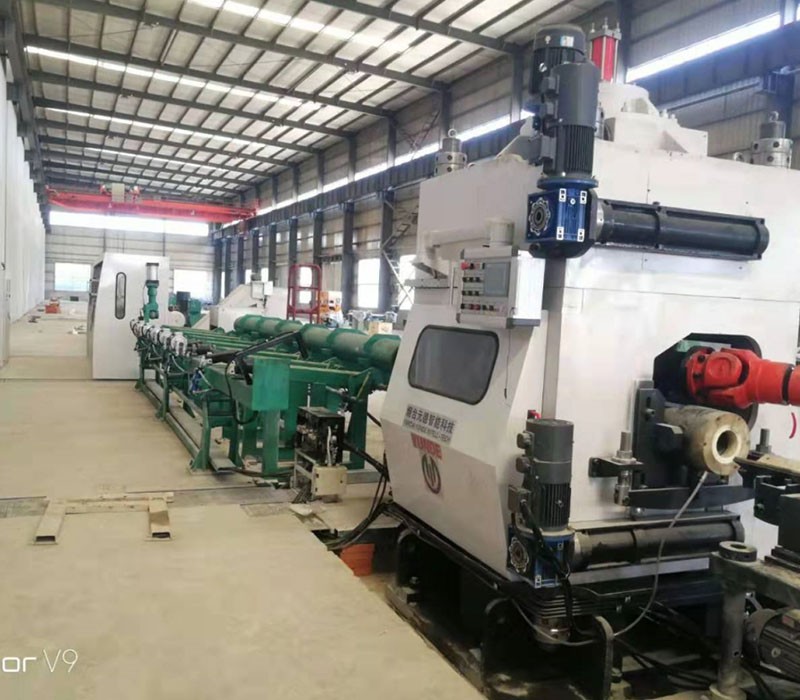
Un caso real demuestra que una enderezadora de bastidor BS100, destinada a un cliente de una planta siderúrgica china, completó con éxito su fase de pruebas y entró en funcionamiento. Esto prueba que el modelo es apto para su uso en un entorno de planta siderúrgica.
¿Cómo puede una línea de producción de enderezado de metales mejorar la productividad?
Una línea de producción de enderezamiento de metales mejora la producción al vincular el enderezamiento grueso, el pelado, el enderezamiento de precisión, el pulido, el corte, el biselado, el apilamiento y el empaquetado. La máquina peladora mejora la calidad de la superficie, mientras que la máquina enderezadora de barras Corrige la flexión y estabiliza la geometría final de la barra.
Los tornos sin centros, las enderezadoras y las pulidoras pueden formar una línea de producción automática para el desbaste y el enderezado de precisión de piezas metálicas largas y redondas, produciendo materiales metálicos brillantes de alta precisión.

Conclusión
Las barras de alta resistencia necesitan una máquina enderezadora de barras de tipo bastidor estable porque su fuerza de corrección, requisitos de superficie y estándares de mecanizado son más altos. Para el enderezamiento de barras brillantes, la máquina no es solo un paso de acabado. Es el punto de control de calidad final antes del corte, el biselado, el empaquetado y la entrega. Para la selección técnica o el soporte de configuración de la serie BS, Contacta con YUNDE para una solución basada en proyectos.
Preguntas frecuentes
¿Cuánto cuesta una máquina enderezadora de barras?
El coste depende del rango de diámetro, la fuerza de enderezamiento, la velocidad de alimentación, el nivel de automatización, la configuración hidráulica y si funciona como una máquina individual o dentro de una línea de producción de enderezamiento de metales.
¿Qué servicio postventa incluye la máquina enderezadora de barras YUNDE?
El archivo de servicio indica que los compradores pueden recibir una garantía gratuita de 12 meses, soporte técnico a largo plazo, capacitación gratuita en fábrica, respuesta en 24 horas y servicios en el extranjero para orientación sobre la instalación, puesta en marcha y capacitación operativa.
¿Cómo mejora una máquina enderezadora de barras el brillo de las barras enderezadas?ess?
Corrige la deformación tras el pelado o el enderezado inicial, lo que ayuda a que la barra acabada alcance una mayor rectitud, una superficie más lisa y un rendimiento de mecanizado más estable.
¿Qué marcas de máquinas enderezadoras son adecuadas para barras de alta resistencia?
Los compradores deben comparar las marcas de máquinas enderezadoras según la rigidez del bastidor, el control de presión, la precisión de la separación entre rodillos, la seguridad hidráulica, el rango de diámetro, la velocidad de alimentación y los casos de producción probados.
¿Puede una máquina enderezadora de barras funcionar en una línea de producción de enderezamiento de metales?
Sí. Puede funcionar con enderezado básico, pelado, pulido, corte, biselado, apilamiento y empaquetado para completar el proceso de enderezado de barras para barras brillantes terminadas.
Publicación reciente

Productos relacionados
Productos más vendidos
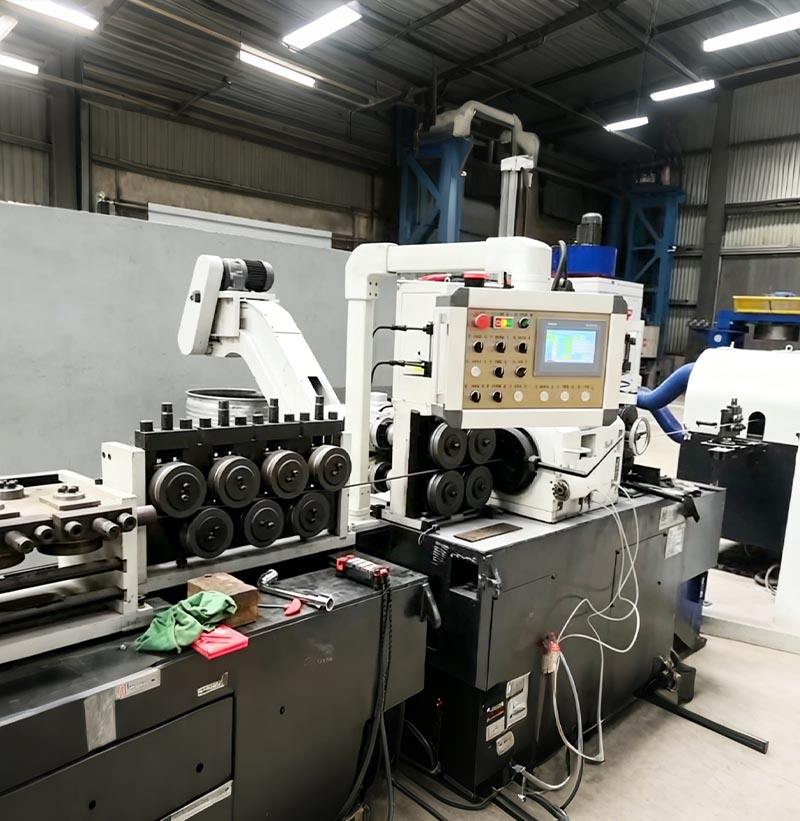
Línea de enderezamiento de bobina a barra
La varilla de alambre de acero inoxidable se desenrolla y se endereza previamente, luego se pela con un torno sin centros y se corta a la longitud precisa. Tras un último enderezamiento de precisión mediante una enderezadora de dos rodillos, el producto resultante es una barra recta de acero inoxidable de alta precisión.
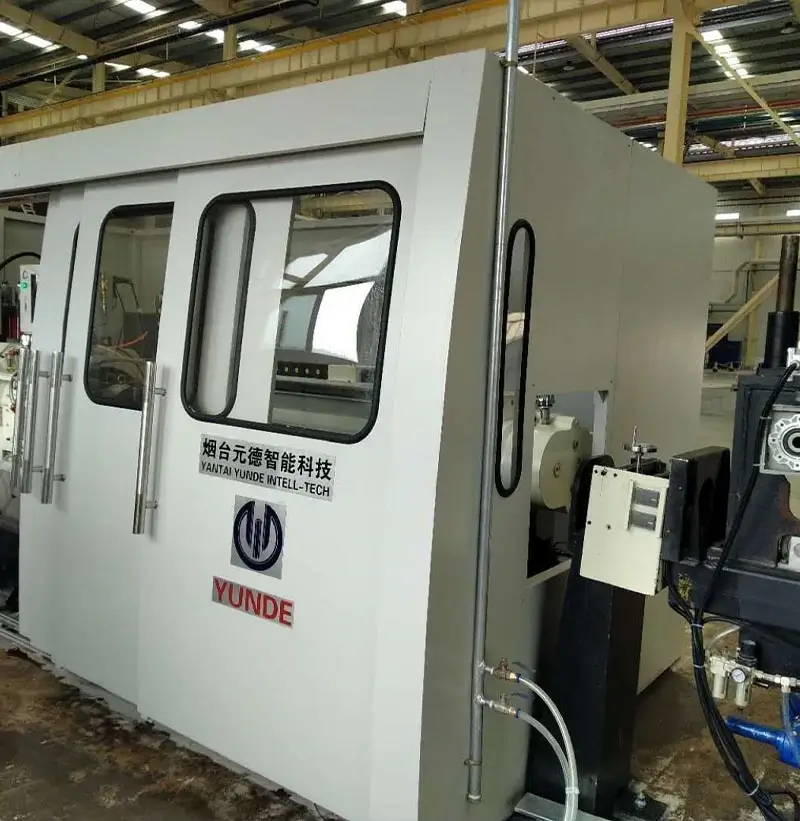
Máquina peladora (torno sin centros)
La unidad de pelado (torno sin centros) es un producto desarrollado de forma independiente tras comparar las ventajas de productos extranjeros similares y combinarlas con las características de producción de las empresas nacionales, lo que dio como resultado un diseño simplificado y optimizado.
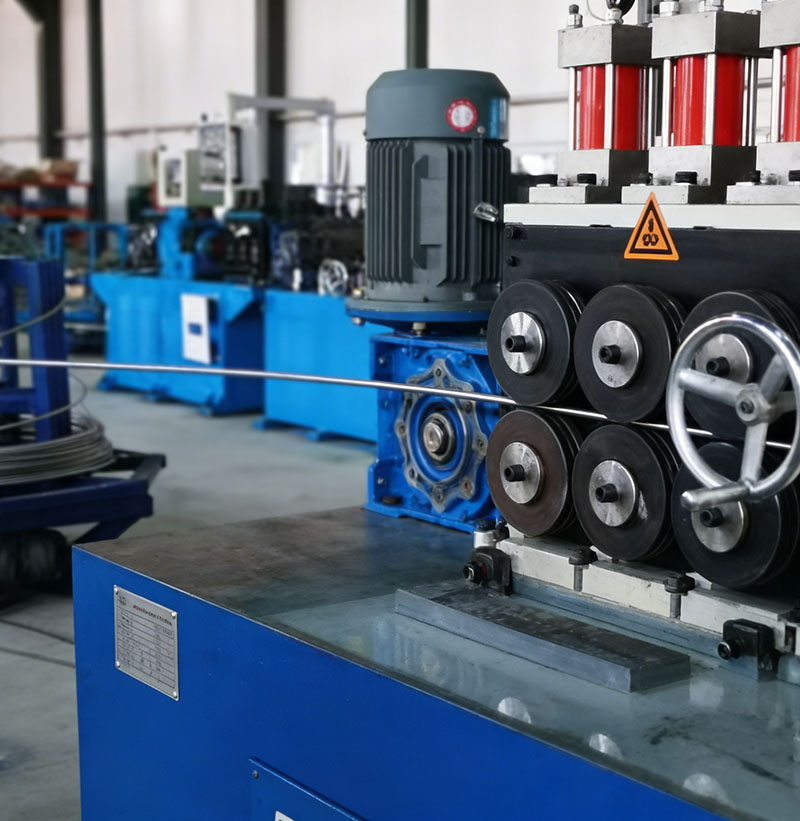
Línea de producción de bobina a bobina
La línea de producción de bobina a bobina es una serie de máquinas que incluyen una máquina desenrolladora y enderezadora, una máquina peladora, un mecanismo de sujeción, un dispositivo de precurvado, una máquina rebobinadora, etc. Mediante estas máquinas, la varilla de bobina negra se procesará para obtener una varilla de bobina brillante con una buena calidad superficial.
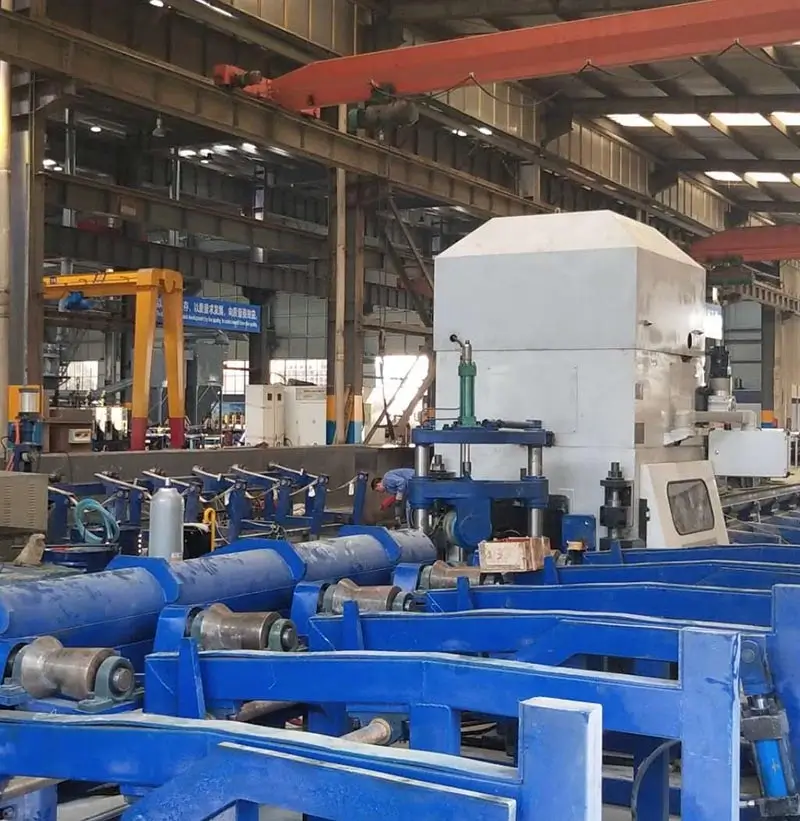
Máquina enderezadora serie BS
Una enderezadora es un dispositivo que se utiliza para enderezar perfiles, barras, tubos y alambres metálicos. La enderezadora utiliza rodillos enderezadores para comprimir el material y modificar su rectitud. Generalmente, cuenta con dos filas de rodillos enderezadores, con un número variable de ellos. También existen enderezadoras de dos rodillos, que se basan en el cambio de ángulo de dos rodillos (de forma cóncava e hiperbólica) para enderezar materiales de diferentes diámetros.
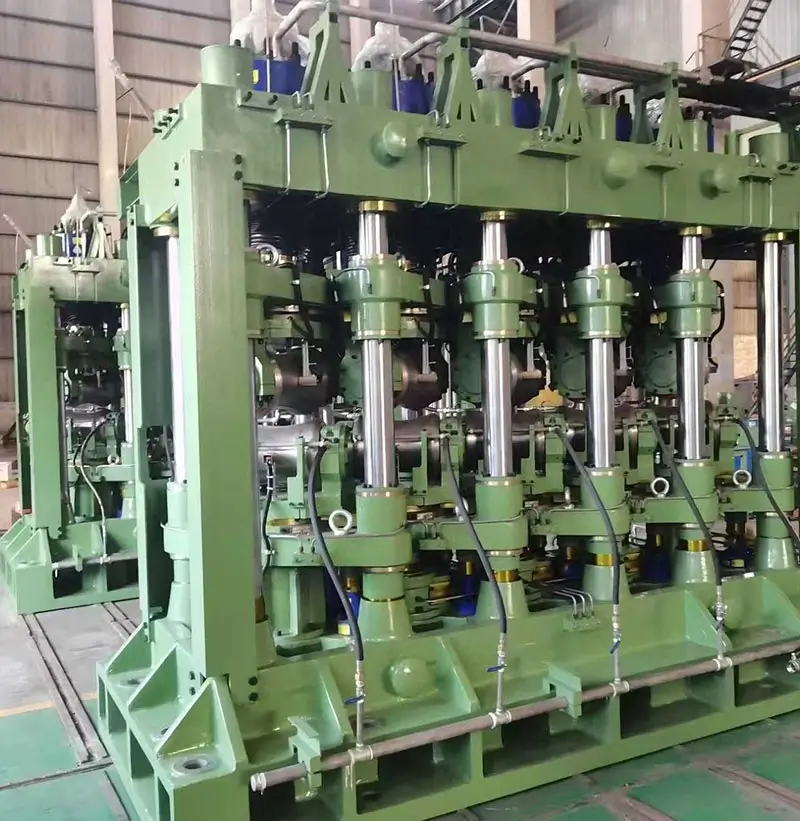
Máquina enderezadora de tubos de acero de rodillos múltiples
Es un dispositivo mecánico que se utiliza para corregir la curvatura y la ovalidad de las tuberías de acero. Se emplea para enderezar tuberías fabricadas con acero de alta aleación, resistente a la corrosión y al calor, así como con aleaciones de hierro-níquel, níquel y titanio, con el fin de reducir la falta de rectitud longitudinal y la falta de redondez transversal.
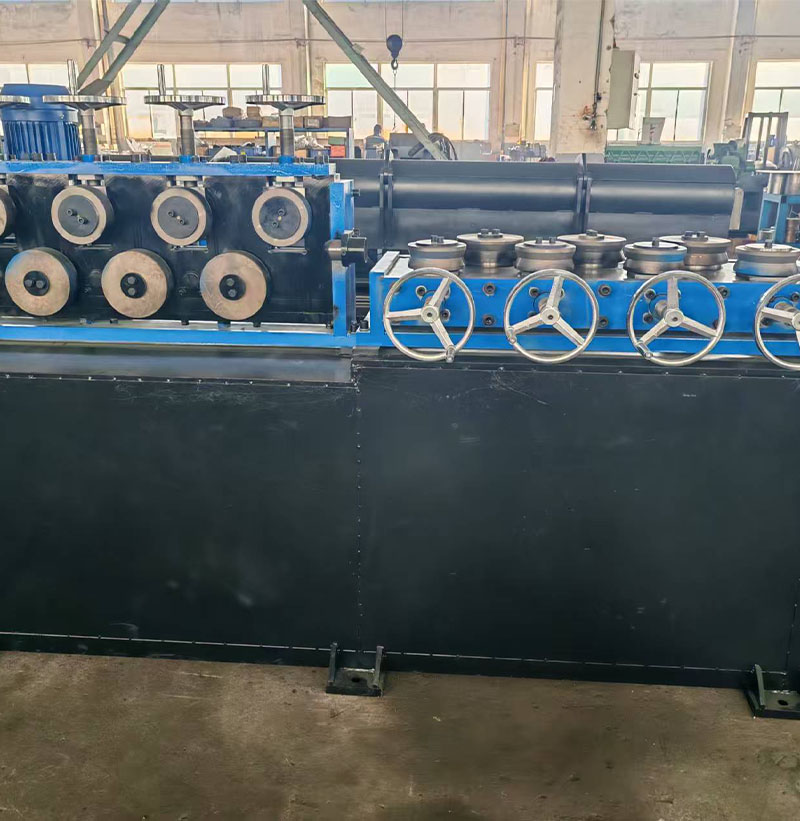
Máquina enderezadora horizontal y vertical
Suelte el volante de la enderezadora horizontal y vertical multirrodillo para que la bobina de alambre pase a través de los rodillos enderezadores. Apriete el volante hasta la posición determinada empíricamente, active el alimentador y realice varias pruebas de enderezamiento. A continuación, introduzca la bobina de alambre en los rodillos enderezadores verticales, siguiendo el mismo procedimiento que para el enderezamiento horizontal. Finalmente, introduzca la bobina de alambre en el alimentador de la desmoldadora.