
О НАС
Компания Yantai Yunde Intelligent Technology Co., Ltd., обладающая 30-летним опытом производства, обслужила более 300 отечественных и зарубежных клиентов и выпустила более 2000 единиц оборудования.
ПОЛУЧИТЕ БЕСПЛАТНУЮ ЦЕНУ
-
Дом

-
Блог
-
Отраслевые блоги
- Зачем нужны станки для выравнивания высокопрочных грифов?
Зачем нужны станки для выравнивания высокопрочных грифов?
-
 автор
автор - 9 июля
Введение
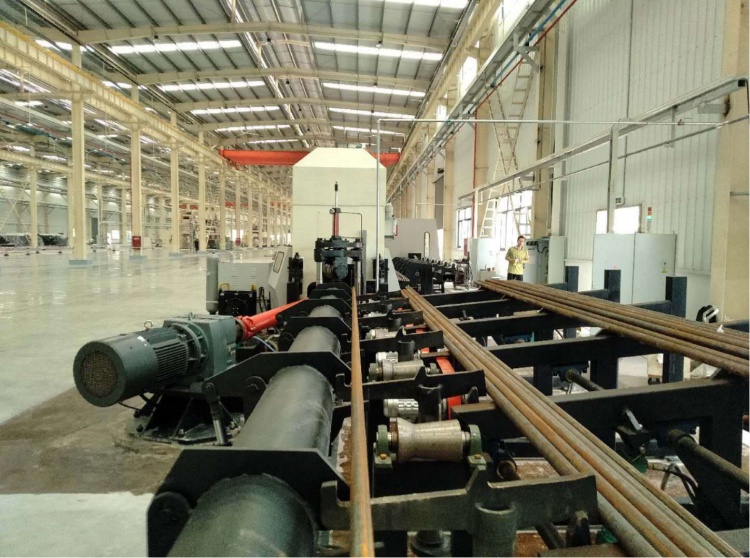
Высокопрочные прутки широко используются в автомобильной промышленности, гидравлических компонентах, механических валах, производстве пружин и прецизионной обработке. Поскольку заводы предъявляют высокие требования к прямолинейности, качеству поверхности и стабильности последующей обработки, станок для правки прутков стал ключевым оборудованием в современной линии по правке металла.
В ЮНДЕМы специализируемся на оборудовании для финишной обработки круглой стали, предназначенном для снятия стружки, точной правки и полировки прутков. В реальном производстве правильные станки серии BS в основном используются для обработки прямых прутков, а не рулонных материалов. Их часто устанавливают после черновой правки или снятия стружки для завершения процесса окончательной правки прутков и обеспечения высокого качества полированных прутков.
Почему высокопрочные стержни сложнее выпрямить?
Высокопрочные прутки обладают большей устойчивостью к деформации, чем обычные круглые прутки. В процессе выпрямления прутков станок должен прикладывать достаточное корректирующее усилие, защищая при этом поверхность прутка и уменьшая усадку диаметра на концах. Если рама недостаточно устойчива, зазор между роликами может смещаться под нагрузкой, вызывая неравномерность прямолинейности.
Вот почему важна рамная машина для выпрямления прутков. Согласно имеющейся базе знаний, такая машина использует регулирование нагрузки при постоянном давлении, вальцовое уплотнение и гибкую рамную конструкцию, что делает ее более подходящей для высокопрочных материалов с большими усилиями выпрямления и обеспечивает лучшую безопасность. Она также помогает уменьшить усадку по диаметру на концах прутков.
Чем отличается станок для выравнивания прутков рамного типа?
Рамная машина для выпрямления прутков использует выпрямляющие ролики для сжатия и коррекции металлических прутков. Для высокопрочных прутков ее ценность заключается в структурной жесткости, стабильности давления и точном позиционировании зазора между роликами. Эти детали помогают машине поддерживать стабильную коррекцию в процессе непрерывного производства.
Отдельная гидравлическая система поддерживает удержание давления и сброс нагрузки, что делает регулировки быстрее и безопаснее. Направляющая пластина делает установку более удобной, быстрой и надежной, а цельная рама повышает общую прочность машины. Для покупателей, сравнивающих марки машин для выпрямленияЭти детали важнее внешнего вида, поскольку они напрямую влияют на прямолинейность, защиту поверхности и долговечность эксплуатации.

Как происходит процесс выпрямления прутка при производстве полированного прутка?
При производстве полированных прутков правка обычно не является отдельным изолированным этапом. Горячекатаные черные прутки, то есть необработанные прутки с окалиной и поверхностными дефектами, могут сначала пройти грубую правку перед очисткой. Затем очистительная машина удаляет оксидные слои, трещины, обезуглероживающие слои и другие поверхностные дефекты. После очистки поверхность прутка становится чище, но окончательная прямолинейность по-прежнему зависит от точности правки.
Практический процесс выпрямления прутков включает в себя подготовку черных прутков, грубое выпрямление, очистку от шелухи, точное выпрямление, резку, снятие фаски и упаковку. Этот маршрут представляет собой «грубое выпрямление + очистка от шелухи + точное выпрямление», где черные прутки предварительно выпрямляются, очищаются от шелухи до получения полированных прутков, а затем подвергаются точному выпрямлению для достижения большей прямолинейности и качества поверхности.
Какие параметры следует проверять покупателям перед выбором марки выпрямительных машин?
При выборе марки станка для правильной обработки металла покупателям не следует сосредотачиваться только на цене. Правильная модель должна соответствовать диаметру прутка, минимальной длине, скорости подачи, требуемой прямолинейности, шероховатости поверхности, мощности и конструкции рамы. Эти параметры определяют, сможет ли станок бесперебойно работать на линии по правильной обработке металла.
| Модель | Диапазон диаметров | Длина | Скорость подачи | Допуск по диаметру | Шероховатость поверхности | Прямолинейность | Основной Мощность двигателя | Структура |
| BS20 | Φ6–20 мм | ≥2 м | 10–40 м/мин | ≤IT8 | Ra≤0,8 мкм | 0,10 мм/м | 7,5×2 кВт | Рамка |
| BS40 | Φ10–40 мм | ≥2 м | 10–35 м/мин | ≤IT8 | Ra≤0,8 мкм | 0,15 мм/м | 22×2 кВт | Рамка |
| BS60 | Φ15–60 мм | ≥2 м | 10–30 м/мин | ≤IT8 | Ra≤0,8 мкм | 0,20 мм/м | 30×2 кВт | Рамка |
| BS80 | Φ20–80 мм | ≥2 м | 10–24 м/мин | ≤IT8 | Ra≤0,8 мкм | 0,25 мм/м | 37×2 кВт | Рамка |
| BS100 | Φ25–100 мм | ≥3 м | 10–24 м/мин | ≤IT8 | Ra≤0,8 мкм | 0,30 мм/м | 45×2 кВт | Рамка |
| BS130 | Φ35–130 мм | ≥3 м | 10–20 м/мин | ≤IT8 | Ra≤0,8 мкм | 0,35 мм/м | 75×2 кВт | Рамка |
| BS160 | Φ40–160 мм | ≥3 м | 10–20 м/мин | ≤IT8 | Ra≤0,8 мкм | 0,40 мм/м | 90×2 кВт | Рамка |
Как стандарт BS100 поддерживает выравнивание прутков средних и больших размеров?
Модель BS100 подходит для обработки прутков среднего и большого диаметра. Она охватывает прутки диаметром Φ25–100 мм, требует минимальной длины 3 м, обеспечивает скорость подачи 10–24 м/мин и прямолинейность 0,30 мм/м. Эти характеристики делают ее полезной для выпрямления светлых прутков после очистки, особенно когда предприятие работает с крупными круглыми стальными прутками.
Реальный пример показывает, что рамная правильная машина стандарта BS100, поставленная китайскому заказчику — металлургическому заводу, — успешно завершила пробный запуск и была введена в эксплуатацию. Это доказывает пригодность модели для использования в условиях металлургического завода.
Как линия по выпрямлению металла может повысить производительность?
Линия по выпрямлению металла повышает производительность за счет объединения этапов грубого выпрямления, очистки, прецизионного выпрямления, полировки, резки, снятия фаски, штабелирования и упаковки. Станок для очистки улучшает качество поверхности, а станок для очистки... станок для выравнивания прутков корректирует изгиб и стабилизирует окончательную геометрию стержня.
Бесцентровые токарные станки, правильные и полировальные станки могут сформировать автоматизированную производственную линию для шлифовки и прецизионной обработки длинных круглых металлических деталей, обеспечивая получение высокоточных полированных металлических изделий.

Заключение
Для высокопрочных прутков требуется устойчивый рамный станок для их выпрямления, поскольку требуемая сила коррекции, требования к поверхности и стандарты обработки выше. При выпрямлении полированных прутков станок — это не просто финишный этап. Это заключительный этап контроля качества перед резкой, снятием фаски, упаковкой и отгрузкой. Для технической поддержки по выбору или конфигурации серии BS, свяжитесь с Юнде для проектного решения.
Часто задаваемые вопросы
Сколько стоит станок для выравнивания прутков?
Стоимость зависит от диапазона диаметров, силы правки, скорости подачи, уровня автоматизации, гидравлической конфигурации, а также от того, используется ли машина как отдельный агрегат или в составе линии по правке металла.
Какое послепродажное обслуживание входит в комплект станка для выравнивания прутков YUNDE?
В сервисной документации указано, что покупатели могут получить 12-месячную бесплатную гарантию, долгосрочную техническую поддержку, бесплатное заводское обучение, круглосуточное реагирование, а также услуги за рубежом по установке, вводу в эксплуатацию и обучению эксплуатации.
Как станок для выравнивания прутков улучшает качество выравнивания прутков?есс?
Она устраняет изгибы после шелушения или грубого выпрямления, помогая готовому прутку достичь лучшей прямолинейности, более гладкой поверхности и более стабильной работы при обработке.
Какие марки выпрямительных машин подходят для высокопрочных прутков?
Покупателям следует сравнивать марки правильных станков по таким параметрам, как жесткость рамы, контроль давления, точность зазора между валками, гидравлическая безопасность, диапазон диаметров, скорость подачи и подтвержденные примеры эксплуатации.
Может ли станок для правильной обработки прутков работать на линии по правильной обработке металла?
Да. Он может использоваться для грубой обработки, очистки, полировки, резки, снятия фаски, штабелирования и связывания, чтобы завершить процесс выравнивания брусков и получить готовые полированные бруски.
Последняя публикация

Сопутствующие товары
Самые продаваемые товары
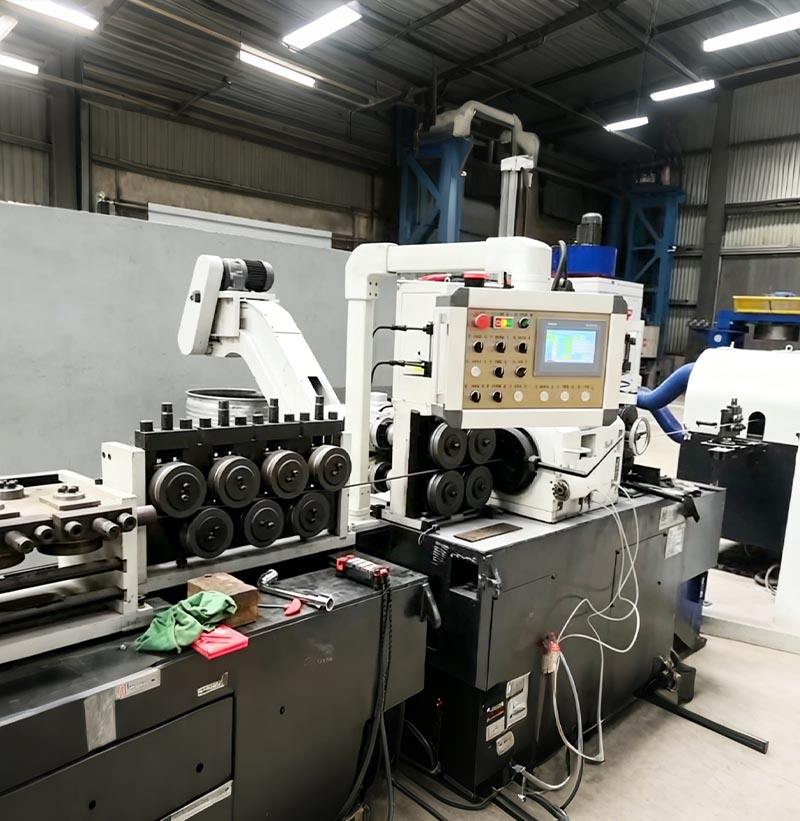
Линия выравнивания при отслаивании рулона от прутка
Проволока из нержавеющей стали разматывается и предварительно выпрямляется, затем очищается с помощью бесцентрового токарного станка и нарезается на точно заданную длину. После окончательной прецизионной правки на двухвалковом правильном станке получается высокоточный прямой стержень из нержавеющей стали.
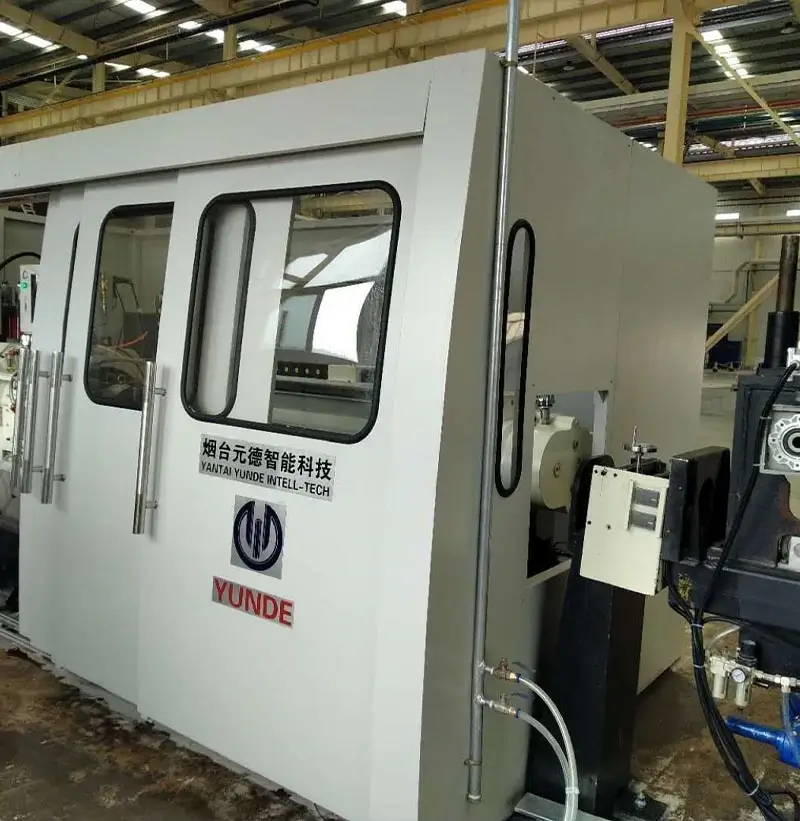
Станок для очистки (бесцентровый токарный станок)
Станок для лущения (бесцентровый токарный станок) — это изделие, разработанное собственными силами после сравнения преимуществ аналогичных зарубежных изделий и их сочетания с производственными особенностями отечественных предприятий, что привело к упрощению и оптимизации конструкции.
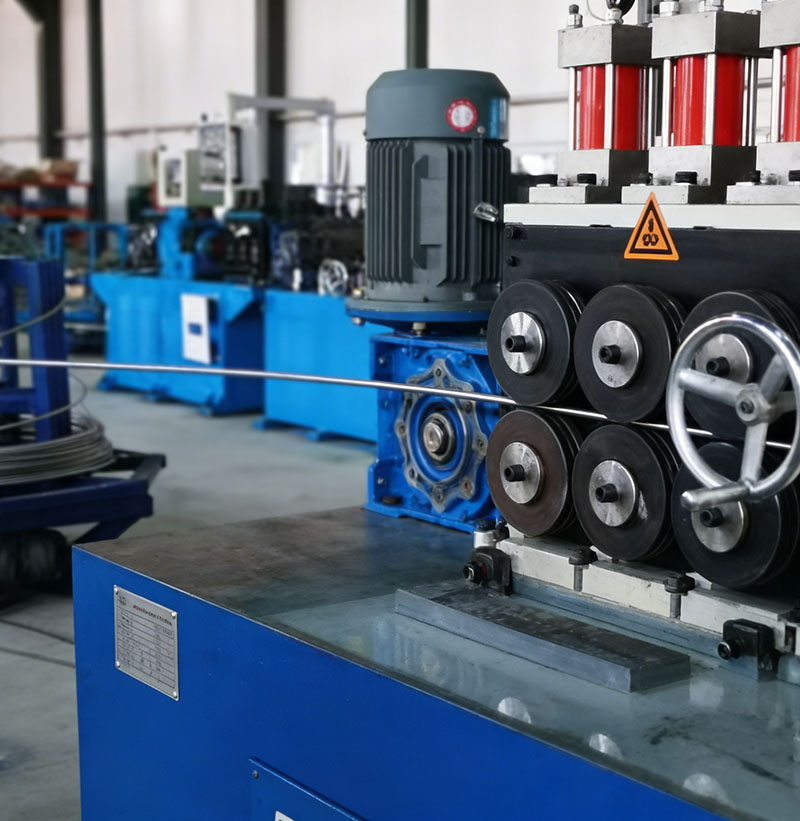
Линия по производству рулонов
Линия по производству рулонов представляет собой комплекс оборудования, включающий в себя размоточную и правильную машины, лущильную машину, зажимной механизм, устройство предварительной гибки, намоточную машину и т. д. С помощью этого оборудования черный рулонный пруток перерабатывается в светлый рулонный пруток с хорошим качеством поверхности.
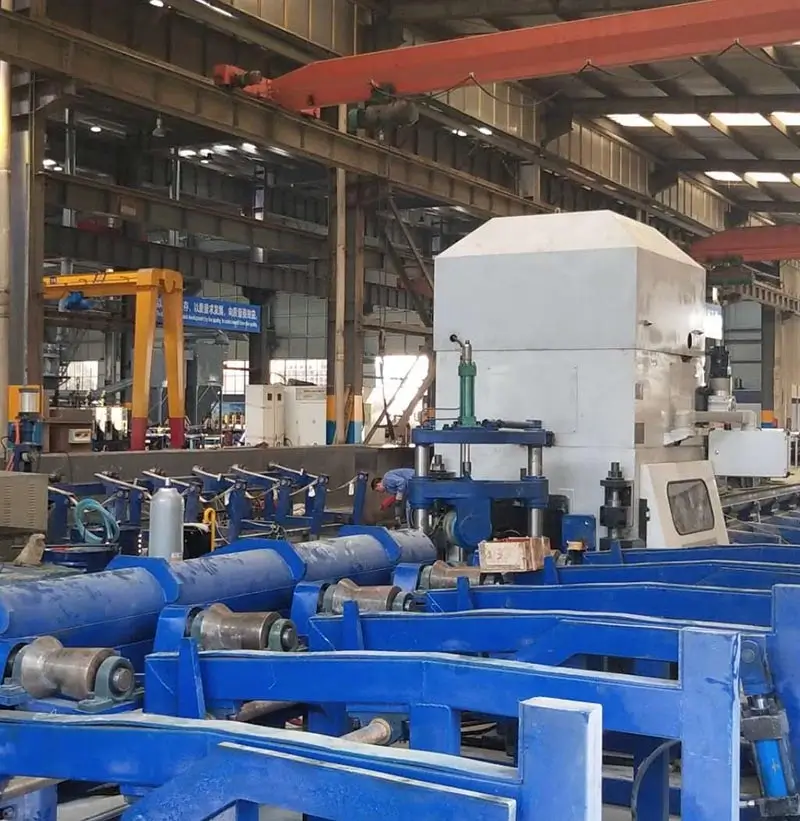
Выпрямительная машина серии BS
Выпрямительная машина — это устройство, используемое для выпрямления металлических профилей, прутков, труб и проволоки. Выпрямительная машина использует выпрямляющие ролики для сжатия материала, изменяя его прямолинейность. Обычно она имеет два ряда выпрямляющих роликов с различным количеством роликов. Существуют также двухроликовые выпрямительные машины, которые используют изменение угла двух роликов (имеющих вогнутую, гиперболическую форму) для выпрямления материалов разного диаметра.
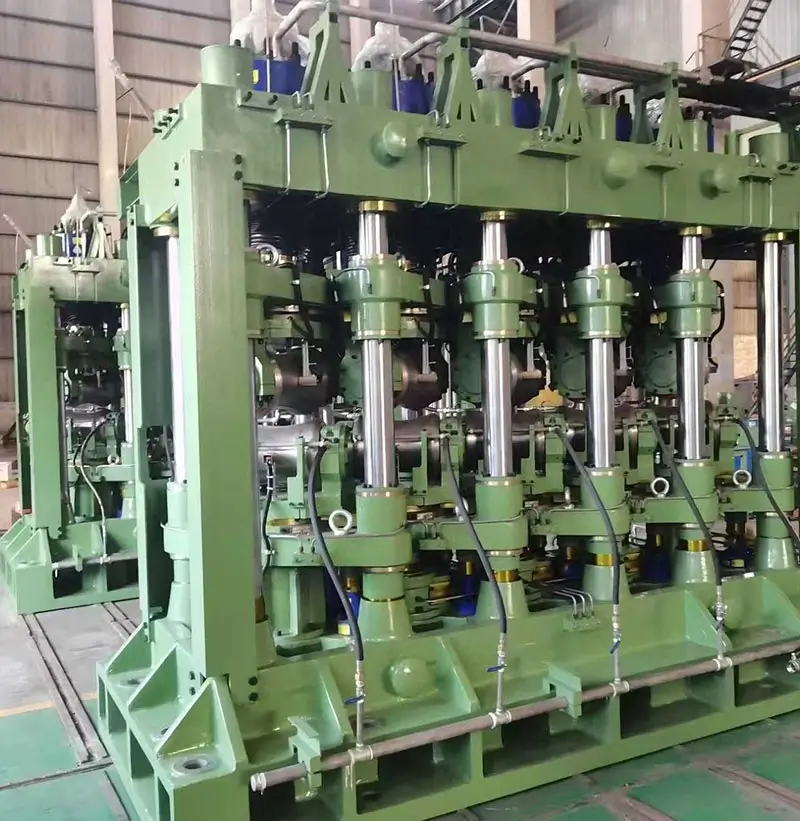
Многовалковый станок для выпрямления стальных труб
Это механическое устройство, используемое для выпрямления кривизны и овальности стальных труб. Оно применяется для выпрямления труб из высоколегированной, коррозионностойкой, жаростойкой стали, а также легированных железо-никелевых, никелевых и титановых сплавов, с целью уменьшения продольной непрямотности и поперечной некруглости.
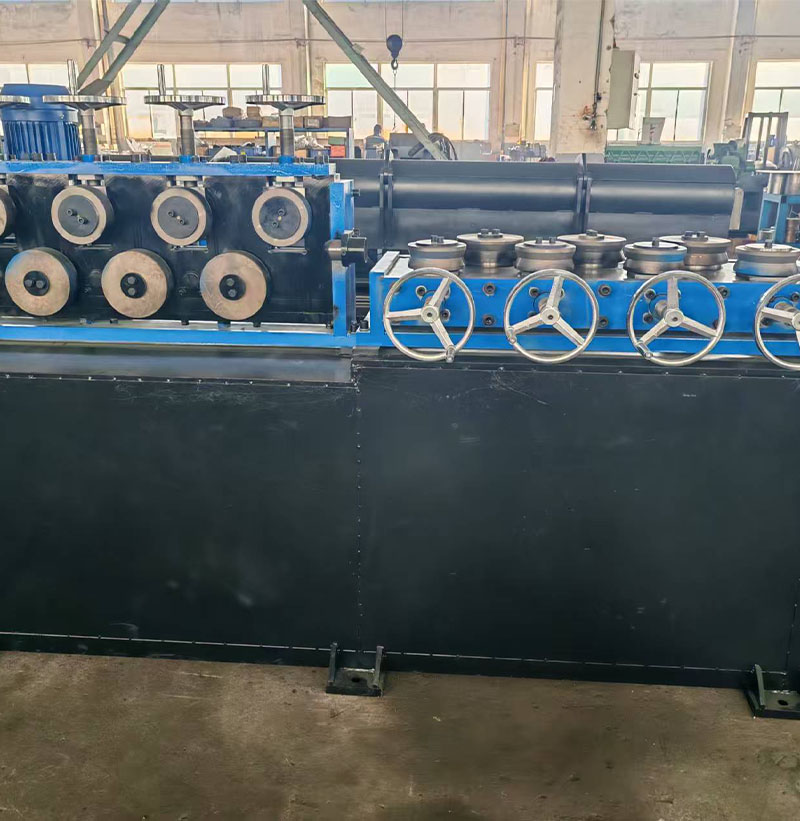
Горизонтальный и вертикальный правильный станок
Отпустите маховик многовалковой горизонтально-вертикальной правящей машины, чтобы проволока прошла через правящие ролики. Затяните маховик в заданное положение, запустите подающее устройство и проведите несколько пробных правок. Затем подайте проволоку к вертикальным правящим роликам, следуя той же процедуре, что и для горизонтальной правки. Наконец, подайте проволоку к подающему устройству очистительной машины.