SOBRE NÓS
A Yantai Yunde Intelligent Technology Co., Ltd. possui apenas 30 anos de experiência em produção, atendeu mais de 300 clientes nacionais e estrangeiros e produziu mais de 2.000 máquinas.
SOLICITE UM ORÇAMENTO GRÁTIS
-
Lar

-
Blog
-
Blogs do setor
- Por que barras de alta resistência precisam de uma máquina de endireitar barras?

Por que barras de alta resistência precisam de uma máquina de endireitar barras?
-
autor
- 9,Julho
 autor
autor 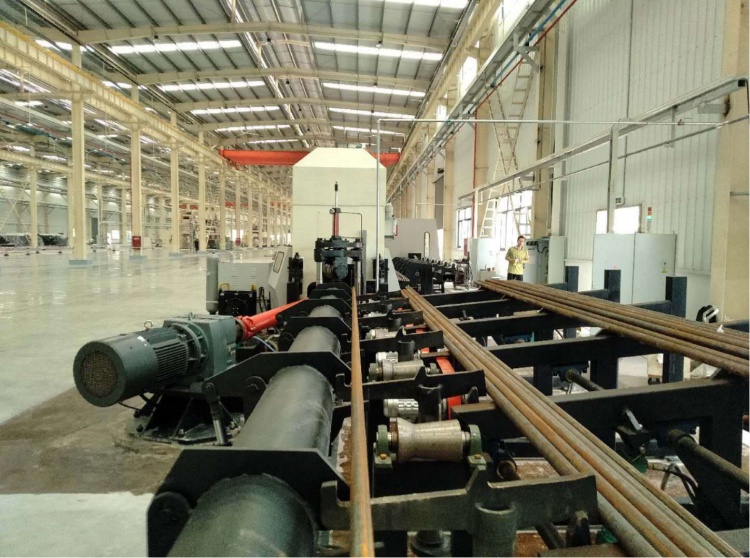
Introdução
Barras de alta resistência são amplamente utilizadas em peças automotivas, componentes hidráulicos, eixos mecânicos, fabricação de molas e usinagem de precisão. À medida que as fábricas exigem maior retidão, melhor acabamento superficial e processamento subsequente mais estável, a máquina de endireitar barras tornou-se um equipamento fundamental em uma linha de produção moderna de endireitamento de metais.
No YUNDENosso foco são equipamentos para acabamento de aço redondo, incluindo descascamento, endireitamento de precisão e polimento de barras. Na produção, a máquina de endireitamento da série BS é utilizada principalmente para processar barras retas, e não materiais em bobina. Geralmente, ela é instalada após o endireitamento bruto ou descascamento para completar o processo final de endireitamento da barra e garantir um acabamento brilhante e de alta qualidade.
Por que barras de alta resistência são mais difíceis de endireitar?
Barras de alta resistência oferecem maior resistência à deformação do que barras redondas comuns. Durante o processo de endireitamento, a máquina deve aplicar força de correção suficiente, protegendo a superfície da barra e minimizando a contração do diâmetro nas extremidades. Se a estrutura não for suficientemente estável, a folga entre os rolos pode se deslocar sob carga, causando inconsistências no alinhamento.
É por isso que uma endireitadeira de barras do tipo estrutura é importante. A base de conhecimento afirma que essa máquina aplica controle de carga por pressão constante, compactação por rolos e uma estrutura flexível, tornando-a mais adequada para materiais de alta resistência, com maiores forças de endireitamento e maior segurança. Ela também ajuda a reduzir a contração do diâmetro nas extremidades da barra.
O que diferencia uma máquina de endireitar barras do tipo estrutura?
Uma máquina de endireitar barras do tipo estrutura utiliza rolos de endireitamento para comprimir e corrigir barras metálicas. Para barras de alta resistência, seu valor reside na rigidez estrutural, na estabilidade da pressão e no posicionamento preciso da folga entre os rolos. Esses detalhes ajudam a máquina a manter uma correção consistente durante a produção contínua.
O sistema hidráulico independente permite manter a pressão e liberar a carga, tornando os ajustes mais rápidos e seguros. A placa guia facilita, agiliza e torna a instalação mais confiável, enquanto a estrutura completa da armação melhora a resistência geral da máquina. Para compradores que estão comparando. marcas de máquinas de alisarEsses detalhes são mais importantes do que a aparência, pois afetam diretamente a retidão, a proteção da superfície e o funcionamento a longo prazo.

Como funciona o processo de endireitamento de barras na produção de barras brilhantes?
Na produção de barras brilhantes, o endireitamento geralmente não é uma etapa isolada. Barras pretas laminadas a quente, ou seja, barras sem revestimento com carepa e defeitos superficiais, podem primeiro passar por um endireitamento grosseiro antes do revestimento. Em seguida, a máquina de revestimento remove camadas de óxido, trincas, camadas descarbonetadas e outros defeitos superficiais. Após o revestimento, a superfície da barra fica mais limpa, mas a retidão final ainda depende do endireitamento de precisão.
Um processo prático de endireitamento de barras consiste em preparação da barra preta, endireitamento grosseiro, descascamento, endireitamento de precisão, corte, chanframento e agrupamento. Este processo é denominado "endireitamento grosseiro + descascamento + endireitamento de precisão", onde as barras pretas são pré-endireitadas, descascadas para se tornarem barras brilhantes e, em seguida, endireitadas com precisão para obter maior retidão e melhor acabamento superficial.
Que parâmetros os compradores devem verificar antes de escolher marcas de máquinas de alisar cabelo?
Ao escolher marcas de máquinas de endireitamento, os compradores não devem se concentrar apenas no preço. O modelo certo deve ser compatível com o diâmetro da barra, comprimento mínimo, velocidade de alimentação, retidão desejada, rugosidade da superfície, potência e estrutura da máquina. Esses parâmetros determinam se a máquina funcionará sem problemas em uma linha de produção de endireitamento de metais.
| Modelo | Faixa de diâmetro | Comprimento | Velocidade de alimentação | Tolerância de diâmetro | Rugosidade da superfície | Retidão | Principal Potência do motor | Estrutura |
| BS20 | Φ6–20 mm | ≥2 m | 10–40 m/min | ≤IT8 | Ra≤0,8 μm | 0,10 mm/m | 7,5×2 kW | Quadro |
| BS40 | Φ10–40 mm | ≥2 m | 10–35 m/min | ≤IT8 | Ra≤0,8 μm | 0,15 mm/m | 22×2 kW | Quadro |
| BS60 | Φ15–60 mm | ≥2 m | 10–30 m/min | ≤IT8 | Ra≤0,8 μm | 0,20 mm/m | 30×2 kW | Quadro |
| BS80 | Φ20–80 mm | ≥2 m | 10–24 m/min | ≤IT8 | Ra≤0,8 μm | 0,25 mm/m | 37×2 kW | Quadro |
| BS100 | Φ25–100 mm | ≥3 m | 10–24 m/min | ≤IT8 | Ra≤0,8 μm | 0,30 mm/m | 45×2 kW | Quadro |
| BS130 | Φ35–130 mm | ≥3 m | 10–20 m/min | ≤IT8 | Ra≤0,8 μm | 0,35 mm/m | 75×2 kW | Quadro |
| BS160 | Φ40–160 mm | ≥3 m | 10–20 m/min | ≤IT8 | Ra≤0,8 μm | 0,40 mm/m | 90×2 kW | Quadro |
Como o BS100 suporta o endireitamento de barras médias e grandes?
A BS100 é adequada para o processamento de barras de médio e grande porte. Abrange barras de Φ25 a 100 mm, requer um comprimento mínimo de 3 m, atinge uma velocidade de alimentação de 10 a 24 m/min e alcança uma retilineidade de 0,30 mm/m. Essas especificações a tornam útil para o endireitamento de barras brilhantes após o descascamento, especialmente quando uma fábrica trabalha com aços redondos de grandes dimensões.
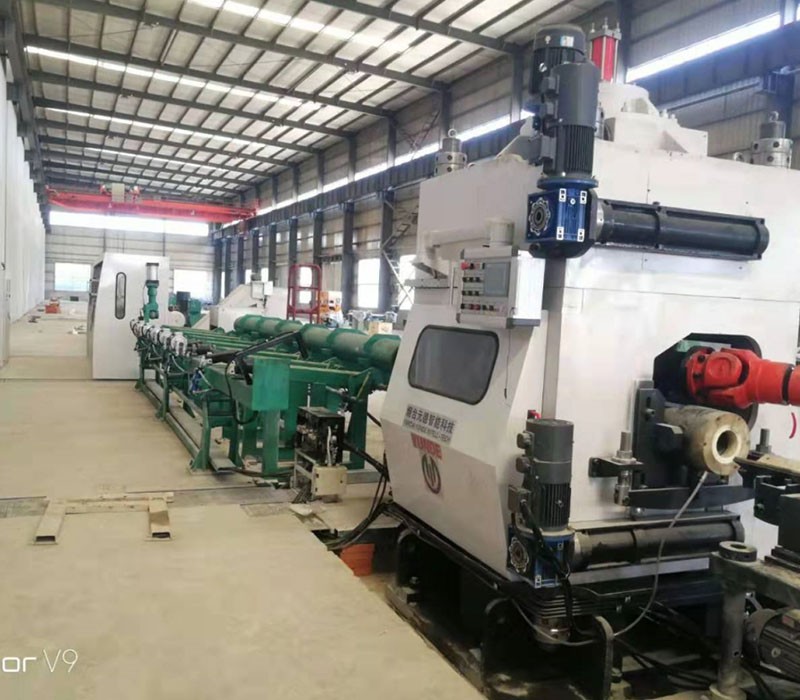
Um caso real demonstra que uma máquina de endireitar estrutura tipo BS100, para um cliente de uma siderúrgica chinesa, concluiu com sucesso o período de testes e entrou em operação. Isso comprova que o modelo é adequado para uso em um ambiente siderúrgico.
Como uma linha de produção de endireitamento de metais pode melhorar a produtividade?
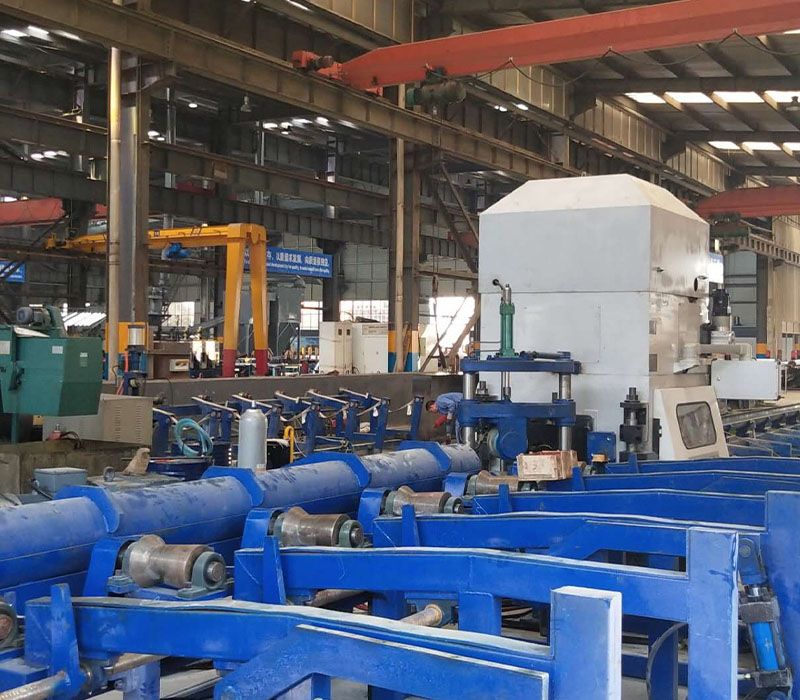
Uma linha de produção de endireitamento de metais melhora a produtividade ao integrar as etapas de endireitamento bruto, descascamento, endireitamento de precisão, polimento, corte, chanframento, empilhamento e agrupamento. A máquina de descascamento melhora a qualidade da superfície, enquanto a máquina de endireitar barras Corrige a curvatura e estabiliza a geometria final da barra.
Os tornos sem centros, as máquinas de endireitamento e as máquinas de polimento podem formar uma linha de produção automática para descascamento e endireitamento de precisão de peças metálicas redondas longas, produzindo materiais metálicos brilhantes de alta precisão.

Conclusão
Barras de alta resistência exigem uma máquina de endireitamento de barras tipo estrutura estável, pois suas forças de correção, requisitos de superfície e padrões de usinagem são mais elevados. Para o endireitamento de barras brilhantes, a máquina não é apenas uma etapa de acabamento. É o ponto final de controle de qualidade antes do corte, chanframento, agrupamento e entrega. Para seleção técnica ou suporte à configuração da série BS, contate YUNDE para uma solução baseada em projetos.
Perguntas frequentes
Quanto custa uma máquina de endireitar barras?
O custo depende da faixa de diâmetro, da força de endireitamento, da velocidade de alimentação, do nível de automação, da configuração hidráulica e se funciona como uma máquina individual ou dentro de uma linha de produção de endireitamento de metais.
Que tipo de serviço pós-venda está incluído na máquina de endireitar barras YUNDE?
O dossiê de serviço informa que os compradores podem receber uma garantia gratuita de 12 meses, suporte técnico a longo prazo, treinamento gratuito na fábrica, resposta em 24 horas e serviços no exterior para orientação de instalação, comissionamento e treinamento de operação.
Como uma máquina de endireitar barras melhora o endireitamento de barras brilhantes?ess?
Corrige a curvatura após o descascamento ou endireitamento grosseiro, ajudando a barra acabada a atingir uma retidão melhor, uma consistência de superfície mais suave e um desempenho de usinagem mais estável.
Quais marcas de máquinas de endireitar são adequadas para barras de alta resistência?
Os compradores devem comparar as marcas de máquinas de endireitar rolos considerando a rigidez da estrutura, o controle de pressão, a precisão da folga entre os rolos, a segurança hidráulica, a faixa de diâmetro, a velocidade de alimentação e os casos de produção comprovados.
Uma máquina de endireitar barras pode funcionar em uma linha de produção de endireitamento de metais?
Sim. Pode ser utilizado em processos de desbaste, descascamento, polimento, corte, chanframento, empilhamento e agrupamento para completar o processo de endireitamento de barras, resultando em barras brilhantes com acabamento final.
Postagem recente

Produtos relacionados
Produtos mais vendidos
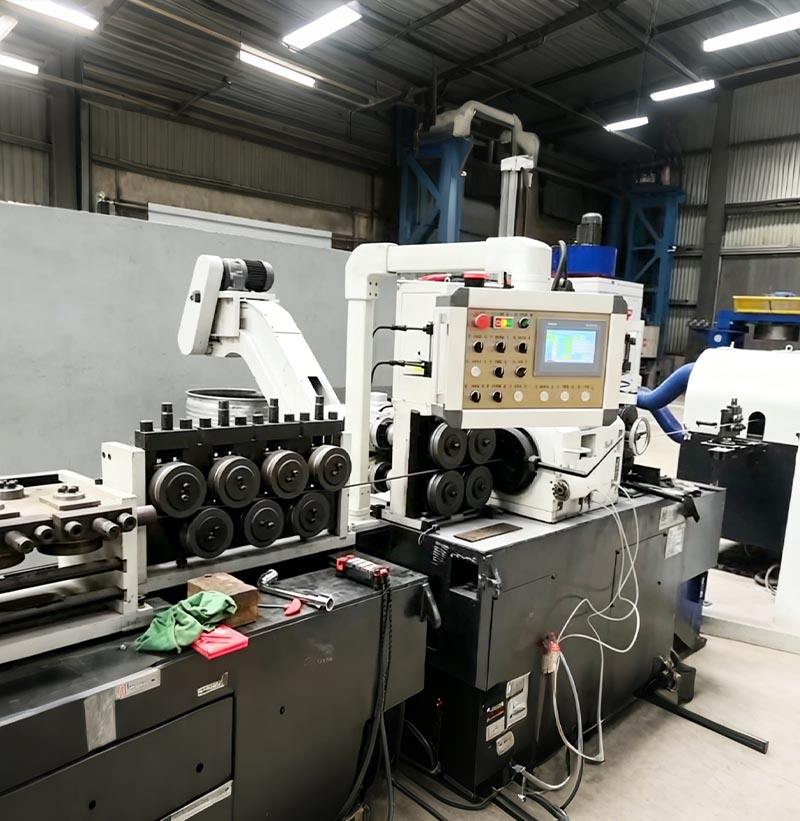
Linha de alinhamento de descascamento da bobina à barra
O fio-máquina de aço inoxidável é desenrolado e pré-endireitado, depois desbastado em um torno sem centros e cortado em um comprimento preciso. Após uma passagem final de endireitamento de precisão em uma endireitadeira de dois rolos, o produto resultante é uma barra reta de aço inoxidável de alta precisão.
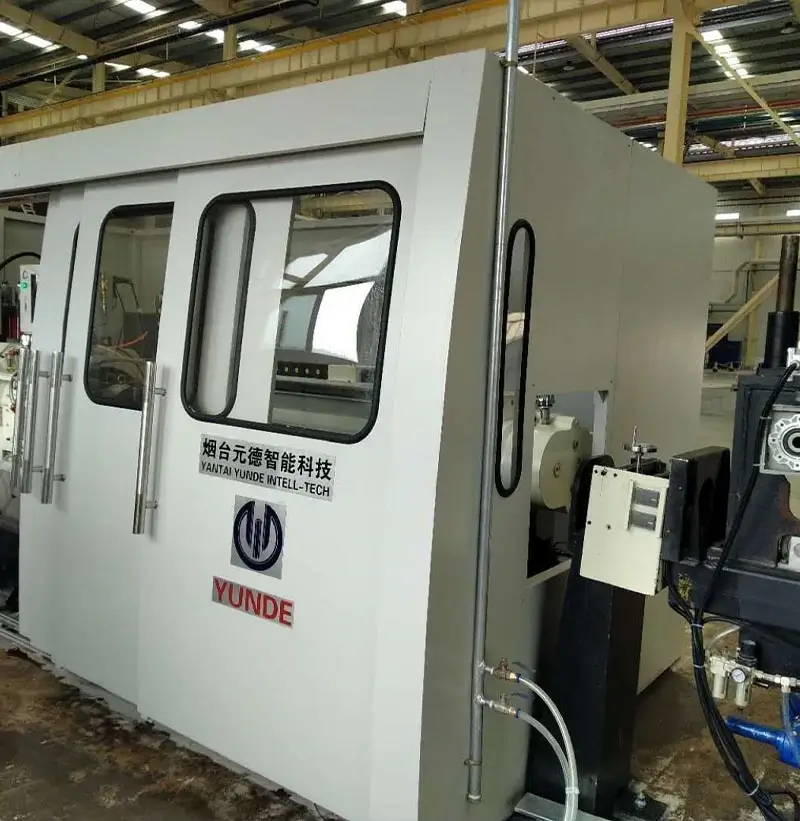
Máquina de descascar (torno sem centros)
A unidade de descascamento (torno sem centros) é um produto desenvolvido de forma independente após a comparação e o contraste das vantagens de produtos estrangeiros similares, combinando-as com as características de produção das empresas nacionais, resultando em um projeto simplificado e otimizado.
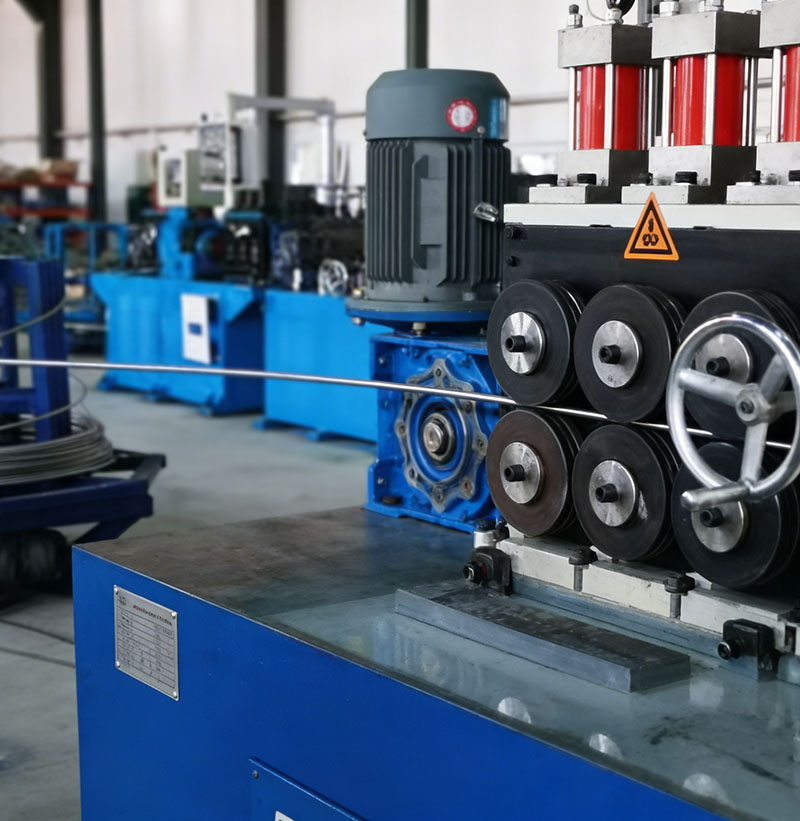
Linha de produção bobina a bobina
A linha de produção bobina a bobina é composta por uma série de máquinas, incluindo desenrolador e endireitador, descascador, mecanismo de fixação, dispositivo de pré-dobra, rebobinador, etc. Através dessas máquinas, a bobina preta é processada em bobina brilhante com boa qualidade de superfície.
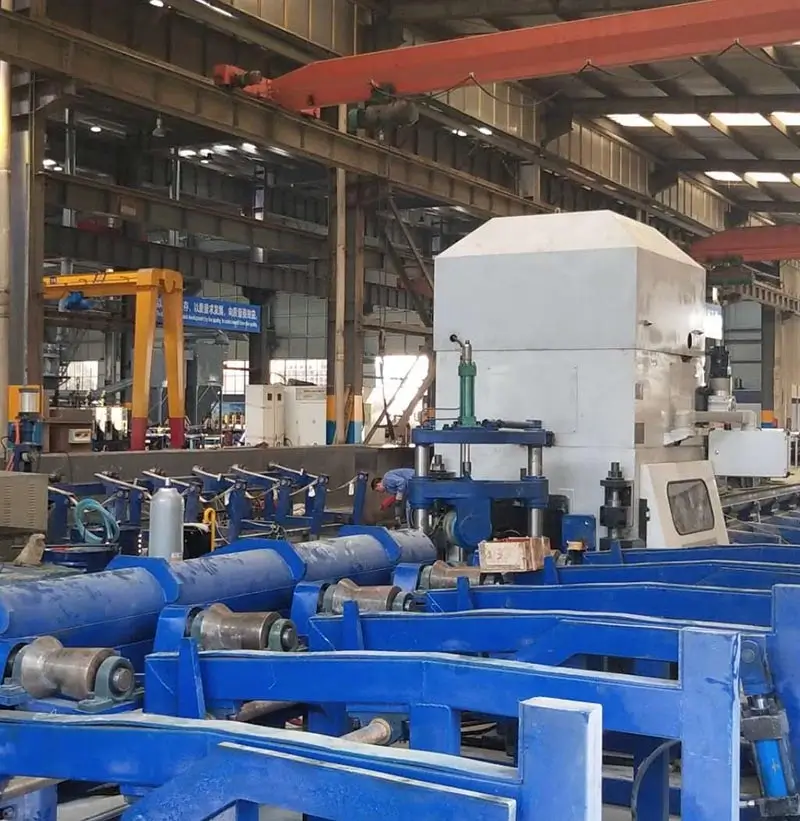
Máquina de endireitar série BS
Uma máquina de endireitar é um dispositivo usado para endireitar perfis metálicos, barras, tubos e fios. A máquina de endireitar utiliza rolos de endireitamento para comprimir o material, alterando sua retidão. Geralmente, existem duas fileiras de rolos de endireitamento, com números variáveis de rolos. Existem também máquinas de endireitar com dois rolos, que dependem da mudança de ângulo de dois rolos (com formato côncavo hiperbólico) para endireitar materiais de diferentes diâmetros.
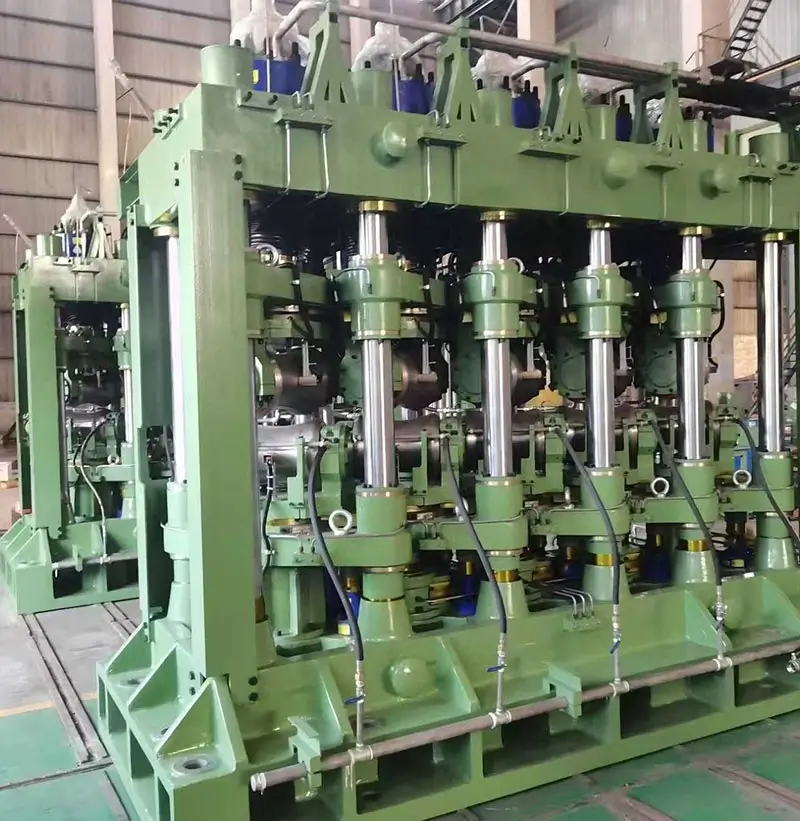
Máquina de endireitamento de tubos de aço com múltiplos rolos
É um dispositivo mecânico usado para corrigir a curvatura e a ovalização de tubos de aço. É utilizado para endireitar tubos feitos de aço e ligas de alta resistência, resistentes à corrosão e ao calor, bem como ligas de ferro-níquel, níquel e titânio, de modo a reduzir a não retilineidade longitudinal e a não circularidade da seção transversal.
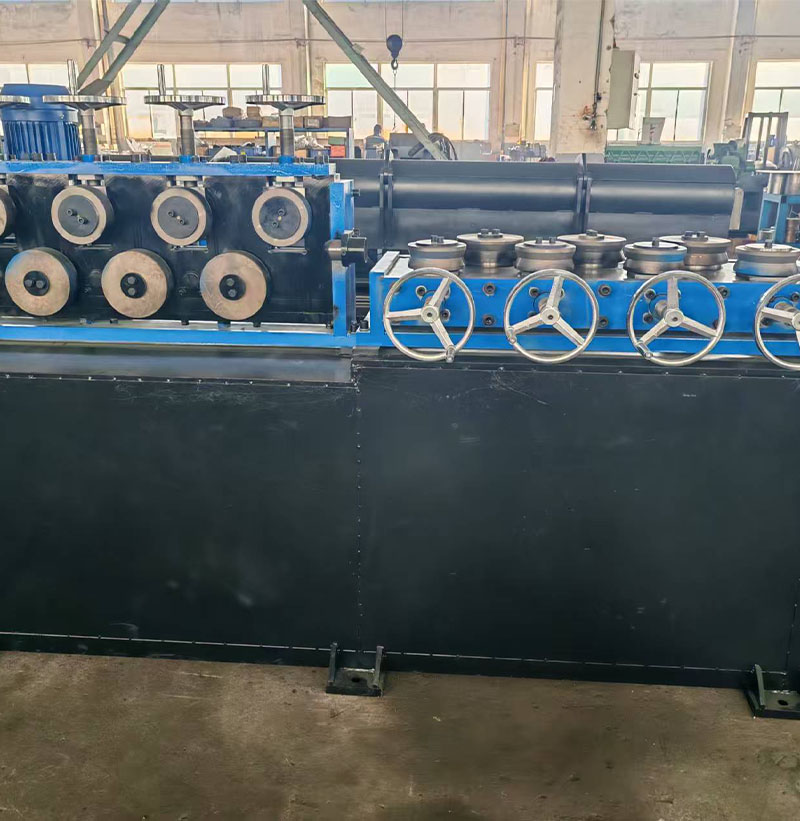
Máquina de endireitamento horizontal e vertical
Solte o volante da máquina de endireitar horizontal e vertical de múltiplos rolos para permitir que a bobina de arame passe pelos rolos de endireitamento. Aperte o volante até a posição determinada empiricamente, ligue o dispositivo de alimentação e realize testes de endireitamento repetidos. Em seguida, alimente a bobina de arame nos rolos de endireitamento vertical, seguindo o mesmo procedimento do endireitamento horizontal. Finalmente, alimente a bobina de arame no dispositivo de alimentação da máquina de descascar.