
SOBRE NÓS
A Yantai Yunde Intelligent Technology Co., Ltd. possui apenas 30 anos de experiência em produção, atendeu mais de 300 clientes nacionais e estrangeiros e produziu mais de 2.000 máquinas.
SOLICITE UM ORÇAMENTO GRÁTIS
-
Lar

-
Blog
-
Blogs do setor
- O que determina o custo de manutenção de uma máquina de descascamento de barras de aço?

O que determina o custo de manutenção de uma máquina de descascamento de barras de aço?
-
autor
- 2,Julho
 autor
autor 
Introdução
O custo anual de manutenção de uma máquina de descascamento de barras de aço não é um valor fixo, mas sim um reflexo de como o sistema interage com a dureza do material, a intensidade da produção e os requisitos de rugosidade superficial. Em linhas modernas de acabamento de aço, os operadores raramente avaliam o custo apenas com base em peças de reposição ou mão de obra. Em vez disso, analisam o comportamento de todo o ciclo de vida de uma máquina de descascamento de barras redondas, especialmente ao processar aço-liga de alta resistência, aço inoxidável e aço carbono.
Em muitos cenários de produção, um YUNDE O processo de torneamento e desbaste mecânico substituiu os sistemas tradicionais de usinagem de desbaste e retificação, pois oferece precisão dimensional estável e rugosidade superficial controlada (Ra ≤ 1,6 μm). No entanto, essa melhoria na qualidade também transforma a manutenção, passando de reparos ocasionais para serviços preventivos estruturados.
O que determina o custo anual de manutenção da máquina de descascamento de aço?
A estrutura de custos de uma máquina de descascamento de aço é determinada principalmente pela intensidade da carga mecânica, profundidade de corte e continuidade da produção. Ao contrário dos equipamentos de usinagem em geral, uma máquina de descascamento de barras remove continuamente a camada superficial externa do aço redondo, que inclui óxidos, camadas descarbonetadas e microfissuras.
O processo de descascamento de uma barra de aço requer contato constante com a ferramenta. Isso significa que o desgaste é inevitável, especialmente ao processar materiais de alta resistência, como aço para rolamentos ou aço-ferramenta de liga. A estabilidade da pressão hidráulica, a durabilidade dos rolamentos do fuso e o alinhamento do sistema de alimentação influenciam diretamente a frequência anual de manutenção.
Em ambientes de produção reais, os operadores observam que quanto maior a exigência de precisão superficial e tolerância dimensional, mais frequente se torna a recalibração. A máquina de descascamento de barras de aço, portanto, não é apenas um sistema de corte, mas também um sistema de controle de precisão que requer ajustes contínuos.
Como os parâmetros da máquina de descascar barras redondas afetam o custo?
Os diferentes modelos de máquinas de descascar barras influenciam significativamente os custos de manutenção devido às variações de potência, capacidade de diâmetro e carga de corte. Os modelos maiores processam barras mais espessas e exigem sistemas hidráulicos mais robustos, o que naturalmente aumenta a necessidade de manutenção.
A seguir, apresentamos uma comparação técnica baseada nas especificações de produção de modelos típicos de máquinas de descascamento de aço:
| Modelo | Faixa de diâmetro | Velocidade de alimentação | Profundidade de corte unilateral | Potência do motor principal | Tolerância de diâmetro | Rugosidade da superfície |
| PM40 | Φ6–40 mm | 1–18 m/min | 0.25–1.5 mm | 45 kW | ≤ IT8 | Ra ≤ 1,6 μm |
| PM60 | Φ12–65 mm | 1–15 m/min | 0,3–2,5 mm | 55 kW | ≤ IT8 | Ra ≤ 1,6 μm |
| PM80 | Φ15–80 mm | 1–15 m/min | 0,5–2,5 mm | 75 kW | ≤ IT8 | Ra ≤ 1,6 μm |
| PM100 | Φ20–100 mm | 1–12 m/min | 1,0–4,0 mm | 90 kW | ≤ IT8 | Ra ≤ 1,6 μm |
| PM130 | Φ35–130 mm | 1–8 m/min | 1,0–5,0 mm | 110 kW | ≤ IT8 | Ra ≤ 1,6 μm |
| PM160 | Φ40–160 mm | 1–6 m/min | 1,0–5,0 mm | 132 kW | ≤ IT8 | Ra ≤ 1,6 μm |
| PM200 | Φ80–200 mm | 1–5 m/min | 1,0–5,0 mm | 160 kW | ≤ IT8 | Ra ≤ 1,6 μm |
| PM250 | Φ85–250 mm | 1–4 m/min | 1,0–5,0 mm | 200 kW | ≤ IT8 | Ra ≤ 1,6 μm |
| PM350 | Φ150–350 mm | 0,2–2 m/min | 1.0–10.0 mm | 200 kW | ≤ IT8 | Ra ≤ 1,6 μm |
Esses parâmetros influenciam diretamente o custo anual de manutenção de uma máquina de descascar barras redondas, especialmente o desgaste do eixo e a fadiga do sistema hidráulico.

O que os dados reais de produção mostram sobre os ciclos de manutenção?
Em casos industriais práticos, o perfil de manutenção de um máquina de descascar barras de aço está fortemente ligado ao volume de produção e ao tipo de material.
Uma siderúrgica chinesa que opera um sistema de endireitamento BS100 relatou integração estável com as operações de descascamento, onde a manutenção se concentrou principalmente na sincronização entre as unidades de descascamento e endireitamento. Em outro caso, uma máquina de descascamento de barras PM40S instalada em uma grande fábrica de aço brilhante na Índia demonstrou alta estabilidade após operação de teste, com a manutenção concentrada em ciclos de substituição de ferramentas de corte em vez de reparos estruturais.
Uma linha de produção em Shaanxi que utiliza um processo de conversão de bobina em barra. máquina girou e descascou O sistema demonstrou que a alimentação automatizada reduziu significativamente a intervenção manual, mas exigiu um monitoramento mais rigoroso da consistência da pressão hidráulica.
Esses casos confirmam que o custo de manutenção não está relacionado apenas à qualidade do equipamento, mas também à integração do sistema e à disciplina operacional.
Como reduzir o custo de manutenção da máquina de descascar barras
A redução de custos em uma máquina de descascamento de aço depende da estabilização da preparação do material e do controle do estresse operacional. O pré-endireitamento adequado reduz a distribuição desigual da carga durante o descascamento. A seleção do modelo correto de máquina de descascamento de barras redondas para a faixa de diâmetro também evita condições de sobrecarga.
A manutenção preventiva é mais eficaz do que a manutenção corretiva, especialmente para sistemas de fusos e sistemas de fixação hidráulica. Quando a produção de barras de aço descascadas exige alta consistência superficial, os cronogramas de substituição de ferramentas devem seguir as horas de produção, em vez do desgaste visível.
Linhas de produção integradas que combinam descascamento e endireitamento reduzem o manuseio repetitivo, o que indiretamente diminui o estresse mecânico e a frequência de manutenção.

Conclusão
O custo anual de manutenção de uma máquina de descascamento de barras de aço é determinado, em última análise, pela eficiência com que o sistema gerencia a remoção contínua da superfície e a variabilidade do material. Uma máquina de descascamento de barras YUNDE bem otimizada não reduz custos apenas por meio da durabilidade, mas também por meio de um controle de processo estável, desempenho consistente de torneamento e descascamento da máquina e padrões de desgaste previsíveis.
Quando configurada corretamente, uma máquina de descascamento de barras redondas pode operar com alta eficiência, mantendo a rugosidade superficial estável e a precisão dimensional, tornando-se um recurso essencial na produção moderna de aço brilhante.
Perguntas frequentes
Com que frequência uma máquina de descascar barras deve ser submetida a manutenção?
Uma máquina de descascamento de barras deve passar por verificações diárias de lubrificação, calibração mensal de alinhamento e inspeção trimestral de todo o sistema para manter a qualidade estável das barras de aço descascadas.
O que mais afeta a máquina de descascar barras redondas??
A capacidade de diâmetro, a profundidade de corte, a potência do fuso e a velocidade de produção são os principais fatores que influenciam o custo de manutenção em uma máquina de descascar barras redondas. Verifique a retidão, a dureza e a circularidade da barra preta e, em seguida, ajuste a velocidade e a profundidade de corte adequadas. Faça o chanfro e o faceamento necessários para evitar o travamento do material ou o impacto da ferramenta de corte.
A máquina de descascamento de aço pode reduzir os custos operacionais a longo prazo?
Sim, quando dimensionada corretamente para o tamanho do material e integrada a sistemas de endireitamento, uma máquina de descascamento de aço pode reduzir significativamente o retrabalho, o tempo de inatividade e a frequência de manutenção.
Postagem recente

Produtos relacionados
Produtos mais vendidos
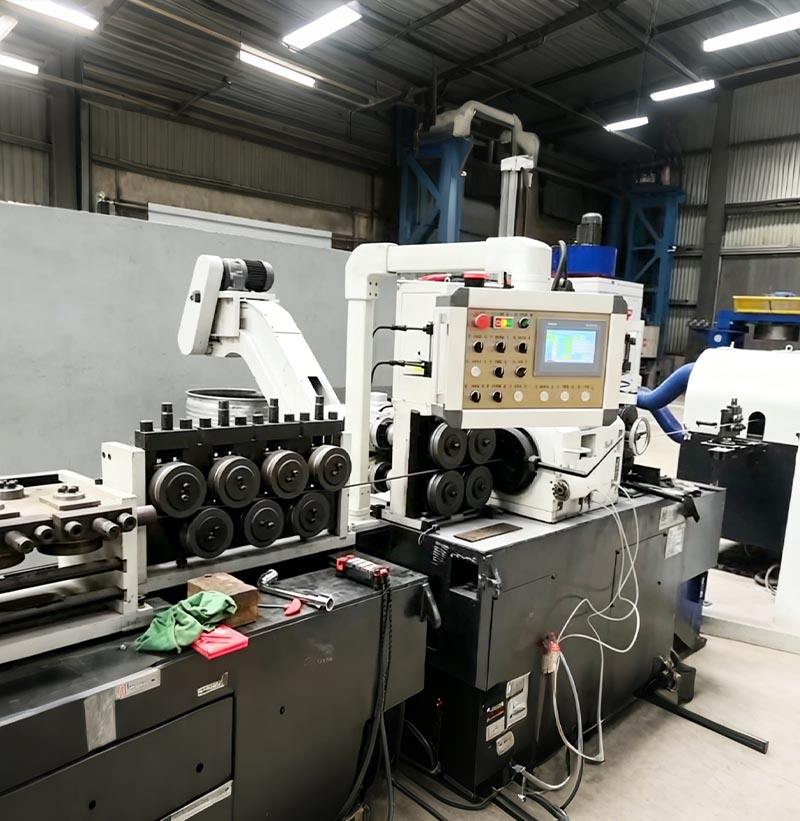
Linha de alinhamento de descascamento da bobina à barra
O fio-máquina de aço inoxidável é desenrolado e pré-endireitado, depois desbastado em um torno sem centros e cortado em um comprimento preciso. Após uma passagem final de endireitamento de precisão em uma endireitadeira de dois rolos, o produto resultante é uma barra reta de aço inoxidável de alta precisão.
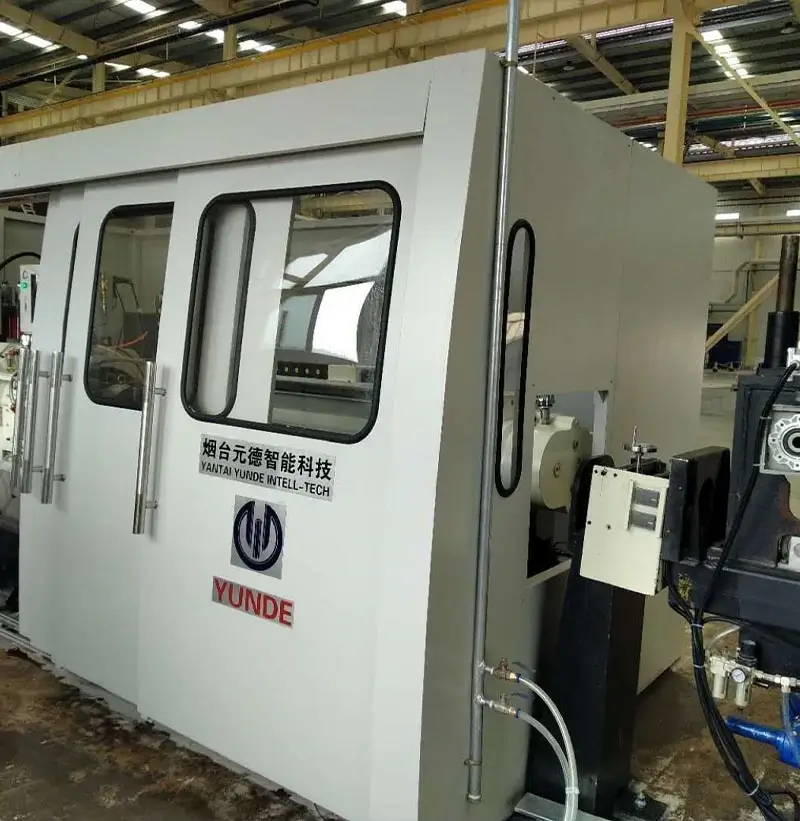
Máquina de descascar (torno sem centros)
A unidade de descascamento (torno sem centros) é um produto desenvolvido de forma independente após a comparação e o contraste das vantagens de produtos estrangeiros similares, combinando-as com as características de produção das empresas nacionais, resultando em um projeto simplificado e otimizado.
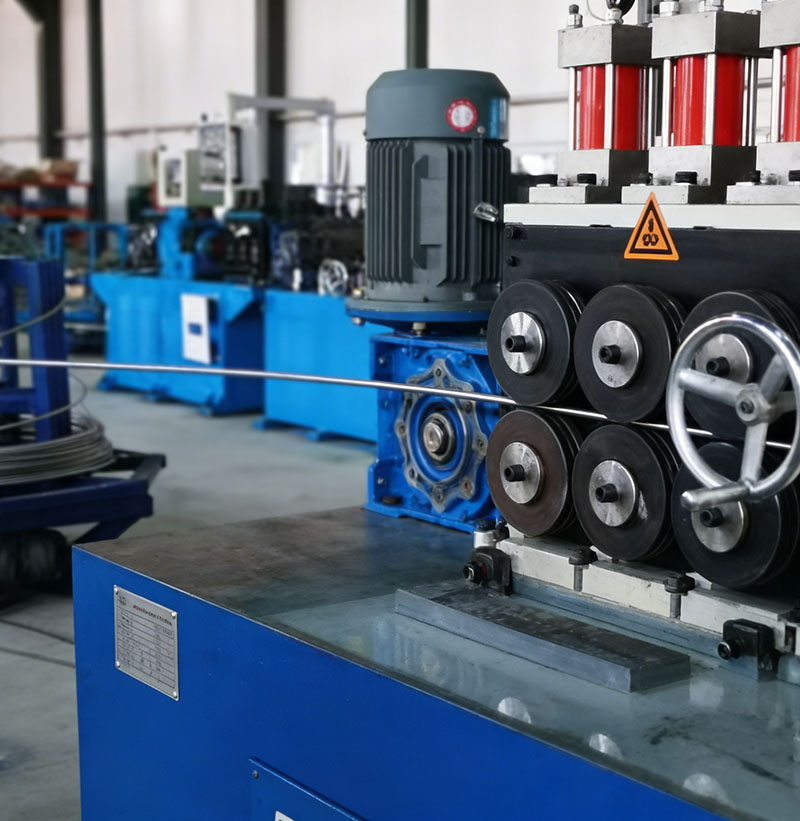
Linha de produção bobina a bobina
A linha de produção bobina a bobina é composta por uma série de máquinas, incluindo desenrolador e endireitador, descascador, mecanismo de fixação, dispositivo de pré-dobra, rebobinador, etc. Através dessas máquinas, a bobina preta é processada em bobina brilhante com boa qualidade de superfície.
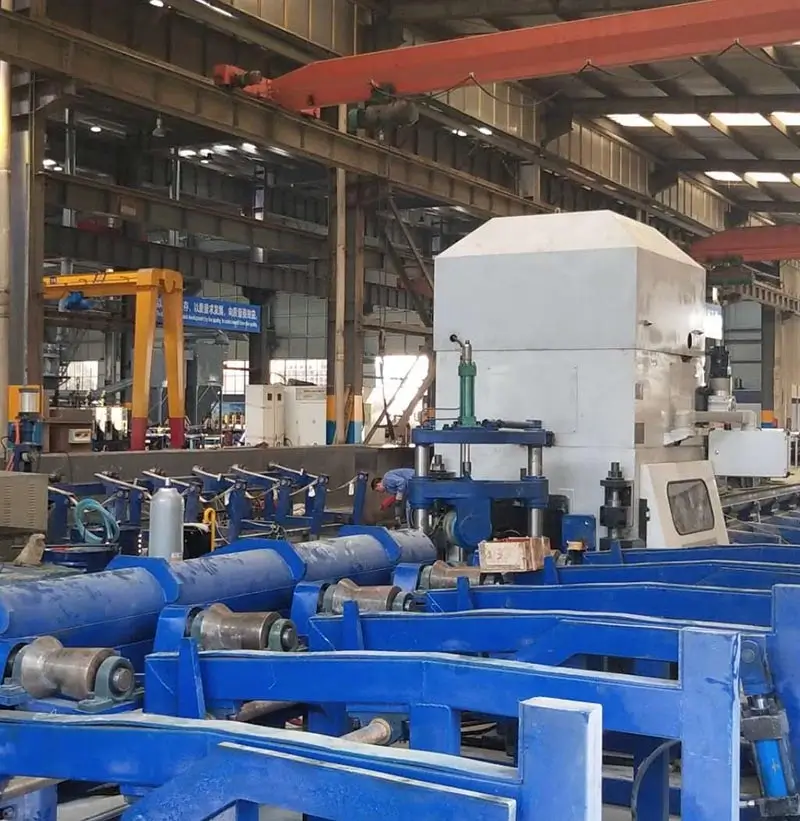
Máquina de endireitar série BS
Uma máquina de endireitar é um dispositivo usado para endireitar perfis metálicos, barras, tubos e fios. A máquina de endireitar utiliza rolos de endireitamento para comprimir o material, alterando sua retidão. Geralmente, existem duas fileiras de rolos de endireitamento, com números variáveis de rolos. Existem também máquinas de endireitar com dois rolos, que dependem da mudança de ângulo de dois rolos (com formato côncavo hiperbólico) para endireitar materiais de diferentes diâmetros.
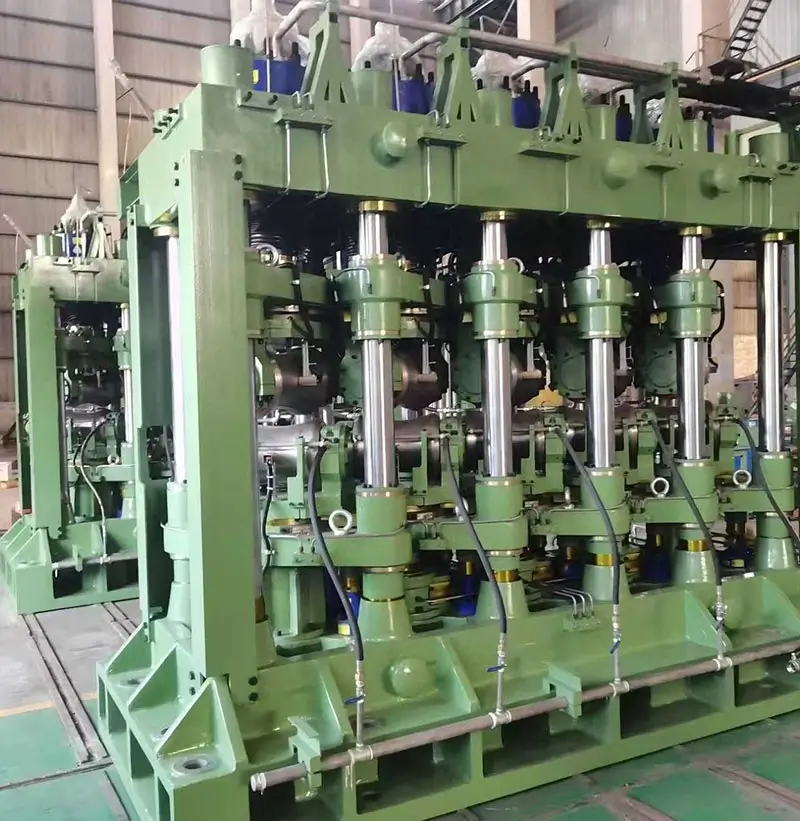
Máquina de endireitamento de tubos de aço com múltiplos rolos
É um dispositivo mecânico usado para corrigir a curvatura e a ovalização de tubos de aço. É utilizado para endireitar tubos feitos de aço e ligas de alta resistência, resistentes à corrosão e ao calor, bem como ligas de ferro-níquel, níquel e titânio, de modo a reduzir a não retilineidade longitudinal e a não circularidade da seção transversal.
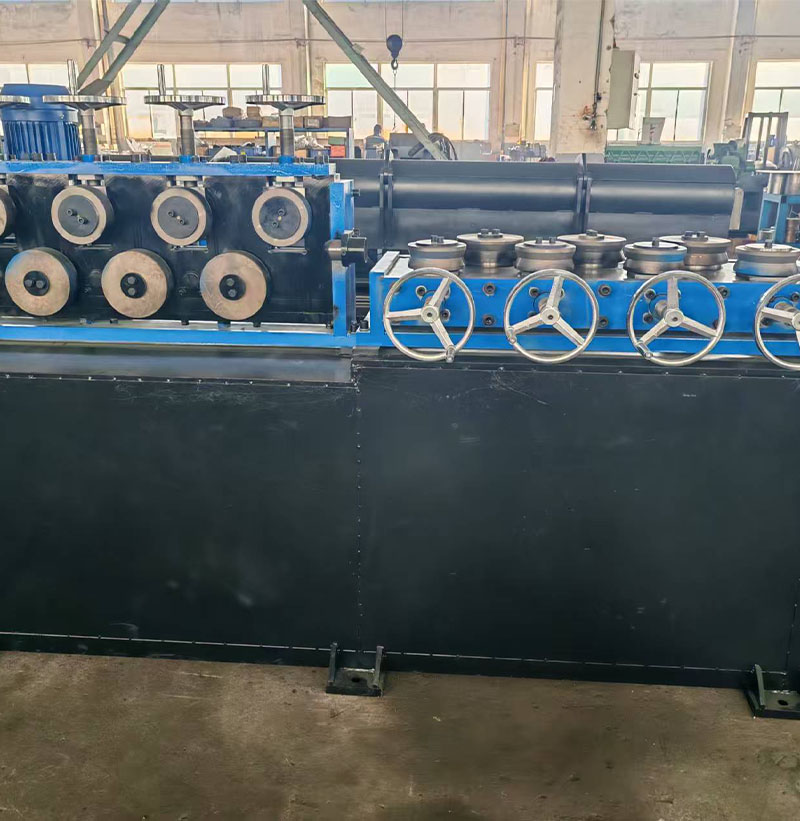
Máquina de endireitamento horizontal e vertical
Solte o volante da máquina de endireitar horizontal e vertical de múltiplos rolos para permitir que a bobina de arame passe pelos rolos de endireitamento. Aperte o volante até a posição determinada empiricamente, ligue o dispositivo de alimentação e realize testes de endireitamento repetidos. Em seguida, alimente a bobina de arame nos rolos de endireitamento vertical, seguindo o mesmo procedimento do endireitamento horizontal. Finalmente, alimente a bobina de arame no dispositivo de alimentação da máquina de descascar.