
SOBRE NOSOTROS
Yantai Yunde Intelligent Technology Co., Ltd. cuenta con tan solo 30 años de experiencia en producción, ha prestado servicios a más de 300 clientes nacionales y extranjeros, y ha fabricado más de 2.000 máquinas.
SOLICITE UN PRESUPUESTO GRATUITO
-
Hogar

-
Blog
-
Blogs del sector
- ¿Qué factores determinan el costo de mantenimiento de la máquina peladora de barras de acero?

¿Qué factores determinan el costo de mantenimiento de la máquina peladora de barras de acero?
-
autor
- 2,julio
 autor
autor 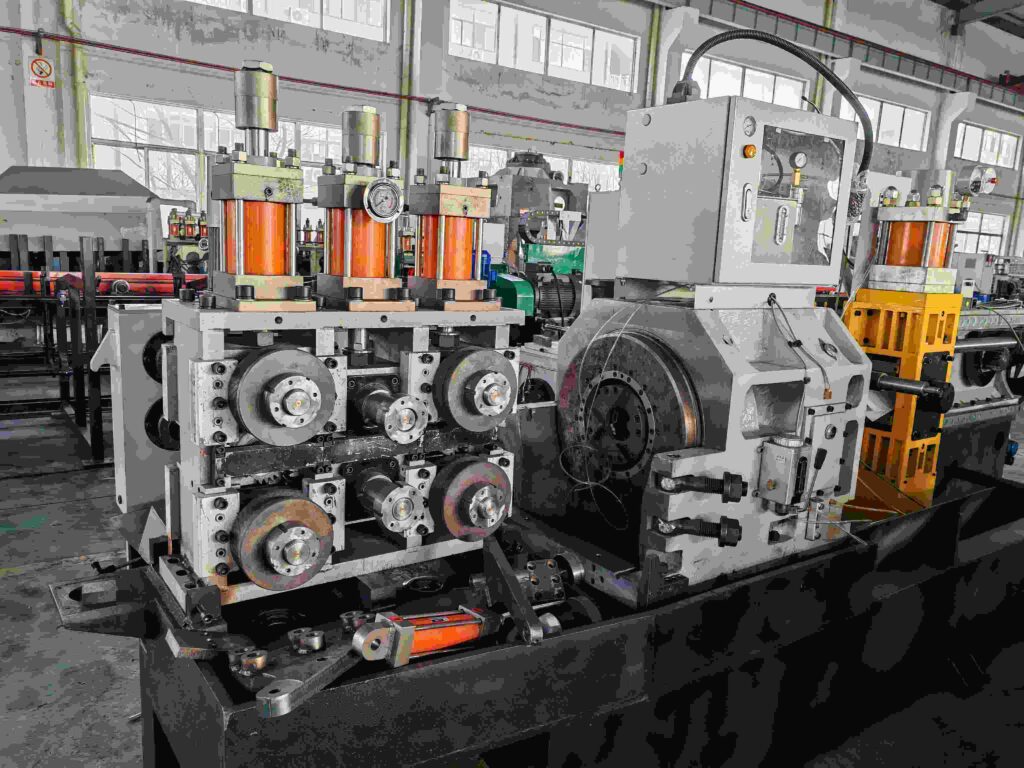
Introducción
El coste anual de mantenimiento de una máquina peladora de barras de acero no es una cifra fija, sino que refleja cómo el sistema interactúa con la dureza del material, la intensidad de la producción y los requisitos de rugosidad superficial. En las líneas modernas de acabado de acero, los operarios rara vez evalúan el coste únicamente en función de las piezas de repuesto o la mano de obra. En cambio, analizan el comportamiento del ciclo de vida completo de una máquina peladora de barras redondas, especialmente al procesar acero aleado de alta resistencia, acero inoxidable y acero al carbono.
En muchos escenarios de producción, un yunde El proceso de torneado y desmoldeo ha sustituido a los sistemas tradicionales de mecanizado y rectificado en bruto, ya que ofrece una precisión dimensional estable y una rugosidad superficial controlada (Ra ≤ 1,6 μm). Sin embargo, esta mejora en la calidad también implica un cambio en el mantenimiento, pasando de reparaciones ocasionales a un servicio preventivo estructurado.
¿Qué factores influyen en el coste anual de mantenimiento de la máquina peladora de acero?
La estructura de costos de una máquina peladora de acero está determinada principalmente por la intensidad de la carga mecánica, la profundidad de corte y la continuidad de la producción. A diferencia de los equipos de mecanizado convencionales, una máquina peladora de barras elimina continuamente la capa superficial externa del acero redondo, que incluye la cascarilla de óxido, las capas descarburadas y las microfisuras.
El proceso de pelado de una barra de acero requiere un contacto de corte constante. Esto implica que el desgaste de la herramienta es inevitable, especialmente al procesar materiales de alta resistencia como el acero para rodamientos o el acero aleado para herramientas. La estabilidad de la presión hidráulica, la durabilidad de los rodamientos del husillo y la alineación del sistema de alimentación influyen directamente en la frecuencia del mantenimiento anual.
En entornos de producción reales, los operarios observan que cuanto mayor es la exigencia de precisión superficial y tolerancia dimensional, más frecuente es la necesidad de recalibración. Por lo tanto, la máquina peladora de barras de acero no es solo un sistema de corte, sino también un sistema de control de precisión que requiere un ajuste continuo.
¿Cómo afectan los parámetros de la máquina peladora de barras redondas al coste?
Los distintos modelos de peladoras de barras influyen significativamente en los costos de mantenimiento debido a las variaciones en potencia, capacidad de diámetro y carga de corte. Los modelos más grandes procesan barras más gruesas y requieren sistemas hidráulicos más potentes, lo que naturalmente aumenta las necesidades de mantenimiento.
A continuación se presenta una comparación técnica basada en las especificaciones de producción de modelos típicos de máquinas peladoras de acero:
| Modelo | Rango de diámetro | Velocidad de alimentación | Profundidad de corte de un solo lado | Potencia del motor principal | Tolerancia de diámetro | Rugosidad superficial |
| PM40 | Φ6–40 mm | 1–18 m/min | 0.25–1.5 mm | 45 kW | ≤ IT8 | Ra ≤ 1,6 μm |
| PM60 | Φ12–65 mm | 1–15 m/min | 0,3–2,5 mm | 55 kW | ≤ IT8 | Ra ≤ 1,6 μm |
| PM80 | Φ15–80 mm | 1–15 m/min | 0,5–2,5 mm | 75 kW | ≤ IT8 | Ra ≤ 1,6 μm |
| PM100 | Φ20–100 mm | 1–12 m/min | 1,0–4,0 mm | 90 kW | ≤ IT8 | Ra ≤ 1,6 μm |
| PM130 | Φ35–130 mm | 1–8 m/min | 1,0–5,0 mm | 110 kW | ≤ IT8 | Ra ≤ 1,6 μm |
| PM160 | Φ40–160 mm | 1–6 m/min | 1,0–5,0 mm | 132 kW | ≤ IT8 | Ra ≤ 1,6 μm |
| PM200 | Φ80–200 mm | 1–5 m/min | 1,0–5,0 mm | 160 kW | ≤ IT8 | Ra ≤ 1,6 μm |
| PM250 | Φ85–250 mm | 1–4 m/min | 1,0–5,0 mm | 200 kW | ≤ IT8 | Ra ≤ 1,6 μm |
| PM350 | Φ150–350 mm | 0,2–2 m/min | 1.0–10.0 mm | 200 kW | ≤ IT8 | Ra ≤ 1,6 μm |
Estos parámetros influyen directamente en el coste anual de mantenimiento de una máquina peladora de barras redondas, especialmente en lo que respecta al desgaste del husillo y la fatiga del sistema hidráulico.

¿Qué revelan los datos reales de producción sobre los ciclos de mantenimiento?
En casos industriales prácticos, el perfil de mantenimiento de un Máquina peladora de barras de acero Está estrechamente relacionado con el volumen de producción y el tipo de material.
Una planta siderúrgica china que opera un sistema de enderezado BS100 informó de una integración estable con las operaciones de pelado, donde el mantenimiento se centró principalmente en la sincronización entre las unidades de pelado y enderezado. En otro caso, una máquina peladora de barras PM40S instalada en una gran planta de acero brillante de la India demostró una alta estabilidad tras su puesta en marcha de prueba, con un mantenimiento concentrado en los ciclos de sustitución de las herramientas de corte en lugar de en la reparación estructural.
Una línea de producción de Shaanxi que utiliza un proceso de bobina a barra. La máquina giró y peló El sistema demostró que la alimentación automatizada redujo significativamente la intervención manual, pero requirió una monitorización más estricta de la consistencia de la presión hidráulica.
Estos casos confirman que el coste del mantenimiento no solo depende de la calidad del equipo, sino también de la integración del sistema y la disciplina operativa.
Cómo reducir el coste de mantenimiento de la máquina peladora de barras
La reducción de costos en el entorno de una máquina peladora de acero depende de la estabilización de la preparación del material y del control de las tensiones operativas. Un enderezamiento previo adecuado reduce la distribución desigual de la carga durante el pelado. Seleccionar el modelo correcto de máquina peladora de barras redondas para el rango de diámetro también previene la sobrecarga.
El mantenimiento preventivo es más eficaz que el correctivo, especialmente en sistemas de husillo y sistemas de sujeción hidráulica. Cuando la barra de acero pelada requiere una alta uniformidad superficial, los programas de reemplazo de herramientas deben ajustarse a las horas de producción en lugar de basarse en el desgaste visible.
Las líneas de producción integradas que combinan el pelado y el enderezado reducen la manipulación repetida, lo que indirectamente disminuye el estrés mecánico y la frecuencia de mantenimiento.

Conclusión
El coste anual de mantenimiento de una máquina peladora de barras de acero depende en última instancia de la eficiencia con la que el sistema gestiona la eliminación continua de material y la variabilidad del mismo. Una máquina peladora de barras YUNDE bien optimizada no solo reduce costes gracias a su durabilidad, sino también a un control de proceso estable, un rendimiento constante en el torneado y pelado, y patrones de desgaste predecibles.
Cuando se configura correctamente, una máquina peladora de barras redondas puede funcionar con alta eficiencia manteniendo una rugosidad superficial estable y una precisión dimensional, lo que la convierte en un activo fundamental en la producción moderna de acero brillante.
Preguntas frecuentes
¿Con qué frecuencia se debe realizar el mantenimiento de una máquina peladora de barras?
Una máquina peladora de barras debe someterse a controles diarios de lubricación, calibración mensual de alineación e inspección trimestral completa del sistema para mantener una calidad estable en las barras de acero peladas.
¿Qué afecta más a la máquina peladora de barras redondas??
La capacidad de diámetro, la profundidad de corte, la potencia del husillo y la velocidad de producción son los principales factores que influyen en el costo de mantenimiento de una máquina peladora de barras redondas. Se debe verificar la rectitud, la dureza y la redondez de la barra negra, y luego ajustar la velocidad y la profundidad de corte adecuadas. Se deben realizar los chaflanes y refrentados necesarios para evitar atascos de material o impactos en la herramienta de corte.
¿Puede la máquina peladora de acero reducir los costes operativos a largo plazo?
Sí, cuando se adapta correctamente al tamaño del material y se integra con sistemas de enderezamiento, una máquina peladora de acero puede reducir significativamente el retrabajo, el tiempo de inactividad y la frecuencia de mantenimiento.
Publicación reciente

Productos relacionados
Productos más vendidos
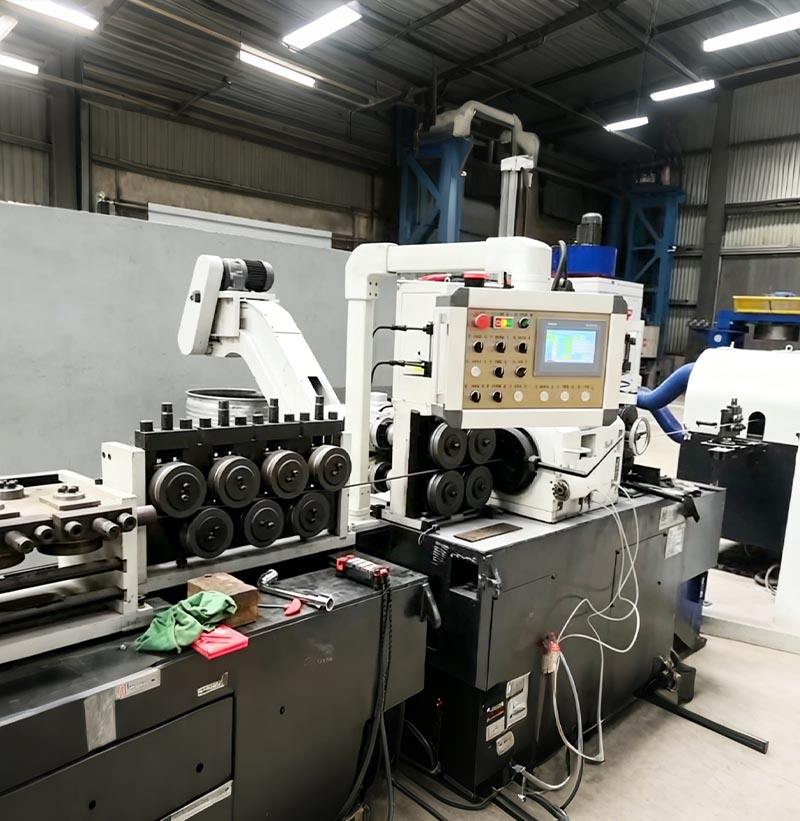
Línea de enderezamiento de bobina a barra
La varilla de alambre de acero inoxidable se desenrolla y se endereza previamente, luego se pela con un torno sin centros y se corta a la longitud precisa. Tras un último enderezamiento de precisión mediante una enderezadora de dos rodillos, el producto resultante es una barra recta de acero inoxidable de alta precisión.
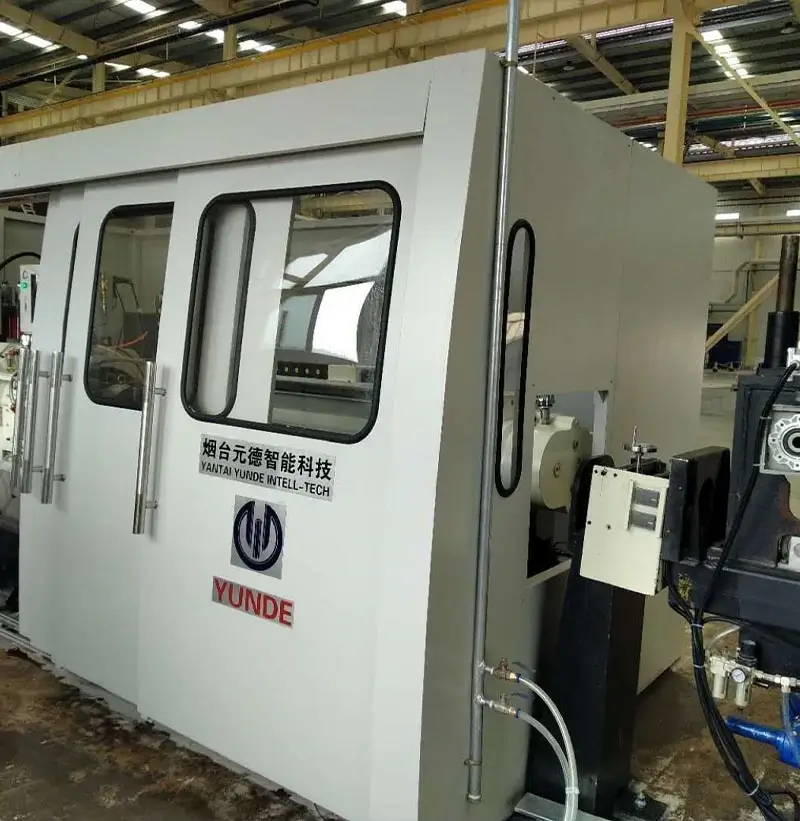
Máquina peladora (torno sin centros)
La unidad de pelado (torno sin centros) es un producto desarrollado de forma independiente tras comparar las ventajas de productos extranjeros similares y combinarlas con las características de producción de las empresas nacionales, lo que dio como resultado un diseño simplificado y optimizado.
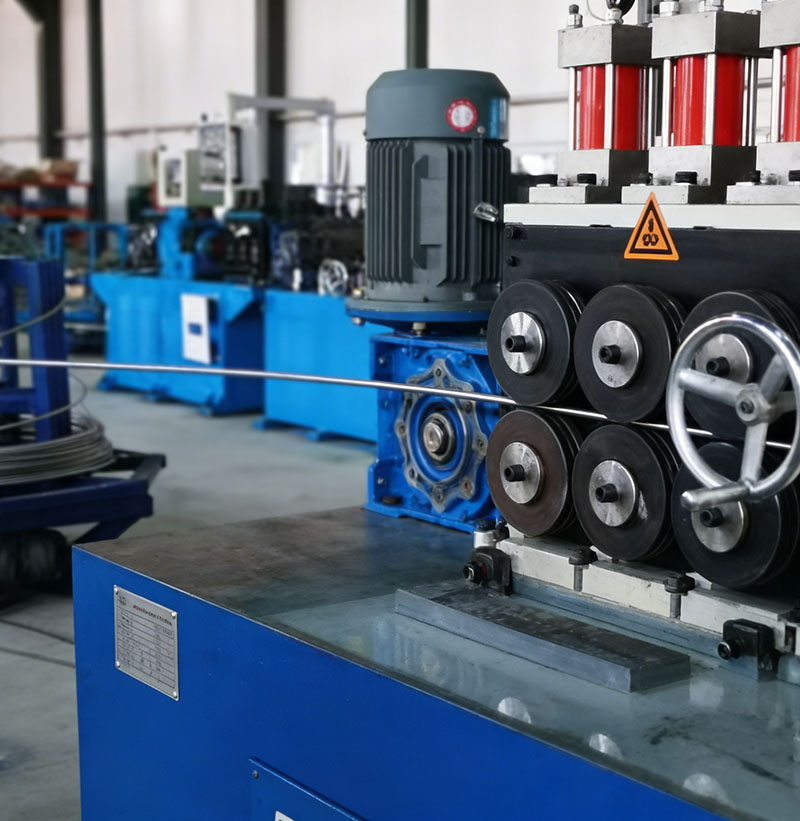
Línea de producción de bobina a bobina
La línea de producción de bobina a bobina es una serie de máquinas que incluyen una máquina desenrolladora y enderezadora, una máquina peladora, un mecanismo de sujeción, un dispositivo de precurvado, una máquina rebobinadora, etc. Mediante estas máquinas, la varilla de bobina negra se procesará para obtener una varilla de bobina brillante con una buena calidad superficial.
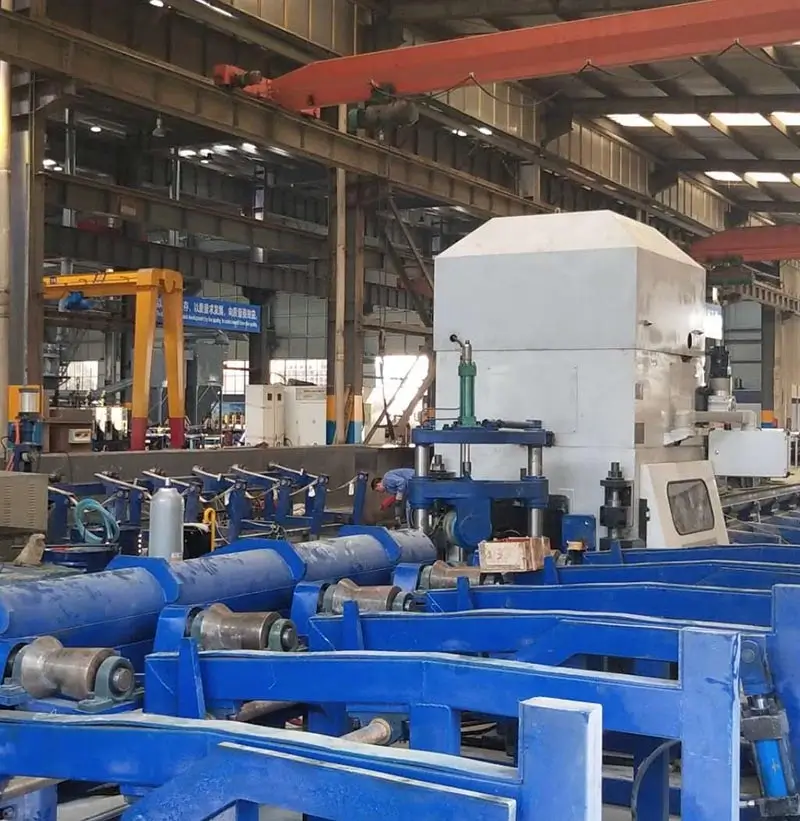
Máquina enderezadora serie BS
Una enderezadora es un dispositivo que se utiliza para enderezar perfiles, barras, tubos y alambres metálicos. La enderezadora utiliza rodillos enderezadores para comprimir el material y modificar su rectitud. Generalmente, cuenta con dos filas de rodillos enderezadores, con un número variable de ellos. También existen enderezadoras de dos rodillos, que se basan en el cambio de ángulo de dos rodillos (de forma cóncava e hiperbólica) para enderezar materiales de diferentes diámetros.
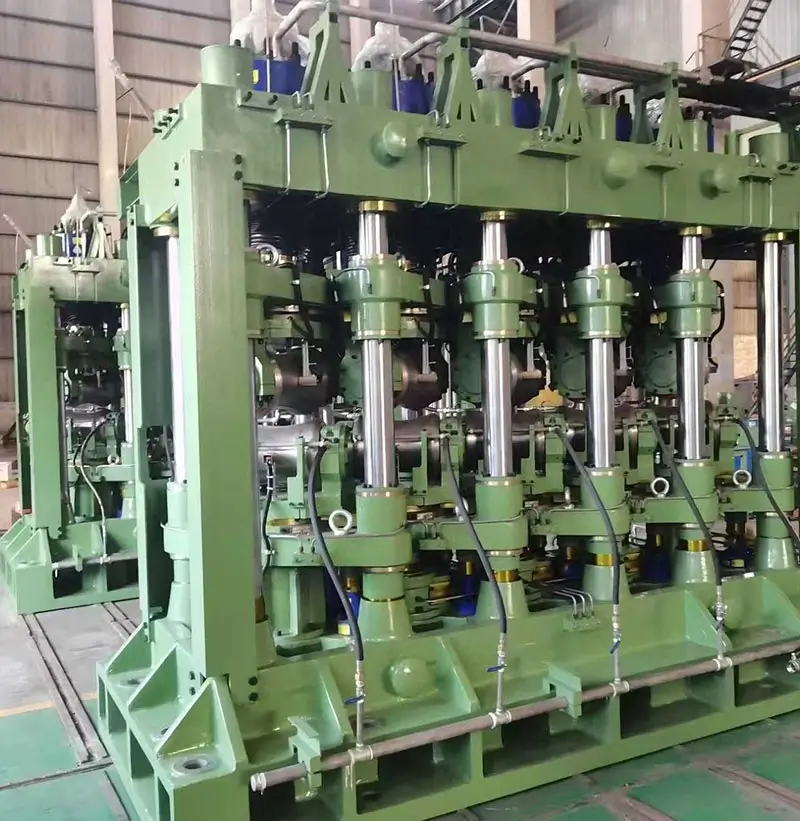
Máquina enderezadora de tubos de acero de rodillos múltiples
Es un dispositivo mecánico que se utiliza para corregir la curvatura y la ovalidad de las tuberías de acero. Se emplea para enderezar tuberías fabricadas con acero de alta aleación, resistente a la corrosión y al calor, así como con aleaciones de hierro-níquel, níquel y titanio, con el fin de reducir la falta de rectitud longitudinal y la falta de redondez transversal.
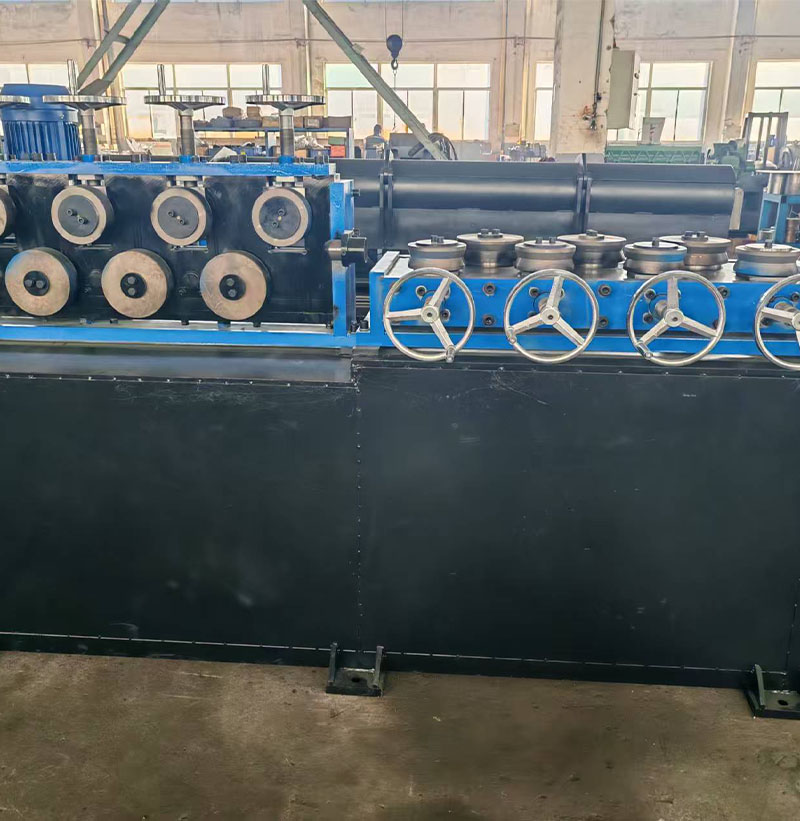
Máquina enderezadora horizontal y vertical
Suelte el volante de la enderezadora horizontal y vertical multirrodillo para que la bobina de alambre pase a través de los rodillos enderezadores. Apriete el volante hasta la posición determinada empíricamente, active el alimentador y realice varias pruebas de enderezamiento. A continuación, introduzca la bobina de alambre en los rodillos enderezadores verticales, siguiendo el mismo procedimiento que para el enderezamiento horizontal. Finalmente, introduzca la bobina de alambre en el alimentador de la desmoldadora.