
À PROPOS DE NOUS
La société Yantai Yunde Intelligent Technology Co., Ltd., forte de seulement 30 ans d'expérience en production, a servi plus de 300 clients nationaux et étrangers et a produit plus de 2 000 machines.
DEMANDEZ UN DEVIS GRATUIT
-
Maison

-
Blog
-
Blogs de l'industrie
- Qu'est-ce qui détermine le coût d'entretien d'une machine à éplucher les barres d'acier ?

Qu'est-ce qui détermine le coût d'entretien d'une machine à éplucher les barres d'acier ?
-
auteur
- 2,juillet
 auteur
Introduction
Le coût annuel de maintenance d'une dérouleuse de barres d'acier n'est pas fixe ; il dépend de l'interaction du système avec la dureté du matériau, le rythme de production et les exigences de rugosité de surface. Sur les lignes de finition d'acier modernes, les opérateurs évaluent rarement les coûts uniquement en fonction des pièces détachées ou de la main-d'œuvre. Ils analysent plutôt le comportement sur l'ensemble du cycle de vie d'une dérouleuse de barres rondes, notamment lors du traitement d'aciers alliés à haute résistance, d'acier inoxydable et d'acier au carbone.
Dans de nombreux scénarios de production, un YUNDE Le procédé d'usinage par tournage et écaillage a remplacé les systèmes traditionnels d'ébauche et de rectification, car il garantit une précision dimensionnelle stable et une rugosité de surface maîtrisée (Ra ≤ 1,6 μm). Cependant, cette amélioration de la qualité implique également un passage d'une maintenance ponctuelle à un entretien préventif structuré.
Quels sont les facteurs qui déterminent le coût annuel de maintenance de la machine à peler l'acier ?
Le coût d'une machine à décaper l'acier dépend principalement de l'intensité de la charge mécanique, de la profondeur de coupe et de la continuité de la production. Contrairement aux machines-outils classiques, une machine à décaper les barres élimine en continu la couche superficielle de l'acier rond, composée notamment de calamine, de couches décarburées et de microfissures.
Le déroulage d'une barre d'acier nécessite un engagement constant de la coupe. L'usure de l'outil est donc inévitable, notamment lors de l'usinage de matériaux à haute résistance comme l'acier à roulements ou l'acier à outils allié. La stabilité de la pression hydraulique, la durabilité des roulements de broche et l'alignement du système d'alimentation influent directement sur la fréquence annuelle de maintenance.
En production, les opérateurs constatent que plus les exigences en matière de précision de surface et de tolérance dimensionnelle sont élevées, plus les réétalonnages sont fréquents. La machine à dérouler les barres d'acier n'est donc pas seulement un système de coupe, mais aussi un système de contrôle de précision qui nécessite un réglage continu.
Comment les paramètres d'une machine à éplucher les barres rondes influencent-ils le coût ?
Les différents modèles de machines à éplucher les barres ont une incidence importante sur les coûts de maintenance, en raison des variations de puissance, de diamètre admissible et de force de coupe. Les modèles plus grands traitent des barres plus épaisses et nécessitent des systèmes hydrauliques plus puissants, ce qui augmente naturellement les besoins en entretien.
Vous trouverez ci-dessous une comparaison technique basée sur les spécifications de production des modèles typiques de machines à peler l'acier :
| Modèle | Plage de diamètres | Vitesse d'alimentation | Profondeur de coupe unilatérale | Puissance du moteur principal | Tolérance de diamètre | Rugosité de surface |
| PM40 | Φ6–40 mm | 1–18 m/min | 0.25–1.5 mm | 45 kW | ≤ IT8 | Ra ≤ 1,6 μm |
| PM60 | Φ12–65 mm | 1–15 m/min | 0,3–2,5 mm | 55 kW | ≤ IT8 | Ra ≤ 1,6 μm |
| PM80 | Φ15–80 mm | 1–15 m/min | 0,5–2,5 mm | 75 kW | ≤ IT8 | Ra ≤ 1,6 μm |
| PM100 | Φ20–100 mm | 1–12 m/min | 1,0–4,0 mm | 90 kW | ≤ IT8 | Ra ≤ 1,6 μm |
| PM130 | Φ35–130 mm | 1–8 m/min | 1,0–5,0 mm | 110 kW | ≤ IT8 | Ra ≤ 1,6 μm |
| PM160 | Φ40–160 mm | 1–6 m/min | 1,0–5,0 mm | 132 kW | ≤ IT8 | Ra ≤ 1,6 μm |
| PM200 | Φ80–200 mm | 1–5 m/min | 1,0–5,0 mm | 160 kW | ≤ IT8 | Ra ≤ 1,6 μm |
| PM250 | Φ85–250 mm | 1–4 m/min | 1,0–5,0 mm | 200 kW | ≤ IT8 | Ra ≤ 1,6 μm |
| PM350 | Φ150–350 mm | 0,2–2 m/min | 1.0–10.0 mm | 200 kW | ≤ IT8 | Ra ≤ 1,6 μm |
Ces paramètres influencent directement le coût annuel d'entretien d'une machine à éplucher les barres rondes, notamment l'usure de la broche et la fatigue du système hydraulique.

Que révèlent les données de production réelles sur les cycles de maintenance ?
Dans les cas industriels concrets, le profil de maintenance d'un machine à peler les barres d'acier est fortement lié au volume de production et au type de matériau.
Une aciérie chinoise exploitant un système de redressage BS100 a fait état d'une intégration stable avec les opérations de pelage, la maintenance étant principalement axée sur la synchronisation entre les unités de pelage et de redressage. Dans un autre cas, une peleuse de barres PM40S installée dans une grande aciérie indienne a démontré une grande stabilité après une période d'essai, la maintenance se concentrant sur le remplacement des outils de coupe plutôt que sur des réparations structurelles.
Ligne de production du Shaanxi utilisant une machine de transformation de bobines en barres machine tournée et pelée Le système a démontré que l'alimentation automatisée réduisait considérablement l'intervention manuelle, mais nécessitait une surveillance plus stricte de la constance de la pression hydraulique.
Ces cas confirment que les coûts de maintenance ne dépendent pas uniquement de la qualité des équipements, mais aussi de l'intégration du système et de la rigueur de l'exploitation.
Comment réduire les coûts de maintenance de la machine à peler les barres
La réduction des coûts dans un environnement de pelage d'acier repose sur la stabilisation de la préparation des matériaux et la maîtrise des contraintes opérationnelles. Un pré-redressage adéquat réduit la répartition inégale de la charge pendant le pelage. Le choix du modèle de pelisseur adapté au diamètre des barres rondes permet également d'éviter les surcharges.
La maintenance préventive est plus efficace que la maintenance corrective, notamment pour les systèmes de broches et les systèmes de serrage hydrauliques. Lorsque la qualité des barres d'acier effilées exige une grande régularité de surface, le remplacement des outils doit être programmé en fonction des heures de production plutôt que de l'usure visible.
Les lignes de production intégrées combinant pelage et redressage réduisent les manipulations répétées, ce qui diminue indirectement les contraintes mécaniques et la fréquence de maintenance.

Conclusion
Le coût annuel de maintenance d'une machine à décaper les barres d'acier dépend essentiellement de l'efficacité avec laquelle le système gère l'enlèvement continu de matière et la variabilité du matériau. Une machine à décaper les barres YUNDE optimisée permet non seulement de réduire les coûts grâce à sa durabilité, mais aussi grâce à un contrôle stable du processus, des performances constantes de tournage et de décapage, et une usure prévisible.
Correctement configurée, une machine à peler les barres rondes peut fonctionner avec une grande efficacité tout en maintenant une rugosité de surface stable et une précision dimensionnelle, ce qui en fait un atout essentiel dans la production moderne d'acier brillant.
FAQ
À quelle fréquence faut-il entretenir une machine à peler les barres ?
Une machine à dérouler les barres doit faire l'objet de contrôles de lubrification quotidiens, d'un étalonnage d'alignement mensuel et d'une inspection complète du système trimestrielle afin de maintenir une qualité stable des barres d'acier déroulées.
Qu'est-ce qui affecte le plus la machine à peler les barres rondes ??
La capacité de diamètre, la profondeur de coupe, la puissance de la broche et la vitesse de production sont les principaux facteurs influençant le coût de maintenance d'une machine à éplucher les barres rondes. Il convient de vérifier la rectitude, la dureté et la circularité de la barre noire, puis de régler la vitesse et la profondeur de coupe appropriées. Un chanfreinage et un dressage appropriés sont nécessaires pour éviter le bourrage du matériau ou l'impact de l'outil de coupe.
La machine à peler l'acier peut-elle réduire les coûts d'exploitation à long terme ?
Oui, correctement adaptée à la taille du matériau et intégrée aux systèmes de redressage, une machine à peler l'acier peut réduire considérablement les retouches, les temps d'arrêt et la fréquence de maintenance.
Article récent

Produits associés
Produits les plus vendus
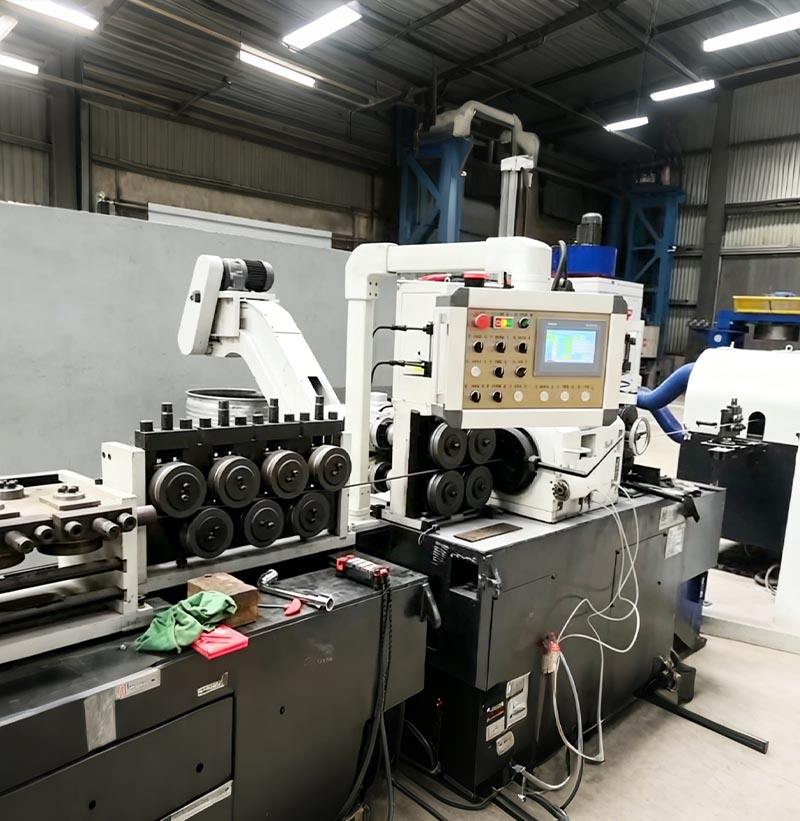
Ligne de lissage Coil To Bar
Le fil machine en acier inoxydable est déroulé et pré-redressé, puis élagué à l'aide d'un tour sans centre et coupé à une longueur précise. Après un dernier passage de redressage de précision dans une redresseuse à deux rouleaux, on obtient une barre droite en acier inoxydable de haute précision.
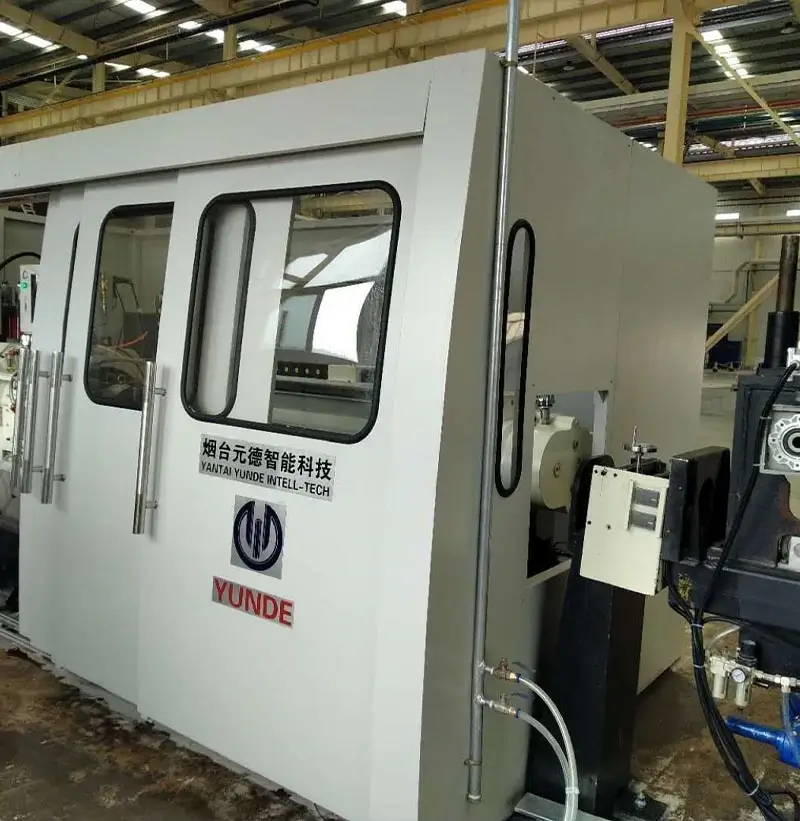
Machine à peler (tour sans centre)
L'unité de machine à peler (tour sans centre) est un produit développé indépendamment après avoir comparé et contrasté les avantages de produits étrangers similaires et les avoir combinés avec les caractéristiques de production des entreprises nationales, ce qui a abouti à une conception simplifiée et optimisée.
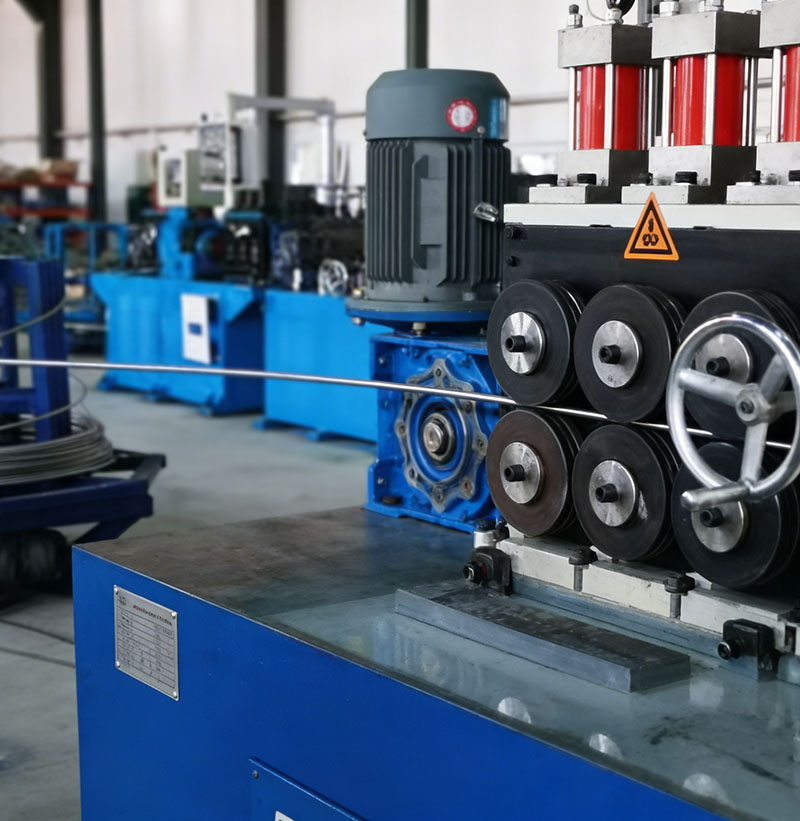
Ligne de production bobine à bobine
La ligne de production de bobine à bobine est composée d'une série de machines comprenant une dérouleuse et redresseuse, une éplucheuse, un mécanisme de serrage, un dispositif de pré-cintrage, une enrouleuse, etc. Grâce à ces machines, la barre de bobine noire est transformée en barre de bobine brillante de haute qualité.
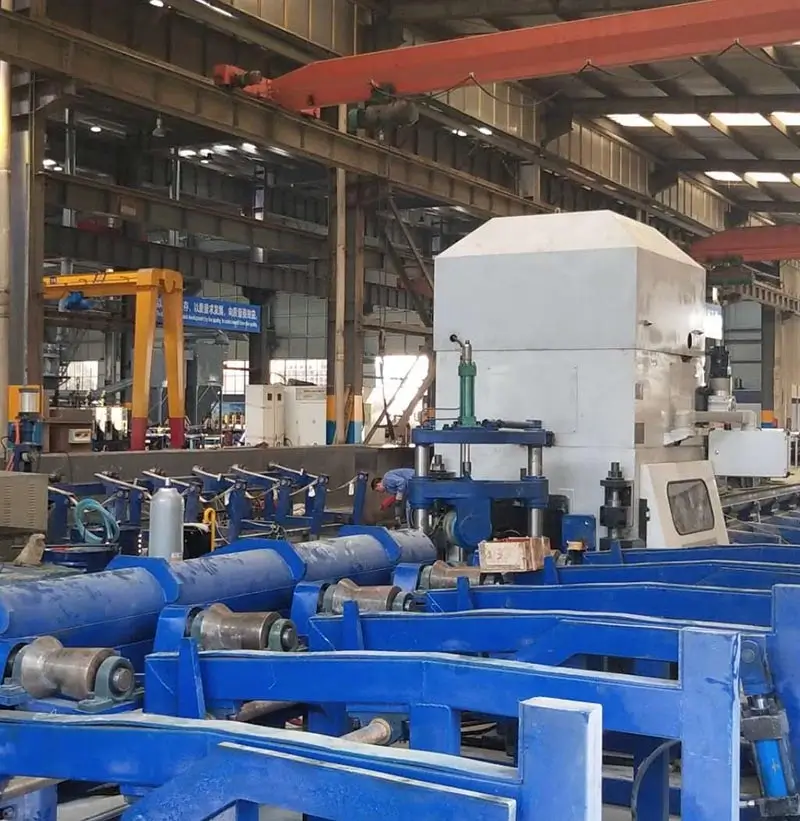
Machine à lisser série BS
Une redresseuse est un appareil servant à redresser les profilés, barres, tubes et fils métalliques. Elle utilise des rouleaux redresseurs pour comprimer le matériau et ainsi le redresser. Généralement, elle comporte deux rangées de rouleaux, dont le nombre peut varier. Il existe également des redresseuses à deux rouleaux, qui exploitent la variation d'angle de deux rouleaux (de forme concave ou hyperbolique) pour redresser des matériaux de diamètres différents.
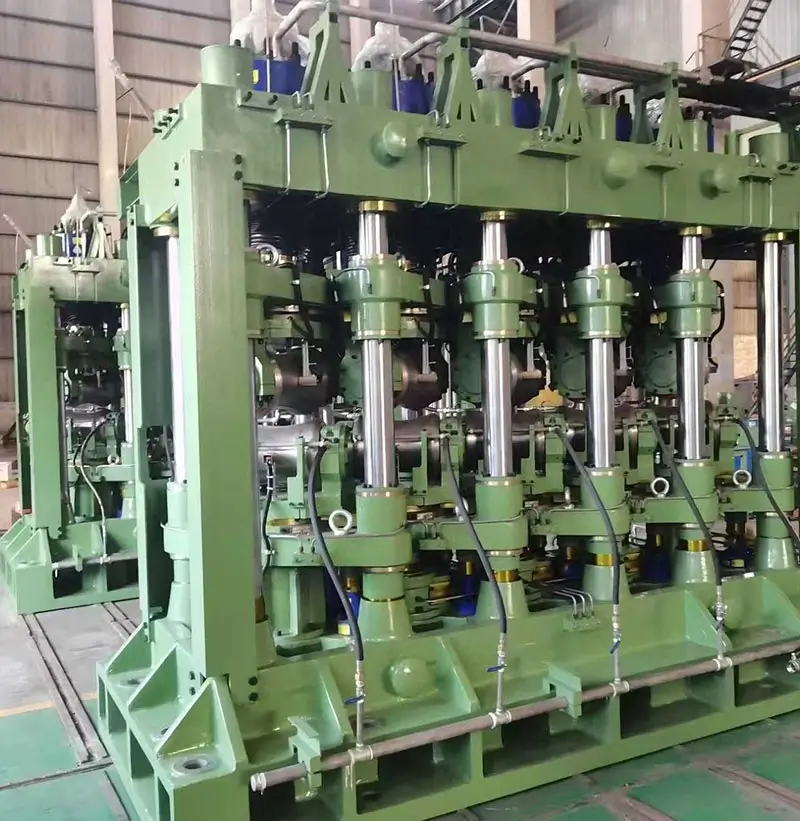
Machine à redresser les tubes en acier à rouleaux multiples
Il s'agit d'un dispositif mécanique servant à redresser la courbure et l'ovalisation des tubes en acier. Il est utilisé pour redresser les tubes en acier fortement allié, résistant à la corrosion, réfractaire, en acier et alliages réfractaires, en fer-nickel, en nickel et en alliages de titane, afin de réduire les défauts de rectitude longitudinale et de circularité transversale.
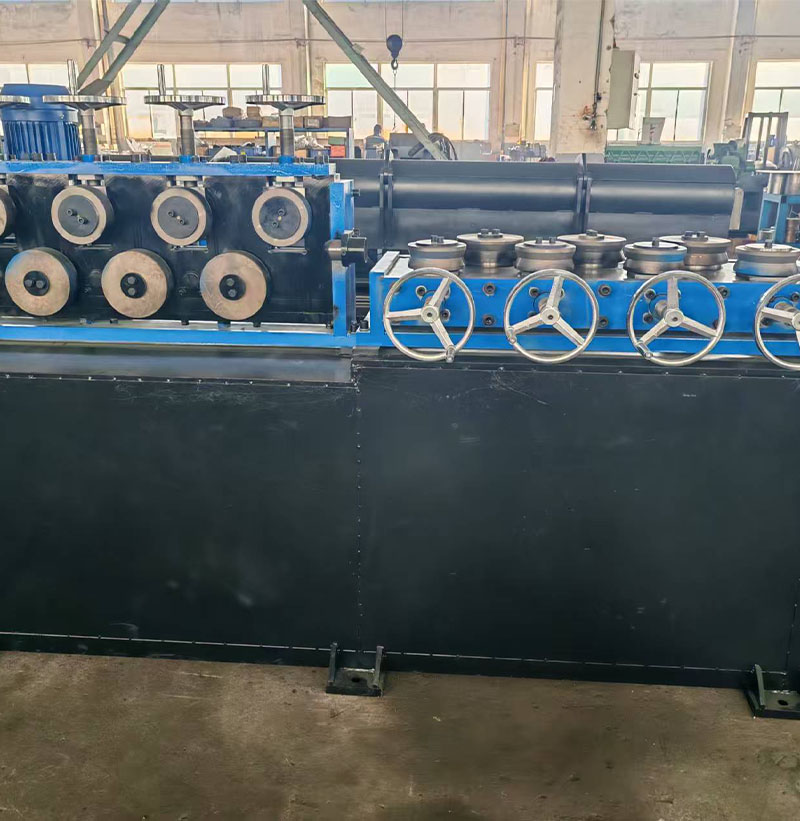
machine à redresser horizontale et verticale
Relâchez le volant de la redresseuse horizontale et verticale à plusieurs rouleaux pour permettre à la bobine de fil de passer entre les rouleaux de redressage. Serrez le volant jusqu'à la position déterminée empiriquement, mettez en marche le dispositif d'alimentation et effectuez plusieurs essais de redressage. Alimentez ensuite la bobine de fil avec les rouleaux de redressage verticaux, en suivant la même procédure que pour le redressage horizontal. Enfin, alimentez la machine à dénuder avec la bobine de fil.