
SOBRE NÓS
A Yantai Yunde Intelligent Technology Co., Ltd. possui apenas 30 anos de experiência em produção, atendeu mais de 300 clientes nacionais e estrangeiros e produziu mais de 2.000 máquinas.
SOLICITE UM ORÇAMENTO GRÁTIS
-
Lar

-
Blog
-
Blogs do setor
- Como o descascamento de barras de precisão suporta a tolerância de diâmetro h8 e h9?

Como o descascamento de barras de precisão suporta a tolerância de diâmetro h8 e h9?
-
autor
- 16,Julho
 autor
autor 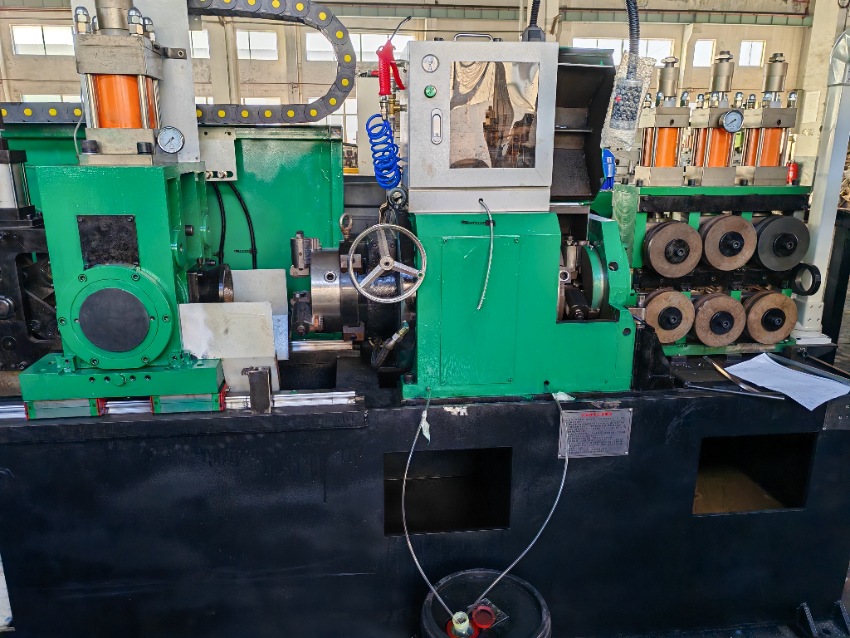
Introdução
Tolerâncias rigorosas de diâmetro em barras brilhantes não são mais apenas uma exigência especial. Clientes que fabricam peças automotivas, peças hidráulicas, rolamentos, fixadores e eixos de precisão desejam um controle preciso do diâmetro. Eles também buscam qualidade de superfície controlada. Além disso, precisam de menos desperdício de material nas etapas posteriores. Por isso, o corte de barras de precisão se apresenta como um método altamente eficaz para atender às metas de tolerância de diâmetro h8 e h9.
No YUNDEConsideramos uma máquina de descascamento de aço um sistema de corte robusto. Definitivamente, não se trata de uma simples ferramenta de lixamento superficial. Uma máquina de descascamento de barras remove a camada de óxido e as fissuras. Ela também elimina camadas descarbonetadas e outras imperfeições superficiais. Isso é feito através do corte de uma camada externa específica. Consequentemente, o resultado é uma barra de aço descascada com excelente consistência de diâmetro e rugosidade superficial bem controlada. Isso é particularmente verdadeiro quando os operadores combinam a etapa de corte com o endireitamento e uma inspeção final minuciosa.
Por que são h8 e h9 Tolerâncias difíceis de manter?
O diâmetro final deve ser compatível com as aplicações subsequentes de usinagem, montagem ou descascamento. Também deve ser adequado para uso em montagem ou descascamento. O desafio não reside apenas na dimensão final. Em vez disso, começa com a qualidade inicial da barra bruta. O aço redondo laminado a quente frequentemente apresenta carepa e trincas na superfície. Também pode apresentar ovalização, empenamento e dureza irregular. Se os operadores não corrigirem esses defeitos adequadamente, mesmo uma linha de usinagem subsequente de alta capacidade poderá sofrer com retrabalho dispendioso.
Uma máquina de descascamento de barras de aço resolve esse problema. Ela remove a camada externa defeituosa antes que o metal entre na etapa de acabamento de precisão. Para os compradores, o detalhe crucial é que o descascamento de barras é completamente diferente do polimento. O polimento pode deixar o metal com aparência brilhante. No entanto, o descascamento de precisão de barras corta fisicamente a camada externa. Essa ação cria uma base muito mais sólida para o controle dimensional relacionado às normas h8 e h9.
Que parâmetros os compradores devem comparar?
Os compradores devem analisar os seguintes parâmetros da série PM antes de escolherem um modelo. descascamento de barra A tabela exibe os dados oficiais do modelo da máquina. Essas informações abrangem a faixa de diâmetro e a velocidade de avanço. Também lista a profundidade de corte, a tolerância e a rugosidade da superfície. Por fim, mostra a potência do motor e as opções de automação disponíveis.
| Modelo | Faixa de diâmetro | Comprimento | Velocidade | Profundidade de corte de um lado | Tolerância de diâmetro | Rugosidade da superfície | Motor principal Poder | Observação |
| PM40 | Φ6–40 mm | ≥1.4 m | 1–18 m/min | 0.25–1.5 mm | ≤h8 | Ra≤1,6 μm | 45 kW | CNC totalmente automático / semiautomático |
| PM60 | Φ12–65 mm | ≥2.2 m | 1–15 m/min | 0,3–2,5 mm | ≤h8 | Ra≤1,6 μm | 55 kW | CNC totalmente automático / semiautomático |
| PM80 | Φ15–80 mm | ≥2.2 m | 1–15 m/min | 0,5–2,5 mm | ≤h8 | Ra≤1,6 μm | 75 kW | CNC totalmente automático / semiautomático |
| PM100 | Φ20–100 mm | ≥2.5 m | 1–12 m/min | 1,0–4,0 mm | ≤h8 | Ra≤1,6 μm | 90 kW | CNC totalmente automático / semiautomático |
| PM130 | Φ35–130 mm | ≥2.8 m | 1–8 m/min | 1,0–5,0 mm | ≤h8 | Ra≤1,6 μm | 110 kW | CNC totalmente automático / semiautomático |
| PM160 | Φ40–160 mm | ≥4 m | 1–6 m/min | 1,0–5,0 mm | ≤h8 | Ra≤1,6 μm | 132 kW | CNC totalmente automático / semiautomático |
| PM200 | Φ80–200 mm | ≥4 m | 1–5 m/min | 1,0–5,0 mm | ≤h8 | Ra≤1,6 μm | 160 kW | CNC totalmente automático / semiautomático |
| PM250 | Φ85–250 mm | ≥4 m | 1–4 m/min | 1,0–5,0 mm | ≤h8 | Ra≤1,6 μm | 200 kW | CNC totalmente automático / semiautomático |
| PM350 | Φ150–350 mm | ≥4.5 m | 0,2–2 m/min | 1.0–10.0 mm | ≤h8 | Ra≤1,6 μm | 200 kW | CNC totalmente automático / semiautomático |

Como projetos reais comprovam a confiabilidade dos processos?
Os registros reais de produção são muito importantes. Uma máquina de descascamento de barras redondas precisa funcionar bem sob as condições adversas de uma fábrica. Ela não pode apenas ter uma boa aparência em um folheto de produto. Nossos casos de sucesso incluem uma máquina de descascamento de barras CNC PM40S adquirida por um importante fabricante indiano de aço brilhante, que concluiu com sucesso seu período de testes. Outra linha de produção de descascamento de bobina para bobina/barra para um cliente de Shaanxi também concluiu seu período de testes e já está em operação.
Esses exemplos ilustram uma lição importante. Os compradores precisam avaliar muito mais do que apenas a marca. O descascamento de barras em série depende muito da alimentação estável do material e da profundidade de corte adequada. Também depende do ajuste preciso da ferramenta e de uma boa coordenação de alinhamento. O treinamento adequado do operador é igualmente crucial. Quando os gerentes controlam todos esses fatores, um máquina de descascar aço Apresenta um desempenho excepcional. Pode suportar a produção em larga escala de barras de aço descascadas, desde que a alimentação, a profundidade de corte, o ajuste da ferramenta, o endireitamento e o treinamento do operador sejam gerenciados adequadamente.
O que os compradores devem confirmar antes de fazer o pedido?
Antes de adquirir uma máquina de descascamento de barras de aço, os clientes devem fornecer detalhes sobre suas barras pretas. Essas informações devem incluir o diâmetro inicial e o diâmetro final, bem como a classe do material, a dureza e a retilineidade. Além disso, os compradores devem especificar a profundidade do defeito e a rugosidade superficial desejada. O modelo PM40 abrange uma faixa de processamento de Φ6 a 40 mm. Se o diâmetro da barra preta recebida ou a futura faixa de produtos exceder Φ40 mm, o modelo PM60 pode oferecer maior flexibilidade de capacidade com mais segurança. Para atingir as marcas de diâmetro h8 e h9, o comprador precisa verificar alguns outros aspectos. Deve verificar os métodos de medição e a profundidade de corte, bem como a configuração da ferramenta. Por fim, precisa decidir se o pré-endireitamento e o endireitamento de precisão são necessários.
Um orçamento nunca deve se basear apenas na faixa de diâmetro. Um projeto completo de descascamento de barras de precisão pode exigir vários módulos adicionais. Estes podem incluir unidades de carregamento, alimentação e endireitamento. Também podem ser necessárias seções de corte, chanframento, empilhamento e agrupamento. Uma linha totalmente integrada pode reduzir o manuseio manual e melhorar a repetibilidade do processo. Ao mesmo tempo, aumenta consideravelmente a repetibilidade de toda a tarefa.

Conclusão
Uma máquina de descascamento de aço ajuda as fábricas a atingirem os requisitos h8 e h9. Ela faz isso removendo as camadas externas instáveis. Essa ação cria uma superfície de barra redonda muito mais limpa e altamente manejável. Para os investidores, o principal benefício não é apenas a aparência brilhante. O verdadeiro valor de uma máquina de descascamento de barras reside no seu rigoroso controle de diâmetro. Ela também proporciona estabilidade na rugosidade da superfície e remoção completa de defeitos. Além disso, traz automação útil e reduz as tarefas de retrabalho posteriores. Os gerentes de fábrica devem combinar corretamente a matéria-prima, a profundidade de corte, o endireitamento e as etapas de inspeção. Quando fazem isso, o descascamento de precisão de barras se torna um método de fabricação altamente robusto para barras brilhantes torneadas e descascadas.
Para uma avaliação detalhada do projeto, por favor contate YUNDEVocê deve compartilhar o diâmetro da barra e a especificação do material. Além disso, informe a tolerância final desejada e a sua meta de produção diária. Essas informações permitem que nossa equipe sugira uma configuração de máquina adequada para a sua fábrica.
Perguntas frequentes
Quanto custa uma máquina de descascar barras de chocolate?
O custo de uma máquina de descascar barras depende de diversos fatores, como a faixa de diâmetro e o nível de automação escolhido. O preço também varia de acordo com a profundidade de corte, a potência do motor e o projeto do sistema de alimentação. Além disso, o valor final depende se o cliente deseja uma linha de produção completa. Uma linha completa inclui equipamentos de endireitamento, corte, empilhamento e agrupamento.
Qual é a rugosidade superficial de uma barra de aço descascada?
Para a máquina de descascamento de barras de aço da série PM, a rugosidade superficial padrão é Ra≤1,6 μm. No entanto, os resultados finais reais dependem muito das condições do material recebido. Também dependem da configuração da ferramenta de corte e da estabilidade da alimentação. Um bom controle diário da produção é igualmente importante.
O desbaste de precisão da barra é melhor do que o polimento?
O descolamento com barra de precisão serve para remover fisicamente a camada de óxido e as fissuras. Também remove camadas descarbonetadas. Por outro lado, o polimento geralmente apenas melhora a aparência visual. Pode melhorar ligeiramente a rugosidade superficial final. Portanto, o polimento não pode substituir o descolamento com barra quando os profissionais precisam eliminar imperfeições superficiais profundas.
Postagem recente

Produtos relacionados
Produtos mais vendidos
Linha de alinhamento de descascamento da bobina à barra
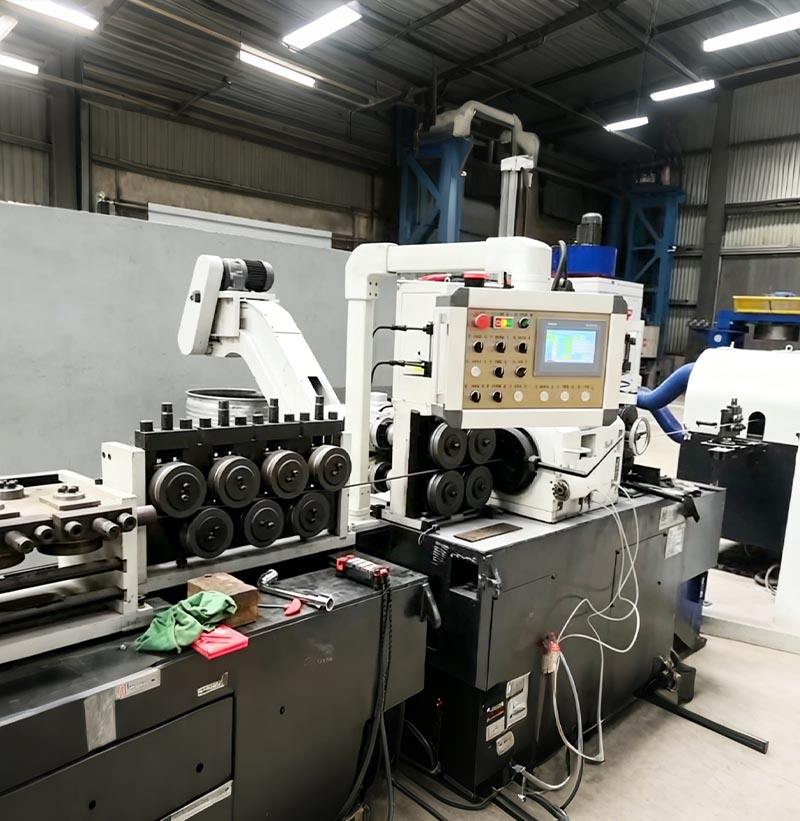
O fio-máquina de aço inoxidável é desenrolado e pré-endireitado, depois desbastado em um torno sem centros e cortado em um comprimento preciso. Após uma passagem final de endireitamento de precisão em uma endireitadeira de dois rolos, o produto resultante é uma barra reta de aço inoxidável de alta precisão.
Máquina de descascar (torno sem centros)
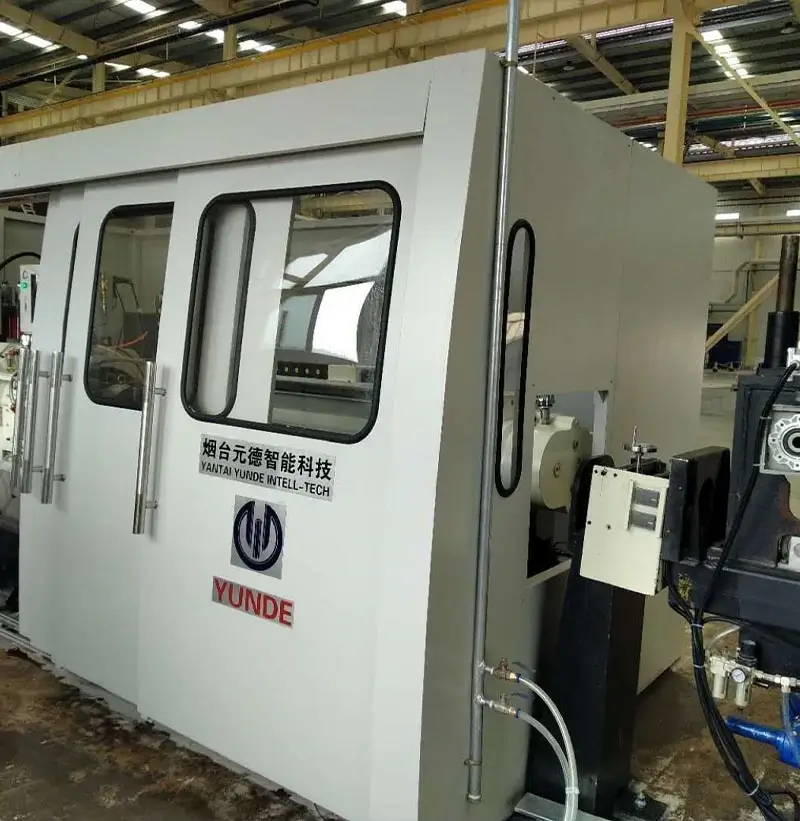
A unidade de descascamento (torno sem centros) é um produto desenvolvido de forma independente após a comparação e o contraste das vantagens de produtos estrangeiros similares, combinando-as com as características de produção das empresas nacionais, resultando em um projeto simplificado e otimizado.
Linha de produção bobina a bobina
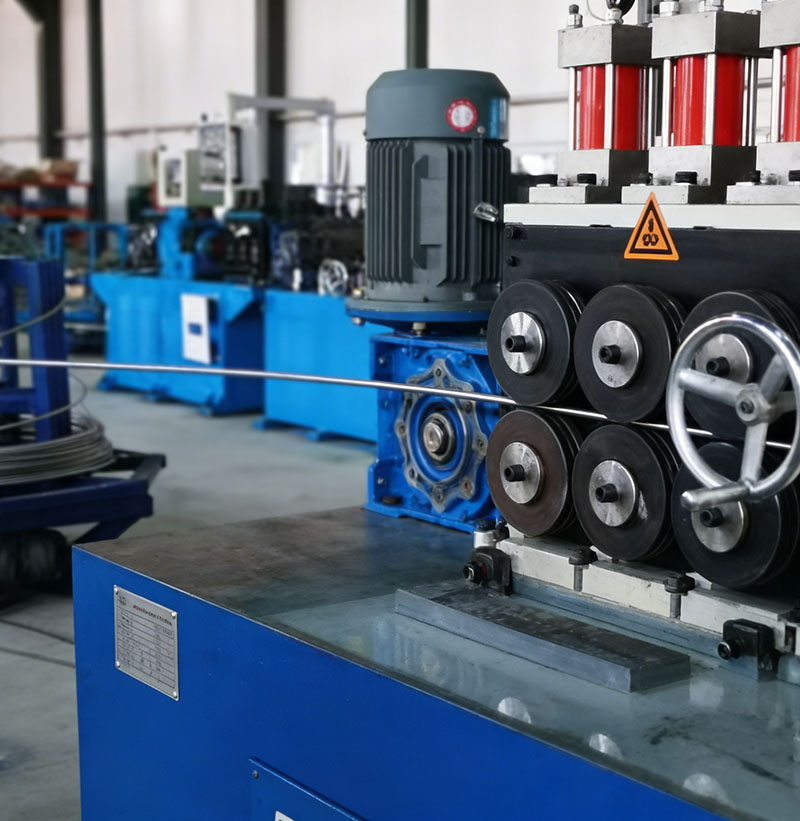
A linha de produção bobina a bobina é composta por uma série de máquinas, incluindo desenrolador e endireitador, descascador, mecanismo de fixação, dispositivo de pré-dobra, rebobinador, etc. Através dessas máquinas, a bobina preta é processada em bobina brilhante com boa qualidade de superfície.
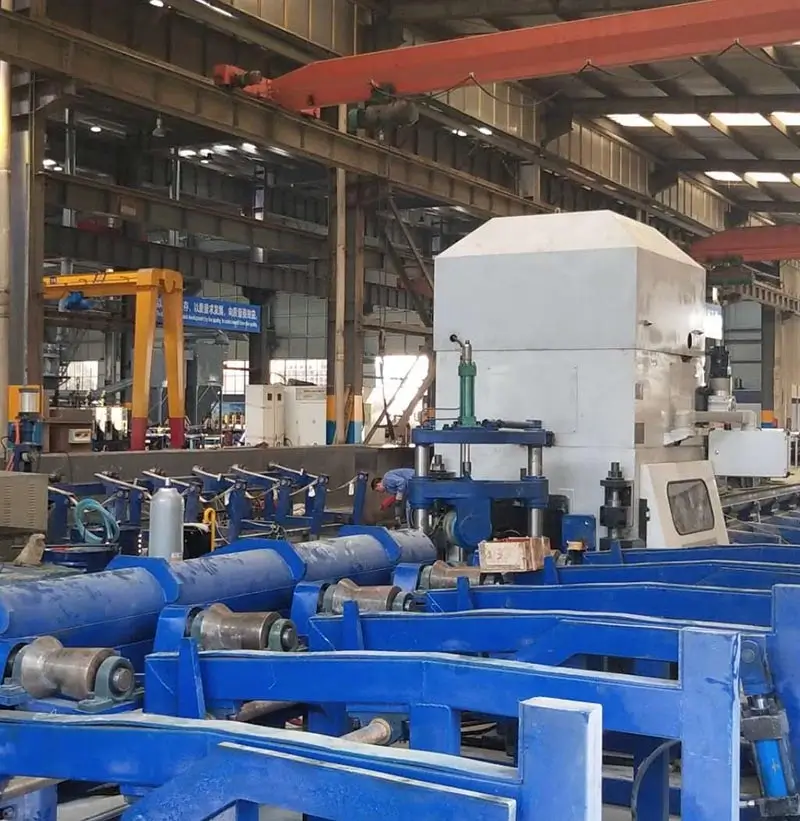
Máquina de endireitar série BS
Uma máquina de endireitar é um dispositivo usado para endireitar perfis metálicos, barras, tubos e fios. A máquina de endireitar utiliza rolos de endireitamento para comprimir o material, alterando sua retidão. Geralmente, existem duas fileiras de rolos de endireitamento, com números variáveis de rolos. Existem também máquinas de endireitar com dois rolos, que dependem da mudança de ângulo de dois rolos (com formato côncavo hiperbólico) para endireitar materiais de diferentes diâmetros.
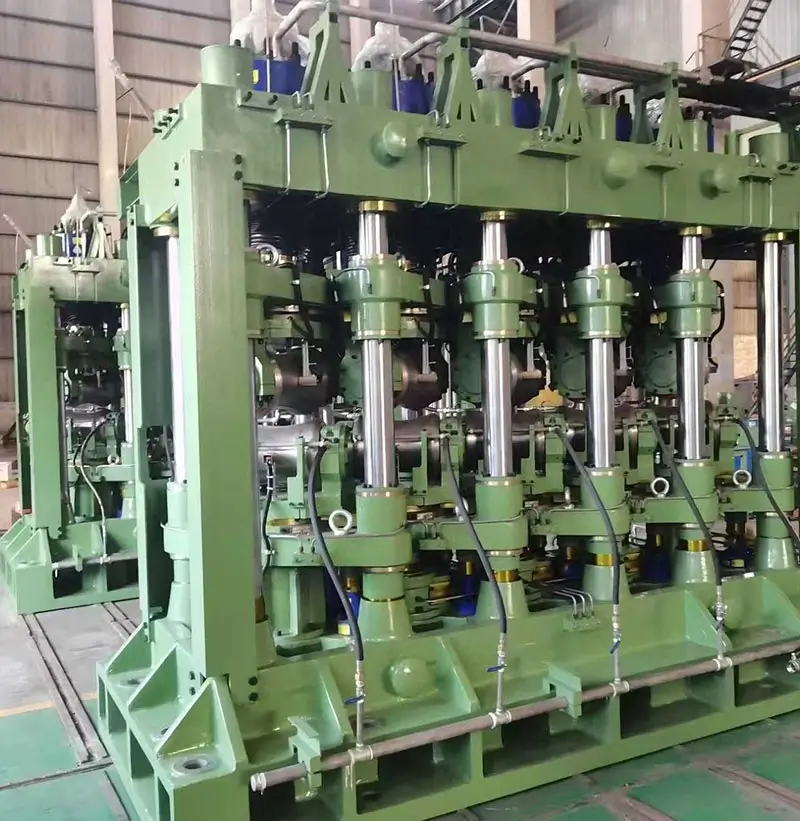
Máquina de endireitamento de tubos de aço com múltiplos rolos
É um dispositivo mecânico usado para corrigir a curvatura e a ovalização de tubos de aço. É utilizado para endireitar tubos feitos de aço e ligas de alta resistência, resistentes à corrosão e ao calor, bem como ligas de ferro-níquel, níquel e titânio, de modo a reduzir a não retilineidade longitudinal e a não circularidade da seção transversal.
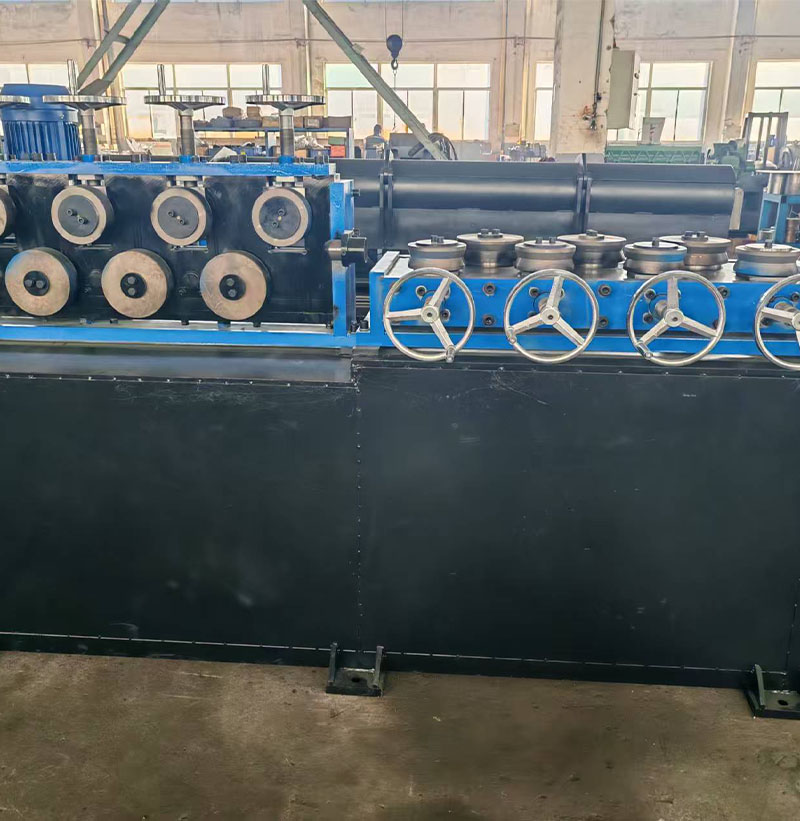
Máquina de endireitamento horizontal e vertical
Solte o volante da máquina de endireitar horizontal e vertical de múltiplos rolos para permitir que a bobina de arame passe pelos rolos de endireitamento. Aperte o volante até a posição determinada empiricamente, ligue o dispositivo de alimentação e realize testes de endireitamento repetidos. Em seguida, alimente a bobina de arame nos rolos de endireitamento vertical, seguindo o mesmo procedimento do endireitamento horizontal. Finalmente, alimente a bobina de arame no dispositivo de alimentação da máquina de descascar.