
ABOUT US
Yantai Yunde Intelligent Technology Co., Ltd. has only 30 years of production experience, has served more than 300 domestic and foreign customers, and has produced more than 2,000 machines.
GET A FREE QUOTE
-
Home

-
Blog
-
Industry Blogs
- How a bar peeling machine optimizes material efficiency in cold-drawn steel production?

How a bar peeling machine optimizes material efficiency in cold-drawn steel production?
-
author
- 7,May
 author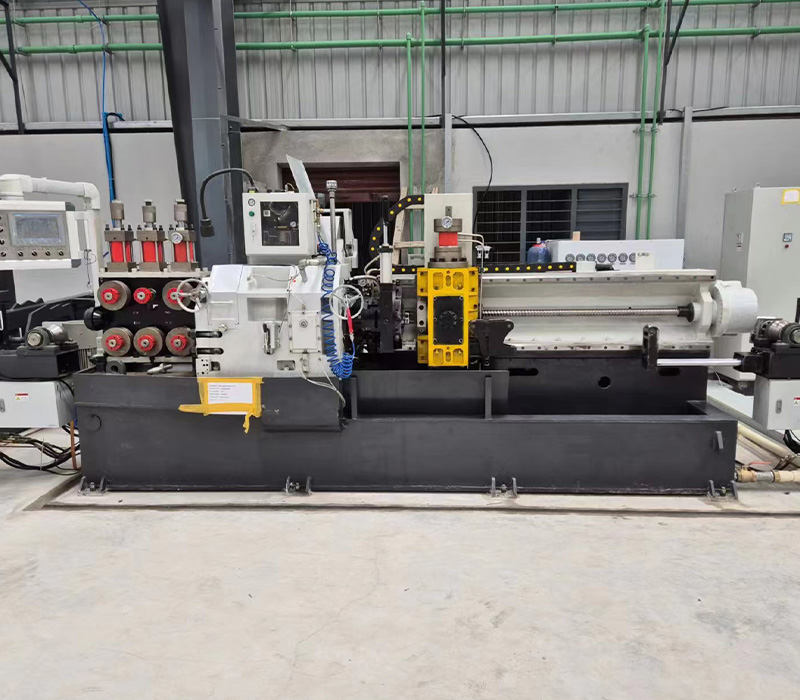
Making precise bright steel has always posed difficulties for fields that need tight sizes and smooth surfaces. As a professional Peeling machine manufacturer points out, these old approaches tend to create a lot of material loss and raise green issues. Now the bar peeling machine stands out as a key tech step forward. It reshapes the methods steel bar peeling machine manufacturers use for large-scale output. This shift boosts how much material gets used well.
What is the fundamental role of a bar peeling machine in hot-rolled bars production?
A bar peeling machine, sometimes called a centerless lathe, acts as targeted gear built to strip the outer “black skin” or rust layer from round metal bars. It differs from usual lathe work, where the piece spins. A round bar peeling machine employs a fast-turning cutter that moves over a fixed or straight-fed bar. This setup plays a vital part in clearing surface flaws like tiny splits, buildup, and carbon-lost layers. Such issues arise naturally in hot rolling.
This tech covers a broad range of sizes, from Φ6mm up to Φ360mm. It takes off just the needed thin outer layer. As a result, it leaves a clear, size-stable base for exact aligning.
Why are steel bar peeling machine manufacturers shifting to peeling?
The change from centerless lathe to peeling comes from three main reasons: pace, green rules, and material reuse. Grinding works well for smooth ends, but it moves slowly and costs a lot in rough tools. On the other hand, a bar peeling machine gives a much better removal rate for material. It often runs 10 to 20 times quicker than grinding at the start prep steps.

On the green side, the switch matters even more. The use of a Peeling machine represents a significant shift in sustainable manufacturing. Old pickling uses risky chemicals and makes harmful waste mud. Today’s steel bar peeling machine manufacturers push for peeling as a “dry” or MQL (Minimum Quantity Lubrication) method. It skips acid dips altogether. Plus, the metal bits from peeling recycle easily. Grinding dust, however, proves hard to recover and endangers workers’ health.
How does a round bar peeling machine minimize material waste?
The key benefit of a round bar peeling machine rests in its skill at making exact, light cuts. These keep as much of the inner material as possible. In a hot-rolled bars setup, steady work holds the secret to good output. Uneven raw handling wears out drawing tools too soon. The end item might also face size wobbles.
- Dynamic Tool Adjustment: New CNC setups let the machine tweak cut depth on the spot. It clears just the flaw layer. The good inner steel stays safe.
- Vibration Suppression: Special guide rollers and hydraulic buffers in the round bar peeling machine steady long bars. This stops the “whipping effect”that causes extra cuts or bumpy sizes.
- Integrated Workflow: Pairing a rough aligner with a peeling part sends material to the cutter in a straight line. This cuts down the extra “safe edge”once needed for bar bends.
What are the core technical advantages of YUNDE’s peeling solutions?
In the world market, YUNDE sets a standard for top metal finish gear. It blends auto controls with tough mechanical strength. The tech ends the need for foreign machines. It brings full local, strong centerless lathe systems. These raise output speed by up to 50 percent.

The table below shows specs for common models of centerless lathes (also known as bar peeling machines) used in fast production spots:
| Model | Diameter Range(mm) | Length (m) | Speed(m/min) | Cutting Depth(single side mm) | Diameter Tolerance | Surface Roughness (μm) | Main Motor (KW) | Remark |
| PM25 | Φ6–25 | ≥1.2 | 1~30 | 0.25~1 | ≤IT8 | Ra≤1.6 | 22 | Fully-auto CNC Semi-auto |
| PM40 | Φ6–40 | ≥1.4 | 1~18 | 0.25~1.5 | ≤IT8 | Ra≤1.6 | 45 | Fully-auto CNC Semi-auto |
| PM60 | Φ12–65 | ≥2.2 | 1~15 | 0.3~2.5 | ≤IT8 | Ra≤1.6 | 55 | Fully-auto CNC Semi-auto |
| PM80 | Φ15-80 | ≥2.2 | 1~15 | 0.5~2.5 | ≤IT8 | Ra≤1.6 | 75 | Fully-auto CNC Semi-auto |
| PM100 | Φ20-100 | ≥2.5 | 1~12 | 1.0~4.0 | ≤IT8 | Ra≤1.6 | 90 | Fully-auto CNC Semi-auto |
| PM130 | Φ35-130 | ≥2.8 | 1~8 | 1.0~5.0 | ≤IT8 | Ra≤1.6 | 110 | Fully-auto CNC Semi-auto |
| PM160 | Φ40-160 | ≥4 | 1~6 | 1.0~5.0 | ≤IT8 | Ra≤1.6 | 132 | Fully-auto CNC Semi-auto |
| PM200 | Φ80-200 | ≥4 | 1~5 | 1.0~5.0 | ≤IT8 | Ra≤1.6 | 160 | Fully-auto CNC Semi-auto |
| PM250 | Φ85-250 | ≥4 | 1~4 | 1.0~5.0 | ≤IT8 | Ra≤1.6 | 200 | Fully-auto CNC Semi-auto |
| PM350 | Φ150-350 | ≥4.5 | 0.2~2 | 1.0~10.0 | ≤IT8 | Ra≤1.6 | 200 | Fully-auto CNC Semi-auto |
These units handle many material types, such as stainless steel, bearing steel, titanium mixes, and different non-iron metals. Auto lines often follow a “Rough straightening + Peeling + Precision straightening” order. This makes sure the end bright bar fits the strictest world rules for machine parts and car bits.
How to select the right equipment for your production line?
Picking the right gear calls for a solid grasp of the starting material’s condition and the planned end use. For example, coiled wire rod needs a “coil-to-coil” or “coil-to-bar” peeling setup. Large factory shafts demand a heavy bar peeling machine with strong turning power.
Skilled steel bar peeling machine manufacturers advise checking these points:
- Diameter Range: Make sure the unit fits your usual sizes. It should have room to grow for later needs.
- Material Hardness: Tough mixes like titanium or high-carbon steel need special cutter shapes and sturdy machine bases to manage the cut forces.
- Surface Finish Requirements: For a shiny end (Ra < 0.8μm), add a polish step right after peeling and aligning.
From my work in this area, a properly set peeling line can lower running costs by about 30 percent over old lathe turning. In one fresh example with a big Indian bright steel maker, adding a PM40S CNC bar peeling machine improved their work for car drive shafts. It cut scrap material a good deal.
Conclusion: The Strategic Value of Peeling Technology
Using a bar peeling machine goes beyond a simple tech boost. It forms a planned step for green and smooth metal work. Makers swap old, loss-heavy ways for exact centerless turning. This brings better surface work, fits world ESG goals, and lifts profits a lot. As need for top bright bars grows in areas like plane building and clean power, advanced peeling tech will play a bigger part in factory wins.
Want to improve your output? Reach out to YUNDE for a no-cost tech talk on new metal finish options.
FAQ
Q: Why is a bar peeling machine better than acid pickling for steel production?
A: A bar peeling machine brings a hands-on fix that runs quicker and harms the planet less. Acid pickling relies on chemicals to strip buildup. Peeling cuts away flaws and carbon loss by force. This yields a smoother surface. It skips risky waste and lets metal bits recycle right away. Such points draw the eye of steel bar peeling machine manufacturers these days.
Q: What is the maximum processing diameter for a YUNDE round bar peeling machine?
A: YUNDE gear suits many factory tasks. A basic round bar peeling machine from YUNDE starts at Φ6mm. Tough models like the PM350 manage big sizes to Φ360mm. This range fits jobs from thin wire to huge factory bars.
Q: Can a bar peeling machine handle high-strength alloys like titanium?
A: Yes. New bar peeling machine builds use stiff frames and special tool stuff to work tough mixes. These cover stainless steel, bearing steel, and titanium blends. Steel bar peeling machine manufacturers often supply custom cutter tops for hard-to-cut items. This keeps tools lasting and surfaces exact.
Q: How does a round bar peeling machine achieve h9 diameter tolerances?
A: Hitting h9 or h10 sizes comes from sharp CNC guides and smart hold systems. The round bar peeling machine keeps the bar in place as the cutter spins fast. Pair it with an exact aligner, and the end item gets the right size fit plus good straight lines.
Q: Do steel bar peeling machine manufacturers provide automated production lines?
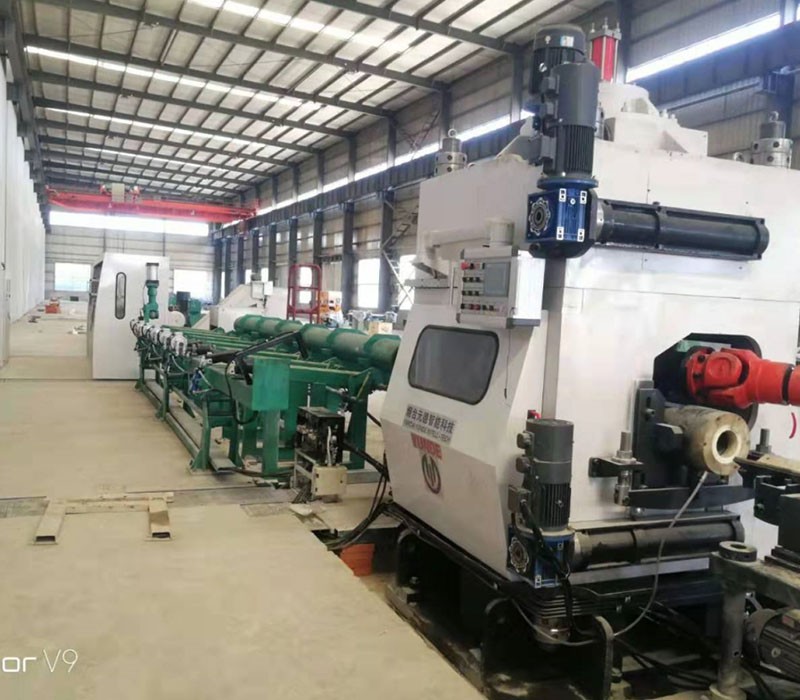
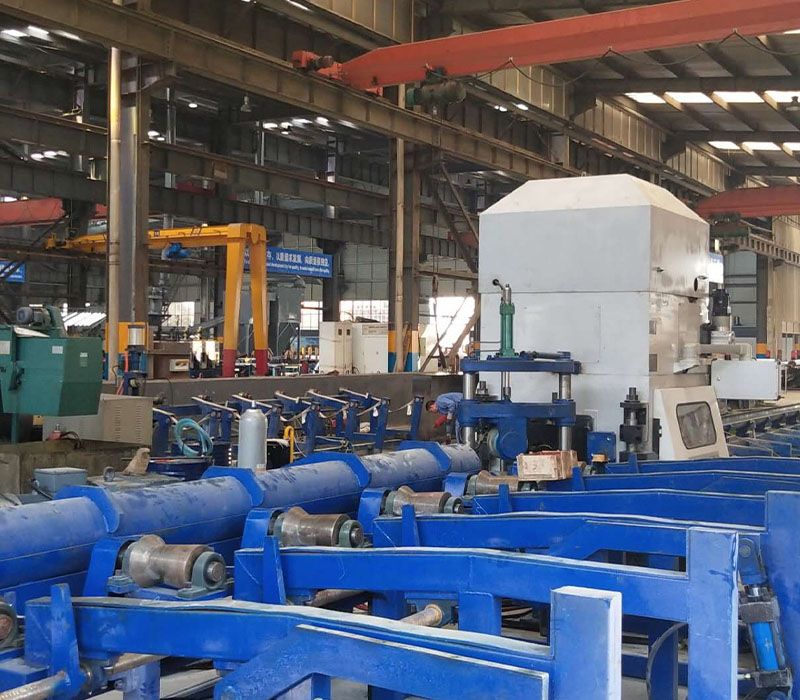
A: Top steel bar peeling machine manufacturers such as YUNDE give full auto lines for “Rough straightening + Peeling + Precision straightening.” These joined setups move smooth from raw hot-rolled dark bars to done bright bars. They cut hand work to a minimum. This boosts flow and keeps quality steady over big runs.
Recent Post

Related Products
Best-selling Products
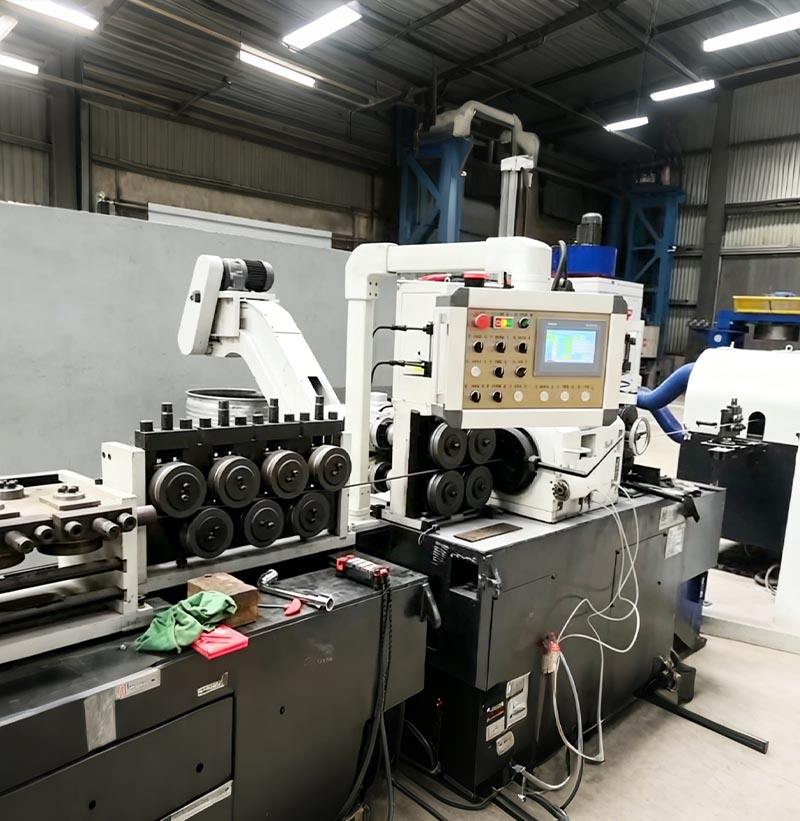
Coil To Bar Peeling&Straightening Line
Stainless steel wire rod is decoiled and pre-straightened, then peeled using a centerless lathe and cut to a precise length. Following a final precision straightening pass through a two-roll straightener, the resulting product is a high-precision stainless steel straight bar.
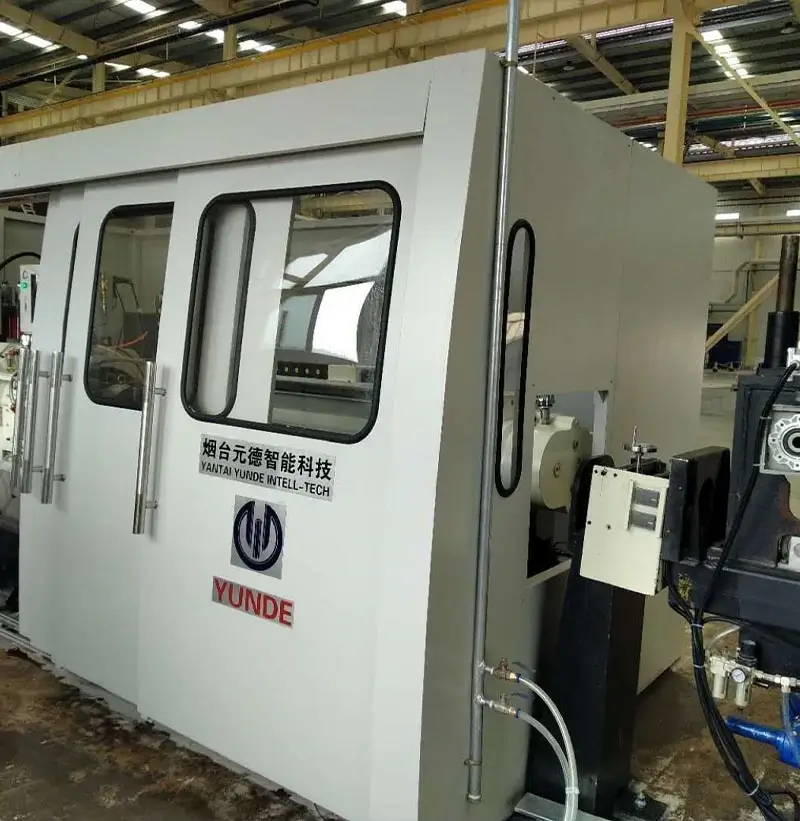
Peeling machine(centerless lathe)
The peeling machine (centerless lathe) unit is a product independently developed after comparing and contrasting the advantages of similar foreign products and combining them with the production characteristics of domestic enterprises, resulting in a simplified and optimized design.
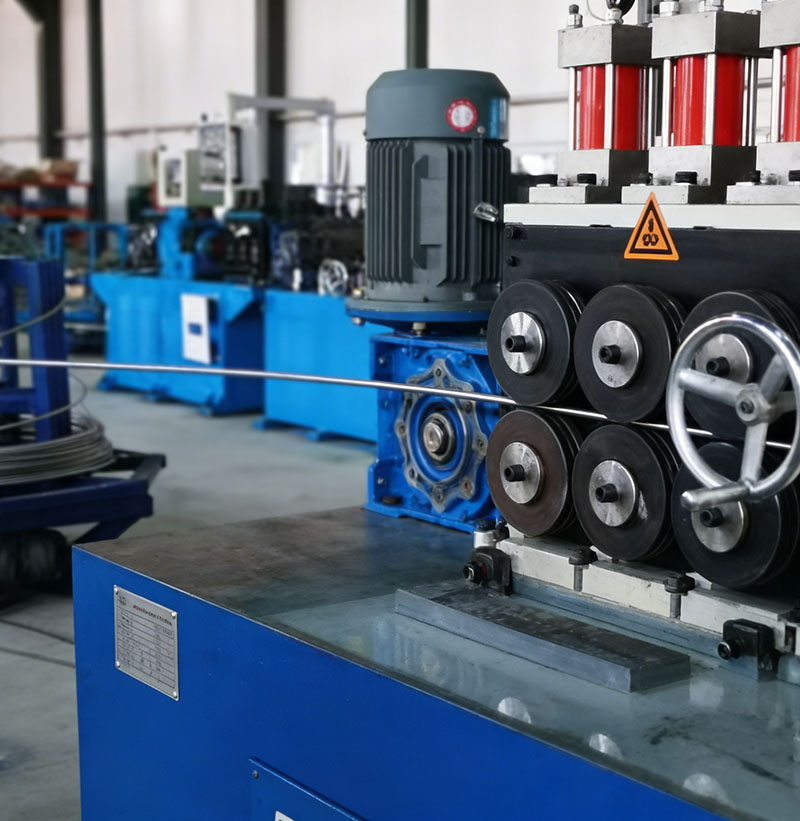
Coil to coil production line
Coil to coil production line is a serial of the machines includes payoff & straightening machine, peeling machine, clamping mechanism, pre-bending device, recoiler machine etc. through above machines, the black coil rod will be processed to bright coil rod with good surface quality
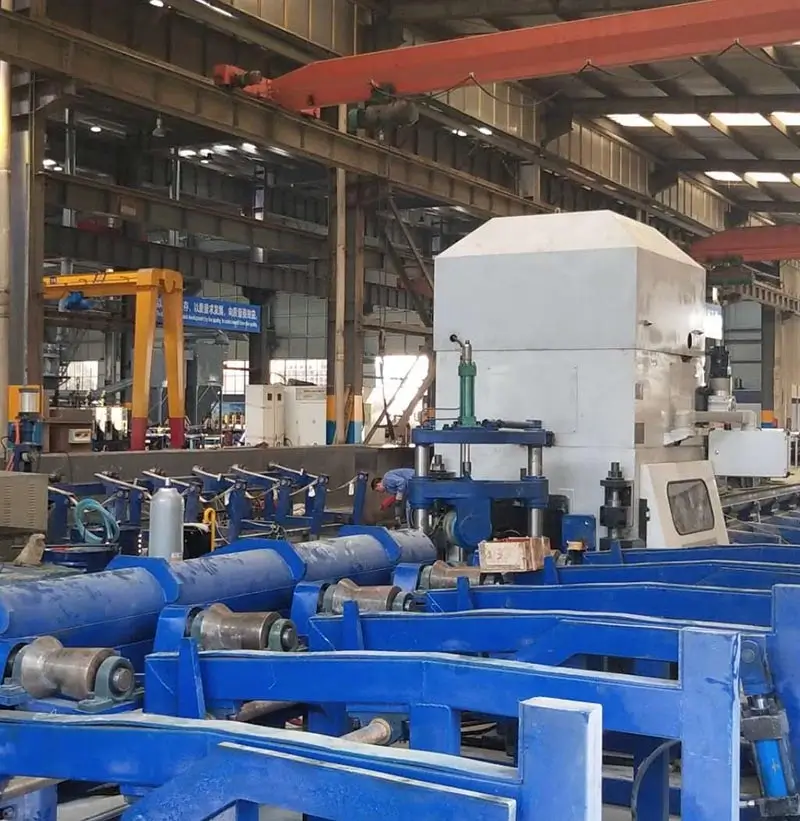
Straightening machine BS Series
A straightening machine is a device used to straighten metal profiles, bars, tubes, and wires. The straightening machine uses straightening rollers to compress the material, altering its straightness. Generally, there are two rows of straightening rollers, with varying numbers of rollers. There are also two-roller straightening machines, which rely on the angle change of two rollers (with a concave, hyperbolic shape) to straighten materials of different diameters.
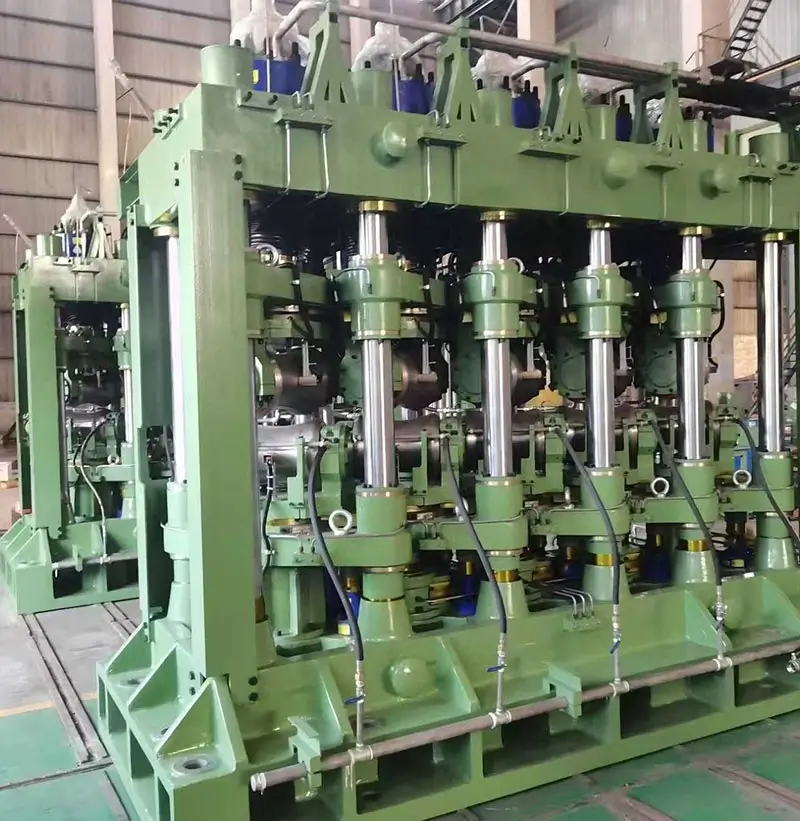
Multi-Roll Steel Pipe Straightening Machine
It is a mechanical device used to straighten the curvature and ovality of steel pipes. It is used to straighten pipes made of high alloy, corrosion-resistant, heat-resistant, heat-resistant steel and alloy, iron-nickel, nickel and titanium alloys , so as to reduce longitudinal non-straightness and cross-sectional non-roundness.
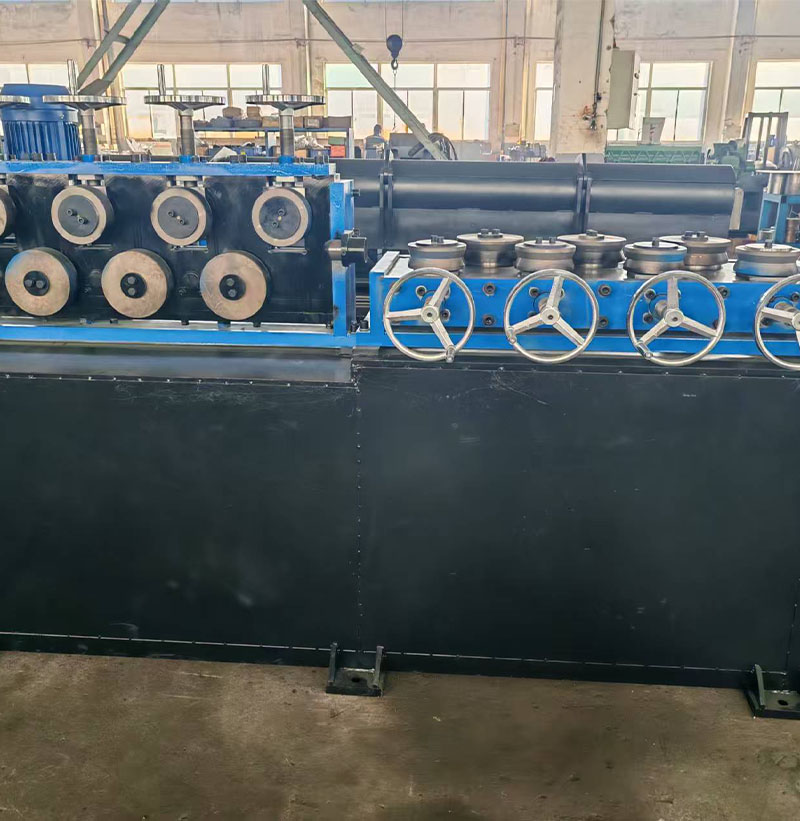
Horizontal and vertical straightening machine
Release the handwheel of the multi-roll horizontal and vertical straightening machine to allow the wire coil to pass through the straightening rollers. Tighten the handwheel to the empirically determined position, start the feeding device, and perform repeated straightening trials. Then feed the wire coil to the vertical straightening rollers, following the same procedure as for horizontal straightening. Finally, feed the wire coil to the peeling machine's feeding device.