
ABOUT US
Yantai Yunde Intelligent Technology Co., Ltd. has only 30 years of production experience, has served more than 300 domestic and foreign customers, and has produced more than 2,000 machines.
GET A FREE QUOTE
-
Home

-
Blog
-
Industry Blogs
- How Compact Uncoiling and Straightening Units Save Space
How Compact Uncoiling and Straightening Units Save Space
-
 author
- 30,October
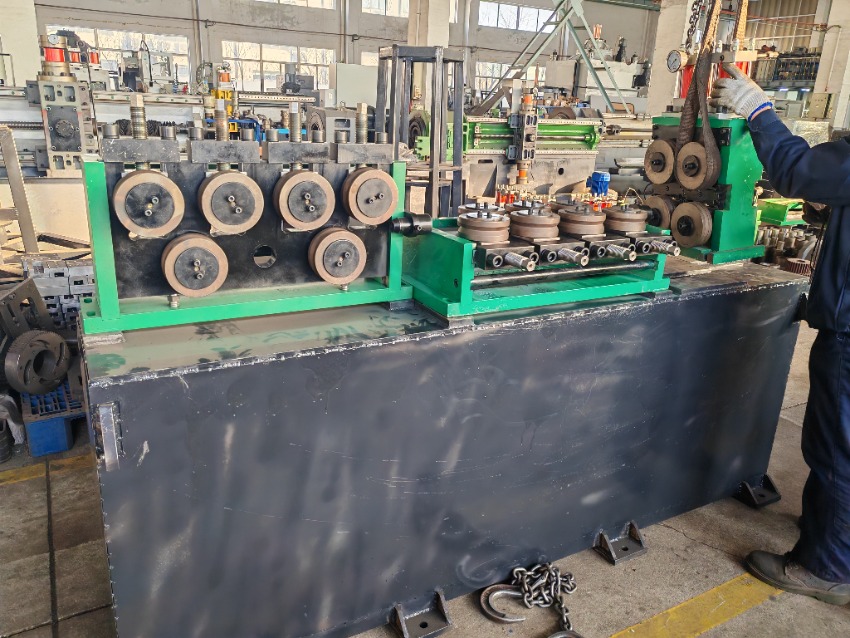
Factory floor space gets crowded fast. This happens when a coil travels from a standalone pay-off reel to a feeder, and finally to a straightening section. A smaller layout helps wire and rod processors reduce these transfer zones. It also provides the next machine with a much steadier and properly aligned material path.
Why coil handling often consumes more space than expected
A spread-out setup normally expands because of gaps between machines. It does not grow based on the material itself. A coil requires a secure loading area. The pay-off equipment also needs enough clearance to spin freely. Furthermore, every standalone machine adds another handoff point. At these points, workers must carefully guide and monitor the metal.
This explains why a compact uncoiling feeding and straightening unit works so well. It is highly effective when your main goal is smooth material flow, rather than just buying fewer machines. Combining these initial steps reduces the travel distance. Consequently, the coil has less chance to drift off track before reaching the next stage.
One material path replaces several handoffs
An integrated system begins by holding and unwinding the coil. Next, it directs the front edge straight into a pre-straightening zone. A properly designed uncoiler straightener keeps these initial tasks moving in a single direction. Therefore, you do not need a loose material loop between separate machines.
Horizontal and vertical correction serve different bends
Stored metal coils naturally retain unwanted curves from the winding process. Feeding the metal through both horizontal and vertical rollers helps the operator fix these curves across multiple angles. After that, the flat material feeds smoothly into the downstream equipment.
The main advantage of a smaller footprint involves making these physical corrections very close to the unwinding point. A shorter unsupported gap exists between the stages. As a result, operators rarely have to struggle with a loose front edge. They also avoid shifting guides around every time they load a new coil.
Layout choices that affect usable floor area
Finding the ideal floor plan depends on several factors. These include the coil dimensions, loading methods, downstream machinery, and safety guards. The table below helps factory teams evaluate their workspace. It focuses on actual material movement instead of merely measuring the physical size of individual machines.
| Layout approach | Where space is used | Operational consequence |
| Standalone pay-off and straightener | Guide gaps and transfer zones | Extra handoff points to align and watch |
| Combined pay-off and pre-straightening | A single shared entry point | Reduced travel distance before the next machine |
| Tight inline setup | Maintenance access located next to the line | Needs clear space for loading coils and performing maintenance |
Stable feed protects the next operation
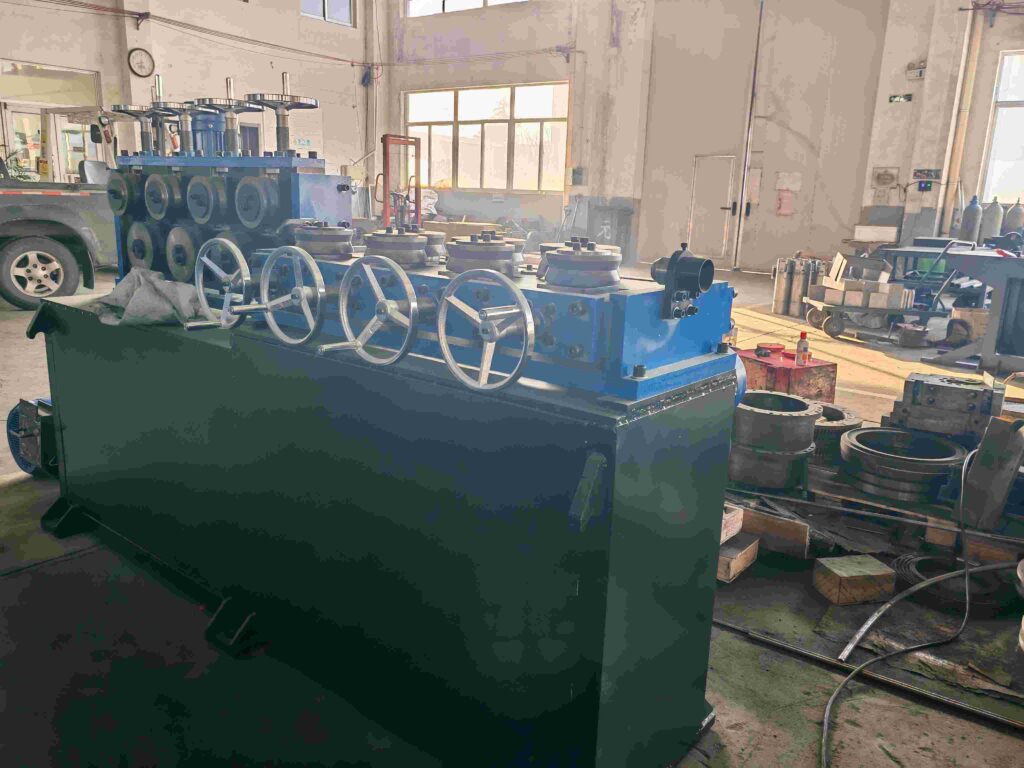
Saving space is only helpful if the smaller setup stays easy to manage. Operators must adjust the feed rollers, straightening rollers, and side guides for the specific metal type. This careful setup ensures the coil feeds into the next machine smoothly. It prevents excessive sideways shifting and reduces the need for constant manual fixes.
What to confirm during a trial
- Verify that the coil loads and unwinds easily. It must not block the designated maintenance aisles.
- Feed the front edge through every roller group. Then, ensure the metal remains perfectly centered as it enters the next machine.
- Document the machine settings based on the specific wire diameter and material state. Do not simply reuse numbers from a completely different batch.
- Keep clear paths open for regular roller adjustments and daily cleaning. Workers also need room to safely remove the leftover coil tail.
How teams validate a compact layout change
A proper layout review must track the exact path of the metal. This starts from the loading zone and ends at the next machine. Managers should mark the entire travel route. They must also highlight areas where an operator needs to intervene. Finally, identify every spot where the metal might hit a guide or safety guard before you finalize the new floor plan.
Factory teams must evaluate a decoiler and straightener as an active working zone. They should not view it merely as a square on a blueprint. Its real value relies on daily usability. Operators must be able to load new coils, monitor the running metal, and tweak the rollers easily. They should do this without creating confusing new walking paths.
Any equipment test must also compare the new changeover process against the old setup. A smaller design might reduce the travel distance. However, if it makes loading or maintenance harder, the factory has not solved the issue. The team has simply relocated the problem to a different area.

The compact unit should fit the actual line
A decoiler with straightener does not fit perfectly into every single production line. It works best under specific conditions. It is highly effective when unwinding, initial pre-straightening, and multi-angle corrections are the exact required steps before the next connected phase.
Yunde’s integrated system merges unwinding, initial pre-straightening, and multi-directional leveling into one initial machine. This combination creates a highly practical choice for any production route requiring precise material delivery into the next stage. Additionally, it helps facility planners focus their attention on just one primary equipment group.
When designing a new or updated line, always begin with the basic material facts. Consider the coil shape, wire thickness, and the entry height of the next machine. You must also review the loading style and maintenance space. These specific details will determine if a compact uncoiling feeding and straightening unit truly enhances your floor plan. Otherwise, it might just shift the traffic jam to another corner of the building.
A practical space-saving conclusion
Smaller coil handling systems succeed when they reduce the loose, unguided gap between unwinding and leveling. At the same time, they must preserve clear loading zones, safe maintenance areas, and a steady feed. Therefore, the ideal machine simplifies the physical route of the metal. It must also allow workers to easily perform the visual checks needed for consistent daily production.
You might need assistance pairing the right unwinding and leveling setup with your specific metal and downstream machinery. If so, please reach out to our team before you finalize your factory floor plan.
FAQ
What does an uncoiler straightener do?
An uncoiler straightener unwinds raw metal and feeds it directly through special leveling rollers. This happens right before the next manufacturing step. Its main purpose is to establish a smooth, highly controlled entry path. This bridges the gap between raw storage and active processing.
How does a compact layout save production space?
A smaller footprint heavily decreases the gap and transfer zones between unwinding, feeding, and initial leveling. The actual amount of floor space you save relies on several details. These include the loading area, safety barriers, maintenance walkways, and the exact placement of the next machine.
Is a decoiler straightener suitable for every coil material?
No, it is not. The internal roller layout and pressure settings must perfectly match the wire thickness and physical condition. It must also meet the specific feeding needs of the next machine. A decoiler and straightener requires a proper test run. This trial ensures accurate guidance, proper leveling, and safe worker access before starting full-scale operations.
Why use both horizontal and vertical straightening?
Raw coiled metal often contains stubborn curves across multiple angles. Using both horizontal and vertical roller groups fixes these bends in various directions. Because of this dual action, the metal enters the connected machinery on a much straighter and highly predictable path.
What should be checked before installing a decoiler and straightener?
You must verify the loading method, as well as the entry and exit heights. Also, check the exact travel route, safety guards, maintenance room, and the final connection to the next machine. Completing these vital checks prevents a tightly packed layout from becoming dangerous or frustrating to operate.
Recent Post
Related Products
Best-selling Products
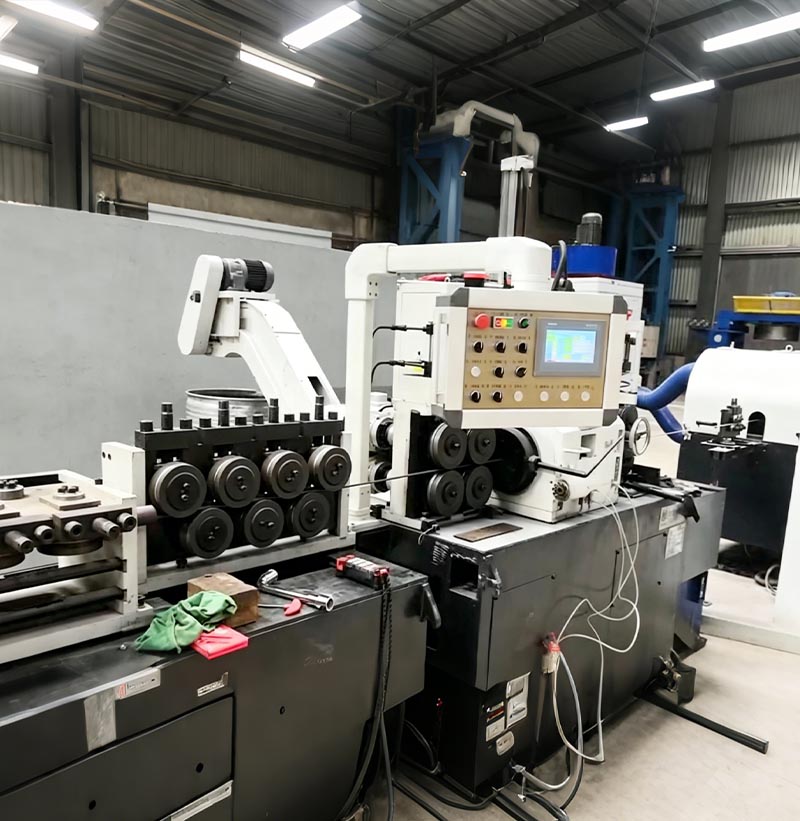
Coil To Bar Peeling&Straightening Line
Stainless steel wire rod is decoiled and pre-straightened, then peeled using a centerless lathe and cut to a precise length. Following a final precision straightening pass through a two-roll straightener, the resulting product is a high-precision stainless steel straight bar.
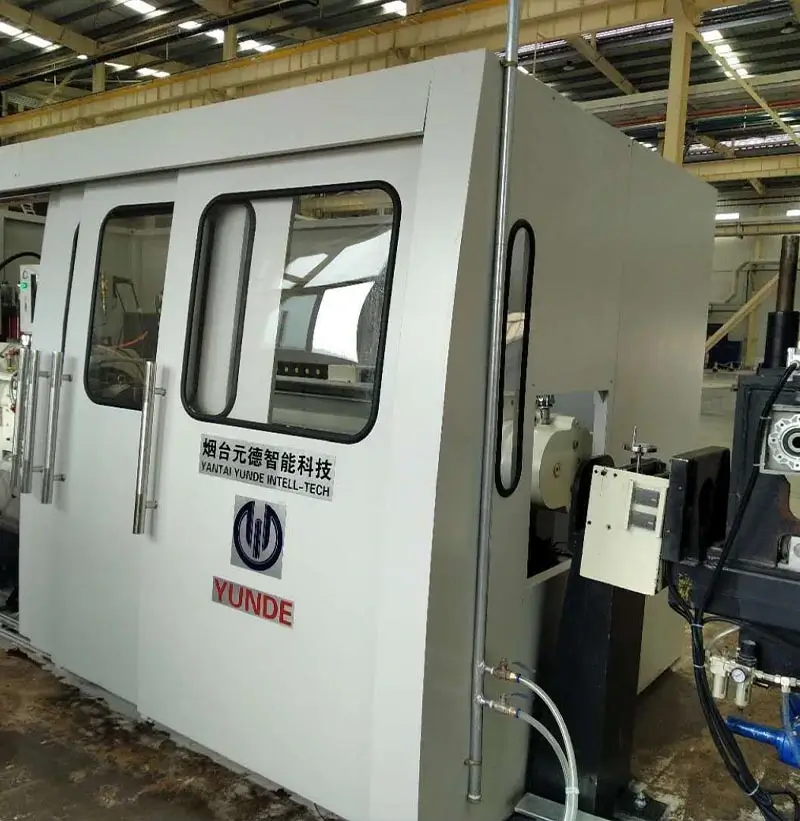
Peeling machine(centerless lathe)
The peeling machine (centerless lathe) unit is a product independently developed after comparing and contrasting the advantages of similar foreign products and combining them with the production characteristics of domestic enterprises, resulting in a simplified and optimized design.
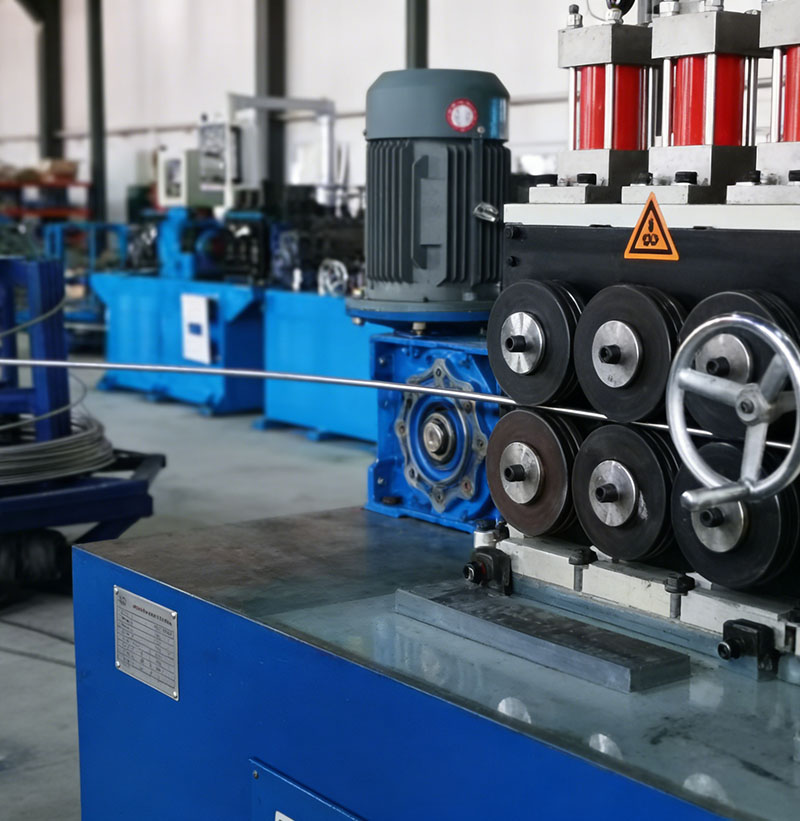
Coil to coil production line
Coil to coil production line is a serial of the machines includes payoff & straightening machine, peeling machine, clamping mechanism, pre-bending device, recoiler machine etc. through above machines, the black coil rod will be processed to bright coil rod with good surface quality
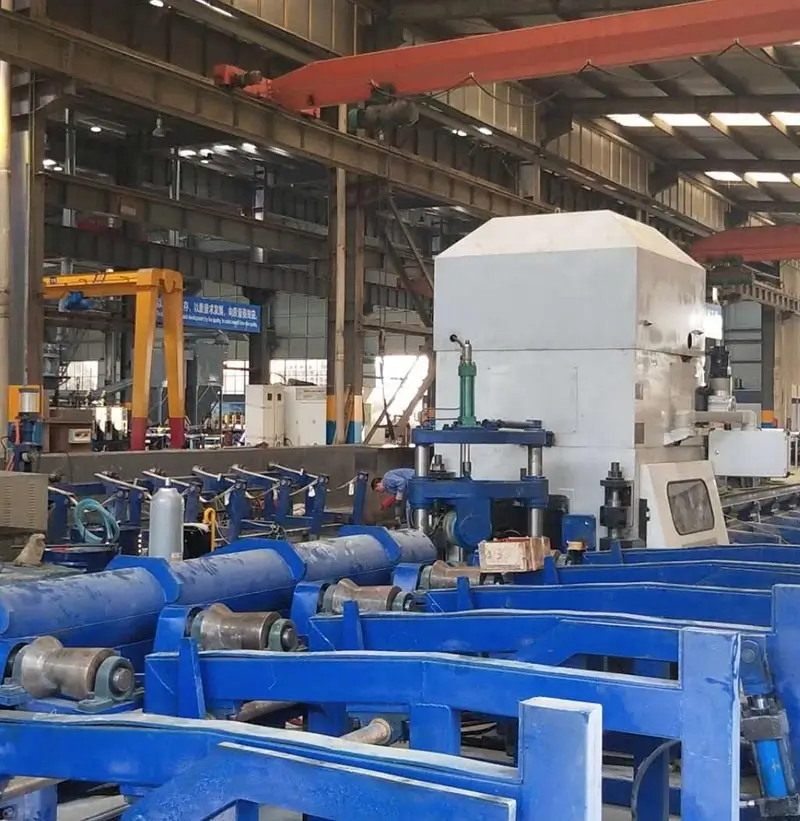
Straightening machine BS Series
A straightening machine is a device used to straighten metal profiles, bars, tubes, and wires. The straightening machine uses straightening rollers to compress the material, altering its straightness. Generally, there are two rows of straightening rollers, with varying numbers of rollers. There are also two-roller straightening machines, which rely on the angle change of two rollers (with a concave, hyperbolic shape) to straighten materials of different diameters.
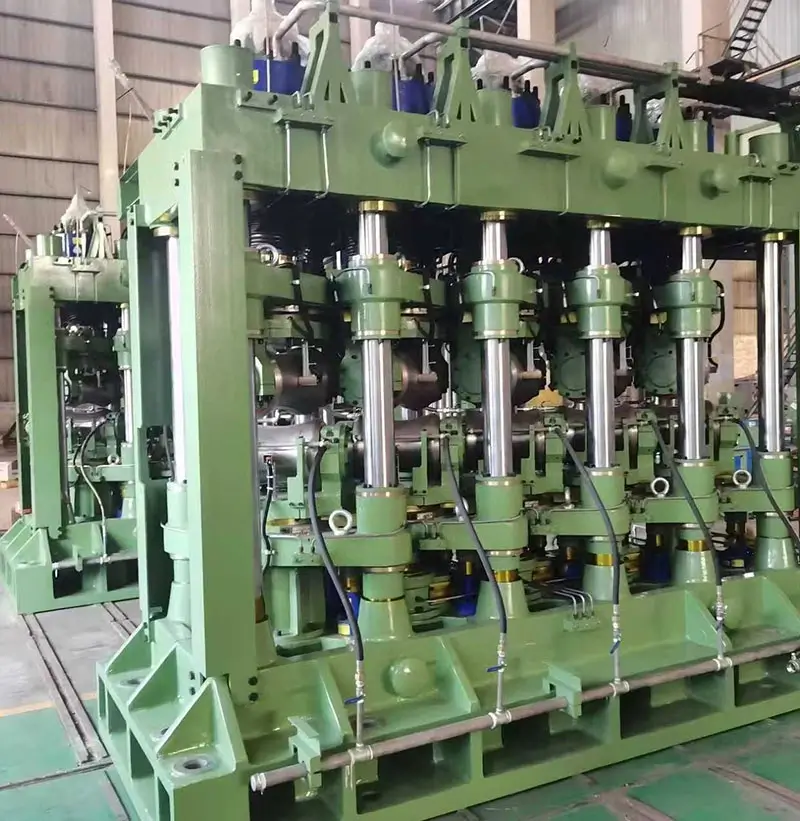
Multi-Roll Steel Pipe Straightening Machine
It is a mechanical device used to straighten the curvature and ovality of steel pipes. It is used to straighten pipes made of high alloy, corrosion-resistant, heat-resistant, heat-resistant steel and alloy, iron-nickel, nickel and titanium alloys , so as to reduce longitudinal non-straightness and cross-sectional non-roundness.
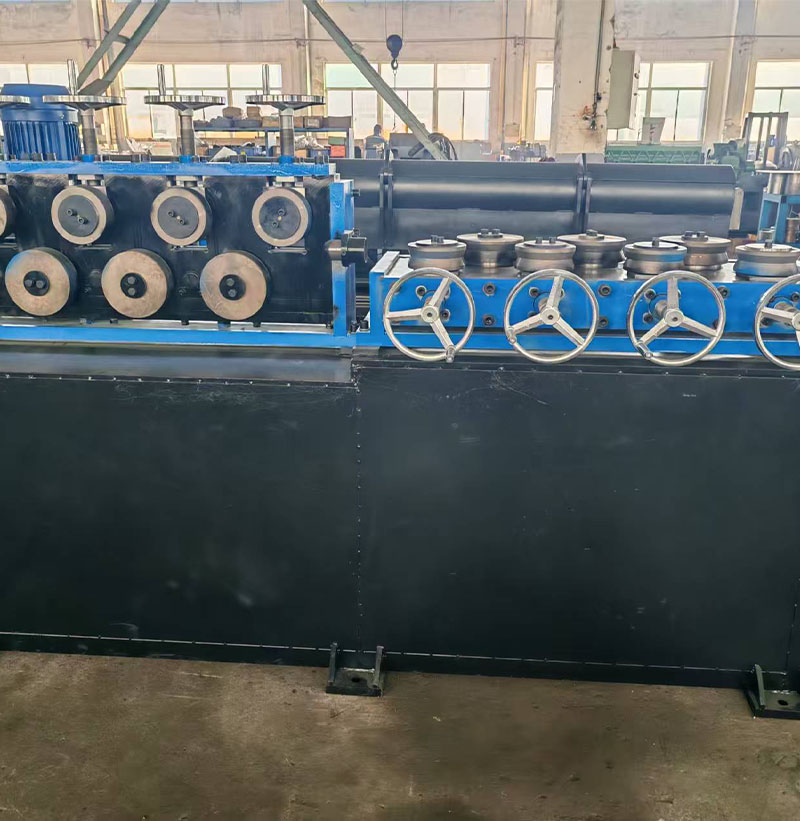
Horizontal and vertical straightening machine
Release the handwheel of the multi-roll horizontal and vertical straightening machine to allow the wire coil to pass through the straightening rollers. Tighten the handwheel to the empirically determined position, start the feeding device, and perform repeated straightening trials. Then feed the wire coil to the vertical straightening rollers, following the same procedure as for horizontal straightening. Finally, feed the wire coil to the peeling machine's feeding device.