
ABOUT US
Yantai Yunde Intelligent Technology Co., Ltd. has only 30 years of production experience, has served more than 300 domestic and foreign customers, and has produced more than 2,000 machines.
GET A FREE QUOTE
-
Home

-
Blog
-
Industry Blogs
- How to Compare Bar Peeling Machine Configurations
How to Compare Bar Peeling Machine Configurations
-
 author
- 6,November
Two peeling machines can appear identical on a sales quote. However, they often act quite differently on the factory floor. A good comparison goes beyond just checking capacity against price. Instead, you need to see if the equipment’s diameter range, cutting allowance, feed rhythm, and control setup match your actual materials. These features also need to deliver the exact finish required for the next production step.
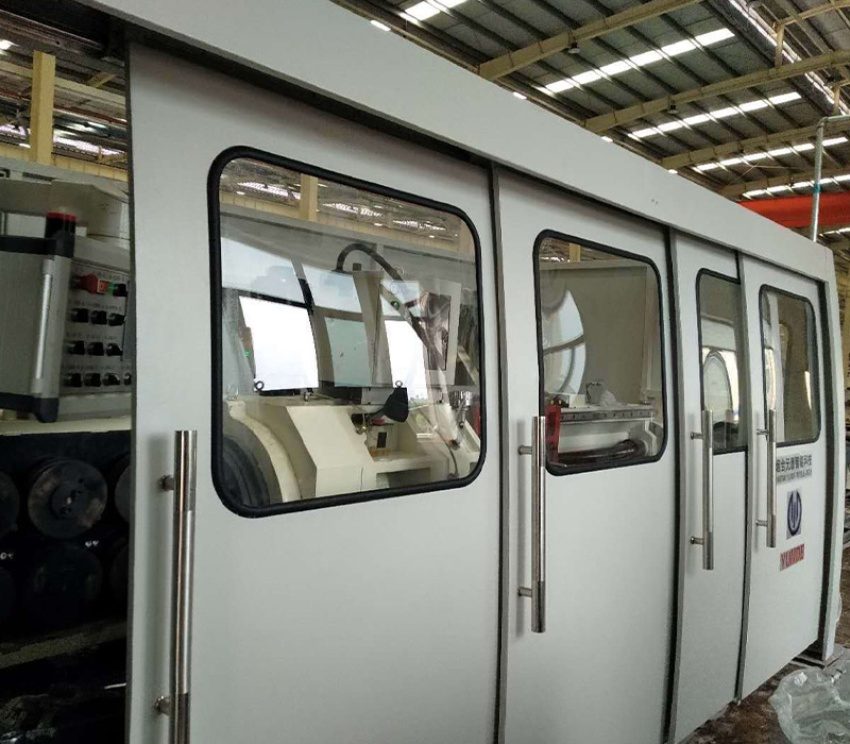
The configuration question begins with the bar
A solid evaluation always starts with the raw bar condition. Inspect surface scale, minor cracks, and decarburized layers. Diameter changes and overall length are also important. These factors decide how much metal needs to be cut away. They also dictate how smoothly the workpiece needs to move. A setup that runs perfectly on clean metal may struggle later. It can easily become unstable if the next batch has deeper surface flaws or a larger variation in starting size.
Therefore, evaluate the bar peeling machine based on its complete working range. Do not just look at one basic diameter size. Identify your smallest and thickest bars. Note the shortest standard length and the normal cutting depth. You also need to consider the mix of steel grades. Doing this changes a basic product review into a highly practical working model.
Capacity bands reveal the practical differences
The diameter limit is just the first filter. It certainly does not make the final choice for you. Also check the feed speed and the shortest supported length. The single-side cutting depth is another key detail. These numbers show if a specific setup works for small, fast-moving metal. They also show if it handles thick bars that need deep cutting, or even a mixed daily schedule. It is always smart to keep your standard daily tasks away from the absolute limits of the equipment. This approach gives you much more room for a stable and reliable setup.
Small and medium diameters
PM25 and PM40 handle the thinnest diameter groups. They also offer the fastest listed feed speeds. These models are great for jobs where small metal sizes and quick production flow are both highly important. On the other hand, PM60 and PM80 offer a wider diameter range. They also allow for deeper cutting. At the same time, they keep good feed speeds for standard processing tasks. This makes them great options for factories that are expanding past just one small size group.
The PM configuration range at a glance
The chart below compares the official limits for the PM-series. The listed tolerance and surface roughness numbers are simply target goals for a well-tuned process. They are not absolute guarantees. Different materials, raw conditions, and cutting depths will not automatically give the exact same finish. You will always need some test runs and minor adjustments first.
| Model | Diameter range | Minimum length | Feed speed | Single-side cutting depth |
| PM25 | Φ6-25 mm | ≥1.2 m | 1-30 m/min | 0.25-1 mm |
| PM40 | Φ6-40 mm | ≥1.4 m | 1-18 m/min | 0.25-1.5 mm |
| PM60 | Φ12-65 mm | ≥2.2 m | 1-15 m/min | 0.3-2.5 mm |
| PM80 | Φ15-80 mm | ≥2.2 m | 1-15 m/min | 0.5-2.5 mm |
| PM100 | Φ20-100 mm | ≥2.5 m | 1-12 m/min | 1-4 mm |
| PM130 | Φ35-130 mm | ≥2.8 m | 1-8 m/min | 1-5 mm |
| PM160 | Φ40-160 mm | ≥4 m | 1-6 m/min | 1-5 mm |
| PM200 | Φ80-200 mm | ≥4 m | 1-5 m/min | 1-5 mm |
| PM250 | Φ85-250 mm | ≥4 m | 1-4 m/min | 1-5 mm |
| PM350 | Φ150-350 mm | ≥4.5 m | 0.2-2 m/min | 1-10 mm |
Throughout this whole series, the stated goal is a diameter tolerance of IT8 or better. The target surface roughness is Ra ≤ 1.6 μm. Read these numbers as a direct comparison. For example, a larger diameter capacity and deeper metal removal will always pair with slower feed speeds. They also require longer minimum bar lengths.

Automation and the changeover pattern
The type of control system becomes very important if your daily production changes a lot. A CNC setup with PLC multi-point control is quite advanced. It allows for live electric tool adjustments. It also offers closed-loop diameter tracking to handle tiny changes in the metal. This specific feature is extremely helpful when your batches switch out often. It saves you from losing precious time whenever the cutting tools need new settings.
Think about a factory that produces machine turned and peeled bars in standard, repeating sizes. Here, compare the expected number of tool changes per shift against the actual cost of stopping the line. If your production runs are long and very stable, a basic automatic or semi-automatic system can be suitable. However, if your daily plan mixes many different sizes, you need to focus on the control features. The ease of making adjustments is much more important than a flashy top feed speed.
Support and removal allowance protect output quality
How the metal is fed and supported directly affects the final cut. These are not just minor background details. The PM-series extraction system features hydraulically powered upper and lower clamps. It also includes precision ball guides and synchronized movement. Together, these parts help push the metal smoothly through the main cutting area. This steady movement is crucial. Any vibration or jerky motion will easily cause bad surface marks. It can also lead to rough finishes or uneven diameters.
Questions that expose a poor match
A useful review needs to check four real production facts against every possible machine setup:
- What are the actual minimum and maximum bar diameters you process daily, ignoring rare odd sizes?
- What cutting depth clears real surface damage without wasting good metal?
- What is the standard length of your materials, and how exactly will they be loaded, held, and released?
- How many times will the metal grade, final size, or tool settings change during a single work shift?
Configuration evidence that belongs in the comparison
A steel bar peeling machine comparison becomes much stronger when you use strict test rules. Use the exact same test piece, starting size, and metal grade for every option. Also, apply the same cutting depth, final target size, and surface finish goal. The final results will clearly show if the setup hits your goals. It will also prove if the equipment can do the job without being pushed to its absolute breaking point.
This careful method keeps your equipment evaluation highly useful. Any round bar peeling machine needs to be carefully matched to the actual physical workpiece. It also needs to fit your specific process limits. It is never just a basic label to slap on every production line. Ultimately, a properly peeled piece of metal is the direct result of controlled cutting. It relies on smooth travel and the right tools. Finally, it requires strict checks of the finished surface condition.

A configuration comparison ends with process fit
The best overall setup is simply the one that handles your standard daily sizes. It also manages the required cutting depths and planned daily feed speeds. It also accommodates shift changeovers while keeping a safe operating buffer. Always compare different models using your real factory numbers. After that, test the chosen layout on your actual daily stock. This practical step gives your factory workers a clear path to reliable output. It also ensures a consistent and high-quality surface finish every single time.
FAQ
Which PM model suits the smallest diameter range?
The PM25 is officially rated for Φ6-25 mm sizes. Meanwhile, the PM40 goes up to Φ40 mm. However, your final choice will still depend heavily on your standard length and cutting depth. The metal grade and your required daily speed also play a massive role.
Can one configuration cover several bar diameters?
Yes, it certainly can. You just need to ensure that your normal sizes stay inside the official limits. Furthermore, the cutting depth and feed speed need to remain appropriate. Your tool changeover plan also needs to fit well with each new task.
Why does minimum bar length matter?
The shortest allowed length decides if the equipment can hold and move the metal smoothly. Always check a potential setup against your normal daily lengths. Assess diameter limits alongside bar length.
Does deeper cutting always mean a better choice?
No, it does not. A deep cut is only helpful if the raw surface damage truly demands it. Taking away too much metal will lower your total yield. It also puts a heavy and completely useless strain on the cutting tools.
Post-trial inspection
Inspect the final diameter and the overall surface roughness. Look closely for any remaining surface flaws. Also check feed stability and tool wear. Finally, measure the exact time it takes to switch sizes before approving the new setup.
Recent Post
Related Products
Best-selling Products
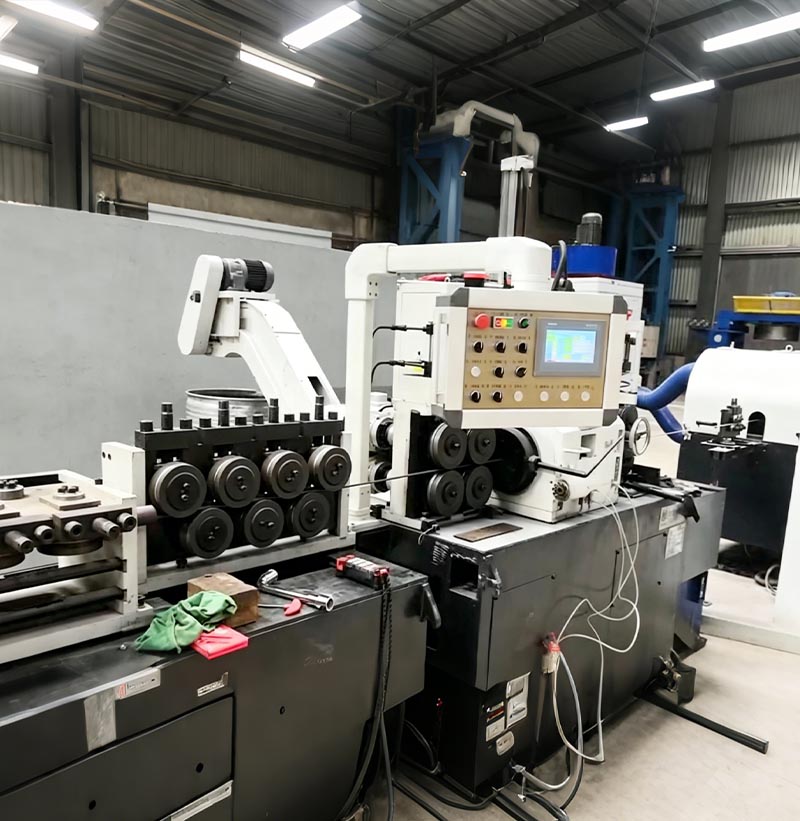
Coil To Bar Peeling&Straightening Line
Stainless steel wire rod is decoiled and pre-straightened, then peeled using a centerless lathe and cut to a precise length. Following a final precision straightening pass through a two-roll straightener, the resulting product is a high-precision stainless steel straight bar.
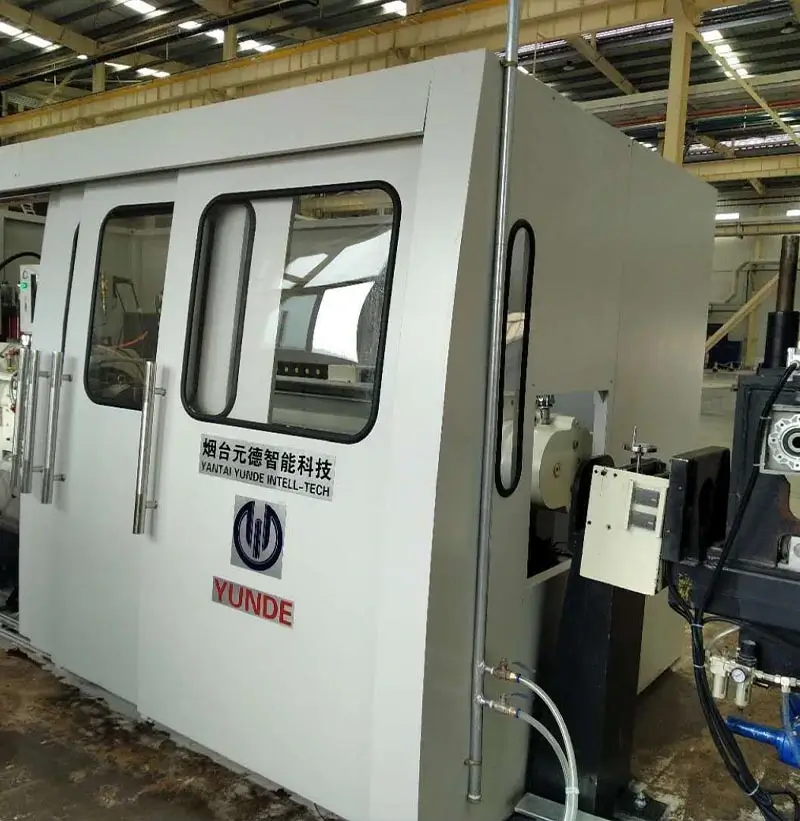
Peeling machine(centerless lathe)
The peeling machine (centerless lathe) unit is a product independently developed after comparing and contrasting the advantages of similar foreign products and combining them with the production characteristics of domestic enterprises, resulting in a simplified and optimized design.
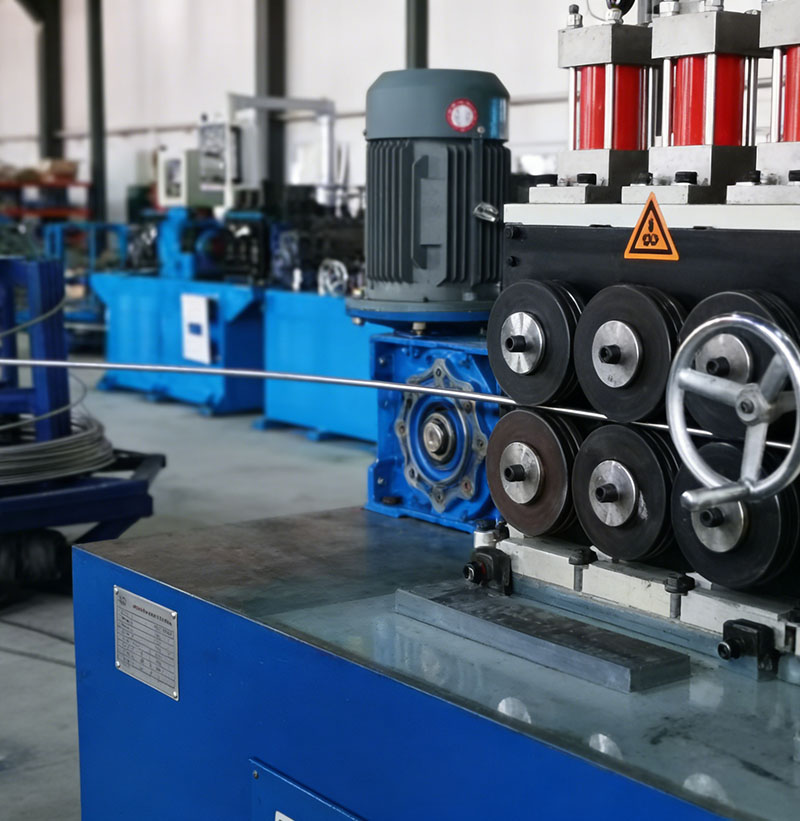
Coil to coil production line
Coil to coil production line is a serial of the machines includes payoff & straightening machine, peeling machine, clamping mechanism, pre-bending device, recoiler machine etc. through above machines, the black coil rod will be processed to bright coil rod with good surface quality
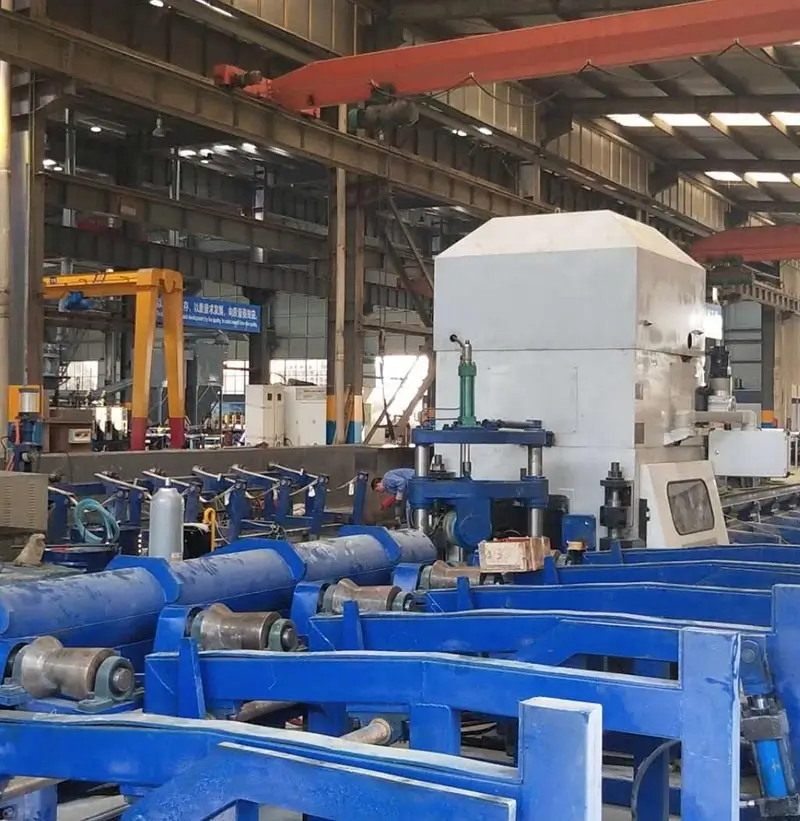
Straightening machine BS Series
A straightening machine is a device used to straighten metal profiles, bars, tubes, and wires. The straightening machine uses straightening rollers to compress the material, altering its straightness. Generally, there are two rows of straightening rollers, with varying numbers of rollers. There are also two-roller straightening machines, which rely on the angle change of two rollers (with a concave, hyperbolic shape) to straighten materials of different diameters.
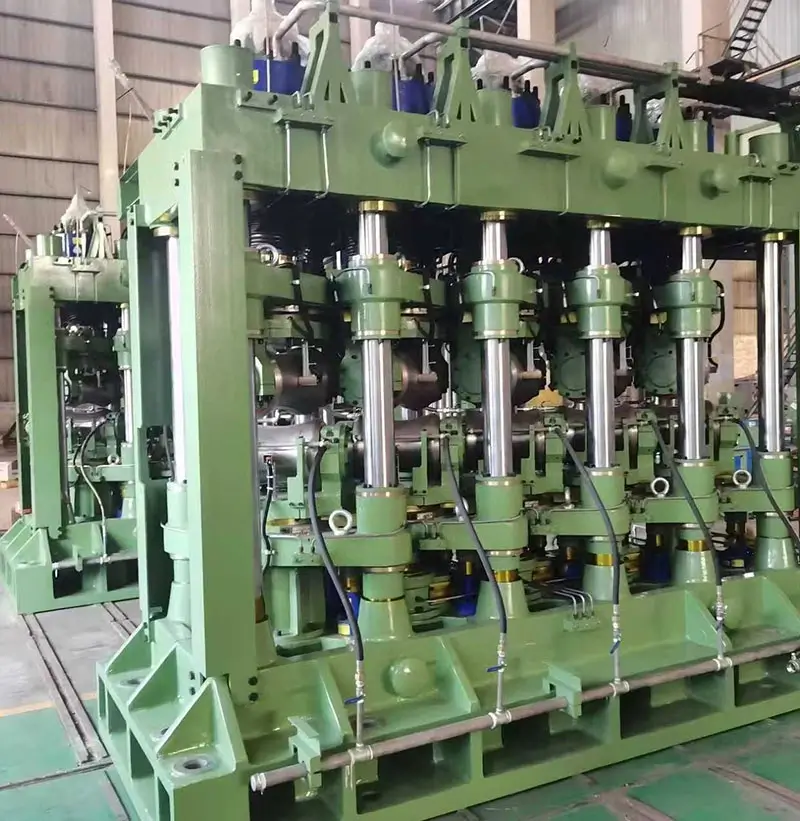
Multi-Roll Steel Pipe Straightening Machine
It is a mechanical device used to straighten the curvature and ovality of steel pipes. It is used to straighten pipes made of high alloy, corrosion-resistant, heat-resistant, heat-resistant steel and alloy, iron-nickel, nickel and titanium alloys , so as to reduce longitudinal non-straightness and cross-sectional non-roundness.
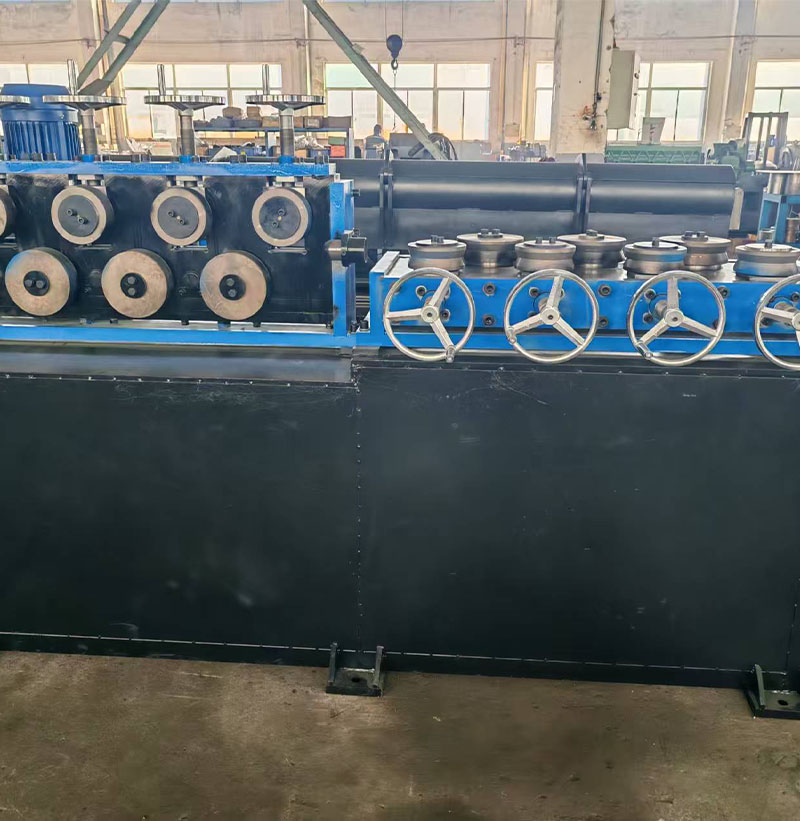
Horizontal and vertical straightening machine
Release the handwheel of the multi-roll horizontal and vertical straightening machine to allow the wire coil to pass through the straightening rollers. Tighten the handwheel to the empirically determined position, start the feeding device, and perform repeated straightening trials. Then feed the wire coil to the vertical straightening rollers, following the same procedure as for horizontal straightening. Finally, feed the wire coil to the peeling machine's feeding device.