
ABOUT US
Yantai Yunde Intelligent Technology Co., Ltd. has only 30 years of production experience, has served more than 300 domestic and foreign customers, and has produced more than 2,000 machines.
GET A FREE QUOTE
-
Home

-
Blog
-
Industry Blogs
- How to Select a High-Performance Coil Process Machine for Industrial Scaling?

How to Select a High-Performance Coil Process Machine for Industrial Scaling?
-
author
- 23,April
 author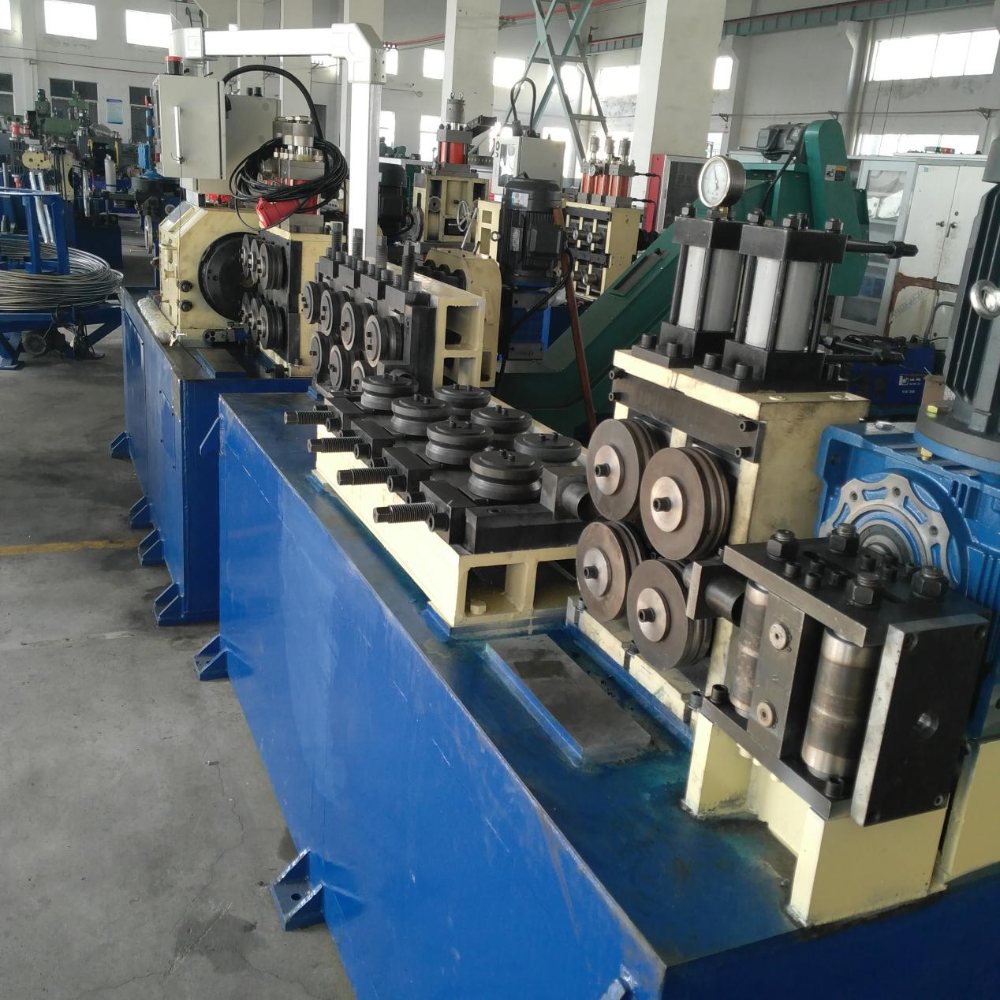
Shifting from usual batch handling to a steady coil production process represents a key change for today’s makers who want large-scale output and better accuracy. In the tough world of bright steel making, picking a focused coil process machine goes beyond a simple improvement in operations. It becomes an essential choice to meet the stringent needs of the global supply network. This guide looks into the detailed technical aspects and key factors for picking equipment to grow your production well.
What defines the modern coil production process in bright steel manufacturing
A modern coil production process combines various cold-working steps into one smooth operation. The process usually starts with uncoiling and initial straightening to ease built-up stresses. Next comes steady drawing and shaping, where the material’s section gets smaller to reach the needed sizes. For makers who require a shiny finish and precise measurements, the material progresses to the peeling stage. Such lines often include a centerless lathe at the end to deliver the last precise surface work. In the end, the material gets cut to the right length and gathered through automatic stacking and bundling setups.
Why choosing the right coil process machine is critical for ROI
Putting money into a strong coil process machine brings clear long-term money gains. These advanced setups work several to ten times better than standard lathe turning.

- Less material loss: One-pass shaping and careful cutting reduce waste.
- Cut running expenses: Current builds stress energy savings and small ongoing costs.
- Steady output quality: Built-in control setups remove mistakes from people in old batch work.
- Higher output volume: Material moves at speeds up to 30 m/min, so makers can boost amounts without matching rises in workers or space.
How to evaluate the technical specifications of a coil process machine

When checking a centerless lathe for sale or a specific peeling device, the tech details need to fit your exact material kinds and output goals. The table below shows the range of specs in various models built for different production sizes.
| Model Selection | Diameter Range (mm) | Feeding Speed (m/min) | Surface Roughness (Ra) | Power (kw) |
| PM20 (Coil to Coil) | Φ5 ~ Φ20 | 1 ~ 30 | ≦1.6 μm | 37 |
| PM40 CNC | Φ6 ~ Φ40 | 1 ~ 18 | ≦1.6 μm | 45 |
More than just the basic figures, the build of the coil process machine matters a lot. Strong units use hydraulic cylinders to power upper and lower holders, making sure they move together and avoid marks on the surface. Plus, adding PLC multi-point control lets you adjust tools while the machine runs, a key sign of leading centerless lathe makers.For a comprehensive look at our full lineup and to find the perfect configuration for your specific production needs, please explore our detailed product pages:Peeling machine.
What to look for in centerless lathe manufacturers
Picking a supplier from many centerless lathe manufacturers calls for a full check of their development skills. Solid providers keep their own R&D teams where experts have more than 20 years of design experience.
- Top industry marks: Leading makers try to meet or beat global standards, like those from Germany’s SMS group.
- Full post-sale help: Seek a 12-month guarantee, ongoing tech aid, and training for your staff on-site or at their plant.
- Worldwide reach: A maker that has sent gear to places like Russia, India, Vietnam, and South Korea shows their equipment’s adaptability and dependability.
- Quality approvals: Make sure the seller follows ISO9001 closely and holds SGS approval to ensure product reliability.
For example, we set up a wire rod peeling production line for a client in Shaanxi province . We also provided high-speed CNC units for big bright steel makers in India. These examples show how mixing centerless lathes and accurate straightening devices can change local making efficiency.
Conclusion
Growing industrial output from old ways to a fast coil production process marks a big shift that brings both accuracy and gains. By picking a solid coil process machine with CNC controls and sturdy builds, makers can get top surface finishes and close size limits. Adding modern peeling tech supports large runs of bright materials that fit the toughest global rules. Working with skilled centerless lathe makers like YUNDE makes sure your plant has the newest ideas and full tech help to stay ahead in the mechanical work field.
FAQ
Q: Why should I choose a YUNDE centerless lathe for high-precision bright coil production?
A: Picking a YUNDE centerless lathe gives you gear made with more than 20 years of development work. Such machines work to remove surface issues like decarburized layers and splits. They also deliver fast output that beats old methods several times. Makers often notice how these tools handle tough jobs with ease.
Q: Where can I find a high-speed centerless lathe for sale with automatic diameter control?
A: Look for a high-speed centerless lathe for sale from focused industrial gear makers. They offer CNC types with PLC multi-point control. These setups enable tool changes while running and tight checks on size through closed loops. Such features boost work accuracy a great deal. Many buyers find these options through direct supplier sites or trade shows. The machines suit shops aiming for steady, reliable runs.
Q: How do centerless lathe manufacturers ensure the stability of the coil production process?
A: Trusted centerless lathe manufacturers build stability with exact bearings and finely made gear systems. They skip old belt drives for these. This setup choice allows higher speeds and better steadiness. Operators value how these parts hold up under long use. The overall line stays smooth from start to finish.
Q: What materials are compatible with a professional coil process machine?
A: A professional coil process machine handles many types well. It works on steel mixes like stainless steel, bearing steel, and carbon steel. It also manages non-steel items such as titanium mixes, copper, and aluminum. This wide range fits fields like car building, plane parts, and hydraulic piece making. Shops in these areas often pick such machines for their flexibility. The output meets needs across various jobs.
Q: How does the coil process machine compare to traditional cold drawing and pickling?
A: The coil process machine acts as an updated choice over the old cold drawing and pickling. It pulls together peeling, straightening, and polishing into one auto line. This setup boosts work speed by 50 percent. It also improves the end surface look and straightness of bright metal items. Users see less downtime and cleaner results overall. The machine fits well in busy plants seeking better flow.
Recent Post

Related Products
Best-selling Products
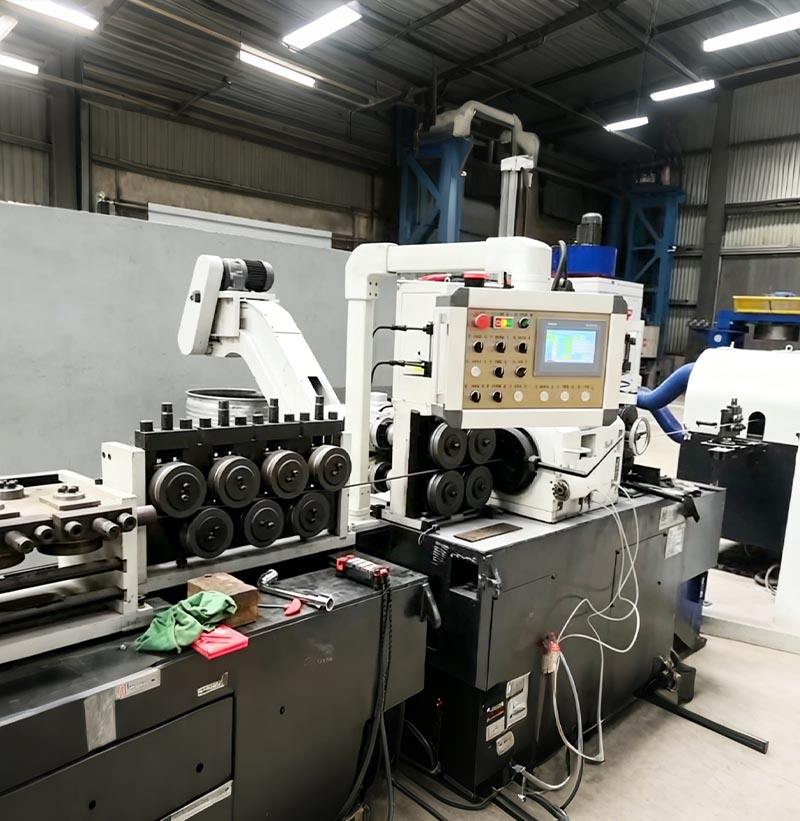
Coil To Bar Peeling&Straightening Line
Stainless steel wire rod is decoiled and pre-straightened, then peeled using a centerless lathe and cut to a precise length. Following a final precision straightening pass through a two-roll straightener, the resulting product is a high-precision stainless steel straight bar.
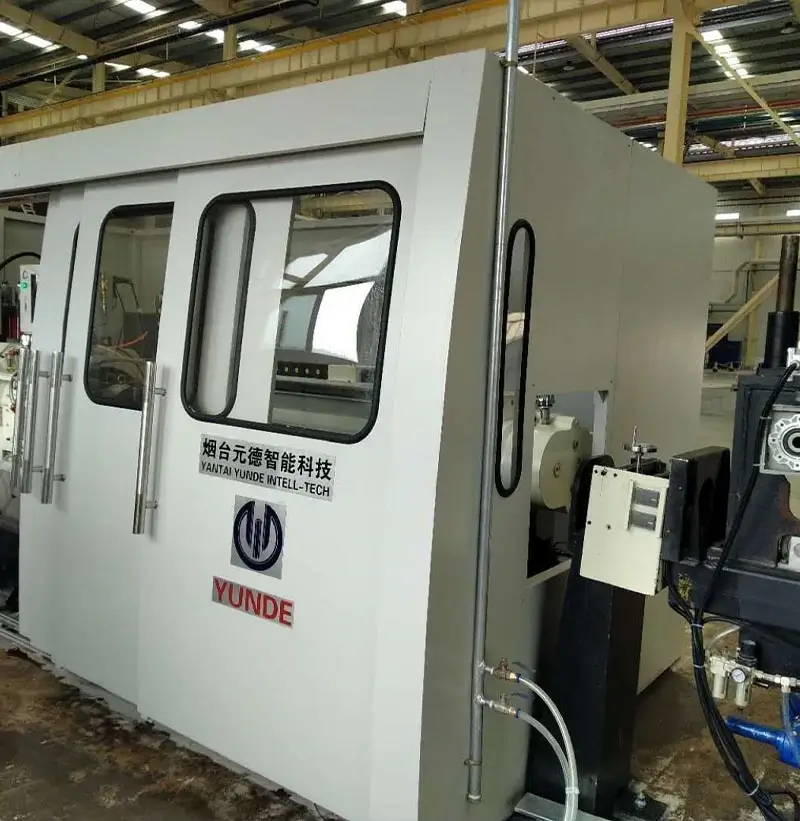
Peeling machine(centerless lathe)
The peeling machine (centerless lathe) unit is a product independently developed after comparing and contrasting the advantages of similar foreign products and combining them with the production characteristics of domestic enterprises, resulting in a simplified and optimized design.
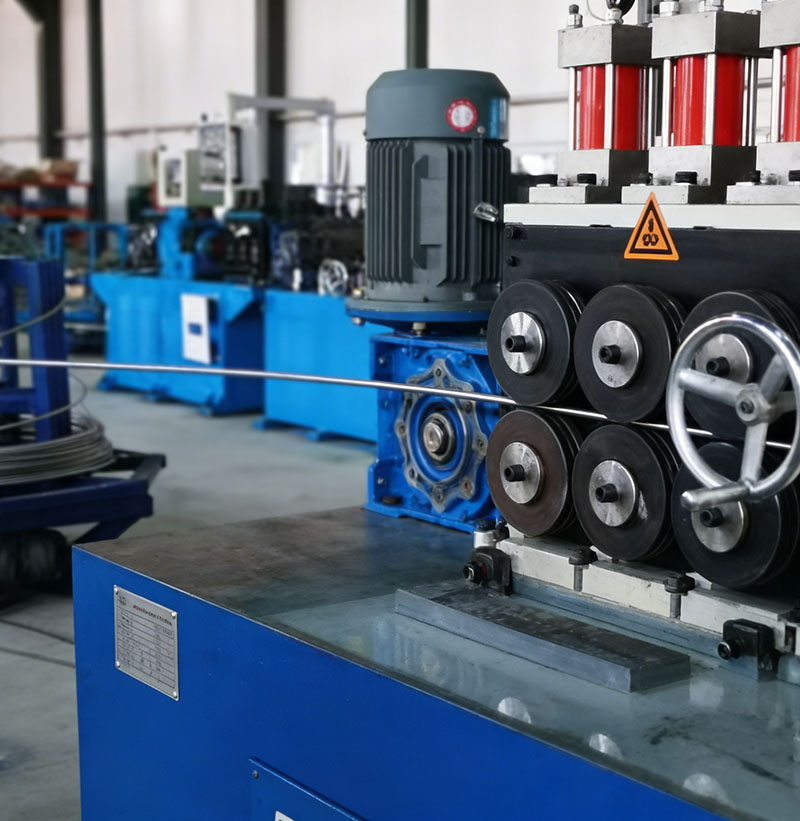
Coil to coil production line
Coil to coil production line is a serial of the machines includes payoff & straightening machine, peeling machine, clamping mechanism, pre-bending device, recoiler machine etc. through above machines, the black coil rod will be processed to bright coil rod with good surface quality
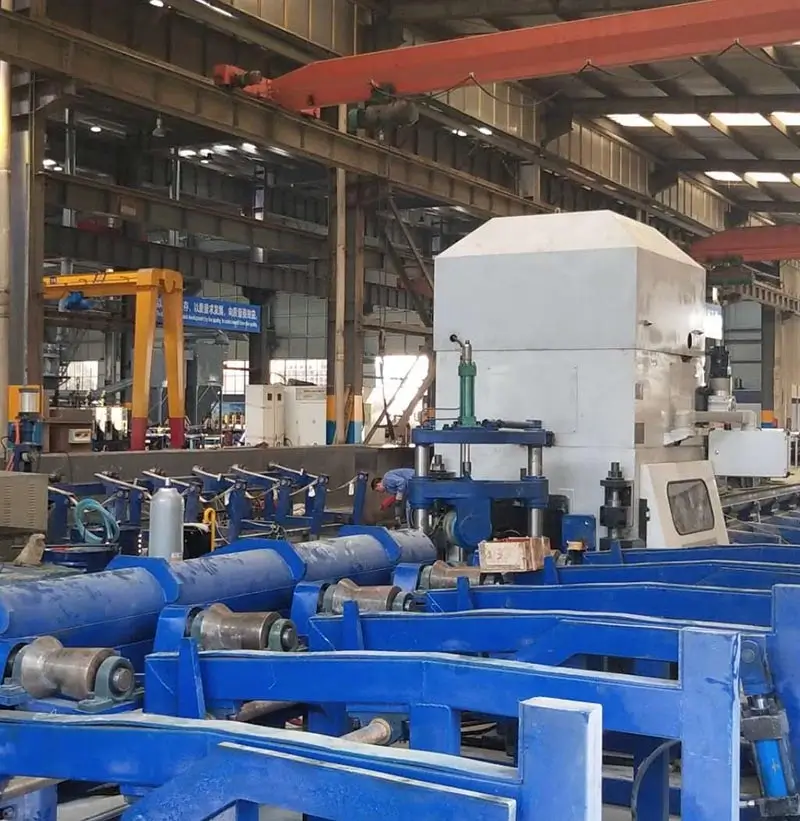
Straightening machine BS Series
A straightening machine is a device used to straighten metal profiles, bars, tubes, and wires. The straightening machine uses straightening rollers to compress the material, altering its straightness. Generally, there are two rows of straightening rollers, with varying numbers of rollers. There are also two-roller straightening machines, which rely on the angle change of two rollers (with a concave, hyperbolic shape) to straighten materials of different diameters.
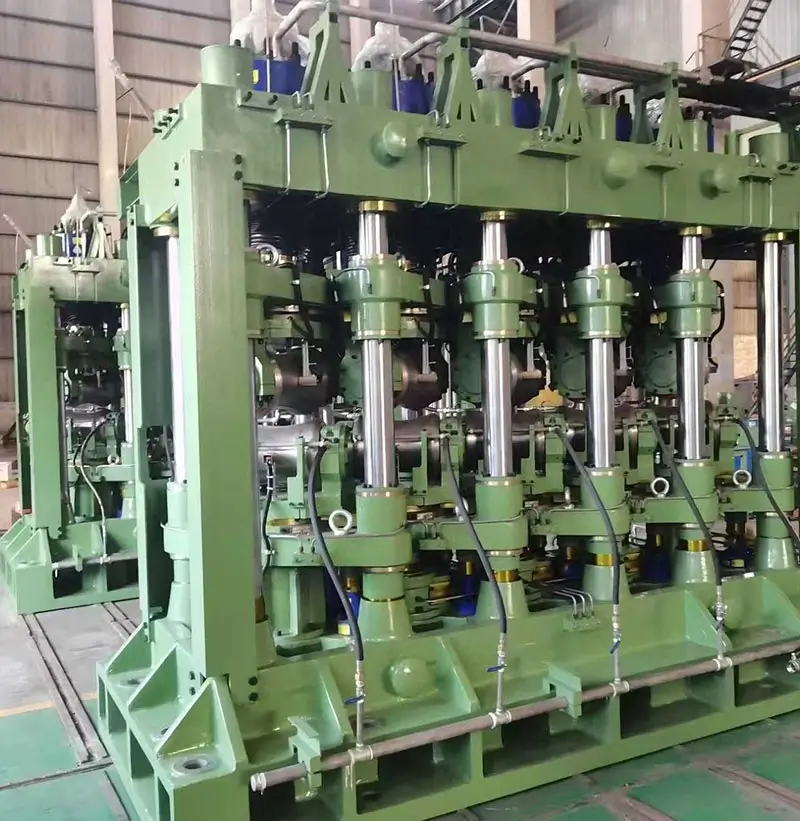
Multi-Roll Steel Pipe Straightening Machine
It is a mechanical device used to straighten the curvature and ovality of steel pipes. It is used to straighten pipes made of high alloy, corrosion-resistant, heat-resistant, heat-resistant steel and alloy, iron-nickel, nickel and titanium alloys , so as to reduce longitudinal non-straightness and cross-sectional non-roundness.
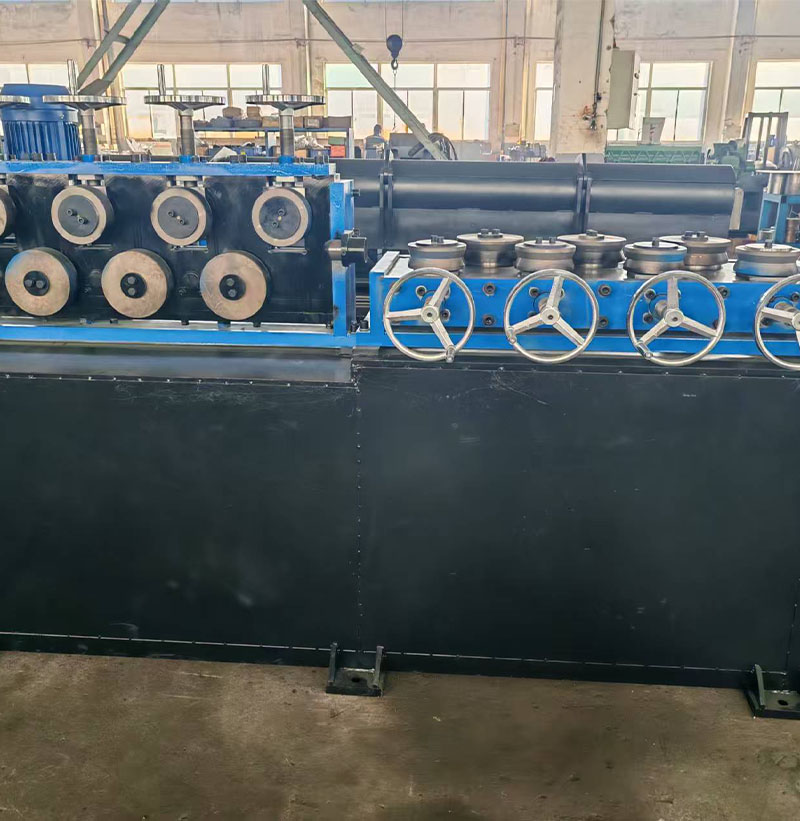
Horizontal and vertical straightening machine
Release the handwheel of the multi-roll horizontal and vertical straightening machine to allow the wire coil to pass through the straightening rollers. Tighten the handwheel to the empirically determined position, start the feeding device, and perform repeated straightening trials. Then feed the wire coil to the vertical straightening rollers, following the same procedure as for horizontal straightening. Finally, feed the wire coil to the peeling machine's feeding device.