
ABOUT US
Yantai Yunde Intelligent Technology Co., Ltd. has only 30 years of production experience, has served more than 300 domestic and foreign customers, and has produced more than 2,000 machines.
GET A FREE QUOTE
-
Home

-
Blog
-
Industry Blogs
- How Steel Bar Peeling Machines Ensure the Precision and Durability of Automotive and Hydraulic Components

How Steel Bar Peeling Machines Ensure the Precision and Durability of Automotive and Hydraulic Components
-
author
- 16,April
 author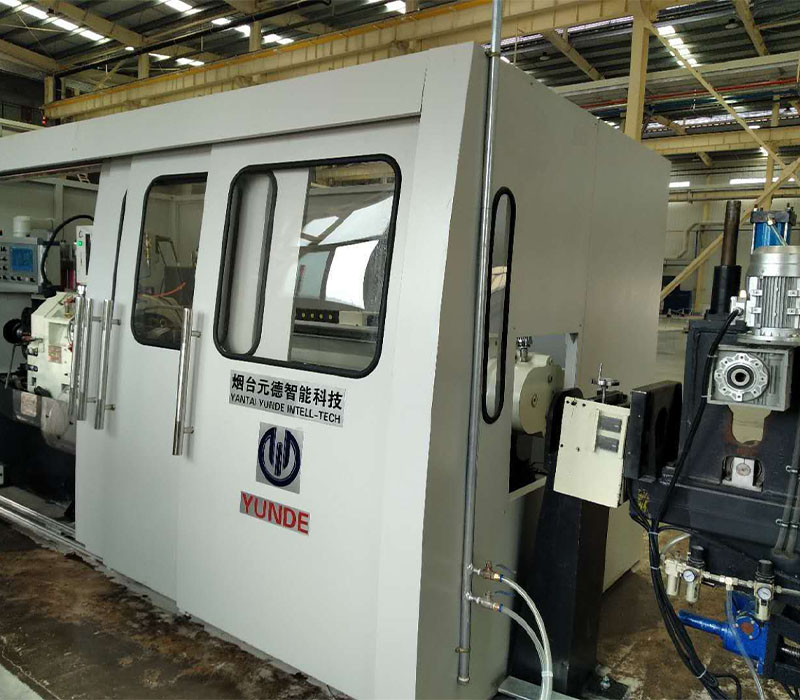
The worldwide production scene shifts steadily toward uses for “bright steel.” In seeking strong materials, the steel bar peeling machine stands out as key equipment for car and fluid power fields. It takes over from old, hands-on methods such as cold pulling or coarse sanding. A peeling machine for steel bar delivers a faster, exact way to make the smooth, shiny bars needed in current designs.
Understanding the Role of a Peeling Machine for Steel Bar
A steel bar peeling machine works as a focused tool-less lathe. It shapes the outside layer of metal rods, pipes, and thin rods. These setups use a fast-turning cutting tool. The item moves straight through the device. Such a setup clears out outer flaws quickly. It handles rust coatings, carbon-loss layers, and tiny splits. These issues appear in heated-rolled starting materials.
The method of bar peeling plays a vital part in making exact shiny metal items. Current devices use computer controls and smart point management. They let workers adjust tools right on the line. Production keeps going. This holds steady watch over the item’s width.
Why Bar Peeling is Critical for the Automotive Industry
Car production demands parts that last without fail. Items like gear shafts, motor valves, and shock absorbers face heavy wear and load.
- Surface Integrity: A peeling machine for steel bar clears outer splits. These could gather strain and cause early breakdowns.
- Material Versatility: These tools handle many types of car-ready metals. That includes rust-proof steel, load-bearing steel, and quick-cut tool steel.
- Precision for Slender Shafts: The method fits well for very long round steel. It keeps even the longest power shafts within steady size limits.
- Lightweight Support: Handling tough mixes like titanium and aluminum aids the move to lighter, gas-saving builds.
How Steel Bar Peeling Machines Enhance Hydraulic and Pneumatic Systems
Fluid and air parts need a fine outer layer to hold tight seals against air and water. The bar peeling step starts the path to a smooth, reflective look on top fluid cylinder bars.

- Leakage Prevention: Reaching a rough outer level of Ra≦6μm,the steel bar peeling machine makes sure seals stay firm under strong pressure.
- Consistent Diameter: Spot-on width handling within IT8 limits lets pistons and cylinders fit together without gaps.
- Efficiency in Production: This approach works several times quicker than old ways. Fluid makers can grow output fast.
Technical Specifications and Performance Metrics
To fit different factory needs, peeling machine for steel bar comes in several sizes. This chart shows main tech details from the YUNDE range:

| Model | Diameter Range(mm) | Length (m) | Speed(m/min) | Cutting Depth(single side mm) | Diameter Tolerance | Surface Roughness (μm) | Main Motor (KW) | Remark |
| PM25 | Φ6–25 | ≥1.2 | 1~30 | 0.25~1 | ≤IT8 | Ra≤1.6 | 22 | Fully-auto CNC Semi-auto |
| PM40 | Φ6–40 | ≥1.4 | 1~18 | 0.25~1.5 | ≤IT8 | Ra≤1.6 | 45 | Fully-auto CNC Semi-auto |
| PM60 | Φ12–65 | ≥2.2 | 1~15 | 0.3~2.5 | ≤IT8 | Ra≤1.6 | 55 | Fully-auto CNC Semi-auto |
| PM80 | Φ15-80 | ≥2.2 | 1~15 | 0.5~2.5 | ≤IT8 | Ra≤1.6 | 75 | Fully-auto CNC Semi-auto |
| PM100 | Φ20-100 | ≥2.5 | 1~12 | 1.0~4.0 | ≤IT8 | Ra≤1.6 | 90 | Fully-auto CNC Semi-auto |
| PM130 | Φ35-130 | ≥2.8 | 1~8 | 1.0~5.0 | ≤IT8 | Ra≤1.6 | 110 | Fully-auto CNC Semi-auto |
| PM160 | Φ40-160 | ≥4 | 1~6 | 1.0~5.0 | ≤IT8 | Ra≤1.6 | 132 | Fully-auto CNC Semi-auto |
| PM200 | Φ80-200 | ≥4 | 1~5 | 1.0~5.0 | ≤IT8 | Ra≤1.6 | 160 | Fully-auto CNC Semi-auto |
| PM250 | Φ85-250 | ≥4 | 1~4 | 1.0~5.0 | ≤IT8 | Ra≤1.6 | 200 | Fully-auto CNC Semi-auto |
| PM350 | Φ150-350 | ≥4.5 | 0.2~2 | 1.0~10.0 | ≤IT8 | Ra≤1.6 | 200 | Fully-auto CNC Semi-auto |
Pull-out parts in these setups use a cart frame with exact ball tracks. They match the motion and ease bar release. This avoids the dents seen in past gear.
How to Ensure Maximum Accuracy During Installation
An exact steel bar peeling machine needs careful setup to keep steady work and cutting tool length. From on-site work, leveling the base side to side matters most.
- Tooling: Pick fine bubble levels with at least 0.02 mm/m exactness.
- Longitudinal Calibration: Along the work path, shifts should stay under 0.05 mm/m.
- Transverse Calibration: Transverse horizontal alignment requires stricter tolerances, typically≦03 mm/m, to prevent tool vibration.
- Thermal Stability: Check the last setup after the device warms up steady. That takes about 2 to 4 hours.
Advantages of Integrated Finishing Lines
For best returns, many plants pair the peeling machine for steel bar with follow-on tools. They build hands-free output chains.
- Comprehensive Processing: A full chain handles rough aligning, peeling, and fine aligning in one smooth flow.
- Reduced Handling: Auto unrolling and length-cutting setups cut worker costs. They also limit harm to stock from hand moves.
- Localized Excellence: Our YUNDE group built tools that equal top foreign levels. They reach full local making of fine tool-less lathe setups.
Real-World Performance and Case Success
We witness the strong impact of bar peeling across many world areas. Take a big Indian shiny steel plant. It added our PM40S fast computer steel bar peeling machine. The test phase went well. Now it boosts their making of exact bars.
At home, we helped a Shaanxi client set up a rod peeling line. It joins unrolling, peeling, and aligning into one easy run for their bright stock making. These examples show that auto bar peeling sets the mark for quality in machine work fields.
Conclusion
The growth of the steel bar peeling machine changes metal smoothing for car and fluid areas. It focuses on exactness, outer strength, and auto speed. This gear acts as core support for plants aiming high in a tough world trade. It works for rust-proof steel in valve parts or titanium mixes in air-space fluid setups. The proper peeling machine for steel bar gives the tech backing to hit the toughest quality rules.
FAQ
Q: What materials can a YUNDE steel bar peeling machine process?
A: A YUNDE steel bar peeling machine handles all usual steel types. That covers rust-proof steel, load-bearing steel, coil steel, and work steel. It also manages non-iron metals well. Examples include copper, aluminum, magnesium, and titanium mixes.
Q: How does bar peeling compare to traditional cold drawing?
A: Bar peeling steps up from old cold pulling and cleaning steps. Cold pulling alters stock traits with pull force. Yet a steel bar peeling machine strips away outer flaws and rust covers. It gives a finer outer shine (Ra≦1.6μm). Size holds better too. No chemicals needed for cleaning.
Q: What is the maximum processing speed for a peeling machine for steel bar?
A: Feed rate varies by stock width and type. Small setups like the PM20 hit up to 30 m/min. Bigger work units like the PM100 run at about 1 to 12 m/min. The full line runs on auto to keep steady fast results.
Q: Does a steel bar peeling machine leave indentations on the processed material?
A: Old lathes left marks on the outside often. New YUNDE units use a cart pull system. It has fluid grips and fine ball paths. The build matches spin motion. Shaped bars come out mark-free with a top outer layer.
Q: What after-sales support is available for bar peeling equipment?
A: Full help matters for fine tools. We offer a 12-month no-cost cover, ongoing tech aid, and fast replies in 24 hours. Our techs provide out-of-country work too. That includes setup guides, tool start-up, and worker lessons at your site.
Recent Post

Related Products
Best-selling Products
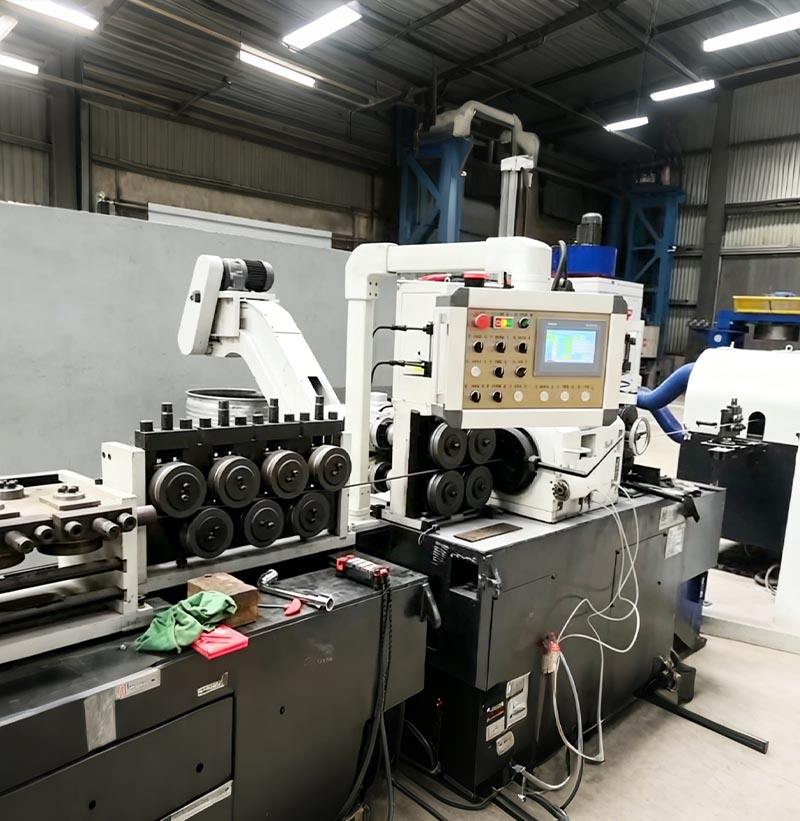
Coil To Bar Peeling&Straightening Line
Stainless steel wire rod is decoiled and pre-straightened, then peeled using a centerless lathe and cut to a precise length. Following a final precision straightening pass through a two-roll straightener, the resulting product is a high-precision stainless steel straight bar.
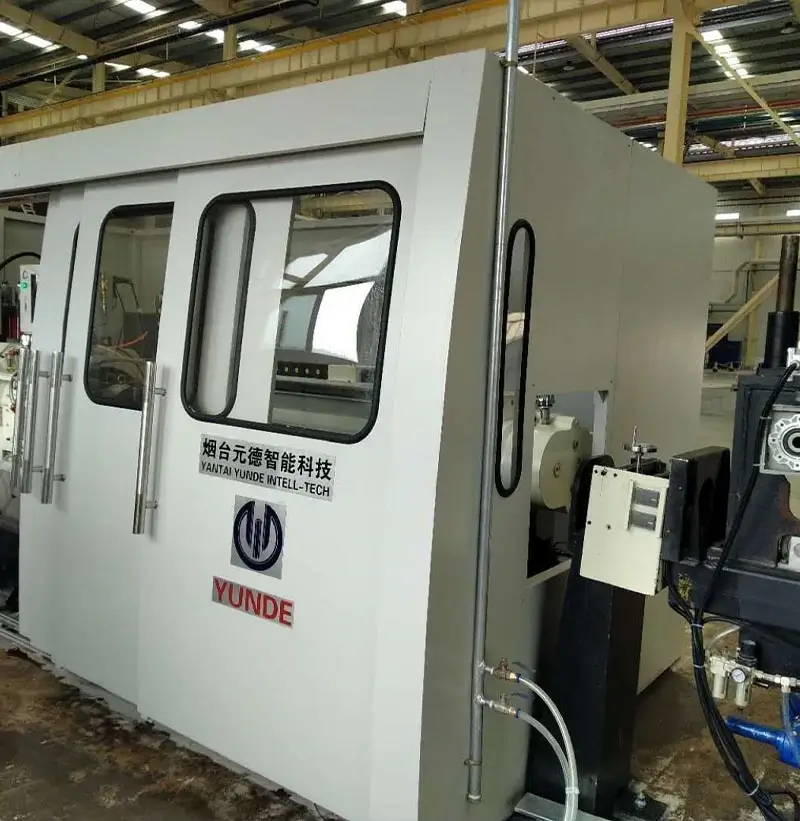
Peeling machine(centerless lathe)
The peeling machine (centerless lathe) unit is a product independently developed after comparing and contrasting the advantages of similar foreign products and combining them with the production characteristics of domestic enterprises, resulting in a simplified and optimized design.
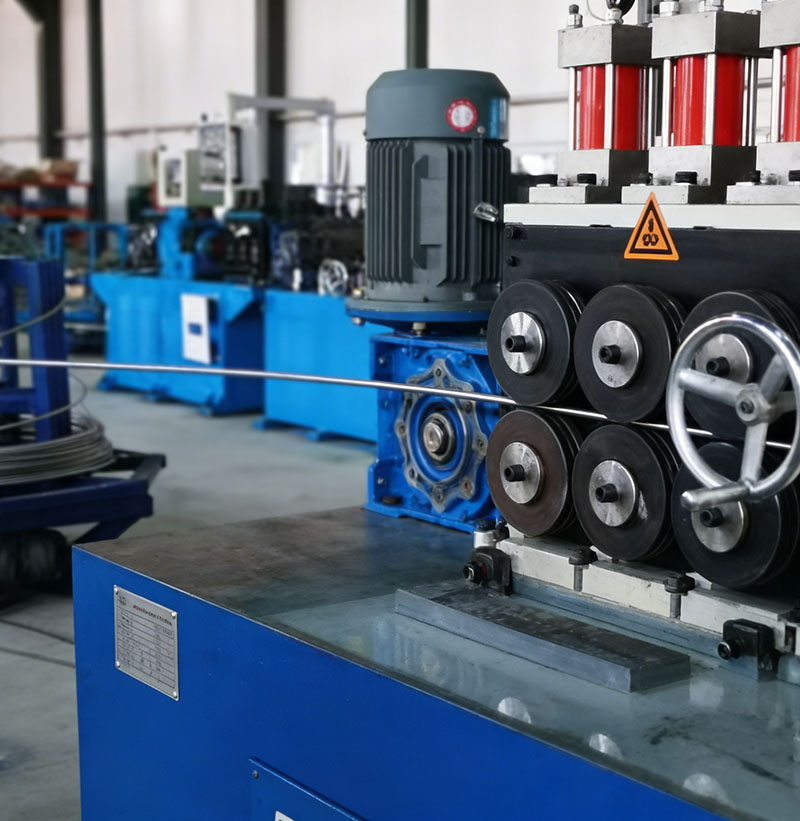
Coil to coil production line
Coil to coil production line is a serial of the machines includes payoff & straightening machine, peeling machine, clamping mechanism, pre-bending device, recoiler machine etc. through above machines, the black coil rod will be processed to bright coil rod with good surface quality
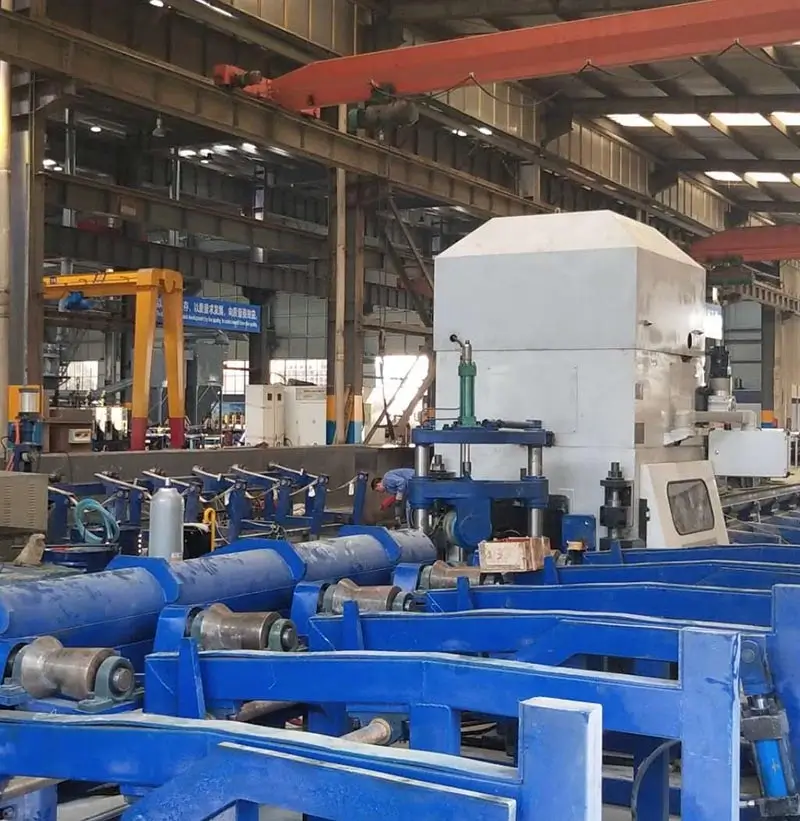
Straightening machine BS Series
A straightening machine is a device used to straighten metal profiles, bars, tubes, and wires. The straightening machine uses straightening rollers to compress the material, altering its straightness. Generally, there are two rows of straightening rollers, with varying numbers of rollers. There are also two-roller straightening machines, which rely on the angle change of two rollers (with a concave, hyperbolic shape) to straighten materials of different diameters.
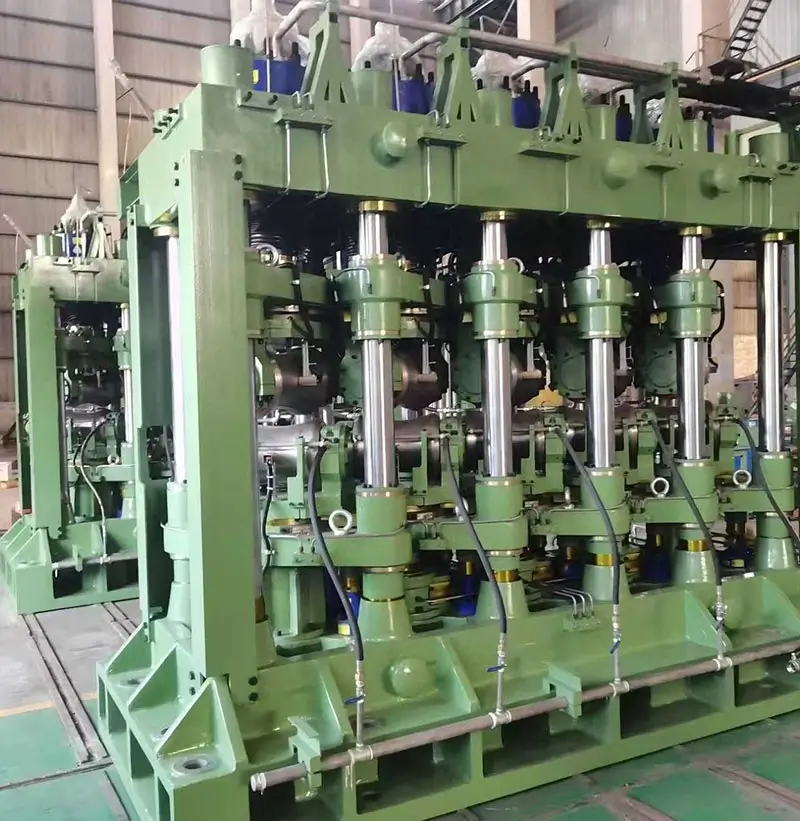
Multi-Roll Steel Pipe Straightening Machine
It is a mechanical device used to straighten the curvature and ovality of steel pipes. It is used to straighten pipes made of high alloy, corrosion-resistant, heat-resistant, heat-resistant steel and alloy, iron-nickel, nickel and titanium alloys , so as to reduce longitudinal non-straightness and cross-sectional non-roundness.
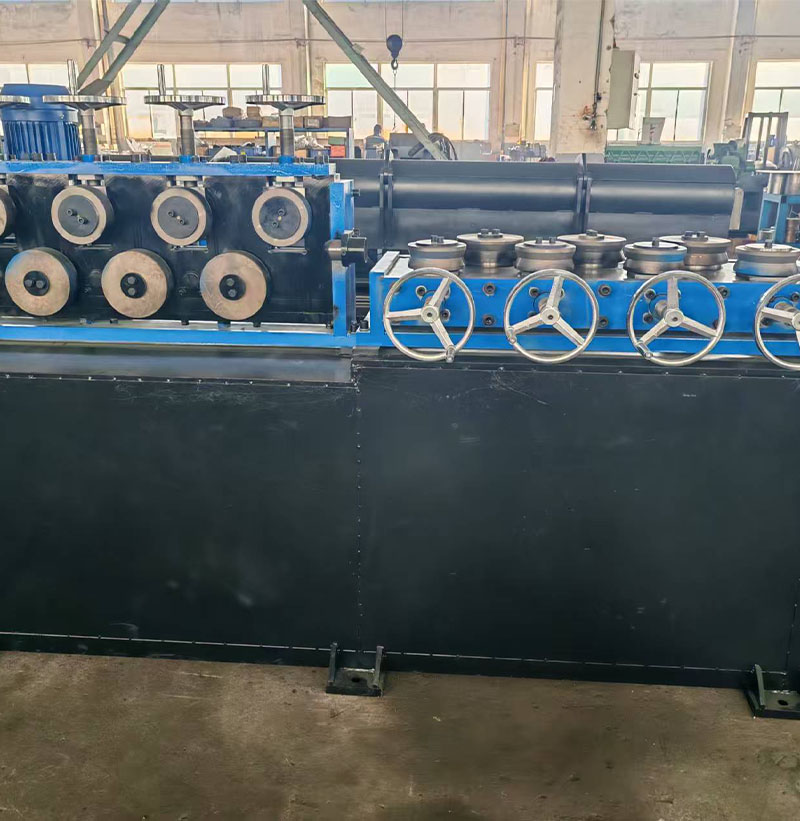
Horizontal and vertical straightening machine
Release the handwheel of the multi-roll horizontal and vertical straightening machine to allow the wire coil to pass through the straightening rollers. Tighten the handwheel to the empirically determined position, start the feeding device, and perform repeated straightening trials. Then feed the wire coil to the vertical straightening rollers, following the same procedure as for horizontal straightening. Finally, feed the wire coil to the peeling machine's feeding device.