
معلومات عنا
شركة يانتاي يوندي للتكنولوجيا الذكية المحدودة لديها 30 عامًا فقط من الخبرة في الإنتاج، وقد خدمت أكثر من 300 عميل محلي وأجنبي، وأنتجت أكثر من 2000 آلة.
احصل على عرض سعر مجاني
-
بيت

-
مدونة
-
مدونات الصناعة
- How to Reduce Material Waste in Steel Bar Peeling

How to Reduce Material Waste in Steel Bar Peeling
-
مؤلف
- 10,سبتمبر
 مؤلف
مؤلف 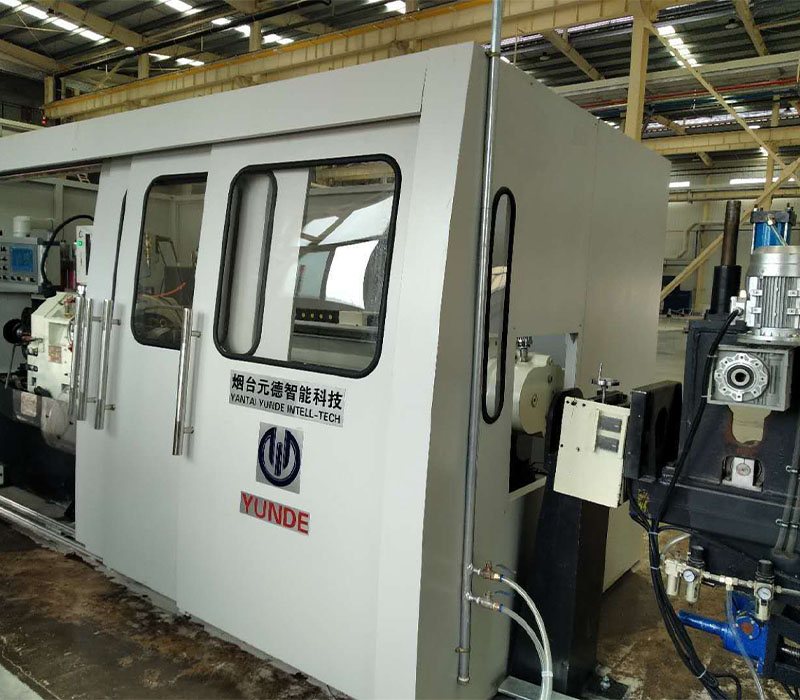
Material loss in bar peeling is often blamed on the cutting head, yet the costly waste usually begins earlier: an uncertain incoming diameter, an allowance set without sample checks, or a tool left in service after the cut has drifted. For a production manager, the useful goal is not the smallest possible cut. It is the smallest controlled removal that still delivers a clean, usable bar.
Where avoidable metal loss begins
Peeling removes a continuous outer layer, so every unnecessary fraction of a millimetre is carried through the entire bar length. That makes allowance discipline more valuable than a late attempt to recover chips. The process should remove scale, decarburized material, and surface defects without turning sound metal into a hidden cost.
Necessary removal versus a safety margin
A bar described as machine turned and peeled is expected to have a consistent finished surface, but consistency does not require a generous allowance on every batch. The planned cut should cover the worst verified condition in the lot, not an assumed defect depth. When raw stock varies widely, separating it into practical condition bands is safer than applying one heavy setting to all bars.
Incoming condition sets the real allowance
A stable waste-reduction plan starts with the bar before it enters the machine. Diameter spread, ovality, straightness, surface scale, defect depth, hardness, and end condition all affect whether the selected cut can remain both safe and economical. A nominal diameter alone cannot describe the material that the cutting tool will actually meet.
*Measure several bars from the lot, including the largest and most visibly affected pieces.
*Record the target finished diameter before setting single-side cutting depth.
*Separate bars with exceptional scale, bends, or local damage for a different setup.
*Check chamfering and end faces so entry and withdrawal stay stable.
*Keep the trial-bar record with the batch instead of relying on a previous setting.
Trial cuts reveal the useful process window
A short trial creates a defensible starting point for a آلة تقشير قضبان الصلب. Measure the trial diameter and surface roughness, then inspect whether the original defects are gone. If a result is acceptable at a lower removal setting, retain that setting and monitor it rather than automatically adding a buffer for the full run.

Machine range defines the practical waste floor
The selected model must cover the actual bar size, length, and required removal range. A machine operating within its intended window gives the operator room to tune the process rather than forcing an aggressive compromise. YUNDE’s PM series below offers fully automatic CNC or semi-automatic configurations, with the same stated diameter tolerance and surface roughness target across the range.
| نموذج | Diameter mm | Length m | Speed m/min | Cut depth mm/side | Tolerance | Surface roughness μm | Motor kW | Configuration |
| PM25 | Φ6–25 | ≥1.2 | 1–30 | 0.25–1 | ≤IT8 | Ra≤1.6 | 22 | نظام تحكم رقمي أوتوماتيكي بالكامل / نظام تحكم رقمي شبه أوتوماتيكي |
| PM40 | Φ6–40 | ≥1.4 | 1-18 | 0.25–1.5 | ≤IT8 | Ra≤1.6 | 45 | نظام تحكم رقمي أوتوماتيكي بالكامل / نظام تحكم رقمي شبه أوتوماتيكي |
| PM60 | Φ12–65 | ≥2.2 | 1-15 | 0.3–2.5 | ≤IT8 | Ra≤1.6 | 55 | نظام تحكم رقمي أوتوماتيكي بالكامل / نظام تحكم رقمي شبه أوتوماتيكي |
| PM80 | Φ15–80 | ≥2.2 | 1-15 | 0.5–2.5 | ≤IT8 | Ra≤1.6 | 75 | نظام تحكم رقمي أوتوماتيكي بالكامل / نظام تحكم رقمي شبه أوتوماتيكي |
| PM100 | Φ20–100 | ≥2.5 | 1-12 | 1-4 | ≤IT8 | Ra≤1.6 | 90 | نظام تحكم رقمي أوتوماتيكي بالكامل / نظام تحكم رقمي شبه أوتوماتيكي |
| PM130 | Φ35–130 | ≥2.8 | 1-8 | 1-5 | ≤IT8 | Ra≤1.6 | 110 | نظام تحكم رقمي أوتوماتيكي بالكامل / نظام تحكم رقمي شبه أوتوماتيكي |
| PM160 | Φ40–160 | ≥4 | 1-6 | 1-5 | ≤IT8 | Ra≤1.6 | 132 | نظام تحكم رقمي أوتوماتيكي بالكامل / نظام تحكم رقمي شبه أوتوماتيكي |
| PM200 | Φ80–200 | ≥4 | 1-5 | 1-5 | ≤IT8 | Ra≤1.6 | 160 | نظام تحكم رقمي أوتوماتيكي بالكامل / نظام تحكم رقمي شبه أوتوماتيكي |
| PM250 | Φ85–250 | ≥4 | 1-4 | 1-5 | ≤IT8 | Ra≤1.6 | 200 | نظام تحكم رقمي أوتوماتيكي بالكامل / نظام تحكم رقمي شبه أوتوماتيكي |
| PM350 | Φ150–350 | ≥4.5 | 0.2–2 | 1–10 | ≤IT8 | Ra≤1.6 | 200 | نظام تحكم رقمي أوتوماتيكي بالكامل / نظام تحكم رقمي شبه أوتوماتيكي |
A repeatable control loop protects yield
Once a lot is running, a آلة تقشير القضبان المستديرة should be managed as a measured loop, not a set-and-forget operation. Confirm the first pieces, recheck at planned intervals, and compare diameter, surface roughness, tool condition, and chip form with the trial record. A small correction made early prevents a long run of over-cut bars.
Tool condition appears first in the output
Tool wear can quietly increase cutting load, disturb the finish, and tempt an operator to compensate with deeper removal. That is why checks should follow output signals, not only elapsed time. A آلة تقشير القضبان with online electric tool adjustment can make controlled corrections during production, while scheduled inspection keeps adjustment from becoming a substitute for timely tool service.
Tool life and handling complete the waste picture
Tool choice, support, and chip handling influence yield because an unstable cut can damage an otherwise usable bar. Match the cutting tool to the material and planned depth, keep guides and clamping surfaces clean, and remove abnormal pieces before they pass through the full process. Finished handling matters as well: dents after peeling can turn a conforming peeled steel bar into scrap.

Summary
Material waste falls when removal is treated as a verified allowance rather than a precautionary maximum. Inspect incoming stock, prove the setting on a trial bar, use a model that fits the diameter and cut range, and keep checks tied to the output. Those habits preserve sound metal while still delivering the clean surface and dimensional control that downstream machining needs.
If your batches show large variation in diameter or surface condition, talk with our technical team about a trial-based peeling setup for the target finished bar.
التعليمات
How does cutting depth affect material waste in bar peeling?
Cutting depth directly determines how much outer material is removed from every bar. Use the lowest verified single-side setting that removes the required defects and still reaches the target finished diameter.
Can one setting be used for every bar in a delivery?
One setting is suitable only when incoming dimensions and surface condition are genuinely consistent. Lots with clear variation should be sampled and, where useful, separated into practical process groups.
Why should a trial bar be measured before full production?
A trial bar confirms that the planned removal achieves the required diameter and surface roughness on the actual stock. It also exposes entry, clamping, or tool issues before they create a long run of loss.
Does faster processing always reduce waste?
Higher speed can improve throughput, but it does not automatically improve yield. The best production rate is the rate that holds a stable cut, controlled surface roughness, and reliable output checks.
Which production records help reduce repeat waste?
Keep the material condition, trial dimensions, cutting depth, speed, tool condition, and inspection results with each batch. Those records make the next setup more precise without copying assumptions from a different lot.
منشور حديث





المنتجات ذات الصلة
المنتجات الأكثر مبيعاً

تقشير اللفائف إلى القضبان - خط التمليس
يتم فك لفائف سلك الفولاذ المقاوم للصدأ وتقويمه مبدئيًا، ثم يُقشر باستخدام مخرطة بدون مركز ويُقطع إلى طول دقيق. بعد عملية تقويم نهائية دقيقة باستخدام جهاز تقويم ثنائي الأسطوانات، يكون المنتج النهائي عبارة عن قضيب مستقيم عالي الدقة من الفولاذ المقاوم للصدأ.

آلة تقشير (مخرطة بدون مركز)
وحدة آلة التقشير (المخرطة بدون مركز) هي منتج تم تطويره بشكل مستقل بعد مقارنة مزايا المنتجات الأجنبية المماثلة ودمجها مع خصائص الإنتاج للمؤسسات المحلية، مما أدى إلى تصميم مبسط ومحسن.

خط إنتاج اللفائف
خط إنتاج اللفائف عبارة عن سلسلة من الآلات تشمل آلة فك وتقويم، وآلة تقشير، وآلية تثبيت، وجهاز ثني مسبق، وآلة إعادة لف، وغيرها. من خلال هذه الآلات، تتم معالجة قضيب اللفائف الأسود ليصبح قضيب لفائف لامعًا ذو جودة سطحية عالية.

ماكينة فرد الشعر من سلسلة BS
آلة تقويم المعادن هي جهاز يُستخدم لتقويم القطاعات المعدنية، والقضبان، والأنابيب، والأسلاك. تستخدم هذه الآلة بكرات تقويم لضغط المادة، مما يُغير استقامتها. عادةً، تتكون آلة التقويم من صفين من بكرات التقويم، بأعداد متفاوتة. كما توجد آلات تقويم ثنائية البكرات، تعتمد على تغيير زاوية بكرتين (ذات شكل مقعر زائدي) لتقويم مواد ذات أقطار مختلفة.

ماكينة تقويم الأنابيب الفولاذية متعددة البكرات
هو جهاز ميكانيكي يُستخدم لتقويم انحناءات الأنابيب الفولاذية وتصحيح شكلها البيضاوي. يُستخدم لتقويم الأنابيب المصنوعة من الفولاذ عالي السبائك، والفولاذ المقاوم للتآكل، والفولاذ المقاوم للحرارة، والسبائك الحديدية والنيكل، وسبائك النيكل والتيتانيوم، وذلك لتقليل عدم استقامة الأنابيب في طولها وعدم استدارتها في مقطعها العرضي.

آلة تقويم أفقية ورأسية
حرر عجلة اليد الخاصة بآلة فرد الأسلاك متعددة البكرات الأفقية والرأسية للسماح بمرور لفة السلك عبر بكرات الفرد. أحكم ربط عجلة اليد في الوضع المحدد تجريبياً، وشغّل جهاز التغذية، وكرر عملية الفرد عدة مرات. ثم أدخل لفة السلك إلى بكرات الفرد الرأسية، باتباع نفس الإجراء المتبع في الفرد الأفقي. وأخيراً، أدخل لفة السلك إلى جهاز التغذية الخاص بآلة التقشير.


