
ABOUT US
Yantai Yunde Intelligent Technology Co., Ltd. has only 30 years of production experience, has served more than 300 domestic and foreign customers, and has produced more than 2,000 machines.
GET A FREE QUOTE
-
Home

-
Blog
-
Industry Blogs
- How Horizontal And Vertical Straightening Machines Solve Metal Wire Processing Challenges
How Horizontal And Vertical Straightening Machines Solve Metal Wire Processing Challenges
-
 author
 - 11,June
Introduction
In modern metalworking, reaching exact straightness in metal wires, bars, and tubes stands as a key need for efficient manufacturing. horizontal and vertical straightening machines have become essential tools. They work especially well for coil wire straightening. These machines help manufacturers achieve tight tolerances. They also keep excellent surface quality. Among horizontal and vertical straightening machine brands, YUNDE stands out because of its modern designs, high level of automation, and strong performance in industrial metal wire straightening processes. The machines handle high-strength alloys. They manage many different diameters. They support various production lengths. As a result, these machines give manufacturers steady accuracy and better workflow efficiency.
Horizontal and vertical straightening machines address several important tasks in metal processing. They correct bends in the material. They prepare items for later steps. Manufacturers rely on them to reduce waste and improve output. The equipment from YUNDE combines solid construction with smart controls. This combination supports continuous operation in demanding environments.
What Is a Horizontal and Vertical Straightening Machine and Why Is It Essential
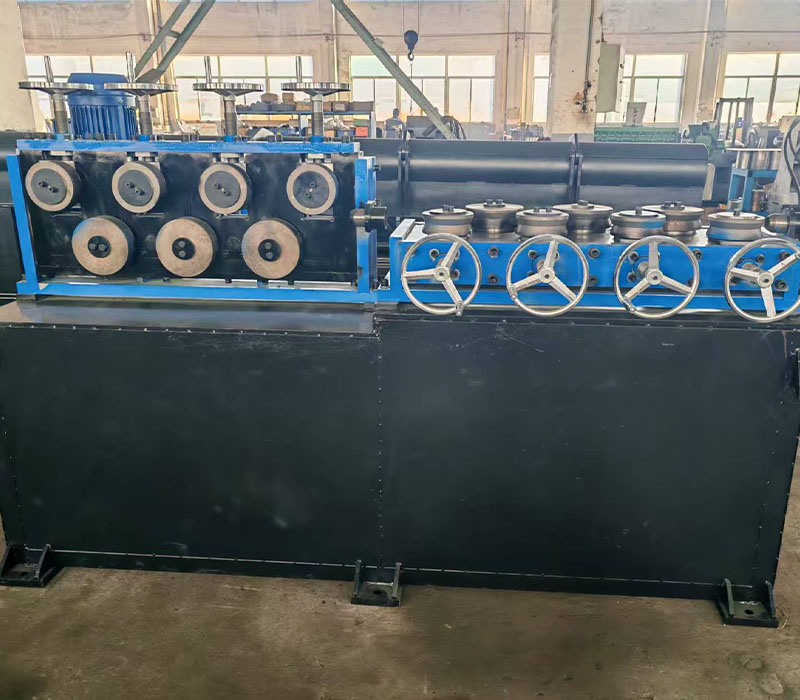
A horizontal and vertical straightening machine corrects the curvature found in metal profiles and wires. These machines differ from vertical or two-roller designs. They use several horizontal rollers instead. The rollers press the material step by step. This action keeps leftover deformation to a minimum. The gantry and frame structures provide necessary rigidity. Such strength matters a great deal when the work involves tough materials like stainless steel, spring steel, and titanium alloys. The overall design supports both coil wire straightening and the straightening of bar stock. This makes the equipment a flexible choice for many production lines.
The main purpose of a horizontal and vertical straightening machine is to ready metal for later operations. Straightening metal wires reduces material scrap. It stops problems in automatic feeding systems. It also raises the efficiency of cutting, machining, and drawing steps. Coil wire straightening creates better uniformity. This feature proves vital for uses that require high surface quality and accurate tolerances.
Why Do Metal Wires Require Straightening Before Further Processing
Metal wires come from coiled stock. They carry built-in stress and curvature from the rolling and spooling stages. If these issues remain uncorrected, they harm machining accuracy. They lower feeding efficiency. They also reduce final product quality. Horizontal and vertical straightening machines tackle these difficulties. They apply measured compression and exact alignment. This delivers steady straightness over the entire length of the wire.
The value of metal wire straightening grows even clearer in automated production lines. Residual curvature in wires can induce tool wear and compromise downstream machining accuracy. They may throw off threading operations. They can also upset assembly processes. For coil wire straightening, straightness tolerances reach as close as 0.10–0.40 mm/m. Surface finishes stay below Ra 0.8–1.6 μm. These limits depend on the material and the specific use. By straightening wires ahead of time, manufacturers raise operational efficiency. They lower scrap rates. They make sure downstream processes run without interruption.
How Horizontal and Vertical Straightening Machines Operate
The operation of a horizontal and vertical straightening machine centers on its multi-stage roller system. Concave and convex rollers sit in a horizontal arrangement. They remove curvature in gradual steps. At the same time, they protect the material from surface marks. The frame supplies rigidity. Hydraulic systems allow careful pressure control. Advanced models, like the YUNDE PM series, include PLC-based controls. These controls support automatic adjustments for material diameter. They maintain consistent straightening without stopping production.
The process starts when wire or bar stock enters the machine. Pre-straightening eases residual stresses first. Staged compression follows to fix the curvature. Integrated sensors keep watch on diameter and surface quality. They enable closed-loop adjustments. In coil wire straightening applications, the machine changes coiled stock into straight bars. The finished pieces show uniform diameter and outstanding surface finish. They become ready for cutting, drawing, or polishing operations.

What Are Common Challenges in Metal Wire Straightening
Even with advanced designs, horizontal and vertical straightening machines meet certain difficulties in metal wire straightening. High-strength or alloyed materials resist change. They need accurate hydraulic load control. This prevents damage to rollers or the frame. Differences in wire diameter call for adaptable roller setups. Keeping steady surface quality during curvature correction remains important. Too much pressure can cause indentations. It may also lead to diameter shrinkage at the ends of bars.
Long coils and heavy bars create additional operational issues. These include alignment and feeding concerns. YUNDE machines handle them with gantry guide systems, strong frame structures, and separate hydraulic units. The units make pressure adjustment convenient. Regular straightening machine maintenance keeps performance reliable. It reduces wear on key parts. It also limits downtime in continuous production lines.
How to Maintain Horizontal and Vertical Straightening Machines for Longevity
Effective straightening machine maintenance plays a vital part in consistent metal wire straightening. Important steps include regular lubrication of rollers, checks on the hydraulic system, and verification of alignment. Roller wear needs close observation. Worn parts should be replaced without delay. Pressure systems require calibration to guarantee an even straightening force. When the machines connect with automated peeling and cutting systems, periodic synchronization checks become necessary. These checks prevent misfeeds.
Regular maintenance lengthens equipment life. It keeps precision at a high level. It also lowers the chance of sudden downtime. YUNDE offers complete after-sales service. This includes a 12-month free warranty, ongoing technical support, and operator training. These services help maintain operational efficiency over time.
Why Choose YUNDE Horizontal and Vertical Straightening Machines
YUNDE brings nearly 20 years of experience in designing and building horizontal and vertical straightening machines for bright steel and alloy uses. The machines match or surpass the performance of international competitors. They also feature fully localized manufacturing. Their strong points include high automation, energy efficiency, and lower lifetime operating costs. They deliver precise straightness control and fine surface finish as well.
YUNDE focuses on continuous innovation. This ensures the machines adapt to high-strength materials, varied diameters, and long-length coils. The blend of reliability, accuracy, and after-sales support positions YUNDE as a trusted option among horizontal and vertical straightening machine brands.
What Is the Production Workflow Involving Horizontal and Vertical Straightening Machines
In a typical coil wire straightening line, the workflow starts with uncoiling the material. Pre-straightening eases internal stresses. Precision straightening in the horizontal machine comes next. For bars, peeling sometimes occurs before straightening. This removes surface defects. After the material is straightened, it moves on to cutting, polishing, or drawing processes. These steps ensure consistent diameter, straightness, and surface finish.
Automation supports nonstop operation. It includes integrated stacking and bundling of finished stock. This approach reduces manual handling. It cuts errors. It also sustains high output efficiency.
How to Maximize Efficiency in Coil Wire Straightening
Adjusting feed speed, roller pressure, and hydraulic settings proves important for high-volume work. Coil wire straightening gains from synchronizing uncoiling, straightening, and cutting. This coordination shortens cycle time. YUNDE machines supply PLC-based adjustments. They allow automatic diameter correction without halting production. The result is less material waste and maintained high surface quality, even when processing high-strength alloys.

Conclusion
Horizontal and vertical straightening machines have become necessary in high-precision metal processing. They form a basic requirement for reaching steady straightness, superior surface finish, and strong production efficiency. With good design, automation, and appropriateness for certain industries, YUNDE horizontal and vertical straightening machines transform coils of wire into raw material that is suitable for precision work. There are numerous benefits for manufacturers, including reduced levels of scrap, cost reduction in operation, and easy integration into automated processes. This is clear proof that the machines are an integral part of metal manufacturing processes.
FAQ
What is the price range for YUNDE horizontal and vertical straightening machines?
The price depends on the model, diameter range, and automation level. YUNDE offers customized quotes based on production requirements, including models for various coil wire straightening needs.
How can I ensure proper straightening machine maintenance for YUNDE equipment?
Regular lubrication of rollers, hydraulic calibration, and alignment checks are essential. YUNDE provides 12 months free warranty, long-term technical support, and operator training to maintain performance.
What materials can YUNDE horizontal and vertical straightening machines process?
Such machinery processes various kinds of metals, which include stainless steel, titanium metal, spring steel, carbon steel, and non-ferrous metals that can be used to straighten wire coils or bars.
Recent Post

Related Products
Best-selling Products
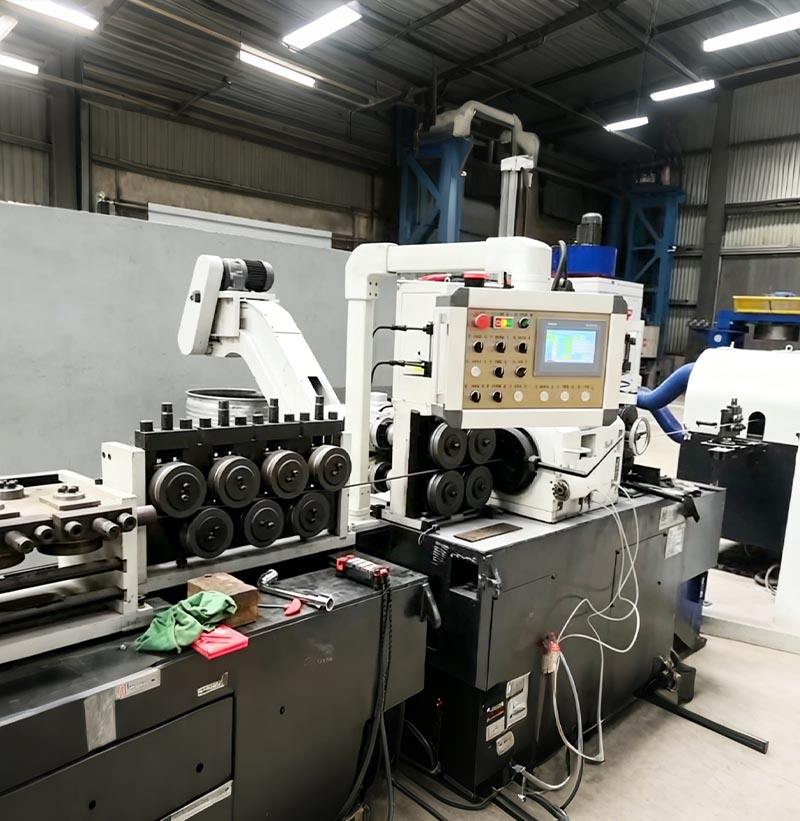
Coil To Bar Peeling&Straightening Line
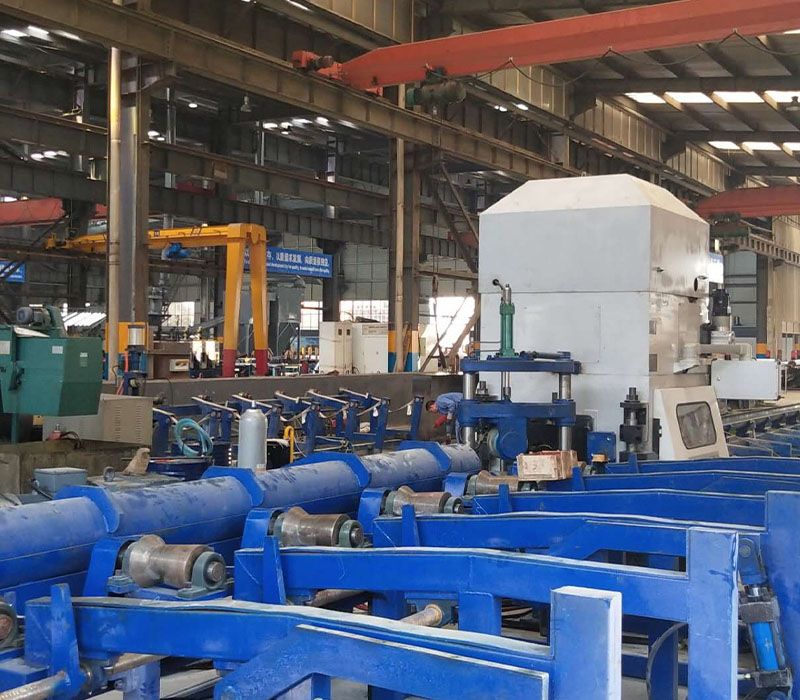
Stainless steel wire rod is decoiled and pre-straightened, then peeled using a centerless lathe and cut to a precise length. Following a final precision straightening pass through a two-roll straightener, the resulting product is a high-precision stainless steel straight bar.
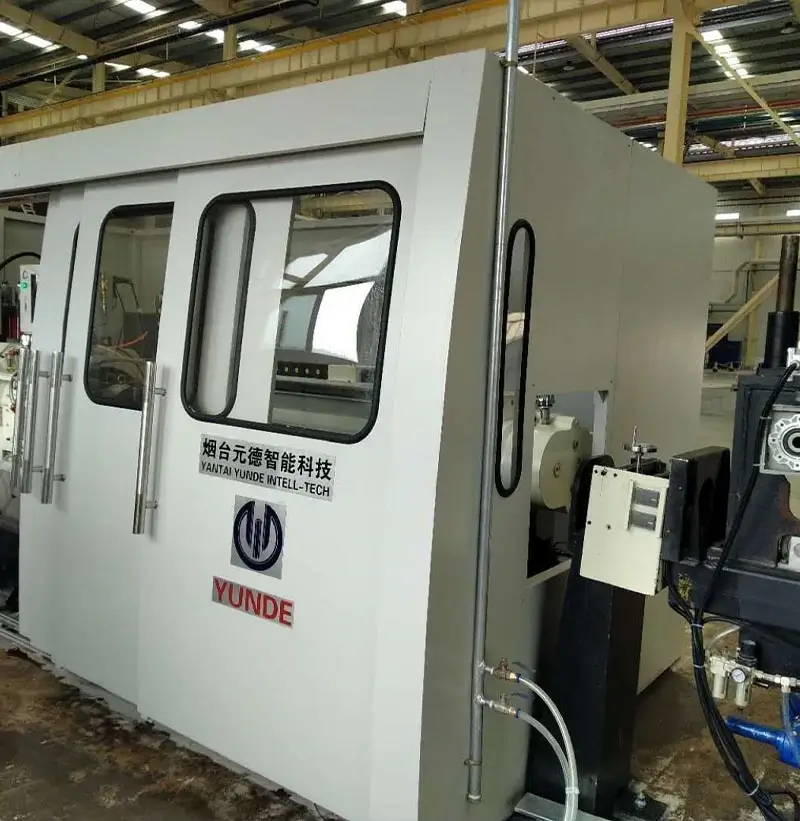
Peeling machine(centerless lathe)
The peeling machine (centerless lathe) unit is a product independently developed after comparing and contrasting the advantages of similar foreign products and combining them with the production characteristics of domestic enterprises, resulting in a simplified and optimized design.
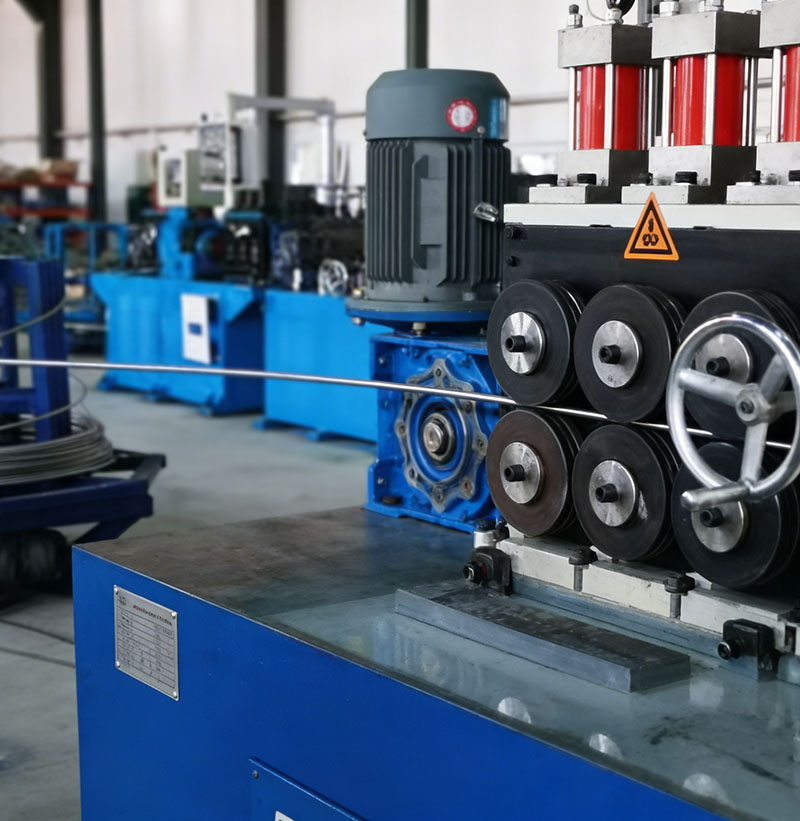
Coil to coil production line
Coil to coil production line is a serial of the machines includes payoff & straightening machine, peeling machine, clamping mechanism, pre-bending device, recoiler machine etc. through above machines, the black coil rod will be processed to bright coil rod with good surface quality
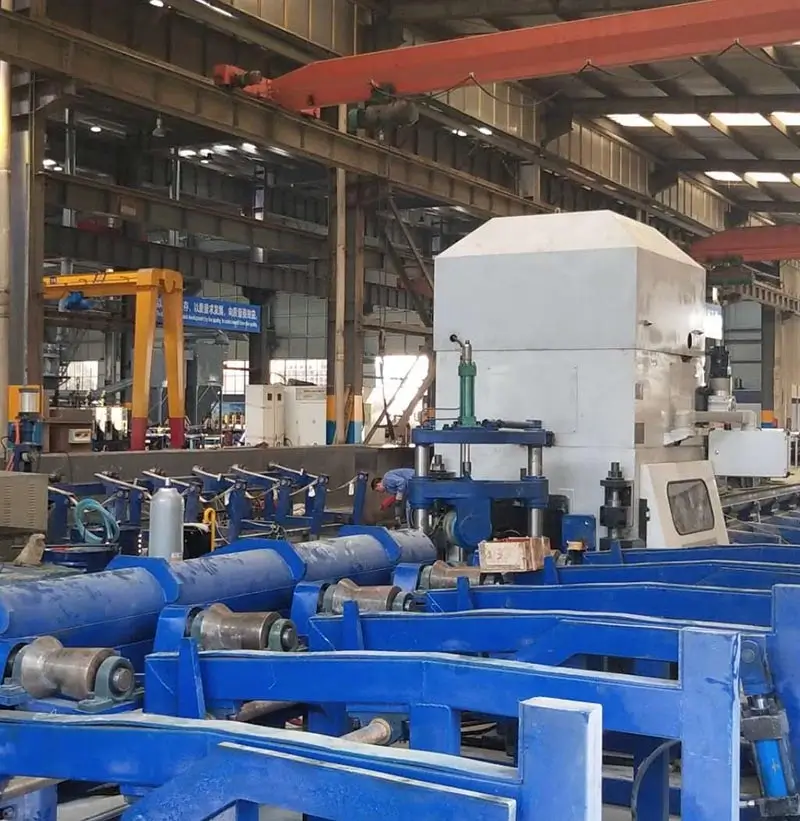
Straightening machine BS Series
A straightening machine is a device used to straighten metal profiles, bars, tubes, and wires. The straightening machine uses straightening rollers to compress the material, altering its straightness. Generally, there are two rows of straightening rollers, with varying numbers of rollers. There are also two-roller straightening machines, which rely on the angle change of two rollers (with a concave, hyperbolic shape) to straighten materials of different diameters.
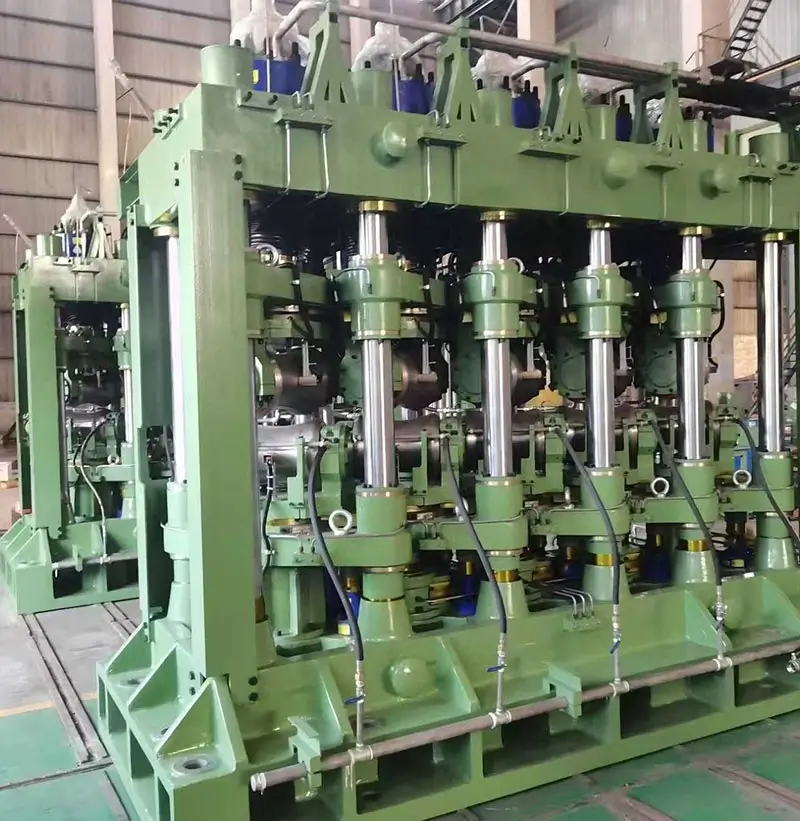
Multi-Roll Steel Pipe Straightening Machine
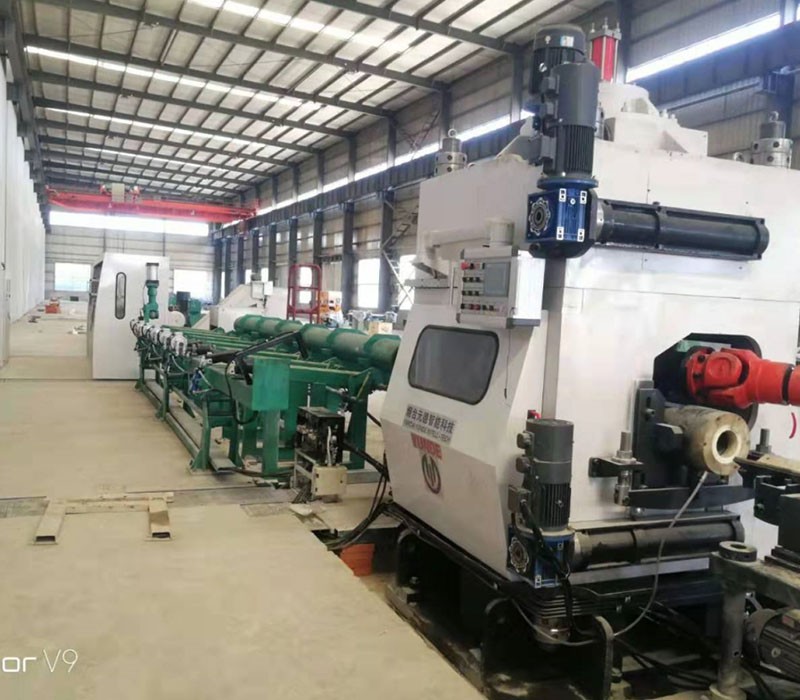
It is a mechanical device used to straighten the curvature and ovality of steel pipes. It is used to straighten pipes made of high alloy, corrosion-resistant, heat-resistant, heat-resistant steel and alloy, iron-nickel, nickel and titanium alloys , so as to reduce longitudinal non-straightness and cross-sectional non-roundness.
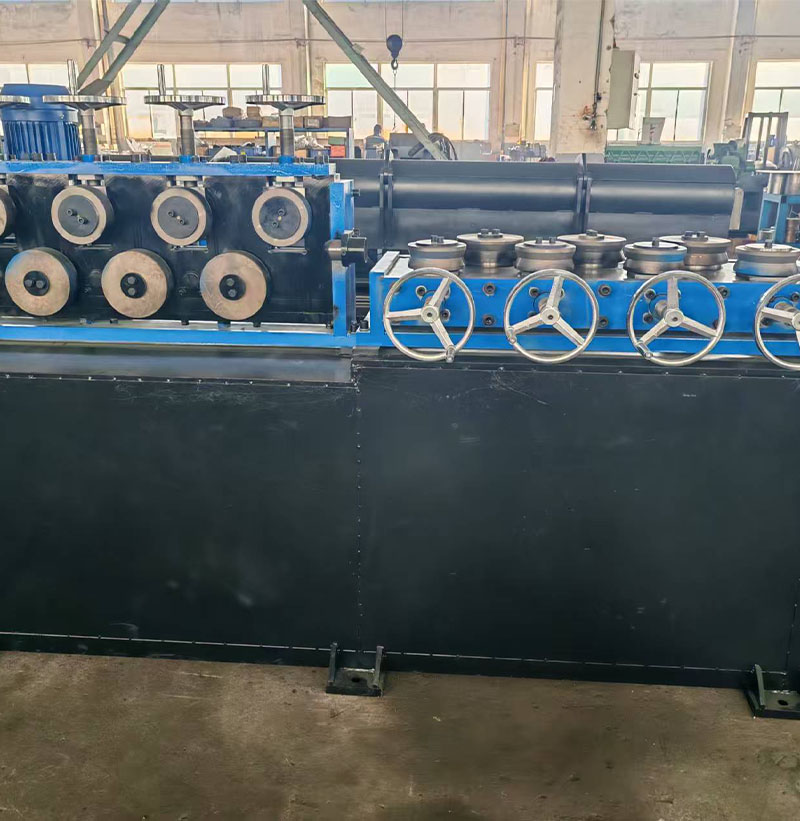
Horizontal and vertical straightening machine
Release the handwheel of the multi-roll horizontal and vertical straightening machine to allow the wire coil to pass through the straightening rollers. Tighten the handwheel to the empirically determined position, start the feeding device, and perform repeated straightening trials. Then feed the wire coil to the vertical straightening rollers, following the same procedure as for horizontal straightening. Finally, feed the wire coil to the peeling machine's feeding device.