
ABOUT US
Yantai Yunde Intelligent Technology Co., Ltd. has only 30 years of production experience, has served more than 300 domestic and foreign customers, and has produced more than 2,000 machines.
GET A FREE QUOTE
-
Home

-
Blog
-
Industry Blogs
- Why Is Automatic Bar Peeling Replacing Machine-Turned and Peeled Methods

Why Is Automatic Bar Peeling Replacing Machine-Turned and Peeled Methods
-
author
- 18,June
 author
Introduction
Producers of bright steel products face growing pressure to provide tighter tolerances and better surface quality. They must also boost output while keeping labor costs low. The classic machine turned and peeled method has served the trade for a long time. However, new production needs are showing that it lacks speed and uniformity.
Now, automatic bar peeling technology is the top choice for firms that want steady peeled steel production. A modern steel peeling machine gets rid of surface flaws by using precise cutting tools. It removes defective surface layers rather than simply polishing the surface. Removing decarburized layers, oxide scale, surface cracks, and other metallurgical defects, it makes a peeled steel bar with great size accuracy and a clean finish.
At YUNDE, we have provided machines for thousands of bright bar projects. We help shops raise their output while following tough quality rules. The shift toward industrial steel peeling shows how shops are moving to faster, more robotic ways of working.
What is the difference between machine-turned, peeled, and modern peeling technology?
What does machine turned and peeled mean?
Generally, machine-turned and peeled refers to an old-school way of working. In this process, the outer layer of a steel bar is taken off to fix the size and remove flaws. It works well, but it often needs many steps. This can slow things down when a shop needs to move a lot of metal quickly.
In many cases, shops need a way to stay precise while handling more material. They also need the quality to stay the same every time. This need has made people much more interested in automatic bar peeling systems.
What is a peeled steel bar?
A peeled steel bar is a shiny steel product. Its outer skin is cut off by a steel peeling machine to remove any marks or damage. Unlike basic polishing that just looks good, industrial steel peeling actually cuts away the bad material from the surface.
The result is a bar with better sizing and easier machining. It has a clean surface that is perfect for tough jobs. These include car parts, hydraulic tools, bearings, and high-end shafts.
Why is peeling more than surface smoothing?
Many people think bright bars are made just by making the surface look smooth. That is not true. Actually, a steel peeling machine cuts off a specific layer of metal. This step gets rid of oxide scale and cracks. These flaws can hurt how a part works later on.
Since the metal is cut away instead of just rubbed smooth, peeled steel production offers a better base. It is ideal for exact machining and making strong mechanical parts.

Why Is Automatic Bar Peeling Becoming the Preferred Choice?
Why are manufacturers moving away from conventional methods?
Steel shops today must hit high marks for speed and quality. Old machines turned and peeled often need too much help from workers. They also take too much time.
Modern automatic bar peeling solves these issues. It offers steady, controlled cutting with very little manual work. The process ensures consistent dimensional accuracy and surface quality. It also minimizes quality variations caused by manual operation.
How does automatic bar peeling improve productivity?
The speed of automatic bar peeling comes from better metal handling and smart controls. Based on real data, the metal can move at up to 18 m/min. Even at this speed, the cutting stays very stable.
This allows shops to finish much more work without losing quality. Because of this, industrial steel peeling is now a smart fix for shops that want both speed and exactness.
What cost advantages does industrial steel peeling provide?
Lower labor needs and fewer extra steps help cut costs. A peeled steel bar comes out of the machine with great size and a smooth finish. This means the next steps in the factory can happen much faster.
Being able to fix flaws in one go also cuts down on wasted metal. It helps the shop use every bit of material more wisely.
How Does a Steel Peeling Machine Improve Product Quality?
What defects can be removed during peeling?
A new steel peeling machine is built to strip away common flaws found on hot-rolled steel. These include scales, soft layers, and surface cracks. Taking these out before the next step makes the final part much stronger. It also stops hidden cracks from causing trouble later.
How does peeling improve dimensional accuracy?
The ability to control how deep the tool cuts is a huge plus for automatic bar peeling. The system takes off the same amount of metal across the whole bar. This creates very even sizes.
High-end CNC units can even change the diameter while the machine is running. This keeps the quality steady even if the raw metal is not perfect.
Why is peeled steel production important for precision industries?
Fields like car making, hydraulics, and engine work need perfect raw materials. A peeled steel bar is straighter and more uniform. Its clean surface is exactly what these high-tech industries need.
How Does Automatic Bar Peeling Compare with Traditional Turning?
Which process offers higher production efficiency?
For shops that care about volume, automatic bar peeling is usually much faster than old machine-turned and peeled styles. Modern units are made just for long bars. They can work several times faster than older tools.
Which process provides better finished bar quality?
Because industrial steel peeling cuts the metal instead of just buffing it, the surface is more even. The final peeled steel bar has better sizing and a more reliable finish.
What are the operational advantages?
Automation means you do not have to rely as much on a worker’s skill. It makes the process easy to repeat. Steady cutting helps shops get the same high-quality results across huge orders.
What Specifications Should Buyers Evaluate When Selecting a Steel Peeling Machine?
What technical parameters matter most?
Buyers should look at the size range, feed speed, and how deep the machine can cut. Size tolerance and surface finish are also key.
| Model | Diameter Range(mm) | Length (m) | Speed(m/min) | Cutting Depth(single side mm) | Diameter Tolerance | Surface Roughness (μm) | Main Motor (KW) | Remark |
| PM25 | Φ6–25 | ≥1.2 | 1~30 | 0.25~1 | ≤IT8 | Ra≤1.6 | 22 | Fully-auto CNC Semi-auto |
| PM40 | Φ6–40 | ≥1.4 | 1~18 | 0.25~1.5 | ≤IT8 | Ra≤1.6 | 45 | Fully-auto CNC Semi-auto |
| PM60 | Φ12–65 | ≥2.2 | 1~15 | 0.3~2.5 | ≤IT8 | Ra≤1.6 | 55 | Fully-auto CNC Semi-auto |
| PM80 | Φ15-80 | ≥2.2 | 1~15 | 0.5~2.5 | ≤IT8 | Ra≤1.6 | 75 | Fully-auto CNC Semi-auto |
| PM100 | Φ20-100 | ≥2.5 | 1~12 | 1.0~4.0 | ≤IT8 | Ra≤1.6 | 90 | Fully-auto CNC Semi-auto |
| PM130 | Φ35-130 | ≥2.8 | 1~8 | 1.0~5.0 | ≤IT8 | Ra≤1.6 | 110 | Fully-auto CNC Semi-auto |
| PM160 | Φ40-160 | ≥4 | 1~6 | 1.0~5.0 | ≤IT8 | Ra≤1.6 | 132 | Fully-auto CNC Semi-auto |
| PM200 | Φ80-200 | ≥4 | 1~5 | 1.0~5.0 | ≤IT8 | Ra≤1.6 | 160 | Fully-auto CNC Semi-auto |
| PM250 | Φ85-250 | ≥4 | 1~4 | 1.0~5.0 | ≤IT8 | Ra≤1.6 | 200 | Fully-auto CNC Semi-auto |
| PM350 | Φ150-350 | ≥4.5 | 0.2~2 | 1.0~10.0 | ≤IT8 | Ra≤1.6 | 200 | Fully-auto CNC Semi-auto |
Why should manufacturers consider long-term support?
A machine is only as good as the help that comes with it. Technical help, training, and parts are vital for long-term use. Expert files point out that global support and training are big factors for anyone buying a machine.

Conclusion
The move from old machines turned and peeled ways to automatic bar peeling shows how the steel world is changing. Shops need more speed, lower costs, and better quality. A modern steel peeling machine meets these goals by cutting away flaws with high precision. It delivers a great size and finish every time.
For firms focused on peeled steel production, industrial steel peeling is a smart way to stay ahead. As quality needs grow in the car and bearing industries, investing in new peeling tools will be a key move for any business.
CTA
Ready to move past the old machine turned and peeled away? Reach out to YUNDE for a talk. See how automatic bar peeling can make your peeled steel production much more efficient.
FAQ
Which industries commonly use industrial steel peeling?
It is widely used for making cars, bearings, springs, and hydraulic parts. It is also vital for general engine work.
What materials can be processed using a steel peeling machine?
It works for stainless steel, alloy steel, and carbon steel. It can also handle titanium, copper, and aluminum.
Does YUNDE provide technical support after purchasing a steel peeling machine?
Yes. Support includes a warranty, training for workers, and help with setup. They also offer services for clients abroad.
Recent Post

Related Products
Best-selling Products
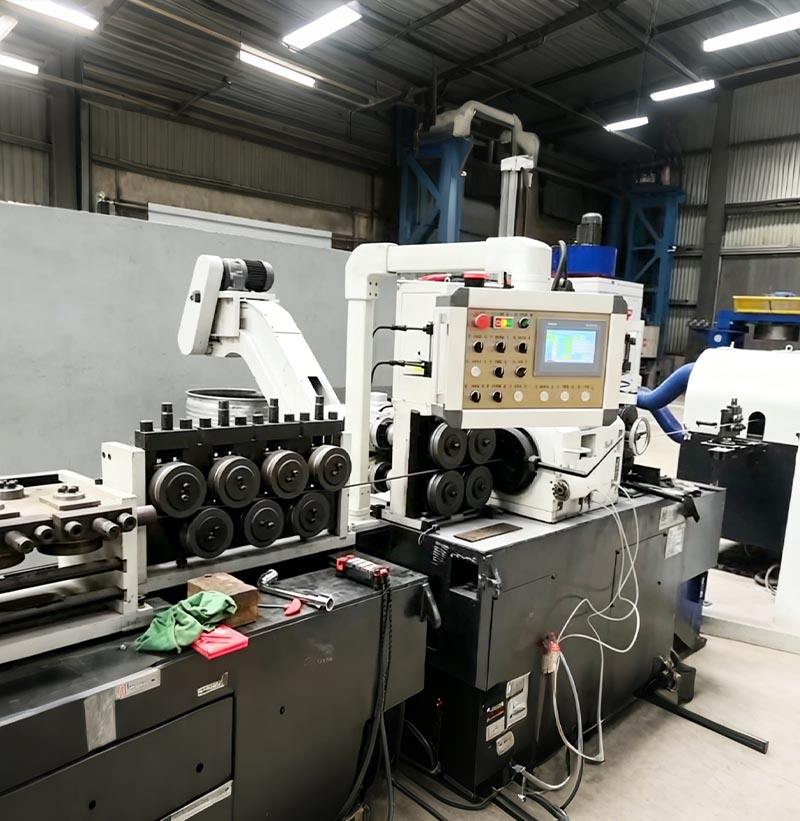
Coil To Bar Peeling&Straightening Line
Stainless steel wire rod is decoiled and pre-straightened, then peeled using a centerless lathe and cut to a precise length. Following a final precision straightening pass through a two-roll straightener, the resulting product is a high-precision stainless steel straight bar.
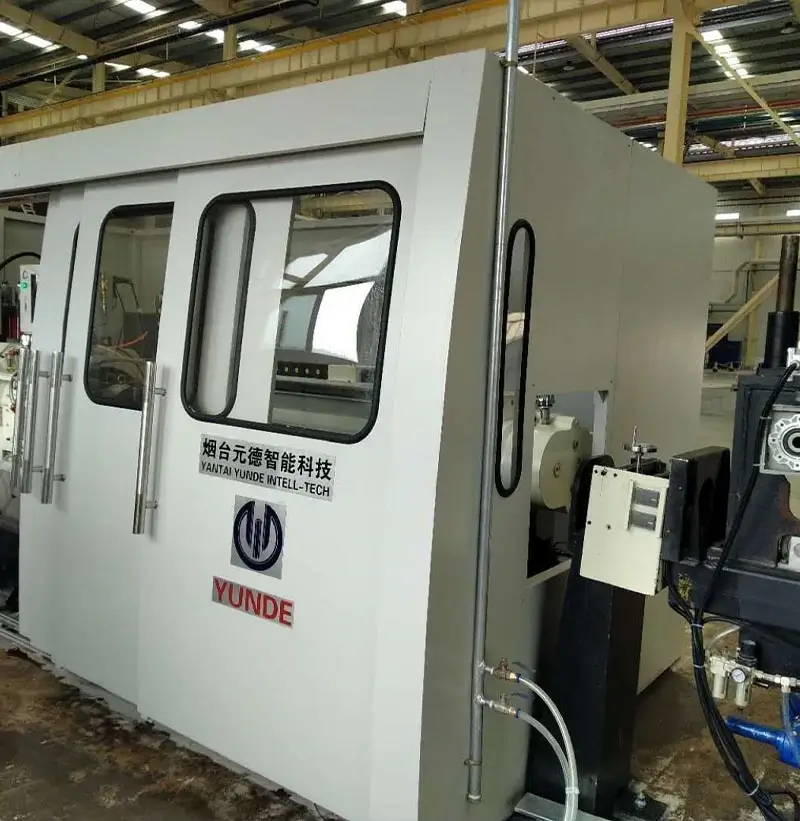
Peeling machine(centerless lathe)
The peeling machine (centerless lathe) unit is a product independently developed after comparing and contrasting the advantages of similar foreign products and combining them with the production characteristics of domestic enterprises, resulting in a simplified and optimized design.
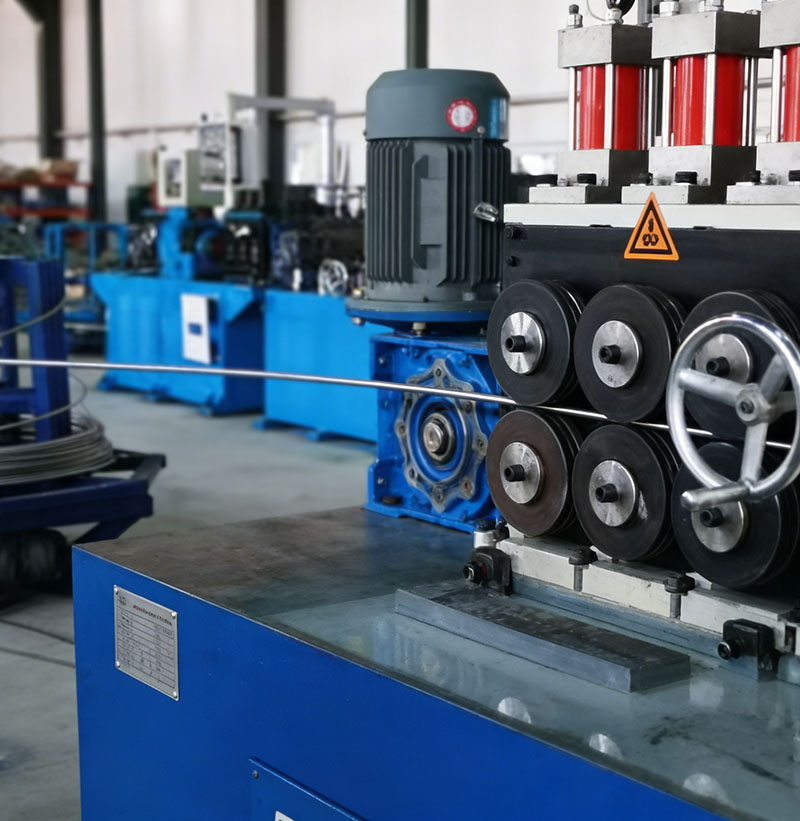
Coil to coil production line
Coil to coil production line is a serial of the machines includes payoff & straightening machine, peeling machine, clamping mechanism, pre-bending device, recoiler machine etc. through above machines, the black coil rod will be processed to bright coil rod with good surface quality
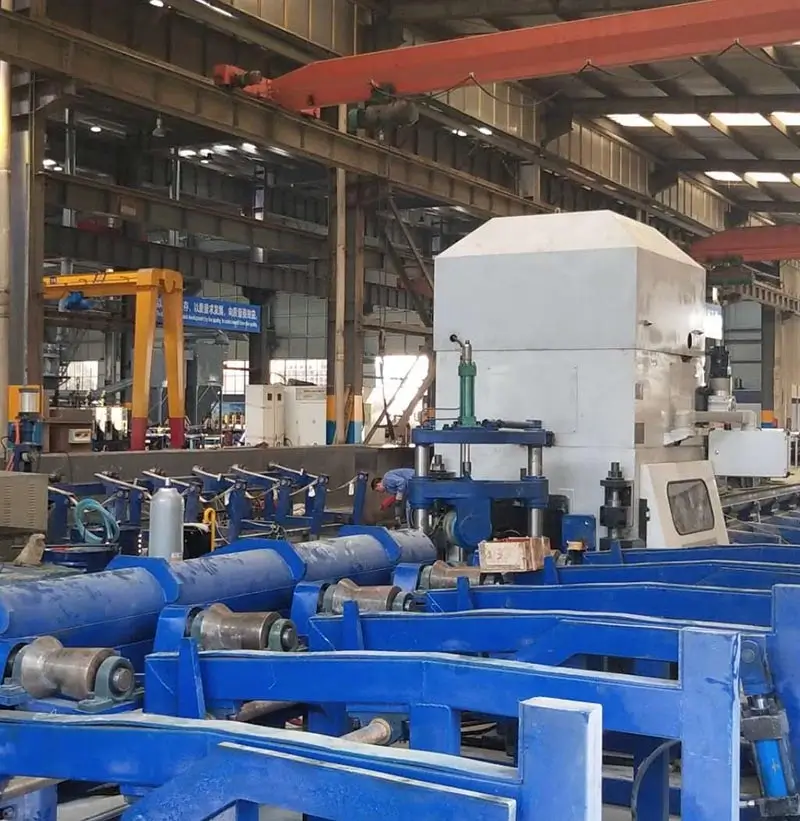
Straightening machine BS Series
A straightening machine is a device used to straighten metal profiles, bars, tubes, and wires. The straightening machine uses straightening rollers to compress the material, altering its straightness. Generally, there are two rows of straightening rollers, with varying numbers of rollers. There are also two-roller straightening machines, which rely on the angle change of two rollers (with a concave, hyperbolic shape) to straighten materials of different diameters.
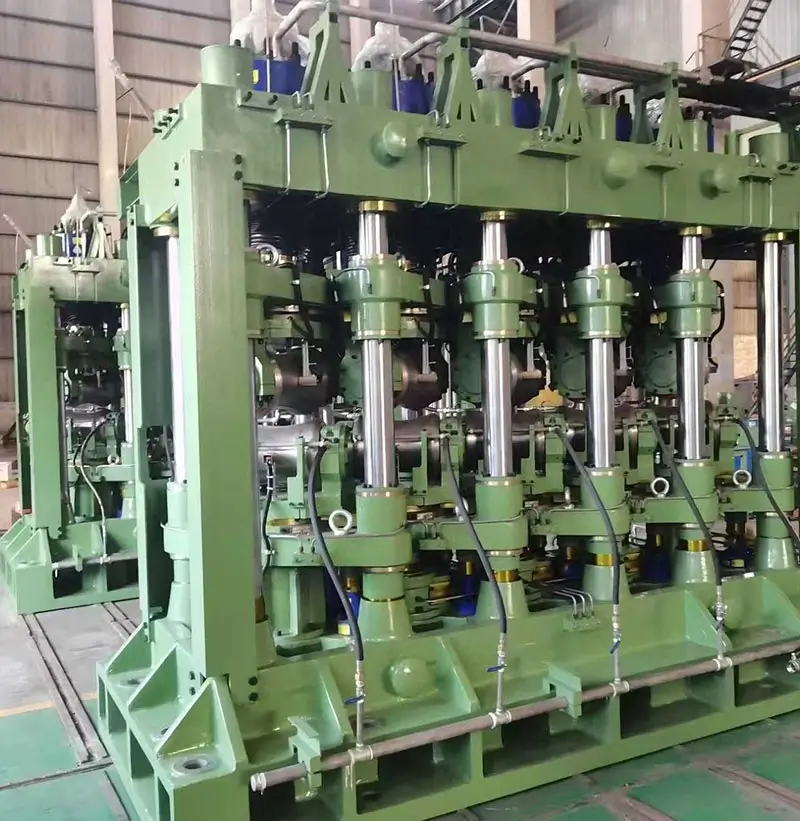
Multi-Roll Steel Pipe Straightening Machine
It is a mechanical device used to straighten the curvature and ovality of steel pipes. It is used to straighten pipes made of high alloy, corrosion-resistant, heat-resistant, heat-resistant steel and alloy, iron-nickel, nickel and titanium alloys , so as to reduce longitudinal non-straightness and cross-sectional non-roundness.
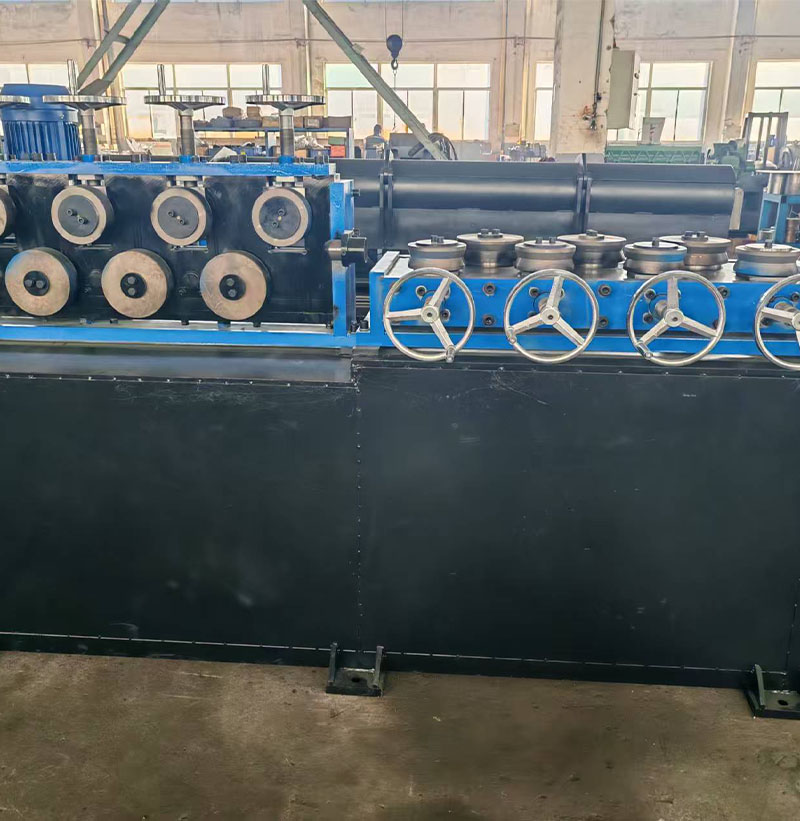
Horizontal and vertical straightening machine
Release the handwheel of the multi-roll horizontal and vertical straightening machine to allow the wire coil to pass through the straightening rollers. Tighten the handwheel to the empirically determined position, start the feeding device, and perform repeated straightening trials. Then feed the wire coil to the vertical straightening rollers, following the same procedure as for horizontal straightening. Finally, feed the wire coil to the peeling machine's feeding device.